- Ziva@CKlasersz.com
- WeChat:86-13138536413
- 400-168-9906
- 0755 27084852






Elaborado por el equipo de ingenieros de Super Fast Laser Technology S.L.. Con sede en Shenzhen, nos enorgullece ser el primer fabricante nacional dedicado exclusivamente a la I+D, la producción y la venta de máquinas avanzadas de limpieza por láser. Gracias a nuestro equipo especializado en I+D y a nuestra propia planta de producción, ocupamos una posición de liderazgo en el sector de la limpieza por láser, ofreciendo a las industrias de todo el mundo una tecnología de preparación de superficies sin igual.
En el ámbito de la preparación de superficies industriales, que exige una gran precisión, los métodos tradicionales —como el chorro de arena abrasivo, el grabado químico y el esmerilado mecánico— están quedando rápidamente obsoletos. Estas técnicas arcaicas generan enormes cantidades de residuos peligrosos secundarios, deterioran el material de base subyacente y requieren largos periodos de inactividad para cumplir con la normativa medioambiental y llevar a cabo las tareas de limpieza. Al analizar el panorama de la fabricación en 2026, la transición hacia la ablación fotónica de superficies no es simplemente una mejora, sino una necesidad operativa absoluta. Comprender cuáles son las aplicaciones de limpieza con láser más rentables y eficientes es fundamental para cualquier responsable de instalaciones, responsable de compras o ingeniero de fabricación que desee optimizar su línea de producción.
Según nuestra experiencia en el diseño de sistemas ópticos avanzados en Super Fast Laser, la versatilidad de la ablación fotónica no tiene parangón. Mediante la emisión de pulsos láser de alta frecuencia, estas máquinas vaporizan contaminantes, óxido, pintura y óxidos sin causar daños cinéticos ni térmicos al sustrato. En este manual técnico de referencia, detallaremos las ocho principales aplicaciones de limpieza por láser que actualmente predominan en los sectores de la industria pesada, la automoción y el sector aeroespacial. Analizaremos los mecanismos específicos de cada caso de uso y destacaremos cómo nuestros equipos especializados pueden integrarse a la perfección en sus instalaciones para maximizar el retorno de la inversión.
Índice
- 1. Eliminación de óxido y oxidación en el ámbito industrial
- 2. Mantenimiento y limpieza de los moldes de inyección
- 3. Desengrasado y preparación de componentes de automoción
- 4. Decapado de pinturas y eliminación de recubrimientos en el sector aeroespacial
- 5. Preparación de la superficie antes de la soldadura
- 6. Limpieza y pasivación del cordón de soldadura tras la soldadura
- 7. Restauración de monumentos históricos y de piedra
- 8. Descontaminación de materiales nucleares y peligrosos
- 9. Tabla resumen: Principales aplicaciones de la limpieza con láser
- 10. Preguntas más frecuentes (FAQ)
- 11. Referencias del sector
1. Eliminación de óxido y oxidación en el ámbito industrial
Quizás la aplicación más reconocida de la limpieza con láser sea la eliminación del óxido y la oxidación intensos del acero estructural, la maquinaria pesada y las embarcaciones marítimas. El chorro de arena tradicional lanza partículas afiladas contra el metal, lo que inevitablemente elimina capas microscópicas del sustrato sano y altera las tolerancias dimensionales de las piezas de precisión.
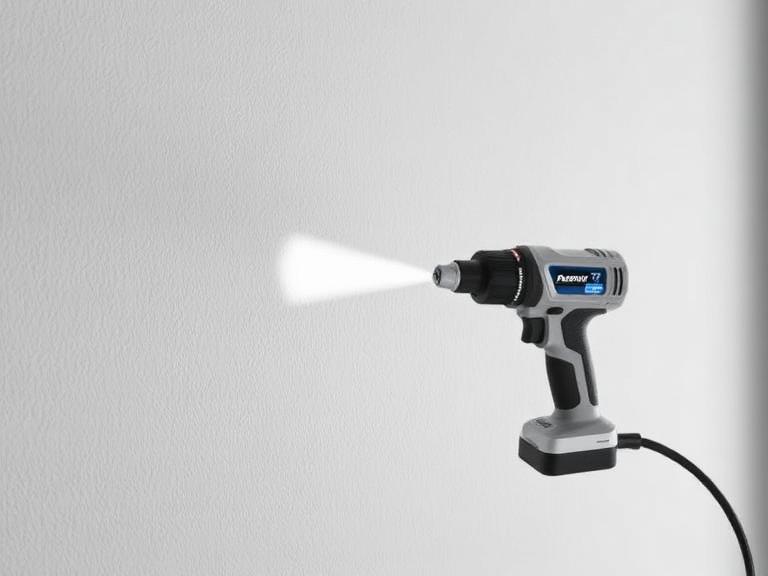
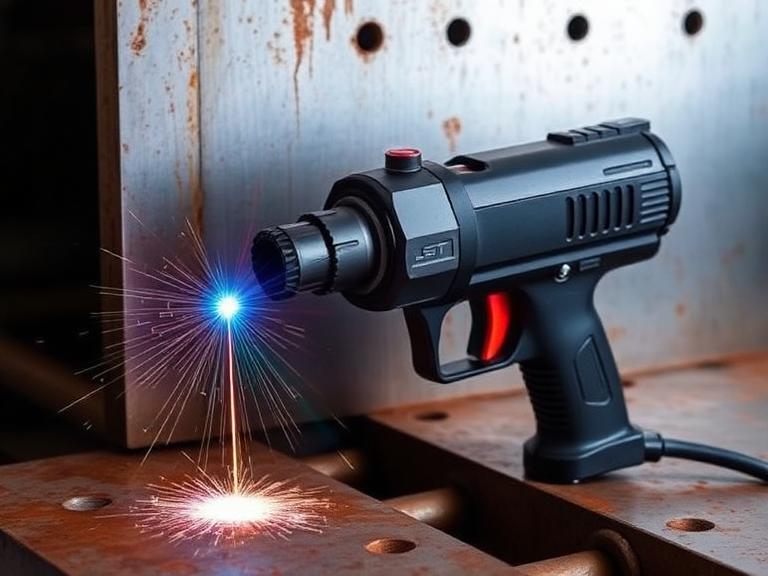
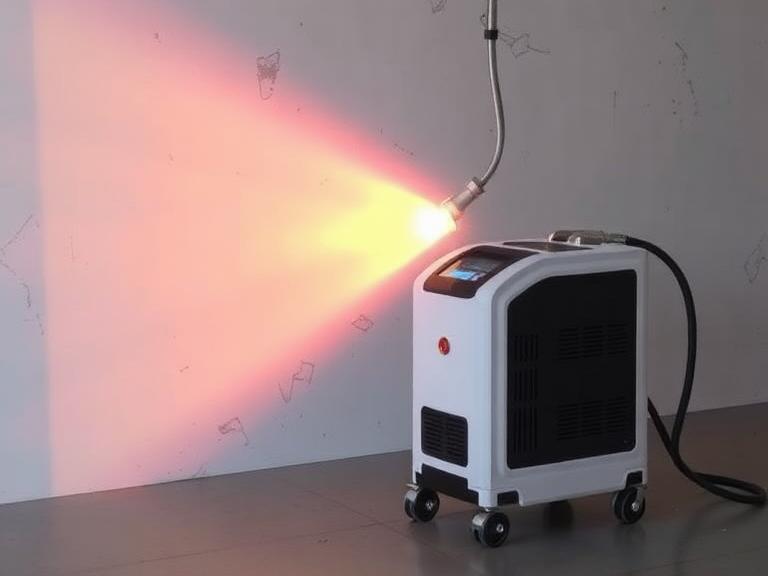
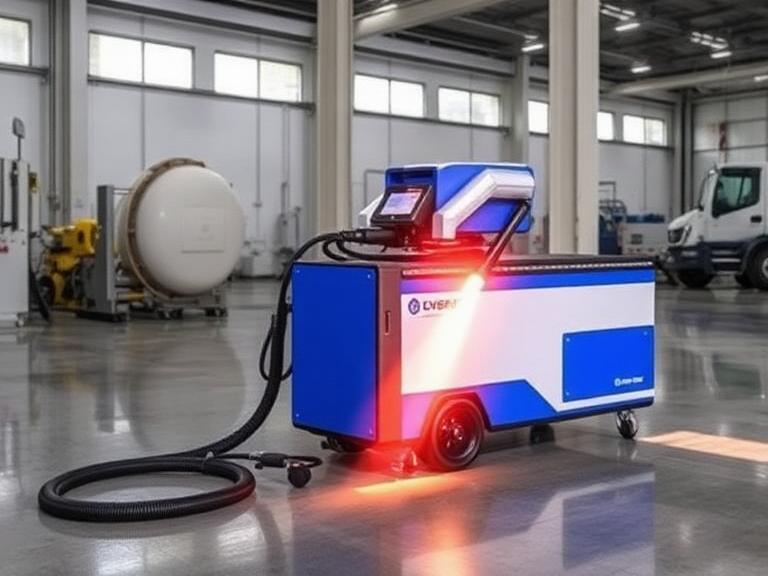
Recomendamos utilizar la ablación fotónica para eliminar el óxido, ya que el rayo láser se absorbe de forma selectiva. La capa oscura y oxidada absorbe la energía del láser y se sublima instantáneamente en un gas inofensivo, que es extraído por un sistema de extracción de humos localizado. El metal reflectante subyacente refleja la luz, quedando completamente intacto. Para este tipo específico de aplicaciones de limpieza con láser, el láser Super Fast Máquina manual de limpieza láser es la solución definitiva. Su diseño ergonómico permite a los operarios desplazarse por geometrías complejas y vigas de acero de gran tamaño con una rapidez y seguridad sin precedentes, lo que elimina la necesidad de utilizar voluminosas carpas de contención y arena de sílice, que resulta peligrosa.
2. Mantenimiento y limpieza de los moldes de inyección
En los sectores de la inyección de plástico y la fabricación de neumáticos, los moldes deben limpiarse continuamente para evitar defectos en los productos. Tradicionalmente, los moldes se retiraban de la línea de producción, se enfriaban y se sometían a un chorro de hielo seco o a baños con productos químicos agresivos. Este proceso provoca un tiempo de inactividad considerable en las instalaciones y un choque térmico en los moldes.
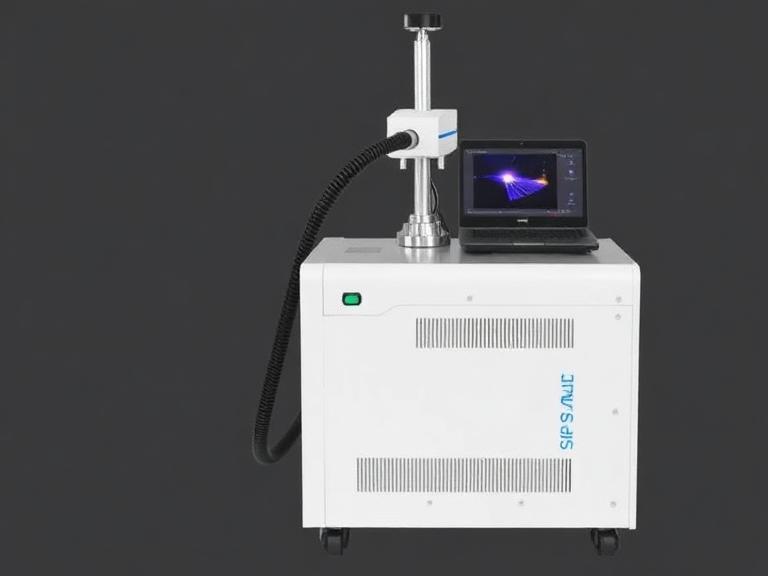
Una de las aplicaciones más rentables de la limpieza por láser es la limpieza in situ de estos moldes. El pulso láser vaporiza los residuos de caucho vulcanizado, los agentes desmoldeantes y las acumulaciones de polímeros sin alterar el grabado microscópico ni la textura de la superficie del molde. Para lograr una uniformidad absoluta en este sector, diseñamos el Máquina automática de limpieza láser de moldes de 6 ejes. Según nuestra experiencia, la integración de un brazo robótico multieje garantiza que la distancia focal del láser se mantenga perfectamente calibrada en cavidades profundas y contornos de molde complejos, lo que maximiza la vida útil de las herramientas y elimina por completo el desgaste por abrasión.
3. Desengrasado y preparación de componentes de automoción
La industria de la automoción exige normas de limpieza muy estrictas, sobre todo a la hora de preparar los componentes del tren de transmisión y los sistemas de frenado. Las capas microscópicas de aceite, grasa o compuestos de trefilado pueden provocar fallos catastróficos en los materiales de fricción o en los procesos automatizados de unión adhesiva.
Entre las aplicaciones de limpieza láser automatizada, el desengrasado de componentes destaca por su eficiencia en línea. Mediante el uso de láseres de alta potencia, los fabricantes pueden eliminar los hidrocarburos al ritmo de la cadena de montaje. Para esta tarea altamente especializada, recomendamos nuestro Pastillas de freno de transmisión automática Equipo de limpieza láser. Este sistema patentado está diseñado para hacer pasar de forma continua los componentes de los frenos a través de una cámara óptica sellada, vaporizando al instante los aceites y los contaminantes. Esto garantiza una superficie impecable para la posterior adhesión del material de fricción, lo que reduce drásticamente el riesgo de delaminación de los frenos, al tiempo que cumple con las estrictas tolerancias de seguridad del sector de la automoción.
4. Decapado de pinturas y eliminación de recubrimientos en el sector aeroespacial
El mantenimiento aeronáutico requiere la eliminación periódica de recubrimientos y pinturas aeroespaciales especializados para inspeccionar si el aluminio o los materiales compuestos subyacentes del fuselaje presentan microfracturas. El decapado químico implica el uso de disolventes altamente tóxicos, como el cloruro de metileno, cuya eliminación resulta costosa y supone graves riesgos para la salud de los técnicos aeronáuticos.
La eliminación de recubrimientos aeroespaciales es una de las aplicaciones de limpieza con láser más estrictamente reguladas. La precisión del láser permite a los técnicos eliminar la pintura capa por capa. Un operario puede eliminar la capa de acabado sin afectar en absoluto a la imprimación anticorrosiva. Dado que el proceso no ejerce ninguna fuerza mecánica, los sustratos compuestos delicados —como las estructuras de las alas de fibra de carbono— no sufren ningún deterioro estructural. Este enfoque no cinético representa el futuro del mantenimiento en los centros de aviación.
5. Preparación de la superficie antes de la soldadura
La resistencia de una soldadura depende de la resistencia de la superficie a la que se une. La presencia de aceites de corte, suciedad del taller u óxidos de aluminio naturales introduce hidrógeno y oxígeno en el baño de fusión, lo que provoca porosidad, inclusiones y, en última instancia, el fallo de la soldadura. El cepillado manual con alambre o el esmerilado son métodos irregulares y requieren mucha mano de obra.
Según nuestra experiencia como consultores de empresas de fabricación pesada, el uso de láseres para la preparación previa a la soldadura es una de las aplicaciones de limpieza por láser que más rápido está creciendo. Una pasada rápida con una máquina de limpieza por láser portátil elimina al instante la capa de óxido y vaporiza los contaminantes orgánicos, dejando una superficie clínicamente limpia. Esto garantiza una estabilidad perfecta del arco, una penetración superior de la soldadura y una reducción drástica de las tasas de fallo en los ensayos no destructivos (END). Recomendamos este proceso específicamente para protocolos de soldadura de aluminio y acero inoxidable de alta integridad.
6. Limpieza y pasivación del cordón de soldadura tras la soldadura
Una vez finalizada la soldadura del acero inoxidable, queda una zona afectada por el calor (HAZ) oscura y oxidada, conocida comúnmente como «tinte térmico». Este tinte destruye la capa de óxido de cromo que confiere al acero inoxidable sus propiedades anticorrosivas. Las pastas de decapado tradicionales que se utilizan para eliminar el tinte térmico contienen ácido fluorhídrico, que es altamente letal y devastador para el medio ambiente.
La limpieza de cordones de soldadura es una aplicación de la limpieza con láser muy respetuosa con el medio ambiente. El rayo láser elimina rápidamente el tono de calor y facilita la repasivación instantánea de la superficie de acero inoxidable. El resultado es una junta de soldadura brillante y estéticamente perfecta, conseguida sin una sola gota de productos químicos tóxicos. Esto elimina la necesidad de almacenar productos químicos peligrosos, de tratar aguas residuales y de exponer al operario a riesgos.
7. Restauración de monumentos históricos y de piedra
Aunque Super Fast Laser presta sus servicios principalmente al sector de la fabricación industrial, el sector de la conservación arquitectónica depende en gran medida de la ablación fotónica. Los monumentos históricos, las estatuas de mármol y la mampostería antigua se ven afectados por siglos de contaminación por carbono, hollín y crecimiento biológico (líquenes y musgo).
El chorro abrasivo destruye la delicada pátina y los intrincados detalles tallados de la piedra histórica. En las aplicaciones de limpieza con láser para la conservación del patrimonio, se utilizan láseres de baja potencia y pulso corto para agitar y vaporizar suavemente las costras negras de contaminación sin calentar el mármol o la piedra caliza subyacentes. Este método de limpieza sin contacto cuenta con el respaldo de organizaciones mundiales de patrimonio como el método más seguro para preservar objetos culturales de incalculable valor.
8. Descontaminación de materiales nucleares y peligrosos
La descontaminación de los equipos en el interior de las centrales nucleares o las plantas de procesamiento químico plantea un reto único. Los métodos tradicionales, como el chorro de agua a alta presión o el lavado con productos químicos, generan enormes volúmenes de residuos líquidos secundarios radiactivos o tóxicos, cuyo transporte y almacenamiento resultan increíblemente costosos.
La ablación fotónica supone una revolución en este campo. Dado que las aplicaciones de limpieza con láser no requieren medios secundarios (ni agua, ni arena, ni productos químicos), el único residuo que se genera es el propio contaminante vaporizado, que es capturado inmediatamente por sistemas de aspiración con filtros de aire de alta eficiencia (HEPA). Para estos entornos peligrosos, recomendamos nuestra «Solución Automática Personalizada». Nuestro equipo de ingeniería diseña sistemas de pórtico láser y vehículos sobre orugas a medida, controlados a distancia, que se desplazan por zonas peligrosas, protegiendo a los operarios de la exposición a la radiación y reduciendo drásticamente el volumen de residuos nucleares secundarios.
9. Tabla resumen: Principales aplicaciones de la limpieza con láser
Con el fin de ayudar a los equipos de compras y a los responsables de instalaciones a identificar el equipo adecuado, hemos resumido las principales aplicaciones de la limpieza por láser y nuestras soluciones de hardware Super Fast Laser recomendadas.
| Sector de aplicación | Contaminante objetivo | Equipos láser ultrarrápidos recomendados | Ventaja principal desde el punto de vista de la ingeniería |
|---|---|---|---|
| Eliminación de óxido en el sector industrial | Óxido intenso, cascarilla de laminación, oxidación grave | Máquina manual de limpieza láser | Elimina los medios abrasivos y los costes de contención. |
| Mantenimiento de los moldes de inyección | Residuos de polímeros, agentes desmoldeantes | Máquina automática de limpieza láser de moldes de 6 ejes | Limpia in situ sin provocar choques térmicos ni desgaste. |
| Preparación de componentes de automoción | Aceites, grasas y compuestos de trefilado | Pastillas de freno de transmisión automática Equipo de limpieza láser | Garantiza una adhesión perfecta de los materiales de fricción a la velocidad de la línea. |
| Eliminación de revestimientos aeroespaciales | Pintura para aviación, epoxi, imprimaciones | Solución automática a medida / Portátil | Elimina la pintura capa por capa sin dañar los materiales compuestos. |
| Tratamiento previo y posterior a la soldadura | Óxidos, líquidos de corte, tinte térmico de soldadura | Máquina manual de limpieza láser | Evita la porosidad en las soldaduras y elimina los ácidos tóxicos utilizados en el decapado. |
| Descontaminación de sustancias peligrosas | Partículas radiactivas, sustancias químicas tóxicas | Solución automática a medida (a distancia) | No genera residuos líquidos secundarios, lo que protege a los operarios. |
10. Preguntas más frecuentes (FAQ)
¿Por qué las aplicaciones de limpieza con láser resultan más rentables que el chorro de arena?
Según nuestra experiencia, aunque la inversión inicial en un láser es mayor, los costes operativos son una fracción de un céntimo por cada dólar en comparación con el chorro de arena. Las aplicaciones de limpieza con láser no requieren consumibles (ni arena, ni perlas de vidrio, ni productos químicos), no hay que dedicar tiempo a la limpieza de los medios utilizados y el mantenimiento es mínimo. La recuperación de la inversión (ROI) suele alcanzarse en un plazo de entre 12 y 18 meses.
¿El láser dañará la superficie metálica subyacente?
No. La tecnología se basa en el umbral de ablación. El óxido, el aceite o la pintura tienen un umbral de ablación inferior al del metal base. La energía del láser vaporiza el contaminante, pero el metal subyacente simplemente refleja la luz sin sufrir ningún daño cinético, mecánico o térmico. Por eso las aplicaciones de limpieza con láser son imprescindibles para las herramientas de precisión.
¿Puede Super Fast Laser automatizar estos procesos en mi línea de montaje?
Por supuesto. Super Fast Laser Technology Co., Ltd. destaca en la integración de sistemas. Ofrecemos una solución automática a medida en la que nuestro equipo de ingeniería diseña carcasas a medida, brazos robóticos (como nuestra máquina automática de limpieza por láser de moldes de 6 ejes) y sistemas de transporte para integrar a la perfección las aplicaciones de limpieza por láser directamente en su línea de producción de alta velocidad ya existente.
¿Son seguras para los operarios las aplicaciones de limpieza con láser?
Sí, siempre que se sigan los protocolos adecuados. Los operarios deben llevar gafas de seguridad láser muy específicas, homologadas para la longitud de onda exacta de la máquina, con el fin de evitar daños ópticos. Además, dado que el láser vaporiza los contaminantes convirtiéndolos en gas y partículas, es necesario utilizar un sistema de extracción de humos localizado. Diseñamos todos nuestros equipos para que cumplan con las normas internacionales de seguridad óptica más estrictas.
11. Referencias del sector
- Sociedad Americana de Soldadura (AWS) – Directrices sobre la preparación y limpieza de superficies antes de la soldadura
- Laser Institute of America (LIA) - Seguridad láser industrial y normas operativas
- Agencia de Protección Ambiental de EE. UU. (EPA) – Ventajas de los métodos de eliminación de recubrimientos sin productos químicos