- Ziva@CKlasersz.com
- WeChat:86-13138536413
- 400-168-9906
- 0755 27084852






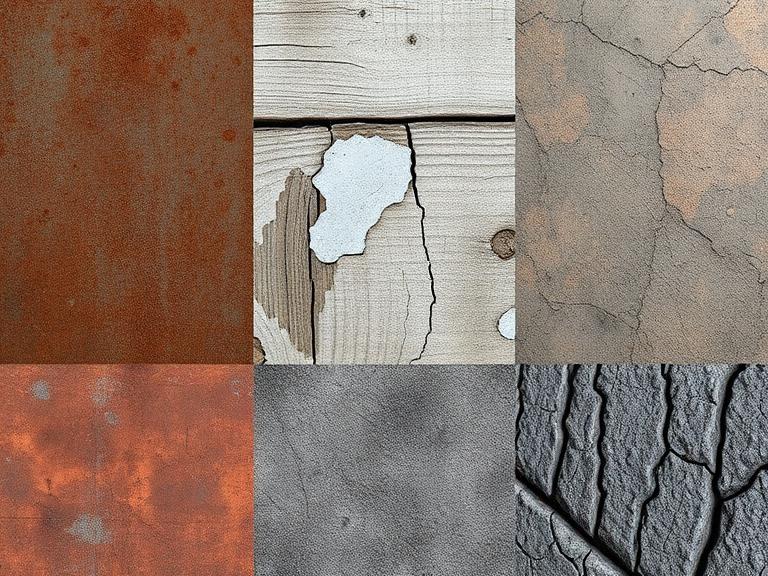
En el panorama en constante evolución de la fabricación y el mantenimiento industriales, los métodos tradicionales de preparación de superficies, como el chorro de arena, el grabado químico y el esmerilado mecánico, están siendo sustituidos rápidamente por tecnologías fotónicas. La ablación por láser ofrece una alternativa sin contacto, respetuosa con el medio ambiente y de gran precisión. Sin embargo, los responsables de instalaciones y los ingenieros de compras suelen plantear a nuestro equipo de I+D una pregunta fundamental: ¿qué superficies concretas se pueden limpiar con láser de forma segura y eficaz sin alterar el material base?
Para comprender qué superficies se pueden limpiar con láser es necesario profundizar en la física de la ablación láser, los umbrales térmicos y la reflectividad de los materiales. Super Fast Laser Technology Co., Ltd. ha dedicado años de investigación a perfeccionar los algoritmos y el hardware que permiten a nuestros sistemas adaptarse a una amplia gama de sustratos. Según nuestra experiencia en el equipamiento de plantas industriales pesadas y en delicados proyectos de restauración del patrimonio, la versatilidad de la tecnología láser no tiene parangón, siempre que se utilicen los parámetros correctos. En esta guía técnica de referencia, analizaremos los mecanismos precisos de la limpieza fotónica, detallaremos exactamente qué superficies se pueden limpiar con láser y describiremos nuestro equipo especializado diseñado para estas tareas.
Índice
- 1. La ciencia de la ablación: cómo funciona la limpieza con láser
- 2. Metales industriales: las superficies primarias pueden limpiarse con láser
- 3. Restauración delicada: piedra, madera y objetos históricos
- 4. Utillaje y materiales compuestos: moldes de inyección y caucho
- 5. Aplicaciones en el sector de la automoción: componentes de la transmisión y los frenos
- 6. Soluciones de limpieza patentadas «Super Fast Laser»
- 7. Tabla resumen: Matriz de compatibilidad de superficies
- 8. Preguntas más frecuentes (FAQ)
- 9. Referencias de la industria
1. La ciencia de la ablación: cómo funciona la limpieza con láser
Para determinar con precisión qué superficies pueden limpiarse con láser, es necesario comprender el principio de la ablación por láser. Cuando se dirige un rayo láser de alta intensidad hacia una superficie contaminada, la capa de contaminantes (como óxido, pintura, aceite u óxidos) absorbe la energía fotónica concentrada. Esta rápida absorción hace que el contaminante se caliente y se expanda casi instantáneamente, lo que da lugar a la sublimación: el contaminante sólido se transforma directamente en gas o se expulsa en forma de partículas microscópicas.
La principal ventaja de esta tecnología radica en el umbral de ablación. Cada material tiene un umbral específico de energía necesario para eliminarlo. A la hora de evaluar qué superficies pueden limpiarse con láser, los ingenieros calculan la diferencia entre el umbral de ablación del contaminante y el umbral de daño del sustrato subyacente. Recomendamos utilizar láseres de fibra pulsados, ya que proporcionan una potencia máxima extremadamente alta en ráfagas de nanosegundos. Esto garantiza que el contaminante se vaporice antes de que se transfiera una cantidad significativa de energía térmica al material base, lo que evita deformaciones o cambios metalúrgicos.
2. Metales industriales: las superficies primarias pueden limpiarse con láser
Cuando los clientes preguntan qué superficies se pueden limpiar con láser, los sustratos metálicos son la categoría más habitual y la que se trata con mayor éxito. La elevada reflectividad y conductividad térmica de la mayoría de los metales los convierten en candidatos ideales para esta tecnología.
Acero y hierro
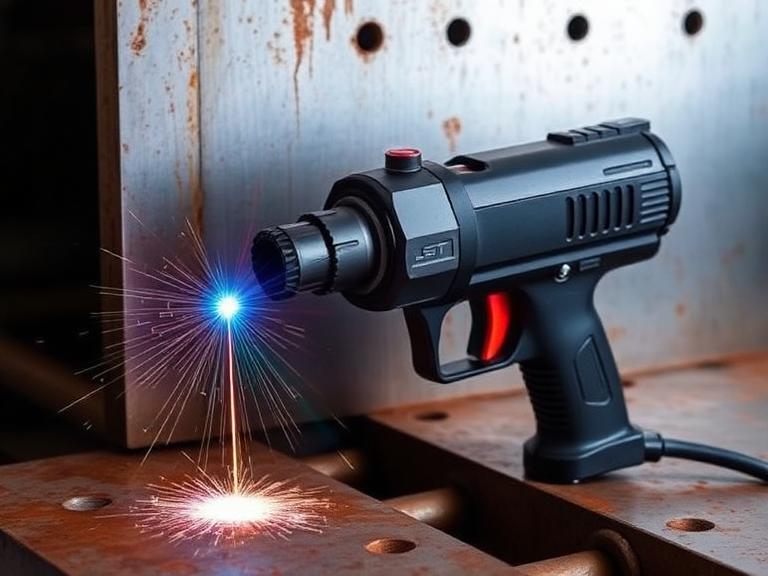
El acero al carbono y el hierro fundido son materiales en los que, como es bien sabido, la limpieza con láser se lleva a cabo con una eficacia extraordinaria. Los sistemas láser eliminan por completo las capas gruesas de óxido de hierro (óxido), la cascarilla de laminación y los recubrimientos protectores antiguos. A diferencia del chorro de arena, que perfila y elimina capas microscópicas del acero sano, la limpieza con láser deja el sustrato totalmente intacto. Esto es fundamental para las industrias aeroespacial y marítima, donde las tolerancias de espesor estructural se controlan de forma estricta.
Aluminio y titanio
Los metales no ferrosos, como el aluminio y el titanio, son muy sensibles al calor y a la abrasión mecánica. Las capas de óxido de aluminio pueden provocar graves defectos de porosidad durante la soldadura. Recomendamos la limpieza con láser como preparación previa obligatoria para la soldadura de estos metales. Ajustando la frecuencia de los pulsos, estas delicadas superficies metálicas pueden limpiarse con láser de forma segura, eliminando los óxidos sin provocar microfisuras ni fundir la aleación subyacente.
Cobre y latón
Los metales altamente reflectantes plantean retos únicos. Dado que el cobre refleja la luz infrarroja, es necesario tener en cuenta precauciones especiales y ajustes de longitud de onda. Sin embargo, gracias a la óptica avanzada, incluso las superficies altamente reflectantes pueden limpiarse con láser para eliminar la pátina, los aceites y la oxidación sin dañar las propiedades conductoras del metal.
3. Restauración delicada: piedra, madera y objetos históricos
La aplicación de la tecnología láser no se limita a la industria pesada. Los conservadores de patrimonio suelen preguntarse qué superficies se pueden limpiar con láser en el ámbito de la restauración del patrimonio.
Las fachadas de piedra, las estatuas de mármol y los monumentos de granito acumulan décadas de contaminación por carbono, crecimiento biológico y grafitis. Estas superficies históricas pueden limpiarse con láser utilizando ajustes precisos y de baja fluencia. La energía del láser vaporiza las costras oscuras de carbono sin alterar la composición mineral de la piedra. Del mismo modo, las superficies de madera noble pueden limpiarse con láser para eliminar el hollín provocado por daños causados por el fuego o múltiples capas de pintura con plomo. Según nuestra experiencia, la clave para tratar superficies orgánicas o frágiles reside en la rápida oscilación del haz y en el control preciso de la distancia focal, lo que garantiza que no se produzca carbonización alguna.
4. Utillaje y materiales compuestos: moldes de inyección y caucho
En la fabricación a gran escala, la limpieza de las herramientas determina la calidad del producto final. Los moldes industriales, que presentan superficies muy complejas, pueden limpiarse con láser para optimizar las líneas de producción.
Los moldes de inyección de plástico, los moldes de vulcanización de neumáticos y las bandejas de horno aptas para uso alimentario acumulan con el tiempo agentes desmoldeantes, residuos polimerizados y depósitos de carbono. Tradicionalmente, la limpieza de estos moldes requería enfriarlos, desmontarlos y utilizar hielo seco o baños químicos. Gracias a la tecnología moderna, estas superficies geométricas complejas pueden limpiarse con láser in situ, mientras el molde aún está caliente. Esto reduce drásticamente el tiempo de inactividad de la maquinaria. Dado que el láser no provoca desgaste abrasivo, las tolerancias dimensionales precisas y los acabados texturizados de los moldes se conservan a la perfección.
5. Aplicaciones en el sector de la automoción: componentes de la transmisión y los frenos
El sector de la fabricación de automóviles exige una precisión absoluta y unos índices de defectos nulos. Los materiales de fricción o los componentes de la transmisión contaminados provocan fallos mecánicos catastróficos. Los ingenieros de automoción nos consultan con frecuencia sobre qué superficies se pueden limpiar con láser en sus líneas de montaje.
Los materiales de fricción, concretamente los componentes de la transmisión y las placas de soporte de los frenos, requieren superficies perfectamente limpias antes de los procesos de pegado o recubrimiento. Estas superficies, fundamentales para la seguridad, pueden limpiarse con láser para eliminar los aceites de estampación, la oxidación y los residuos de adhesivo. Super Fast Laser ha sido pionera en el desarrollo de equipos específicos para este sector, lo que garantiza que las líneas de producción de gran volumen mantengan un rendimiento continuo sin cuellos de botella provocados por los disolventes químicos.
6. Soluciones de limpieza patentadas «Super Fast Laser»
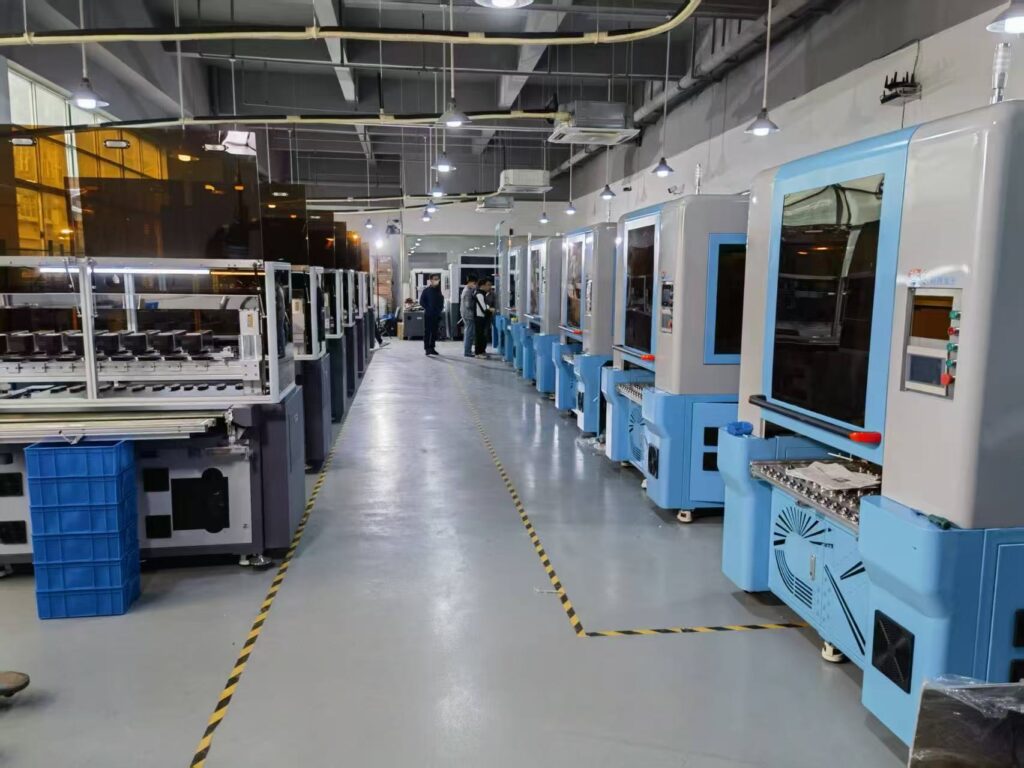
Para dar respuesta a la amplia variedad de superficies que pueden limpiarse con láser, Super Fast Laser Technology Co., Ltd. ha desarrollado una completa gama de soluciones de hardware. Nuestro equipo especializado en I+D y nuestra planta de producción en Shenzhen garantizan que nos mantengamos a la vanguardia de la fabricación de equipos láser, tanto a nivel nacional como internacional.
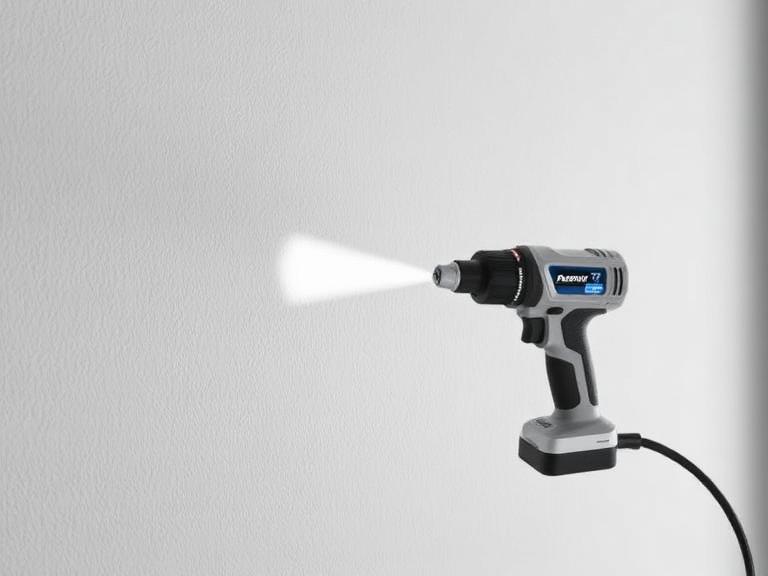
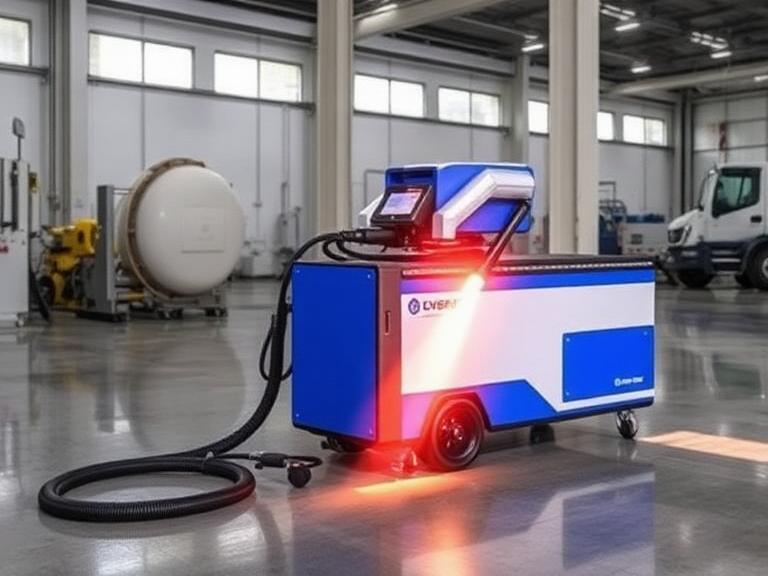
Para un mantenimiento versátil y sobre la marcha, ofrecemos el Máquina manual de limpieza láser. Esta unidad ergonómica permite a los operarios tratar manualmente geometrías complejas, lo que la hace ideal para la eliminación de óxido en astilleros, la preparación localizada de soldaduras y el mantenimiento de infraestructuras a gran escala. A la hora de determinar qué superficies pueden limpiarse con láser de forma manual, esta máquina ofrece una flexibilidad sin igual.
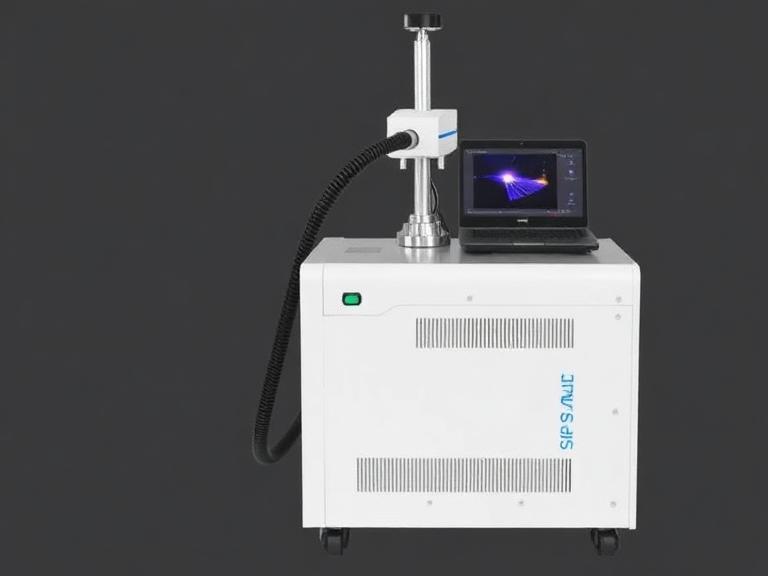
Para tareas industriales repetitivas y de alta precisión, nuestro Máquina automática de limpieza láser de moldes de 6 ejes integra la articulación robótica con la ablación de alta potencia. Esto garantiza que las superficies complejas y multidimensionales de los moldes puedan limpiarse con láser con uniformidad matemática, eliminando la variabilidad propia de la intervención humana.
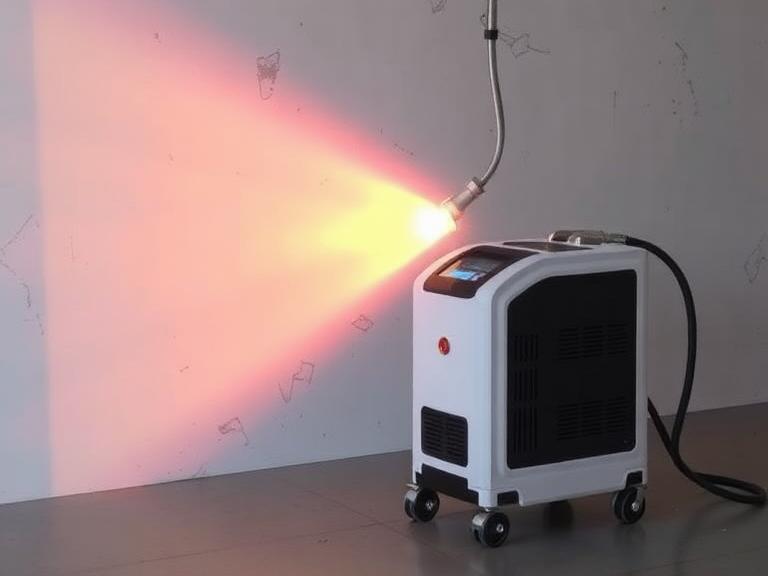
En el sector de la automoción, hemos desarrollado el Pastillas de freno de transmisión automática Equipo de limpieza láser. Esta célula especializada está diseñada para integrarse directamente en las líneas de montaje de automóviles, procesando miles de componentes de fricción por hora sin generar residuos químicos.
Por último, somos conscientes de que los entornos de fabricación únicos plantean retos nuevos. Si no estás seguro de si tus superficies específicas y exclusivas pueden limpiarse con láser, nuestro equipo de ingeniería te ofrece un Solución automática personalizada. Analizaremos sus sustratos en nuestro laboratorio, determinaremos la longitud de onda, la densidad de potencia y la duración del pulso óptimas, y construiremos un pórtico automatizado o una célula robótica a medida, adaptados exactamente a su flujo de trabajo de producción.
7. Tabla resumen: Matriz de compatibilidad de superficies
| Material base | Contaminante objetivo | ¿Se puede limpiar con láser? | Recomendación sobre láseres ultrarrápidos |
|---|---|---|---|
| Acero al carbono / Hierro | Óxido intenso, cascarilla de laminación, pintura | Sí (Excelente) | Máquina de limpieza láser portátil (alta potencia) |
| Aleaciones de aluminio | Óxidos, aceites para antes de la soldadura | Sí (Excelente) | Solución automática a medida (fibra pulsada) |
| Moldes de inyección (acero/aluminio) | Residuos de polímeros, agentes desmoldeantes | Sí (Excelente) | Máquina automática de limpieza láser de moldes de 6 ejes |
| Piezas de fricción para el sector de la automoción | Aceites para estampación, adhesivos de unión | Sí (Excelente) | Pastillas de freno de transmisión automática Equipo de limpieza láser |
| Piedra histórica / Mármol | Cortezas de carbono, biocrecimiento | Sí (requiere precisión) | Máquina de limpieza láser manual (ajustes de baja fluencia) |
| Cobre altamente reflectante | Pátina, oxidación | Sí (con precaución) | Consulte con I+D las configuraciones específicas de longitud de onda |
8. Preguntas más frecuentes (FAQ)
¿Hay alguna superficie que NO pueda limpiarse con láser?
Aunque se puede limpiar con láser una enorme variedad de superficies, los materiales muy transparentes (como el vidrio puro o los acrílicos transparentes) pueden ser un reto porque el rayo láser los atraviesa sin interactuar con los contaminantes de la superficie, a menos que se utilicen longitudes de onda específicas (como UV o CO2). Además, algunos plásticos muy sensibles pueden fundirse si su umbral de ablación es inferior al del contaminante.
¿La limpieza láser daña el metal subyacente?
No. Cuando se calibra correctamente, la limpieza por láser es totalmente no destructiva. Dado que el láser utiliza pulsos cortos de alta energía, el contaminante se vaporiza antes de que la energía térmica pueda conducirse al metal base. Según nuestra experiencia, el metal base permanece frío al tacto inmediatamente después del tratamiento.
¿Es segura la limpieza láser para los operarios?
Sí, siempre que se sigan los protocolos estándar de seguridad láser. Los operarios deben llevar gafas de seguridad láser adecuadas y calibradas para la longitud de onda específica de la máquina. Además, dado que el proceso vaporiza contaminantes, recomendamos utilizar un sistema integrado de extracción de humos para capturar cualquier partícula en suspensión en el aire.
9. Referencias de la industria
Para comprender mejor la física y el cumplimiento industrial de las tecnologías de ablación por láser, recomendamos consultar las siguientes fuentes autorizadas: