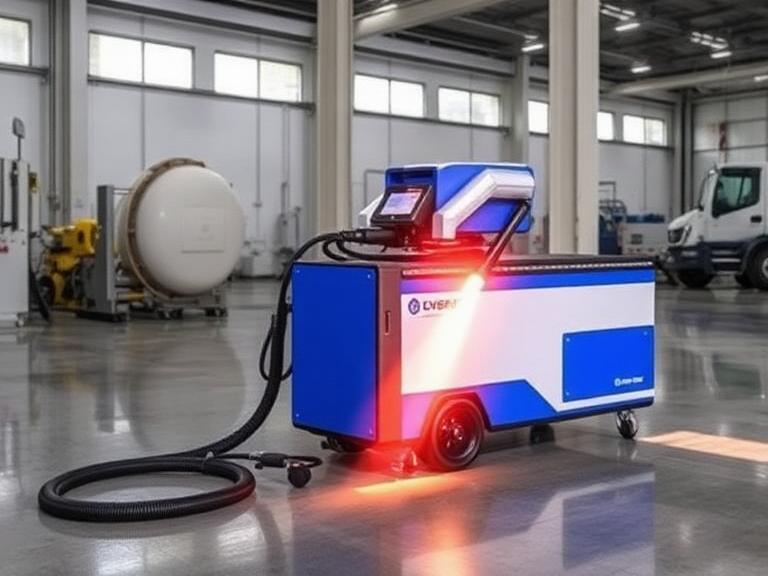
- Ziva@CKlasersz.com
- WeChat:86-13138536413
- 400-168-9906
- 0755 27084852






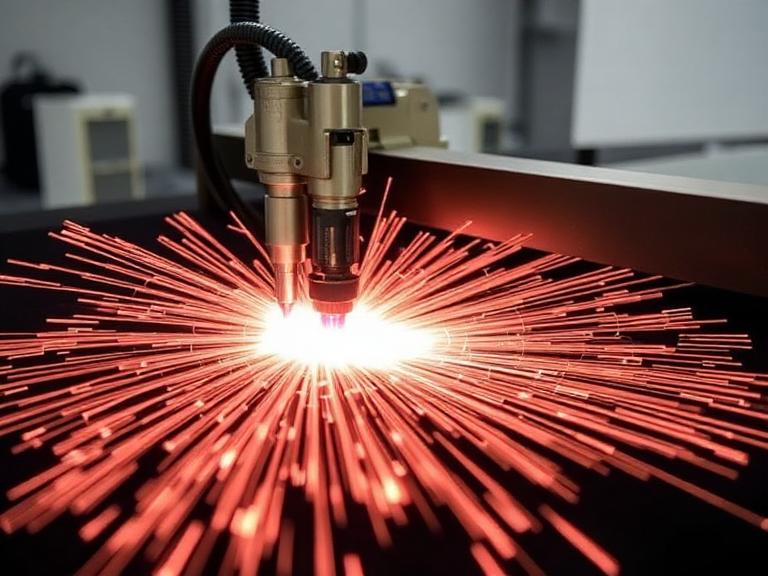
Endüstriyel yüzey hazırlığı, dağınık kimyasal banyolar ve tahrip edici kum püskürtme yöntemlerinden, lazer ablasyonunun zarif hassasiyetine geçiş yapmıştır. Yüksek enerjili bir lazer ışınının, on yıllardır birikmiş pası, hadde kabuğunu veya zehirli epoksi kaplamaları milisaniyeler içinde buharlaştırmasını izlemek, yadsınamaz bir tatmin duygusu yaratır. Ancak bu olağanüstü temizlik verimliliği, beraberinde büyük bir sorumluluk da getirir. Yüksek güçlü endüstriyel temizlik lazerleri, sıkı düzenleyici çerçeveler kapsamında Sınıf 4 lazer ürünleri olarak sınıflandırılır. Bu sınıflandırma, yayılan radyasyonun hem gözler hem de cilt için ciddi bir tehlike oluşturduğunu, tek bir sapma yansımasından kalıcı körlüğe neden olabileceğini veya yanıcı giysilerde lokalize termal yanmaya yol açabileceğini ifade eder.
Birçok atölye sorumlusu ve satın alma müdürü, temel atölye bilgisinin yeterli olduğunu varsayarak, el tipi lazer tabancalarını yanlışlıkla standart basınçlı yıkama makineleri gibi ele almaktadır. Bu kayıtsız zihniyet, işyeri kazalarının ve ekipman hasarlarının başlıca nedenlerinden biridir. Deneyimlerimize göre, kazasız ve yüksek verimli bir lazer temizleme departmanı oluşturmak için temel operasyonel eğitimin ötesine geçerek, tam fiziksel muhafaza önlemleri, özel hava arıtma sistemleri ve sıkı erişim protokollerini uygulamak gerekir. Süper Hızlı Lazer Merkezi Shenzhen’de bulunan Technology Co., Ltd., şu anda lazer temizleme makinelerinin Ar-Ge, üretim ve satışına odaklanan ilk yerli üreticidir. Kendi Ar-Ge ekibine ve üretim fabrikasına sahip olan şirket, lazer temizleme alanında lider konumdadır. Bu kapsamlı mühendislik incelemesinde, iş gücünüzü ve işletme varlıklarınızı tam olarak korumak için lazer temizleme makinelerini kullanırken alınması gereken 5 temel güvenlik önlemini ayrıntılı olarak ele alıyoruz.
İçindekiler
- 1. Lazer Tehlikesi Sınıflandırması ve Risk Azaltma Matrisi
- 2. Önlem 1: Dar Bant Sertifikalı Gözlüklerle Göz Koruması
- 3. Önlem 2: Tamamen Kontrollü Erişim Ortamları (Lazer Kontrollü Alan)
- 4. Önlem 3: Yüksek Verimli Submikron Duman Emme ve Filtreleme
- 5. Önlem 4: İş Parçası Malzeme Analizi ve Yangın Riskinin Azaltılması
- 6. Önlem 5: Titiz, Çok Aşamalı Çalıştırma Öncesi Muayene ve Kilitleme Kontroller
- 7. Gelişmiş Temizlik Ürünlerinin Verimli Bir Şekilde Tedarik Edilmesi ve Kullanılması
- 8. Sıkça Sorulan Sorular (SSS)
- 9. Teknik Kaynaklar ve Küresel Güvenlik Standartları
Lazer Tehlike Sınıflandırması ve Risk Azaltma Matrisi
Kapsamlı kurumsal güvenlik kılavuzlarının hazırlanmasına yardımcı olmak amacıyla, aşağıdaki genel bakış tablosunda lazerli temizleme makinesi konfigürasyonlarının çalıştırılması sırasında karşılaşılan temel fiziksel tehlikeler, bunların altında yatan hasar mekanizmaları ve gerekli donanım önlemleri kategorilere ayrılmıştır.
| Birincil Tehlike Kategorisi | Temel Hasar Mekanizması | 4. Sınıf Tehdit Seviyesi | Zorunlu Donanım Mühendisliği Tez Savunması |
|---|---|---|---|
| Doğrudan ve Dağınık Işınım | Retina yanığı, kalıcı körlük, cilt lezyonları | Aşırı (Anlık hasar) | Optik Yoğunluk (OD) 6+ derecesine sahip sertifikalı gözlükler |
| Havadaki Ablasyon Dumanları | Zehirli metal oksitlerin ve mikron altı tozun solunması | Yüksek (Kronik solunum riski) | Çok aşamalı HEPA ve aktif karbonlu duman emiciler |
| Speküler ve Difüz Yansıma | Son derece parlak geometrilerdeki sapma ışınlarının yansıması | Şiddetli (Yönü öngörülemez) | Opak, birbirine kenetlenen bariyer perdeleri, mat arka planlar |
| Termal Yanma | Yakındaki çözücü kalıntılarının veya giysi liflerinin alev alması | Orta ila Yüksek | Alev geciktirici KKD, yerel yangın söndürme ekipmanı |
| Elektriksel Deşarj | Darbeli kondansatör grupları yoluyla oluşan yüksek gerilim ark şoku | Ciddi (Bakım sırasında ölümcül sonuçlara yol açma potansiyeli) | Sıkı Kilitleme/Etiketleme (LOTO) protokolleri, topraklanmış şasi |
1. Önlem 1: Dar Bant Sertifikalı Gözlüklerle Göz Koruması
İnsan gözü, endüstriyel lazer dalga boylarına karşı inanılmaz derecede hassastır. Yüksek güçlü lazer temizleme sistemleri genellikle yakın kızılötesi spektrumda, yaygın olarak 1064 nanometre civarında çalışan fiber lazer kaynakları kullanır. Bu ışık insan gözü için tamamen görünmez olduğundan, operatörler maruz kalmaktan korunmak için doğal göz kırpma reflekslerine güvenemezler. Kaçak bir yansıma, kornea ve mercekten geçerek anında retinaya odaklanabilir ve operatör bir sapma olduğunu fark etmeden önce göz dokusuna zarar verebilir.
Standart renkli atölye gözlükleri veya genel amaçlı kaynak maskeleri, görünmez lazer dalga boylarına karşı kesinlikle hiçbir koruma sağlamaz. Lazer kaynağınızın tam nanometre aralığına (genellikle 1030 nm ila 1090 nm) göre özel olarak kalibre edilmiş, minimum Optik Yoğunluk 6 veya daha yüksek (OD6+) değerine sahip sertifikalı lazer güvenlik gözlüklerinin kullanımını zorunlu kılmanızı öneririz. Ayrıca, güvenlik sorumluları gözlüklerin durumunu haftalık olarak denetlemelidir; koruyucu kaplamasında çizikler, çerçevede çatlaklar veya yapısal boşluklar bulunan gözlükler derhal imha edilmelidir. Aşağıdaki gibi özel çözümler değerlendirilirken darbeli lazerli temizleme makinesi çözümleri, ekibinizin birbiriyle uyumlu sertifikalı gözlükler kullanmasını sağlamak, atölyenin güvenli bir şekilde işletilmesi için mutlak temel şarttır.
2. Önlem 2: Tamamen Kontrollü Erişim Ortamları (Lazer Kontrollü Alan)
Lazer temizleme makinesi ekipmanını kullanırken, tehlike bölgesi fiziksel ablasyon noktasının çok ötesine uzanır. Nominal Tehlike Bölgesi (NHZ) — doğrudan, yansıyan veya saçılan lazer radyasyonunun Maksimum İzin Verilen Maruz Kalma sınırını aştığı hesaplanan sınır — kolaylıkla birkaç metreye kadar uzanabilir. Bu, açık bir fabrika zemininde el tipi bir lazer tabancasını çalıştırmanın bile, o bölgedeki her bir çalışanı göz hasarı riskine maruz bıraktığı anlamına gelir.
Özel, tamamen kapalı bir Lazer Kontrollü Alan (LCA) oluşturulmasını tavsiye ederiz. Bu alan, 1064 nm dalga boylarını tamamen engelleyen opak, alev geciktirici bariyerler veya özel lazer perdeleri kullanılarak inşa edilmelidir. Giriş kapıları, lazer jeneratörünün acil durum devresine doğrudan bağlı otomatik elektronik kilitleme sistemlerine sahip olmalıdır. Sistem çalışırken yetkisiz bir kişi kapıyı açarsa, kilitleme sistemi anında ışın gücünü keser. Ayrıca, muhafaza içinde aktif lazer işleme yapıldığını personele bildirmek için her giriş noktasına açık uyarı işaretleri ve otomatik kırmızı flaş ışıkları yerleştirilmelidir.
3. Önlem 3: Yüksek Verimli Submikron Duman Emme ve Filtreleme
Lazerle temizleme, hızlı termal ablasyon yoluyla gerçekleşir: Işının yoğun enerjisi, yüzeydeki kirletici maddeleri hızla kaynama noktalarına kadar ısıtır ve bunları buharlaştırarak havada asılı bir bulut haline getirir. Bu süreç, yoğun bir tehlikeli duman bulutu, ultra ince metalik toz ve mikroskobik kimyasal parçacıklar üretir. Bu havada asılı parçacıkları solumak, özellikle toksik kurşun bazlı astar boyaları, altı değerlikli krom kaplamaları veya ağır endüstriyel gresleri temizlerken ciddi kronik solunum riskleri oluşturur.
Bu tehlikeli parçacıkları güvenli bir şekilde yakalamak için, yüksek vakumlu, özel bir duman emme nozulunu lazer temizleme tabancasının hemen yanına yerleştirmelisiniz. Standart atölye havalandırması veya basit zemin fanları, zehirli parçacıkları daha geniş bir çalışma alanına yaymaktan başka bir işe yaramaz. İlk aşamada kıvılcım önleyici bir ön filtre, 0,3 mikrona kadar olan partiküllerin ,97%'sini yakalayacak şekilde derecelendirilmiş yüksek verimli bir HEPA filtre ve zararlı kimyasal buharları emmek için derin yataklı bir aktif karbon gaz filtresi ile donatılmış endüstriyel çok aşamalı emme sistemlerinin kullanılmasını öneririz. Bu filtreleri düzenli olarak değiştirmek, akış kısıtlamalarını önler ve emme sisteminizin verimli bir şekilde çalışmasını sağlar.
Deneyimlerimize göre: Kalın denizcilik amaçlı kirlenme önleyici boya katmanlarını veya ağır epoksi polimerlerini sıyırırken ortaya çıkan ince toz, son derece yanıcı olabilir. Sıcak metalik kıvılcımların, emme ünitesinin içindeki ana filtre elemanını tutuşturmasını önlemek için, dahili kıvılcım tutucu hazneye sahip bir duman emici temin edilmesi hayati önem taşır.
4. Önlem 4: İş Parçası Malzeme Analizi ve Yangın Riskinin Azaltılması
Yüksek güçlü bir lazer ışını ile alt tabaka arasındaki etkileşim, hem hedef kaplamanın hem de altta yatan metalin kimyasal bileşimine büyük ölçüde bağlıdır. Herhangi bir temizleme işlemine başlamadan önce, operatörler iş parçası malzemesini kapsamlı bir şekilde analiz etmelidir. Cilalı bakır, pirinç veya işlenmemiş alüminyum gibi yüksek yansıtıcı metalleri uygun ışın açısı ayarlanmadan ablasyona tabi tutmaya çalışmak, metal yüzeyden doğrudan seken yüksek enerjili speküler yansımalara neden olabilir; bu da yakındaki plastik bağlantı parçalarını hızla eritebilir veya hassas fiber optik kablolara zarar verebilir.
Ayrıca, lazerle temizlik sırasında ortaya çıkan ani ısı, çalışma alanı uygun şekilde hazırlanmamışsa ciddi bir yangın riski oluşturabilir. Operatörler, aktif temizlik alanından tüm uçucu çözücüleri, aerosol kutularını ve yanıcı bezleri uzaklaştırmalıdır. Işının yüksek enerjisi, kurumuş yağ birikintilerini veya toz tabakalarını hızla tutuşturabilir. Operatörler, alev geciktirici giysiler giymeli, ısı altında doğrudan cilde yapışarak eriyebilecek sentetik kumaşlardan kaçınmalı ve acil durumlarda hızlı erişim için lazer muhafazasının hemen dışına sertifikalı bir ABC sınıfı yangın söndürücünün monte edildiğinden emin olmalıdır.
5. Önlem 5: Titiz, Çok Aşamalı Çalıştırma Öncesi Denetim ve Kilitleme Kontroller
Karmaşık endüstriyel makineler, insan hatasına ve temel bileşenlerin aşınmasına karşı hâlâ savunmasızdır. Kirli bir alan merceği veya hasarlı bir fiber iletim kablosu ile lazer temizleme sistemini çalıştırmak, ani ve tehlikeli enerji deşarjlarına yol açabilir. Koruyucu mercek penceresine toz birikirse, lazer enerjisini geçirmek yerine emerek optik camın termal şok nedeniyle parçalanmasına ve ışın yolunun bozulmasına neden olur.
Her çalışma vardiyası, yapılandırılmış ve çok aşamalı bir çalışma öncesi güvenlik kontrolüyle başlamalıdır. Aşağıdaki kontrol listesi, operatörlerin lazer kaynağını devreye almadan önce gerçekleştirmeleri gereken zorunlu doğrulama adımlarını ayrıntılı olarak göstermektedir:
- Optik Lens Denetimi: Koruyucu camı, temiz ve açılı bir ışık altında inceleyerek toz lekeleri, mikro çukurlar veya film kalıntıları olup olmadığını kontrol edin. Gerekirse reaktif sınıfı izopropil alkol ile temizleyin.
- Göbek Kablosu Muayenesi: Fiber optik dağıtım kablosunun tüm uzunluğu boyunca kontrol edin ve dış koruyucu kılıfta sıkı bükülmeler, belirgin sıkışma izleri veya kesikler bulunmadığından emin olun.
- Acil Durdurma ve Kilitleme Testi: Düşük güçlü bir test ışını mat bir hedef plakasına yöneltin ve gücün anında kesildiğini doğrulamak için kapı kilitleme anahtarını kasıtlı olarak devreye sokun.
- Soğutma Ünitesi Doğrulaması: Lazer jeneratörünün iç kısmında yerel termal hasar oluşmasını önlemek için su soğutucusundaki iç deiyonize su seviyelerini ve akış değerlerini kontrol edin.
Gelişmiş Temizlik Ürünlerinin Verimli Bir Şekilde Tedarik Edilmesi ve Kullanılması
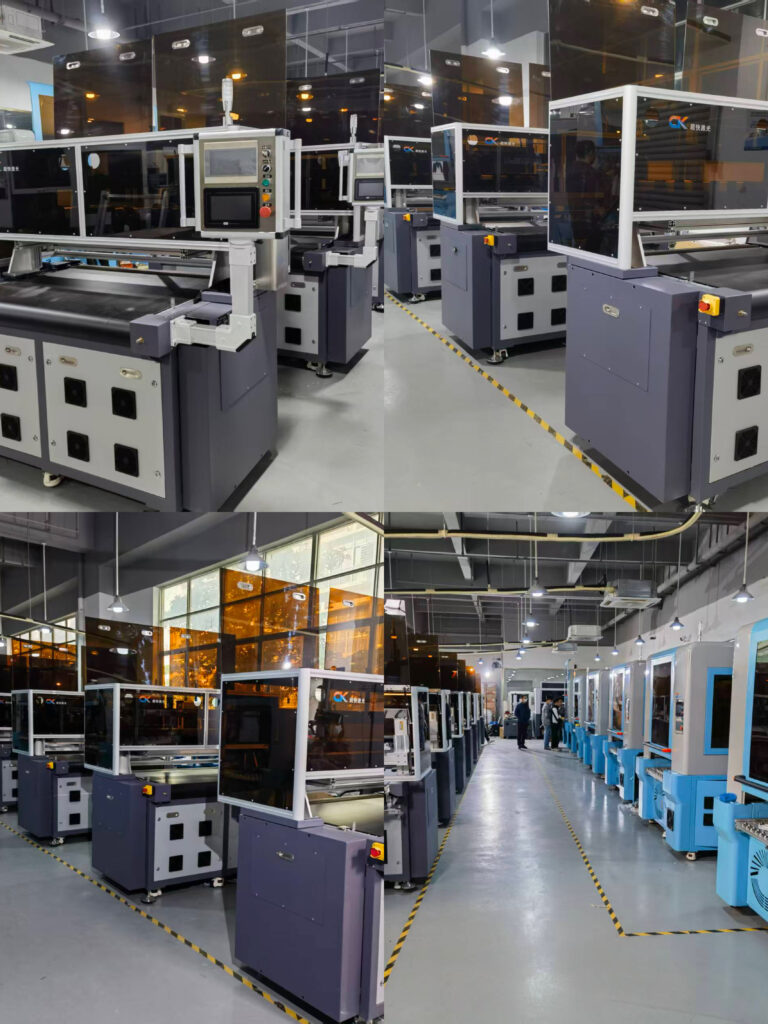
Bu sıkı güvenlik önlemlerini günlük üretim hatlarınıza entegre etmek, ekibinizin çalışanları korumasına yardımcı olurken, lazer teknolojisinin operasyonel avantajlarını da en üst düzeye çıkarır. Saha bakımı için mobil ekipmana ihtiyaç duyan tesisler için, mevcut seçenekleri incelemek taşınabilir lazer pas giderici seçenekleri Çift etkinleştirmeli el anahtarları ve temas sensörleri gibi sağlam yerleşik güvenlik mekanizmalarıyla donatılmış çevik donanım platformlarını temin etmenize yardımcı olabilir.
Özel bir yüzey hazırlama departmanı kurmayı veya genişletmeyi planlarken, yönetim ekibiniz başlangıç sermaye maliyetlerini uzun vadeli işletme maliyetleriyle dikkatli bir şekilde dengelemelidir. Mevcut durumu gözden geçirmek endüstriyel lazer pas giderme makinesi fiyatı Bu kılavuz, tedarik ekiplerinin birincil lazer donanımının yanı sıra endüstriyel duman emiciler ve kilitli oda bariyerleri gibi temel yardımcı güvenlik ekipmanları için bütçe ayırmalarına yardımcı olur. Belirli bölgesel güvenlik düzenlemelerine uymak zorunda olan uluslararası işletmeler için, örneğin bir Kanada 2025 lazer temizleme makinesi yapılandırması, CSA ve yerel iş sağlığı standartlarına uygunluğu garanti eder.
Bir sistemi tamamen satın almanın bütçeye uymadığı kısa vadeli projeler veya endüstriyel test programları için, geçici ekipman kiralama ücretlerini takip etmek pratik bir alternatiftir. Özel bir Avustralya'da lazer pas temizleyici kiralama ücreti Bu genel bakış, saha mühendislerinin tam bir sistem satın almaya karar vermeden önce yerel mevzuat kuralları çerçevesinde sahada yüzey testleri gerçekleştirmelerine olanak tanır. Tanınmış bir küresel markadan yüksek kaliteli makineleri seçerek 2026 Endüstriyel Lazer Temizleyiciler Kılavuzu, üretim ekibiniz temiz ve yüksek hassasiyetli yüzey ablasyon iş akışlarını güvenle uygulayabilir.
Yüzey hazırlama hatlarını yenilemek isteyen büyük ölçekli üretim tesisleri için, birinci sınıf bir şirket gibi deneyimli bir sektör uzmanıyla iş birliği yapmak Endüstriyel Lazer Temizleme Makinesi Üretici, ekipmanınızın en yüksek işyeri güvenlik standartlarını korurken tutarlı bir performans sergilemesini sağlar.
Sıkça Sorulan Sorular
Şeffaf UV kürleme işlemlerinde kullanılan standart güvenlik gözlükleri, operatörü temizleme lazerinden koruyabilir mi?
Kesinlikle hayır. Şeffaf UV gözlükleri veya standart atölye darbe gözlükleri, 1064 nm'lik yakın kızılötesi lazer dalga boylarına karşı hiçbir koruma sağlamaz. Temizleme makinenizin belirli nanometre dalga boyunu engellemek üzere tasarlanmış, sertifikalı boya formülleri veya yansıtıcı kaplamalara sahip özel lazer güvenlik gözlükleri kullanmanız gerekir.
Temizlik tabancasındaki koruyucu alan merceği iş sırasında kirlenirse ne olur?
Koruyucu camın üzerine toz veya kalıntı birikirse, optik parça lazer ışınını geçirmek yerine ondan enerji emer. Bu durum, sıcaklığın hızla yükselmesine neden olur; bu da koruyucu cam pencerenin kırılmasına yol açarak ışın profilini bozabilir ve tabanca gövdesi içindeki pahalı odaklama optiklerine zarar verebilir.
Diğer çalışanların da bulunduğu açık bir atölye alanında el tipi lazer temizleme sistemini kullanmak güvenli midir?
Hayır, bu son derece tehlikelidir ve temel endüstriyel güvenlik standartlarını ihlal eder. El tipi temizleme lazerleri, metal parçalardan gelen öngörülemez dağınık yansımalar nedeniyle birkaç metreye kadar uzanabilen bir nominal tehlike bölgesi oluşturur. Yakındaki çalışanları korumak için temizleme sistemini, bu amaçla ayrılmış ve kilitli bir muhafaza içinde izole etmeniz gerekir.
Lazer ablasyon çalışmaları için neden özel bir çok aşamalı duman emici gereklidir?
Lazer ablasyonu, yüzey kaplamalarını anında buharlaştırarak boyaları, yağları ve pası mikron altındaki ince metalik tozlara ve karmaşık kimyasal gazlara dönüştürür. Standart atölye vantilatörleri, bu zehirli parçacıkları odanın her yerine yayar. Çok aşamalı bir HEPA ve karbon filtreleme sistemi ise bu havada asılı tehlikeli maddeleri kaynağında yakalar ve etkisiz hale getirir.
Teknik Referanslar ve Küresel Güvenlik Standartları
1. ANSI Z136.1: Lazerlerin Güvenli Kullanımına İlişkin Amerikan Ulusal Standardı – Kontrol Önlemleri ve Nominal Tehlike Bölgesi Hesaplamaları.
2. Uluslararası Elektroteknik Komisyonu – IEC 60825-1: Lazer Ürünlerinin Güvenliği – Bölüm 1: Ekipman Sınıflandırması ve Gereklilikler.
3. İş Güvenliği ve Sağlığı İdaresi (OSHA) – Teknik El Kitabı Bölüm III: 6. Bölüm: Lazer Tehlikeleri ve Çalışma Alanı İzolasyon Protokolleri.
4. Super Fast Laser Technology Co., Ltd. – Sınıf 4 Fiber Lazer Işınının Saptırılması ve Ablasyon Risk Yönetimi Konulu Şirket İçi Mühendislik Arşivleri ve Araştırma Veritabanı.
5. Otomatik Donanım Üretimi ve Hassas Kontroller: Endüstriyel Lazer Kontrol Kartları için PCBA Montaj Hizmetleri