- Ziva@CKlasersz.com
- WeChat:86-13138536413
- 400-168-9906
- 0755 27084852






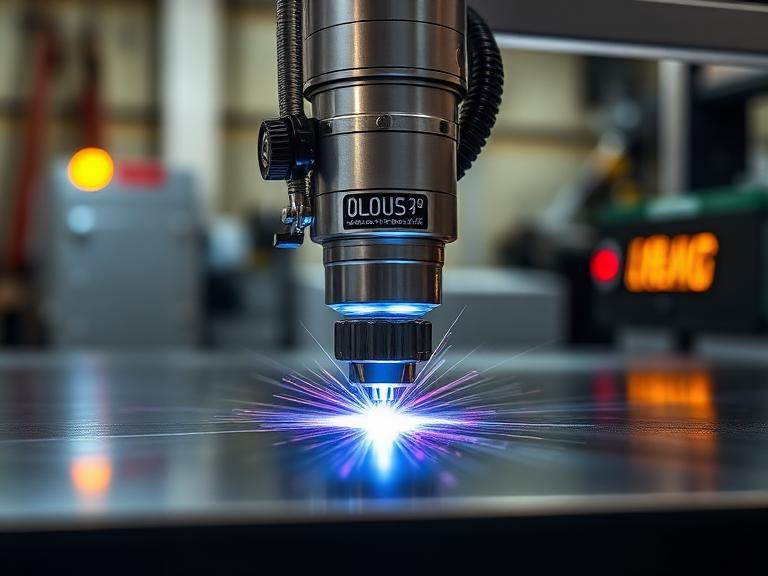
Hızla gelişen endüstriyel yüzey hazırlığı alanında, lazer ablasyon teknolojisi pas giderme, boya sıyırma ve malzeme temizliği için en verimli, çevre dostu ve hassas yöntem olarak öne çıkmıştır. Ağır sanayi, otomotiv restorasyon şirketleri ve havacılık ve uzay üreticileri geleneksel kum püskürtme ve kimyasal çözücülerden uzaklaşırken, tedarik sürecinde sürekli olarak şu kritik soru gündeme gelmektedir: Lazer temizleyicilerin ömrü ne kadardır?
At Süper Hızlı Lazer, Shenzhen’de bulunan şirketimiz olarak, bu sorunun finansal ve operasyonel öneminin farkındayız. Şu anda, lazer temizleme makinelerinin araştırma, geliştirme, üretim ve satışına tamamen odaklanan ilk yerli üreticiyiz. Kendini bu alana adamış Ar-Ge ekibimiz ve bağımsız üretim tesisimiz sayesinde, lazer temizleme alanında lider bir konuma sahibiz. Bu yüksek teknolojili sistemleri tasarlama, test etme ve dünya çapında kullanıma sunma konusundaki deneyimlerimizden yola çıkarak, ekipmanınızın kullanım ömrünü anlamanın sağlam bir yatırım getirisinin temeli olduğunu biliyoruz. Lazer temizleyicilerin ne kadar dayandığı sorusunun cevabı tek bir rakamla verilemez; bunun yerine katı hal lazer kaynağı, optik bileşenler, termal yönetim sistemleri ve günlük kullanım alışkanlıkları arasındaki karmaşık etkileşimi incelemek gerekir.
Bu kapsamlı ve güvenilir kılavuzda, bu makinelerin mekanik ve optik ömürlerini ayrıntılı olarak inceleyeceğiz. Fiber lazer jeneratörlerinin dayanıklılığını, koruyucu lenslerin bakımını ve uygun çalışma ortamlarının, lazer temizleyicilerin gerçek hayattaki ağır hizmet uygulamalarında tam olarak ne kadar süre dayanacağını nasıl belirlediğini ele alacağız.
İçindekiler
- 1. Temel Ömür: Lazer Temizleyicilerin Yapısal Ömrü Ne Kadardır?
- 2. Fiber Optik ve Lazer Türleri: Sürekli Dalgalı (CW) ve Darbeli
- 3. Ekipman Ömrünü Etkileyen Temel Faktörler
- 4. Özet Tablo: Ana Bileşenlerin Beklenen Ömürleri
- 5. Deneyimlerimize Göre: Makinenizin Ömrünü En Üst Düzeye Çıkarma
- 6. Karlılık ve Sürdürülebilirlik: İşletme Açısından Bir Bakış
- 7. Ekipmanın Uzun Ömürlülüğü İçin Doğru Üreticiyi Seçmek
- 8. Sıkça Sorulan Sorular (SSS)
- 9. Kaynakça ve Sektör Standartları
1. Temel Ömür: Lazer Temizleyicilerin Yapısal Ömrü Ne Kadardır?
Müşteriler bize lazer temizleyicilerin ömrünün ne kadar olduğunu sorduklarında, esasen makinenin “kalbi” olan lazer jeneratörünü kastederler. Modern endüstriyel lazer temizleyiciler, büyük çoğunlukla fiber lazer teknolojisini kullanmaktadır. Sık sık hizalama, gaz dolumu ve flaş lambası değişimi gerektiren eski gaz (CO2) veya kristal (Nd:YAG) lazerlerin aksine, katı hal fiber lazerler dayanıklılık açısından devasa bir sıçrama sunmaktadır.
Yüksek kaliteli bir fiber lazer kaynağı için endüstri standardı olan Arıza Arası Ortalama Süre (MTBF), yaklaşık 100.000 çalışma saatidir. Bunu daha net bir şekilde ifade etmek gerekirse, makineyi günde 8 saat, haftada 5 gün ve yılda 50 hafta çalıştırırsanız, yıllık toplam 2.000 saat çalıştırmış olursunuz. Bu hızda, lazer kaynağı, güç çıkışında ciddi bir düşüş yaşanmadan 50 yıla kadar dayanacak şekilde tasarlanmıştır. Bu nedenle, lazer temizleyicilerin ne kadar uzun ömürlü olduğunu değerlendirirken, ışık üreten ana diyot modülleri, makinenin genel kullanım ömrü açısından nadiren sınırlayıcı bir faktör oluşturur.
2. Fiber Optik ve Lazer Türleri: Sürekli Dalgalı (CW) ve Darbeli
Lazer kaynaklarının türleri arasında ayrım yapmak son derece önemlidir, zira bu durum bileşenlerdeki gerilimi ve bakım programlarını etkiler. Sürekli Dalga (CW) lazerler sabit bir enerji akışı sağlar ve genellikle kalın pas ve yoğun kireç birikintilerinin temizlenmesinde kullanılır. Darbeli lazerler ise kısa, yüksek enerjili patlamalar üretir ve tarihi eserler veya havacılık alüminyumu gibi hassas yüzeyler için idealdir.
Darbeli Lazer Ömrü
Darbeli lazer sistemleri, karmaşık ana osilatör güç amplifikatörü (MOPA) mimarilerini veya Q-anahtarlı tasarımları kullanır. Bu sistemler çok yüksek tepe güç dalgalanmalarını işlediğinden, dahili optik izolatörler ve diyotlar önemli ölçüde termal döngüye maruz kalır. Bu zorlu koşullara rağmen, sektör liderleri tarafından üretilen en üst düzey darbeli sistemler hâlâ 100.000 saatlik olağanüstü bir performans standardına ulaşmaktadır. Sürekli termal birikimin olmaması hem altta yatan malzemeyi hem de lazer iletim kafasını koruduğu için, alt tabakanın korunmasına öncelik veren işletmeler için darbeli sistemleri öneriyoruz.
Sürekli Dalga (CW) Lazer Ömrü
CW lazerler genellikle iç mimarisi açısından daha basittir; bu da doğal olarak olası arıza noktalarının sayısını azaltır. Ancak, sürekli enerji yaydıkları için, harici soğutma sistemi (soğutucu) ve son odaklama optikleri üzerindeki termal yük çok daha yüksektir. Lazer temizleyicilerin sürekli ve ağır hizmet gerektiren tersane uygulamalarında ne kadar dayanacağını merak ediyorsanız, bunun cevabı büyük ölçüde CW kaynağını optimum çalışma sıcaklığında tutan su soğutucu ünitesinin titiz bir şekilde bakımının yapılmasına bağlıdır.
3. Ekipman Ömrünü Etkileyen Temel Faktörler
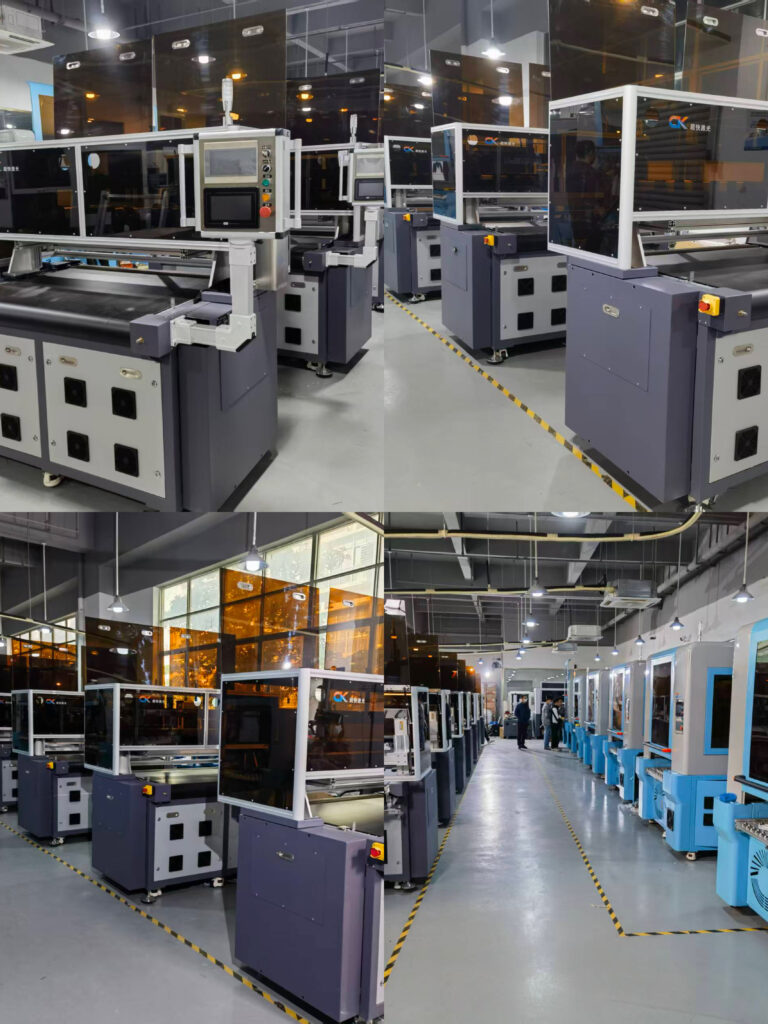
Bir fiber lazer kaynağının teorik ömrü çok uzun olsa da, soğutma sistemi, lazer tabancası, fiber optik kablo ve kontrol yazılımı dahil olmak üzere tüm ünitenin pratik ömrü, çeşitli çevresel ve operasyonel değişkenlere bağlıdır. Lazer temizleyicilerin ömrünü en üst düzeye çıkarmak istiyorsanız, aşağıdaki faktörleri kontrol etmeniz gerekir.
Çalışma Ortamı ve Partikül Kirlenmesi
Lazerle temizleme işlemi doğası gereği buharlaşmış pas, boya ve havada asılı partiküller üretir. Lazer temizleyicinin en hassas parçası, galvanometre aynalarını ve odaklama merceklerini barındıran optik çıkış kafasıdır (lazer tabancası). Mikroskobik toz, sızdırmaz optik boşluğa girerse, yüksek güçlü lazer ışını tozu anında mercek yüzeyine yapıştırır. Bu durum, termal mercekleşmeye, mercek çatlamasına ve geriye doğru yansımaya neden olur; bu da ana lazer kaynağını kalıcı olarak tahrip edebilir. Makineyi yüksek verimli duman emicilerle birlikte kullanmak, optik bileşenlerin ömrünü önemli ölçüde uzatır.
Isı Yönetimi ve Soğutucu Bakımı
Yüksek watt'lı lazer temizleyiciler (genellikle 1000 W ve üzeri) aktif su soğutması gerektirir. Lazer kaynağının kullanım ömrü, endüstriyel soğutucunun performansıyla ayrılmaz bir şekilde bağlantılıdır. Soğutma suyu yosun veya mineral birikintileriyle kirlenirse, soğutma verimliliği düşer ve bu da diyotun aşırı ısınmasına yol açar. Soğutucunuzdaki damıtılmış veya deiyonize suyu üç ayda bir değiştirmenizi ve kondansatör toz filtrelerini düzenli olarak temizlemenizi öneririz.
Kablo Bütünlüğü
Zırhlı fiber optik iletim kablosu, jeneratör ile el tabancası arasındaki fiziksel yaşam hattıdır. Kalın Kevlar ve çelik örgü ile korunmasına rağmen, üreticinin belirlediği minimum bükülme yarıçapının ötesinde aşırı bükülme, ezilme veya bükülme, iç kısımdaki kuvars fiberin kopmasına neden olur. Fiber koptuğunda, tüm kablonun ve genellikle lazer kaynağının da önemli bir maliyetle değiştirilmesi gerekir.
4. Özet Tablo: Ana Bileşenlerin Beklenen Ömürleri
Lazer temizleyicilerin bileşen bazında ne kadar süre dayandığını net ve pratik bir şekilde ortaya koymak amacıyla, kapsamlı üretim ve servis verilerimize dayanarak aşağıdaki özet tabloyu hazırladık.
| Bileşen | Beklenen Ömür | Arızanın Başlıca Nedeni | Bakım Önerisi |
|---|---|---|---|
| Fiber Lazer Jeneratörü (Kaynak) | 100.000 saat (~10-50 yıl) | Aşırı ısınma, yüksek yansıtıcı metallerin neden olduğu geri yansıma | Soğutucunun düzgün çalıştığından emin olun; alüminyum/bakırı temizlerken izolatörler kullanın. |
| Koruyucu Lens (Sarf Malzemesi) | 40 ila 300 saat | Sıçramalar, toz birikmesi, basınçlı hava kalkanı kullanılmaması | Her gün kontrol edin; susuz etanol ile temizleyin; çukurlaşmışsa derhal değiştirin. |
| Odaklama Merceği / F-Theta Merceği | 3 ila 5 yıl | Koruyucu lensin arızalanmasından kaynaklanan termal çatlama | Optik boşluğu kapalı tutun; asla tozlu bir ortamda açmayın. |
| Galvanometre Motorları (Tarayıcı) | 5 ila 7 yıl | Yüksek frekanslı salınımdan kaynaklanan rulman aşınması, fiziksel darbelere bağlı aşınma | Lazer tabancasını düşürmemeye özen gösterin; cihazı sürekli olarak maksimum tarama hızında çalıştırmayın. |
| Su Soğutma Ünitesi | 7 ila 10 yıl | Kompresör arızası, su pompasında kireç birikmesi, yosun birikmesi | Yalnızca saf deiyonize su kullanın; toz filtrelerini her ay temizleyin; suyu üç ayda bir değiştirin. |
| Fiber Optik Kablo | Makinenin kullanım ömrü (uygun şekilde bakımı yapıldığında) | Aşırı bükülme, ağır ekipman altında ezilme | Asgari bükülme yarıçapına (genellikle >200 mm) uyun; kablo düzenleme çubukları kullanın. |
5. Deneyimlerimize Göre: Makinenizin Ömrünü En Üst Düzeye Çıkarma
Super Fast Laser’den Uzman Görüşü: Deneyimlerimize göre, erken makine arızalarının ’u temel operatör eğitimi sayesinde tamamen önlenebilir. Müşterilerimiz lazer temizleyicilerin ne kadar dayandığını sorduklarında, makinenin operatörün özeninden daha uzun ömürlü olacağını söylüyoruz. En önemli günlük alışkanlık, koruyucu merceği kontrol etmektir. Kirli bir koruyucu mercek lazer enerjisini emer, ısınır ve parçalanarak pahalı odaklama optiklerine enkaz gönderir.
Ayrıca, çalışma sırasında her zaman temiz ve kuru basınçlı hava veya azot gazı kalkanı kullanmanızı öneririz. Bu pozitif basınç, ablasyon sonucu oluşan malzemeyi mercekten uzaklaştırarak sarf malzemelerinizin ömrünü katlanarak uzatır.
Doğru parametre ayarı da son derece önemli bir rol oynar. 2000 W’lık bir lazeri günde 10 saat boyunca 100% güçte çalıştırmak, 80% güçte çalıştırmaya kıyasla sisteme daha fazla yük bindirir. Darbe genişliğini, frekansı ve tarama hızını söz konusu kirleticiye uygun şekilde optimize ederek, hem lazer diyotunda hem de hedef substratta gereksiz termal yükü azaltabilirsiniz.
6. Karlılık ve Sürdürülebilirlik: İşletme Açısından Bir Bakış
Lazer temizleyicilerin ne kadar uzun ömürlü olduğunu anlamak, temel olarak işletme ekonomisiyle yakından ilgilidir. Bir lazer temizleme sistemi için yapılan sermaye harcaması, geleneksel bir kum püskürtme makinesi satın almaktan daha yüksek olduğundan, uzun ömürlülük yatırım getirisini (ROI) sağlayan temel unsurdur. Ana kaynağın 100.000 saatlik ömrü ve minimum sarf malzemesi maliyetleri (elektrik ve ucuz koruyucu lensler) sayesinde, bir lazer temizleyicinin işletme maliyeti dakikada bir kuruşun çok altında kalır.
İşte bu muazzam dayanıklılık, bu sektöre girmenin son derece kârlı olmasının tam da nedenidir. Bir hizmet şirketi kurmayı düşünüyorsanız, lazer pas si̇lme i̇şi̇nde karlilik Bu on yıllık ekipman amortisman döngüsünün hesaba katılması gerekmektedir. Ayrıca, şu soruyu soran birçok girişimci lazer temizleme işi karlı mı Makinelerin aşındırıcı malzeme satın almaya gerek kalmadan çok uzun süre dayandığını fark ettiklerinde büyük bir heyecan duyuyorlar; zira makinenin amortismanı tamamlandıktan sonra iş başına kâr marjı genellikle 70%’yi aşıyor.
7. Ekipmanın Uzun Ömürlülüğü İçin Doğru Üreticiyi Seçmek
Tüm makineler aynı titiz standartlara göre üretilmez. Sahte parçalar kullanan sıradan bir montaj tesisinden satın alınan lazer temizleyiciler ne kadar dayanır? Genellikle bir yıldan az. Optik contalar bozulur, soğutucularda sızıntı olur ve yazılımda arızalar meydana gelir. İşte bu nedenle, Ar-Ge alanında köklü bir geçmişe sahip bir orijinal ekipman üreticisi (OEM) ile iş birliği yapmak tartışılmaz bir gerekliliktir.
Super Fast Laser’da, titiz kalite kontrol süreçlerimiz sayesinde Shenzhen tesisimizden çıkan her bir ünitenin zorlu endüstriyel koşullara dayanacak şekilde üretildiğinden emin oluyoruz. İster ağır hizmet tipi otomatik sistemleri değerlendiriyor olun, ister en iyi taşınabilir lazer temizleyiciler 2026, iç bileşenlerin kalitesi, cihazın kullanım ömrünü belirler. Kasa toza karşı dayanıklı olmalı, fiber bağlantı kusursuz bir şekilde hizalanmış olmalı ve yazılımda termal emniyet önlemleri bulunmalıdır.
Saha çalışması için taşınabilir cihazlar seçerken titreşime dayanıklılık çok önemlidir. Şu konuyla ilgili kılavuzumuzu incelemenizi şiddetle tavsiye ederiz: en i̇yi̇ el lazer temi̇zleyi̇ci̇leri̇ 2026 Modern mühendisliğin, hassas optik parçaları kazara düşmelerden nasıl koruduğunu anlamak için. Yatırımınızın güvende olmasını sağlamak amacıyla, tedarikçilerinizi her zaman titizlikle inceleyin; bunun için, önde gelen tedarikçilerin yer aldığı kapsamlı listemiz gibi kaynaklara başvurun. lazer temizleme makinesi üreticileri.
8. Sıkça Sorulan Sorular (SSS)
Lazer temizleyiciler, lazer kaynağının değiştirilmesi gerekene kadar tam olarak ne kadar süre dayanır?
Yüksek kaliteli fiber lazer kaynaklarının MTBF (Arıza Arası Ortalama Süre) değeri yaklaşık 100.000 saattir. Normal endüstriyel kullanım koşullarında (günde 8 saat, yılda 250 gün), lazer jeneratörünün ömrü 50 yıla kadar uzayabilir. Lazer diyotunun performansı tamamen düşmeden çok önce, makineyi daha yeni bir teknolojiye geçirmek isteyeceksiniz.
Bir lazer temizleyicide en sık değiştirilen parça hangisidir?
Koruyucu lens, en sık değiştirilen sarf malzemesidir. Uygulamaya, tozlu ortama ve koruyucu gaz kullanımına bağlı olarak, tek bir lensin ömrü 40 saat ile 300 saat arasında değişebilir. Neyse ki, bu lensler oldukça uygun fiyatlıdır ve değiştirilmesi bir dakikadan az sürer.
Tersaneler gibi tozlu ortamlarda kullanıldığında lazer temizleyicilerin ömrü ne kadardır?
Profesyonel sınıf lazer temizleyicilerin iç bileşenleri, toz ve nemden korunmak üzere tasarlanmış, sızdırmaz ve IP sertifikalı kabinler içinde yer almaktadır. Dış su soğutucu filtreleri düzenli olarak temizlendiği ve tozlu ortamda optik tabanca asla açılmadığı sürece, makine bir temiz oda laboratuvarında olduğu kadar uzun süre dayanacaktır.
Makineyi açık bırakmak, kullanım ömrünü etkiler mi?
Makineyi uzun süre aktif olarak kullanmayacağınız zamanlarda kapatmanızı öneririz. Katı hal lazeri dayanıklı olsa da, sistemi boşta bırakmak su soğutucusunun ve dahili soğutma fanlarının sürekli çalışmasına neden olur ve bu da mekanik pompaların ve kompresör bileşenlerinin gereksiz yere aşınmasına yol açar.
9. Kaynakça ve Sektör Standartları
Lazer temizleyicilerin kullanım ömrünü belirleyen fiziksel ilkeleri ve güvenlik protokollerini daha iyi anlamak için, lazer teknolojisi ve endüstriyel güvenlik konusunda aşağıdaki güvenilir kaynaklara başvurmanızı öneririz:
- İş Sağlığı ve Güvenliği İdaresi (OSHA) - Lazer Tehlikeleri ve İşyeri Güvenliği
- Ulusal Standartlar ve Teknoloji Enstitüsü (NIST) – Lazer Gücü, Enerji Ölçümleri ve Diyot Ömrü
- Amerika Lazer Enstitüsü (LIA) – Lazer Bakımı ve İşletimi için Sektör Standartları
Sonuç olarak, lazer temizleyicilerin ne kadar süre dayanacağı sorusunun cevabı, olağanüstü katı hal mühendisliği ile operatörlerin sorumlu bakım uygulamalarının birleşiminde yatmaktadır. Super Fast Laser gibi bu alana odaklanmış üreticilerin en üst düzey ekipmanlarına yatırım yaparak ve sıkı optik temizlik protokollerine uyarak, lazer temizleme sisteminiz önümüzdeki on yıllar boyunca işletmenizin son derece kârlı ve güvenilir bir temel taşı olarak hizmet edecektir.