- Ziva@CKlasersz.com
- WeChat:86-13138536413
- 400-168-9906
- 0755 27084852





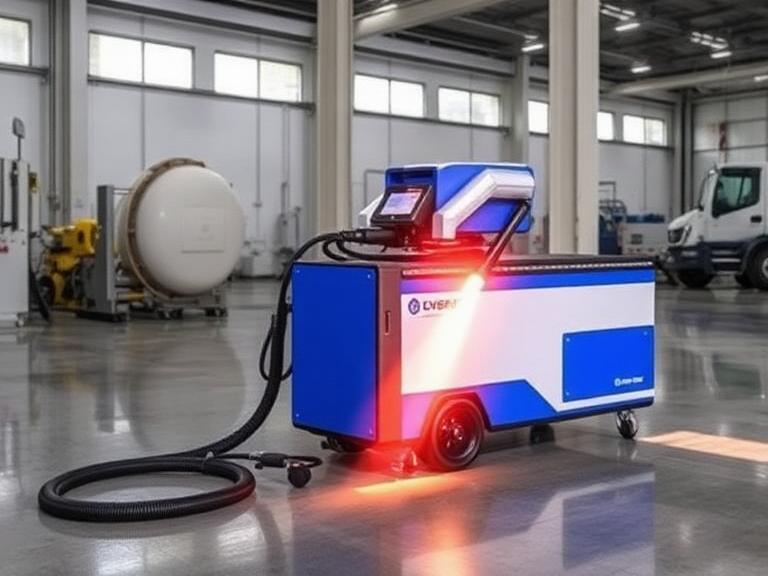
Endüstriyel üretim ve yüzey hazırlığı alanındaki sürekli değişen ortamda, tesis yöneticileri ve operasyon direktörleri pas, boya, oksitler ve kirletici maddeleri temizlemek için daha verimli, daha güvenli ve maliyet etkin yöntemler arayışındadır. On yıllardır sektör, aşındırıcı püskürtme ve zehirli çözücü banyolarına büyük ölçüde güveniyordu. Ancak fotonik ablasyon teknolojisinin ortaya çıkışı, mevcut durumu kökünden değiştirmiştir. Sermaye ekipmanı konusunda bilinçli bir karar verebilmek için tesis yöneticileri, kum püskürtme veya kimyasal temizlik gibi geleneksel yöntemlere kıyasla lazer temizliğin artılarını ve eksilerini derinlemesine anlamalıdır.
Bu kapsamlı rehberin yazarı olarak, Süper Hızlı Lazer Merkezi Shenzhen’de bulunan Technology Co., Ltd., yıllara dayanan uzman mühendislik deneyimini sektöre sunmaktadır. Şu anda, lazer temizleme makinelerinin Ar-Ge, üretim ve satışına odaklanan ilk yerli üretici konumundayız. Otomatik ve el tipi sistemler tasarlama deneyimimizden yola çıkarak, lazer temizliğin geleneksel yöntemlere kıyasla artı ve eksilerini değerlendirmenin bir tesisin operasyonel başarısını ne kadar belirleyici olduğunu ilk elden gözlemledik. İlk bakışta görünen fiyatın ötesine bakmanızı ve malzeme bütünlüğü, çevre mevzuatına uygunluk ve sarf malzemesi harcamaları üzerindeki uzun vadeli etkileri incelemenizi öneririz.
İçindekiler
- 1. Endüstriyel Yüzey Hazırlamadaki Değişimi Anlamak
- 2. Geleneksel Yöntemlere Kıyasla Lazer Temizlemenin 3 Başlıca Avantajı
- 3. Geleneksel Yöntemlere Kıyasla Lazer Temizliğin 3 Önemli Dezavantajı
- 4. Özet Tablosu: Doğrudan Karşılaştırma
- 5. Süper Hızlı Lazer: Uzman Tavsiyesi
- 6. Sıkça Sorulan Sorular (SSS)
- 7. Sektör Referansları
1. Endüstriyel Yüzey Hazırlamadaki Değişimi Anlamak
Lazer temizliğin geleneksel yöntemlere kıyasla spesifik artı ve eksilerini derinlemesine incelemeden önce, işin arkasındaki mekanizmayı anlamak çok önemlidir. Kum püskürtme, kinetik enerjiyle çalışır. Alüminyum oksit veya cam boncuklar gibi aşındırıcı maddeleri yüzeye kuvvetle fırlatarak kirletici maddeleri kazıyarak temizler. Etkili olmasına rağmen, bu yöntem çok büyük miktarda ikincil toz üretir ve kaçınılmaz olarak ana metalin mikroskobik katmanlarını da kaldırır. Buna karşılık kimyasal temizlik, istenmeyen katmanları çözmek için yüksek reaktifliğe sahip çözücülere ve asitlere dayanır; bu da pahalı bertaraf protokolleri gerektiren tehlikeli sıvı atıklar oluşturur.
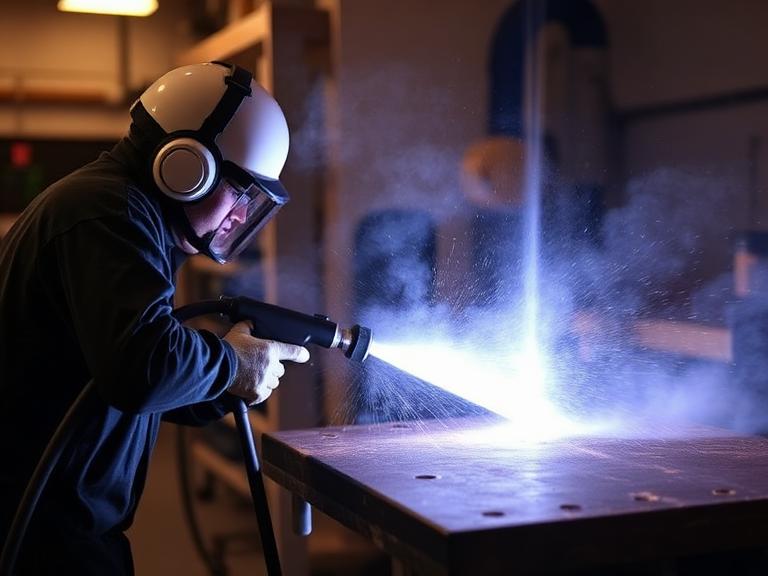
Lazer temizleme, lazer ablasyonu olarak bilinen tamamen farklı bir prensiple çalışır. Yüksek yoğunluklu, ultra kısa lazer darbeleri kirlenmiş yüzeye yönlendirilir. Kir tabakası lazer enerjisini emer, hızla genleşir ve lokalize bir plazmaya dönüşerek buharlaşır; altta yatan alt tabaka ise tamamen etkilenmeden kalır. Lazer temizliğin geleneksel yöntemlere kıyasla artılarını ve eksilerini analiz ederken, kinetik ve kimyasal temizlemeden fotonik buharlaşmaya doğru gerçekleşen bu temel değişim, sonraki tüm operasyonel avantaj ve dezavantajların temel nedenidir.
2. Geleneksel Yöntemlere Kıyasla Lazer Temizlemenin 3 Başlıca Avantajı
Fotonik yüzey hazırlığının yaygın olarak benimsenmesi, bir dizi belirgin operasyonel avantajdan kaynaklanmaktadır. Burada, lazerle temizleme yönteminin geleneksel yöntemlere kıyasla artılarını ve eksilerini değerlendirirken, başlıca avantajlarını özetliyoruz.
2.1 Tahribatsız ve Alt Tabakaya Zarar Vermeyen
Deneyimlerimize göre, lazer ablasyonunun en önemli avantajı, temassız ve tahribatsız olmasıdır. Kum püskürtme işlemi, metal yüzeyde çukurlaşma, mikro aşınmalar ve bölgesel iş sertleşmesine neden olur. Birden fazla temizleme döngüsü boyunca bu kinetik hasar, parçanın yapısal bütünlüğünü bozar. Bu durum, havacılık türbin kanatları, enjeksiyon kalıpları veya tarihi eserler gibi yüksek hassasiyet gerektiren bileşenler için kesinlikle kabul edilemez.
Lazer teknolojisi, doğru şekilde kalibre edildiğinde, kirletici maddenin içinden doğrudan geçer ve ana metalin metalurjik özelliklerini değiştirmeden metalden yansır. Işık enerjisi, pas, yağ veya boyanın emilim eşiğine özel olarak ayarlanır. Hassas yüzeylerle çalışan tesisler için, en iyi taşınabilir lazer temizleyiciler 2026 kum püskürtme yönteminin asla ulaşamayacağı benzersiz bir hassas kontrol düzeyi sunar. Bu “sıfır hasar” özelliği, yüksek değerli varlıkların bakımında geleneksel yöntemlerle karşılaştırıldığında lazer temizliğin artı ve eksilerini büyük ölçüde lazer lehine çevirmektedir.
2.2 Çevresel Sürdürülebilirlik ve Operatör Güvenliği
Kimyasal temizlik, ciddi iş sağlığı riskleri doğurur. Operatörler, aşındırıcı yanıklara ve zehirli dumanların solunmasına karşı korunmak için kapsamlı kişisel koruyucu donanım (KKD) giymek zorundadır. Ayrıca, kullanılmış kimyasallar tehlikeli atık olarak sınıflandırılır ve özel nakliye ve bertaraf işlemleri gerektirir. Kum püskürtme işlemi de, havada bulunan büyük miktardaki silika ve kirli toz nedeniyle benzer şekilde tehlikeli bir ortam yaratır ve ciddi solunum riskleri oluşturur.
Lazer temizliğin geleneksel yöntemlere kıyasla artılarını ve eksilerini değerlendirirken, lazerlerin çevresel üstünlüğü yadsınamaz. Lazer ablasyonu sıfır ikincil atık üretir. Tek yan ürün, buharlaşan kirletici maddenin kendisidir ve bu madde, entegre bir duman emici kullanılarak kaynağında güvenli bir şekilde toplanır. İşlem kuru bir işlemdir, sert kimyasallar kullanılmaz ve aşındırıcı malzeme gerektirmez. Güvenlik derecelendirmelerini iyileştirmek isteyen müteahhitler için, en i̇yi̇ el lazer temi̇zleyi̇ci̇leri̇ 2026 Atölye ortamını tamamen modernleştirerek, giderek daha katı hale gelen EPA ve OSHA düzenlemelerine uyumu sağlar.
2.3 Yüksek Uzun Vadeli Yatırım Getirisi ve Sarf Malzemelerinin Ortadan Kaldırılması
Aşındırıcı kumlama işleminin en büyük sorunlarından biri, kumlama malzemesinin sürekli olarak satın alınması, depolanması ve bertaraf edilmesi gerekliliğidir. Tek bir aktif kumlama kabini, ayda binlerce pound kumlama malzemesi tüketebilir. Buna karşın, lazer temizleme sistemlerinin çalışması için yalnızca elektrik gereklidir. Yüksek kaliteli bir fiber lazer kaynağının kullanım ömrü genellikle 100.000 çalışma saatini aşar.
Hizmet yelpazesini genişletmek isteyen işletmelerin bu operasyonel hesaplamayı ciddi bir şekilde dikkate almasını öneririz. Sarf malzemesi maliyetleri ve atık bertaraf ücretlerini ortadan kaldırarak, hizmet sözleşmelerindeki kâr marjları önemli ölçüde artar. İşte bu nedenle girişimciler sık sık şu soruyu sorar:, lazer temizleme işi karlı mı? Cevap, neredeyse sıfıra yakın işletme maliyetinde yatıyor. Finansal dinamikleri tam olarak anlamak için, şu konuyu araştırmak: lazer pas si̇lme i̇şi̇nde karlilik Lazer temizliğin geleneksel yöntemlere kıyasla ekonomik avantaj ve dezavantajlarını değerlendirirken bu husus hayati önem taşır.
3. Geleneksel Yöntemlere Kıyasla Lazer Temizliğin 3 Önemli Dezavantajı
Bu teknoloji devrim niteliğinde olsa da, objektif bir bakış açısını korumamız gerekir. Lazer temizliğin geleneksel yöntemlere kıyasla artılarını ve eksilerini doğru bir şekilde değerlendirebilmek için, bu teknolojinin fiziksel ve mali sınırlamalarını incelemek gerekir.
3.1 Önemli Başlangıç Sermaye Yatırımı
Birçok imalat atölyesi ve restorasyon şirketi için en acil engel, başlangıç maliyetidir. Standart bir endüstriyel kumlama kabı ve hava kompresörü, giriş seviyesi bir fiber lazer sisteminin fiyatının çok küçük bir kısmına satın alınabilir. Diyot dizileri, optik lensler ve gelişmiş kontrol yazılımı dahil olmak üzere bir lazerin iç bileşenleri son derece gelişmiş olup, üretim maliyetleri doğal olarak yüksektir.
Lazer temizliğin geleneksel yöntemlere kıyasla artıları ve eksileri tartışılırken, sermaye harcamaları genellikle küçük işletmeler için belirleyici faktör olmaktadır. Ancak, teknolojinin olgunlaşmasıyla birlikte fiyatlar istikrar kazanmaya başlamıştır. Potansiyel alıcılar, bu konuyu kapsamlı bir şekilde araştırmalıdır. 2025 yılında lazer temizleme ekipmanlarının maliyeti yatırım getirilerini doğru bir şekilde tahmin edebilmek için. İlk yatırım maliyeti yüksek olsa da, sarf malzemesi giderlerinin olmaması nedeniyle geri ödeme süresi genellikle beklenenden daha kısadır.
3.2 Karmaşık Geometrilerde Görüş Hattı Kısıtlamaları
Lazerle temizlik, yönlendirilmiş ışığa dayandığından, kirlenmiş yüzeye engelsiz bir görüş açısı gerektirir. Bir bileşende derin, gizli yarıklar, iç boru sistemi geometrileri veya kör delikler varsa, lazer ışını kire ulaşamaz. Bu son derece özel durumlarda, geleneksel yöntemler belirgin bir avantaja sahiptir.
Kimyasal daldırma banyoları, sıvının her mikroskobik boşluğa akması nedeniyle iç boşluklara nüfuz etmede üstün performans gösterir. Benzer şekilde, aşındırıcı ortamlar da hafif alt kesikleri temizlemek için belirli bir dereceye kadar sekebilir. Deneyimlerimize göre, son derece karmaşık iç geometrilerde lazerle temizlemenin geleneksel yöntemlere kıyasla artılarını ve eksilerini değerlendirirken, bazen dış kısımlar için lazer, iç kısımlar için ise kimyasal yıkama yöntemlerinin kullanıldığı hibrit yaklaşımlara ihtiyaç duyulmaktadır.
3.3 Aşırı Kalın Kaplamalarda İşlem Hızının Düşmesi
Lazer ablasyonu, ince ila orta kalınlıktaki pas, yağ, oksit ve standart boya kaplamalarını gidermede son derece etkilidir. Ancak, operatörün birkaç milimetre kalınlığındaki ağır deniz epoksisi, kalın endüstriyel kauçuk kaplamalar veya yoğun, çok katmanlı endüstriyel kaplamaları temizlemesi gerekiyorsa, düşük ila orta watt'lık bir lazer, yüzeyi ağır hizmet tipi bir kum püskürtme makinesinden daha yavaş işleyebilir.
Bu sınırlamayı aşmak için tesislerin, 1500 W ile 3000 W arasında değişen yüksek güçlü sürekli dalga (CW) lazerlere yatırım yapması gerekmektedir. Bu konuda doğru tedarikçiyle iş birliği yapmak hayati önem taşımaktadır. Şunları gözden geçirmek: lazer temizleme makinesi üreticileri kalın ve inatçı kaplamalarda geleneksel aşındırıcı püskürtme yönteminin olağanüstü temizleme hızıyla rekabet edebilecek gerekli watt değerini sunan bir ekipman tedarikçisi seçmenizi sağlar.
4. Özet Tablosu: Doğrudan Karşılaştırma
Lazer temizliğin geleneksel yöntemlere kıyasla avantaj ve dezavantajlarına ilişkin net ve genel bir bakış sunmak amacıyla bu duyarlı özet tabloyu hazırladık. Ekipman tedarik toplantıları sırasında bunu hızlı bir başvuru kılavuzu olarak kullanmanızı öneririz.
| Değerlendirme Ölçütü | Lazer Temizliği | Kumlama / Aşındırıcı | Kimyasal Temizlik |
|---|---|---|---|
| Alt Tabaka Hasarı | Yok (Temassız, son derece seçici) | Yüksek (Çukurlaşma ve malzeme kaybına neden olur) | Değişken (Asit aşındırma/kırılganlaşma riski) |
| Sarf Malzemesi Maliyetleri | Çok Düşük (Sadece elektrik) | Yüksek (Sürekli medya alımı gereklidir) | Yüksek (Kimyasallar ve bertaraf ücretleri) |
| İkincil Atık | Sıfır (Kirletici buharlaştırılır/çıkarılır) | Yoğun (Kullanılmış filtre malzemesi ve havada asılı toz) | Yüksek (Zehirli çamur ve tehlikeli sıvılar) |
| İlk Ekipman Maliyeti | Yüksek (Sermaye yoğun teknoloji) | Düşük ila Orta | Düşük ila Orta (Güvenlik altyapısı hariç) |
| Erişilebilirlik | Doğrudan görüş hattı gerektirir | Orta (Hafif oyuklara ulaşabilir) | Mükemmel (Sıvı tüm iç boşluklara ulaşır) |
5. Süper Hızlı Lazer: Uzman Tavsiyesi
Lazer temizliğin geleneksel yöntemlere kıyasla artılarını ve eksilerini değerlendirmek, her türlü endüstriyel faaliyet için dönüştürücü bir adımdır. Kum püskürtme ve kimyasal çözücüler on yıllardır endüstriye hizmet etse de, modern üretimin çevresel, mali ve kalite kontrol gereklilikleri, bu yöntemleri hassas uygulamalar için artık geçerliliğini yitirmiş hale getirmiştir.
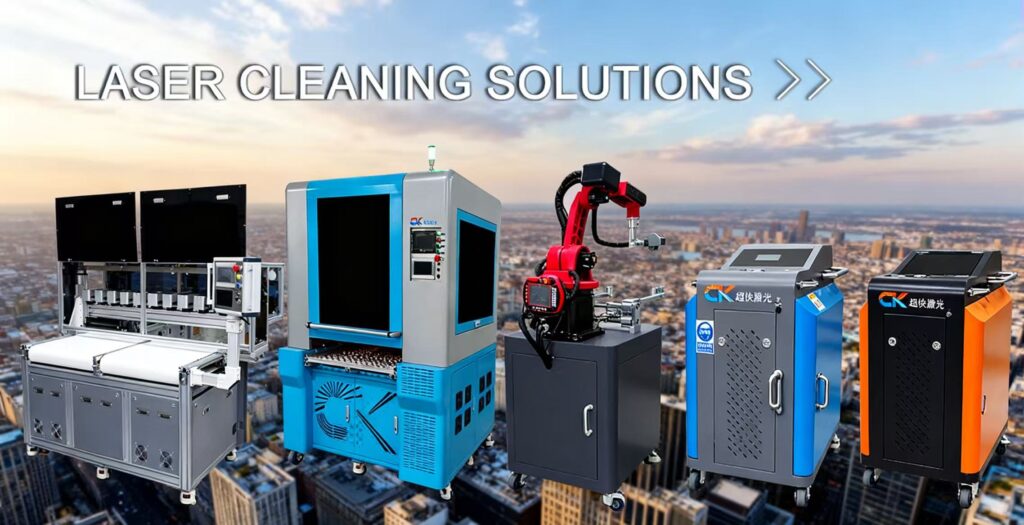
Merkezi Shenzhen’de bulunan Super Fast Laser Technology Co., Ltd., tesislerin bu teknolojik dönüşüm sürecinde yol gösterici olmaya büyük önem vermektedir. Lazer temizleme makinelerinin Ar-Ge, üretim ve satışına odaklanan ilk yerli üretici olarak, lazer temizleme alanında lider bir konuma sahibiz. Kendi özel Ar-Ge ekibimiz ve üretim fabrikamızla gurur duyuyoruz; bu sayede her makinenin sıkı uluslararası standartlara uygun olmasını garanti ediyoruz. Şirketimiz, ürün uzmanlaşmasını hedeflemek amacıyla yüksek teknolojili lazer uygulama alanlarına odaklanmaktadır. Profesyonel lazer temizleme sistemleri, otomatik ekipmanlar, yazılımlar ve operasyonel ihtiyaçlarınıza göre özelleştirilmiş eksiksiz lazer temizleme çözümleri sunuyoruz. Avantajları ilk elden deneyimlemeniz için mühendislik ekibimizle bir numune test aşaması planlamanızı şiddetle tavsiye ederiz.
6. Sıkça Sorulan Sorular (SSS)
Lazerle temizlik, kum püskürtmeye kıyasla operatör için daha mı güvenlidir?
Evet. Deneyimlerimize göre, iş güvenliği açısından sağladığı faydalar, lazerle temizliğin geleneksel yöntemlere kıyasla artı ve eksilerini büyük ölçüde dengeliyor. Lazerle temizlik, kum püskürtme tozunun solunmasından kaynaklanan ciddi bir akciğer hastalığı olan silikoz riskini ortadan kaldırır. Lazer sistemlerini kullanan operatörlerin yalnızca özel lazer güvenlik gözlükleri ve standart duman emme sistemlerine ihtiyacı vardır; bu sayede ağır ve hareketleri kısıtlayan pozitif basınçlı kumlama giysilerine gerek kalmaz.
Tesisimde lazerle temizlik, kimyasal temizliğin yerini tamamen alabilir mi?
Çoğu yüzey hazırlama uygulamasında, evet. Ancak, lazer temizlemenin dezavantajları arasında bahsedilen görüş açısı sınırlaması nedeniyle, son derece karmaşık ve derin iç kanallara sahip parçalar (örneğin, karmaşık ısı eşanjörleri veya motor blokları) için yine de kimyasal daldırma işlemi gerekebilir. Dış yüzeyler, kalıplar ve kaynak hazırlığı söz konusu olduğunda ise lazerler çok daha üstündür.
Bir lazer temizleyicinin yüksek ilk maliyeti, bu yatırımı haklı kılıyor mu?
Toplam sahip olma maliyeti (TCO) analizi yapmanızı öneririz. Aşındırıcı malzeme alımlarının ortadan kalkmasını, tehlikeli atık bertaraf ücretlerinin ortadan kalkmasını ve kurulum ile temizlik sürelerindeki önemli azalmayı hesaba kattığınızda, bir lazer temizleme sisteminin yatırım getirisi (ROI), işletme hacmine bağlı olarak genellikle 12 ila 24 ay içinde elde edilir.
7. Sektör Referansları
Lazer temizliğin geleneksel yöntemlere kıyasla avantaj ve dezavantajları konusunda en yüksek operasyonel güvenlik ve çevre uyum standartlarını sağlamak amacıyla, aşağıdaki güvenilir kaynakları incelemenizi öneririz: