- Ziva@CKlasersz.com
- WeChat:86-13138536413
- 400-168-9906
- 0755 27084852






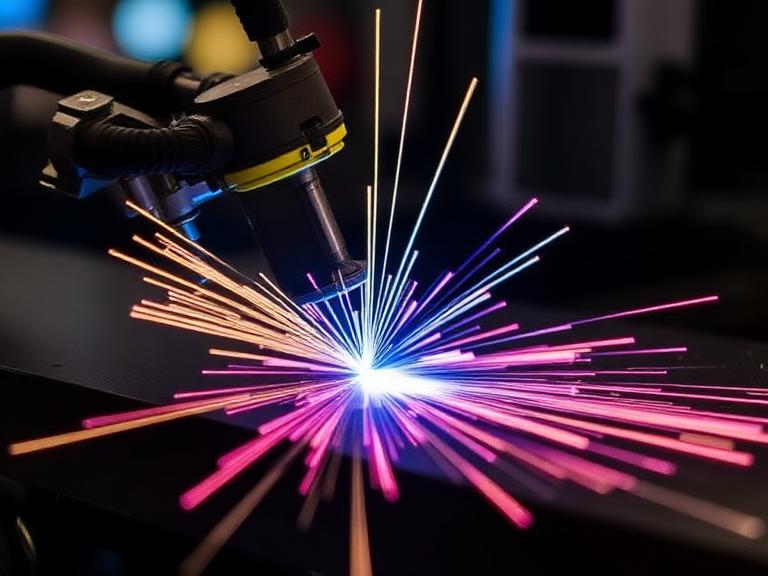
Si te estás preguntando ¿Cómo limpian los láseres el metal? Y por qué la tecnología de limpieza por láser está sustituyendo rápidamente al chorro de arena, la limpieza química y el esmerilado manual en sectores de todo el mundo: esta guía exhaustiva explica todo lo que necesitas saber. La limpieza por láser se ha convertido en una de las tecnologías de tratamiento de superficies más eficientes, respetuosas con el medio ambiente y precisas que existen en la actualidad.
En este artículo descubrirás los fundamentos científicos que explican cómo Los láseres limpian el metal, los distintos tipos de máquinas, sus ventajas, sus aplicaciones y por qué fabricantes líderes como Super Fast Laser Technology Co., Ltd. están marcando el futuro de la limpieza industrial.
Índice
- 1. Introducción a la limpieza con láser
- 2. ¿Cómo limpian los láseres el metal? Explicación científica
- 3. Interacción entre el láser y el material: ablación, efectos térmicos y precisión
- 4. Tipos de máquinas de limpieza por láser
- 5. Aplicaciones industriales de la limpieza de metales con láser
- 6. Ventajas del uso de láseres para la limpieza de metales
- 7. Limpieza con láser frente a los métodos de limpieza tradicionales
- 8. Tabla resumen: Cómo limpian los láseres el metal
- 9. Empresa destacada: Super Fast Laser Technology Co., Ltd.
- 10. Preguntas frecuentes11. Referencias
1. Introducción a la limpieza con láser
La limpieza con láser es un método de tratamiento de superficies de última generación que utiliza rayos láser de alta energía para eliminar contaminantes, óxido, pintura, oxidación y residuos de las superficies metálicas. Se ha popularizado porque Los láseres limpian el metal sin dañar el material de base, lo que lo hace adecuado para los sectores aeroespacial, de fabricación de automóviles, mantenimiento de moldes, electrónica, generación de energía y muchos otros.
El proceso se basa en un suministro de energía extremadamente preciso. Cuando el rayo láser incide sobre la capa no deseada, esta absorbe la energía y se vaporiza o se desprende de la superficie al instante. Dado que el metal refleja una parte de la longitud de onda del láser, el sustrato subyacente permanece intacto.
2. ¿Cómo limpian los láseres el metal? Explicación científica
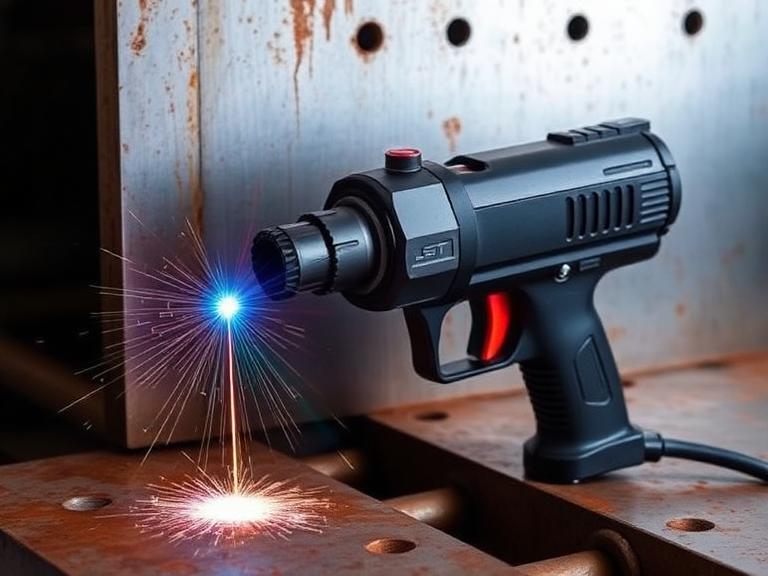
Entender cómo Los láseres limpian el metal Para ello, es necesario analizar cómo absorben la energía láser los distintos materiales. Las máquinas de limpieza por láser emiten pulsos de luz concentrados con una densidad de energía extremadamente alta. Cuando estos pulsos inciden sobre contaminantes como el óxido, la pintura, el aceite o los óxidos, la capa no deseada se calienta rápidamente, se expande y es expulsada de la superficie metálica.
2.1 Ablación por láser: el mecanismo fundamental
La ablación por láser es el principio físico fundamental que explica cómo los láseres limpian el metal. La ablación se produce cuando un material absorbe suficiente energía láser como para sufrir:
- Calentamiento rápido
- Vaporización instantánea
- Eliminación de microexplosivos
Dado que la energía del láser es absorbida principalmente por la capa de suciedad —y no por el metal—, el proceso de limpieza es muy selectivo y seguro.
2.2 Absorción selectiva de la energía láser
El óxido, la pintura, el óxido metálico y el aceite absorben las longitudes de onda del láser con mayor eficacia que el metal pulido o sin tratar. Por eso Los láseres limpian el metal sin alterar el material de base.
2.3 Generación de plasma
Cuando la superficie se vaporiza, puede generarse una nube de microplasma que contribuye aún más a la descomposición de los contaminantes de la superficie. Este fenómeno potencia la capacidad de limpieza sin necesidad de utilizar agentes abrasivos.
3. Interacción entre el láser y el material: ablación, efectos térmicos y precisión
Cuando Los láseres limpian el metal, se producen varios procesos físicos simultáneamente, en función de la longitud de onda, la intensidad y el tipo de material.
3.1 Efectos fototérmicos
La capa contaminante se calienta rápidamente y se desprende. Dado que los metales disipan el calor con rapidez, el sustrato queda protegido.
3.2 Efectos fotomecánicos
Las ondas de choque generadas por la rápida expansión separan la capa no deseada de la superficie metálica.
3.3 Efectos fotoquímicos
Los enlaces químicos de los contaminantes se rompen bajo la luz láser, lo que facilita su eliminación.
En conjunto, estos procesos garantizan Los láseres limpian el metal de forma limpia, precisa y segura.
4. Tipos de máquinas de limpieza por láser
Los equipos de limpieza por láser varían en función de la potencia de salida, la movilidad, el grado de automatización y el uso previsto. A continuación se enumeran las principales categorías según los estándares del sector y los tipos fabricados por Super Fast Laser Technology Co.,Ltd.
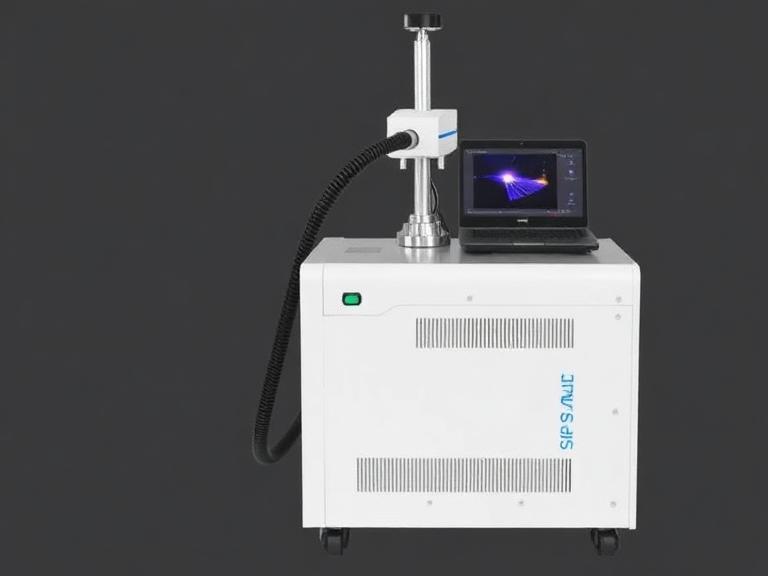
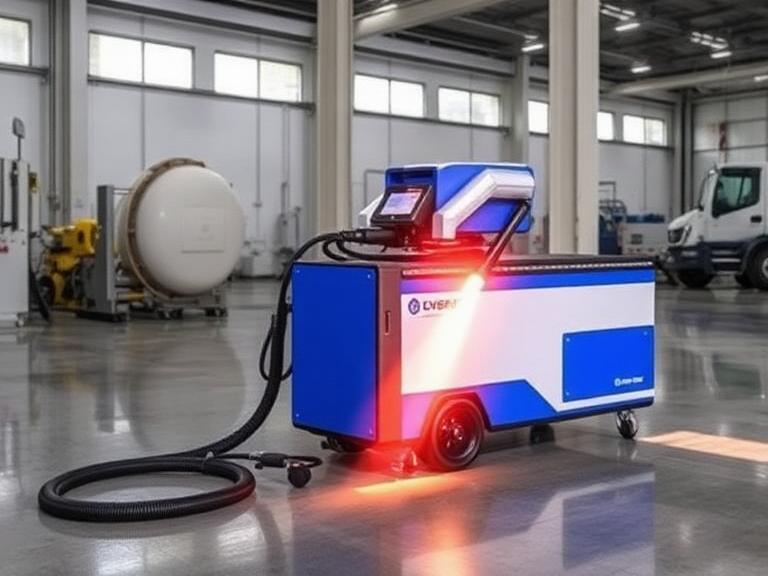
4.1 Máquinas de limpieza por láser portátiles
Portátil, flexible y adecuado para tareas generales de limpieza industrial. Ideal para eliminar el óxido, decapar pintura y preparar superficies para soldar.
4.2 Sistemas de limpieza por láser de pastillas de freno para transmisiones automáticas
Estos sistemas están diseñados para líneas de producción de automóviles. Garantizan una limpieza uniforme de las pastillas de freno y los componentes de la transmisión, donde la precisión es fundamental.
4.3 Máquinas automáticas de limpieza por láser de moldes de 6 ejes
Diseñado para la fabricación y el mantenimiento de moldes. Los robots multieje garantizan una limpieza uniforme y de alta precisión sin dañar la geometría del molde.
4.4 Soluciones de automatización totalmente personalizadas
Fabricados según los requisitos de producción. Estos sistemas integran líneas de transporte, brazos robóticos, control por software y módulos láser avanzados.
5. Aplicaciones industriales de la limpieza de metales con láser
5.1 Industria del automóvil
La limpieza con láser elimina los residuos de soldadura, prepara las superficies metálicas y limpia los componentes de los frenos y del motor. Su precisión garantiza una alta calidad en las operaciones de unión, soldadura blanda y aplicación de adhesivos.
5.2 Sector aeroespacial y de la aviación
Los componentes de las aeronaves requieren una limpieza que no cause daños. Los láseres limpian el metal sin abrasión ni microfisuras, lo que los hace ideales para el titanio y las aleaciones de aluminio.
5.3 Fabricación de moldes y matrices
La limpieza de moldes suele ser una tarea que requiere mucha mano de obra. La limpieza con láser ofrece:
- Sin desgaste del molde
- Sin uso de productos químicos
- Alta repetibilidad
5.4 Construcción naval y sector marítimo
La eliminación del óxido es una de las aplicaciones más habituales. La limpieza con láser prepara las superficies para la aplicación de recubrimientos y la soldadura.
5.5 Fabricación de productos electrónicos
Los láseres eliminan los óxidos y los microcontaminantes de los componentes de precisión sin entrar en contacto con ellos.
6. Ventajas del uso de láseres para la limpieza de metales
El uso del láser para la limpieza de metales presenta numerosas ventajas en comparación con los métodos tradicionales:
- Sin consumibles: Sin arena, productos químicos ni medios de chorro.
- Sin contacto, no abrasivo: No desgasta ni raya el metal.
- Alta precisión: Limpia incluso los componentes más delicados.
- Respetuoso con el medio ambiente: Sin residuos químicos.
- Calidad constante en la limpieza: La automatización garantiza la repetibilidad.
- Menor mano de obra: Flujos de trabajo más rápidos y eficientes.
Estas ventajas explican por qué Los láseres limpian el metal en casi todos los sectores industriales actuales.
7. Limpieza con láser frente a los métodos de limpieza tradicionales
| Método | Pros | Contras |
|---|---|---|
| Limpieza láser | Preciso, respetuoso con el medio ambiente, no abrasivo, de bajo mantenimiento | Mayor inversión inicial |
| Chorro de arena | Eliminación rápida | Es abrasivo, ensucia y requiere materiales de consumo |
| Limpieza química | Eficaz contra determinados contaminantes | Residuos tóxicos, problemas medioambientales |
| Esmerilado manual | Equipo sencillo | Daños en la superficie, lento, irregular |
8. Tabla resumen: Cómo limpian los láseres el metal
| Proceso | Descripción |
|---|---|
| Ablación láser | Vaporiza las capas de contaminación del metal |
| Expansión térmica | El calor hace que los contaminantes se desprendan |
| Eliminación de ondas de choque | Las ondas de choque microscópicas levantan las partículas |
| Absorción selectiva | Los contaminantes absorben más energía que el metal |
9. Empresa destacada: Super Fast Laser Technology Co., Ltd.
Super Fast Laser Technology Co.,Ltd., con sede en Shenzhen, es la primera empresa nacional especializada exclusivamente en la I+D, la producción y la venta de máquinas de limpieza láser en China.
Con su propio equipo independiente de I+D y unas instalaciones de producción específicas, la empresa es líder del sector en innovación, rendimiento y fiabilidad. Super Fast Laser se centra en aplicaciones láser de alta tecnología y se compromete a ofrecer equipos de limpieza láser especializados y profesionales, sistemas de automatización, software y soluciones de limpieza totalmente personalizadas.
Productos estrella
- Máquina manual de limpieza láser
- Equipo de limpieza láser de pastillas de freno de transmisión automática
- Máquina automática de limpieza láser de moldes de 6 ejes
- Soluciones automatizadas y personalizadas de limpieza por láser
Estos productos demuestran cómo la ingeniería avanzada y el diseño basado en la investigación mejoran la eficiencia y la precisión de cómo Los láseres limpian el metal en diversos sectores.
10. Preguntas frecuentes
1. ¿Los láseres dañan el metal al limpiarlo?
No. Los parámetros del láser se ajustan de tal forma que los contaminantes absorban la energía, mientras que el metal la refleja.
2. ¿Pueden los láseres eliminar el óxido por completo?
Sí. La limpieza con láser elimina el óxido a distintas profundidades, dependiendo de la energía y la duración del pulso.
3. ¿Es la limpieza con láser respetuosa con el medio ambiente?
Sí. No genera residuos químicos y no requiere consumibles.
4. ¿Qué metales se pueden limpiar con láser?
Acero, acero inoxidable, aluminio, cobre, titanio, moldes, hierro fundido y mucho más.
5. ¿Tienen las máquinas portátiles la potencia suficiente para trabajos industriales?
Las máquinas portátiles modernas son extremadamente eficaces y se utilizan ampliamente en los sectores de la fabricación y el mantenimiento.