- Ziva@CKlasersz.com
- WeChat:86-13138536413
- 400-168-9906
- 0755 27084852





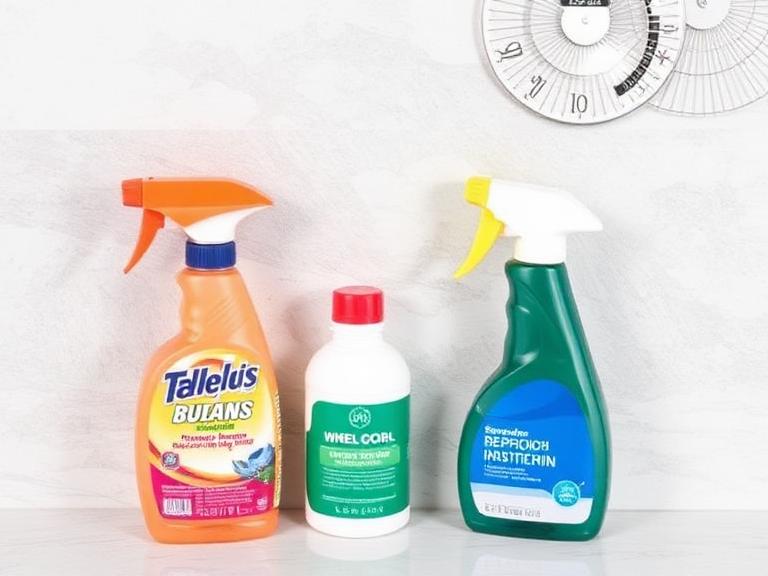
In the highly demanding sectors of tire manufacturing, injection molding, and rubber vulcanization, the condition of your production equipment directly dictates the quality of your final product. Over time, industrial molds accumulate stubborn residues, including vulcanizer buildup, high-temperature rubber residues, release agents, and rust. When production managers face severe fouling, the first question they often ask is, what supplies do I need to clean mold components efficiently without causing damage to the precise substrate?
From our experience, relying on outdated methods not only extends costly operational downtime but also risks permanently altering the microscopic tolerances of the mold surface. To achieve peak operational efficiency, facility managers must understand exactly what supplies do I need to clean mold cavities safely. In this comprehensive technical guide, we will break down the traditional chemicals, mechanical tools, and state-of-the-art technological advancements required for optimal mold maintenance. If you have ever wondered what supplies do I need to clean mold systems in a high-volume manufacturing environment, this article provides the definitive answers.
Índice
- Understanding Industrial Mold Maintenance
- 1. Heavy-Duty Industrial Solvents and Degreasers
- 2. Copper and Brass Brushes
- 3. Personal Protective Equipment (PPE)
- 4. Dry Ice Blasting Equipment
- 5. Ultrasonic Cleaning Tanks
- 6. Compressed Air Systems
- 7. Anti-Corrosion Inhibitors and Protective Sprays
- 8. Super Fast Laser Tire Mold Online Cleaning Equipment
- Summary Table of Mold Cleaning Supplies
- Preguntas más frecuentes (FAQ)
- Referencias
Understanding Industrial Mold Maintenance
Before assembling your maintenance toolkit, it is crucial to analyze the specific contaminants affecting your production line. Tire molds, for instance, are subjected to extreme heat and pressure, causing sulfur, carbon black, and rubber compounds to bake onto the metallic surfaces. When compiling a checklist of what supplies do I need to clean mold tooling, you must balance cleaning power with substrate preservation. Using highly abrasive media or caustic chemicals can erode the mold’s detailing, leading to defective end products and thousands of dollars in scrapped parts.
We recommend a tiered approach to maintenance. Routine light cleaning requires different tools than deep, periodic overhauls. Below, we detail the top 8 categories to answer the critical question: what supplies do I need to clean mold surfaces effectively?
1. Heavy-Duty Industrial Solvents and Degreasers
Historically, chemical solvents have been the first line of defense in industrial mold maintenance. When plant technicians ask what supplies do I need to clean mold components, chemical degreasers are usually the immediate, traditional response. These solvents are formulated to break down the complex polymer chains of baked-on rubber and plastic residues. However, from our experience, while solvents are effective for light degreasing, they present significant drawbacks. They often emit high levels of Volatile Organic Compounds (VOCs), requiring specialized ventilation, and the disposal of the resulting hazardous sludge is heavily regulated and expensive.
2. Copper and Brass Brushes
Mechanical scrubbing remains a staple in many older manufacturing facilities. If you are operating on a tight budget and wondering what supplies do I need to clean mold cavities manually, soft-metal brushes are essential. Copper and brass are softer than the steel or aluminum substrates of most industrial molds, meaning they can scrape away loose vulcanizer residues without heavily scoring the mold. Nevertheless, manual scrubbing is incredibly labor-intensive and inconsistent, often failing to reach deep into complex tread patterns or micro-textures.
3. Personal Protective Equipment (PPE)
Safety can never be an afterthought in industrial maintenance. When evaluating what supplies do I need to clean mold equipment safely, PPE must be at the top of your procurement list. Handling aggressive solvents, operating high-pressure blasting equipment, or working near elevated temperatures requires specialized gear. We recommend industrial-grade nitrile gloves, half-face respirators with organic vapor cartridges, ANSI-rated safety goggles, and thermal-resistant sleeves. Protecting your workforce is just as important as protecting your production assets.
4. Dry Ice Blasting Equipment
As industries moved away from manual scrubbing, dry ice blasting became a popular alternative. If you are upgrading your maintenance protocol and asking what supplies do I need to clean mold systems faster, dry ice blasting is a common transitional step. It uses compressed air to accelerate solid carbon dioxide pellets at the mold surface. The thermal shock fractures the rubber residues, and the pellets sublimate into gas, leaving no secondary waste. However, this method requires the continuous, expensive purchase of dry ice, which degrades quickly in storage, and the equipment is notoriously loud, requiring extensive hearing protection.
5. Ultrasonic Cleaning Tanks
For smaller mold inserts, vent plugs, and intricate tooling, ultrasonic cleaning tanks are highly effective. When precision engineers ask what supplies do I need to clean mold parts with complex internal geometries, we recommend ultrasonic technology. These tanks use high-frequency sound waves transmitted through a heated chemical bath to create microscopic cavitation bubbles. When these bubbles implode, they pull contaminants away from the substrate. While highly effective for small parts, this method requires completely dismantling the mold and moving it to an offline cleaning station, resulting in significant production downtime.
6. Compressed Air Systems
No industrial maintenance cart is complete without a reliable compressed air system. When considering the fundamental supplies do I need to clean mold equipment, high-volume air compressors are vital. They are used to blow out loose debris, clear cooling channels, and accelerate the drying process after chemical applications. From our experience, ensuring your compressed air is filtered and free of moisture and compressor oil is critical; otherwise, you risk introducing new contaminants directly onto the freshly cleaned mold surface.
7. Anti-Corrosion Inhibitors and Protective Sprays
Cleaning the mold is only half the battle; protecting it during storage is equally important. Once the bare metal is exposed, it is highly susceptible to flash rusting. Therefore, when finalizing the list of what supplies do I need to clean mold components, you must include anti-corrosion inhibitors. These protective sprays displace moisture and leave a thin, protective film over the mold cavity. We recommend using mold protectants that naturally burn off during the first few shots of the next production run, eliminating the need to re-clean the mold before use.
8. Super Fast Laser Tire Mold Online Cleaning Equipment
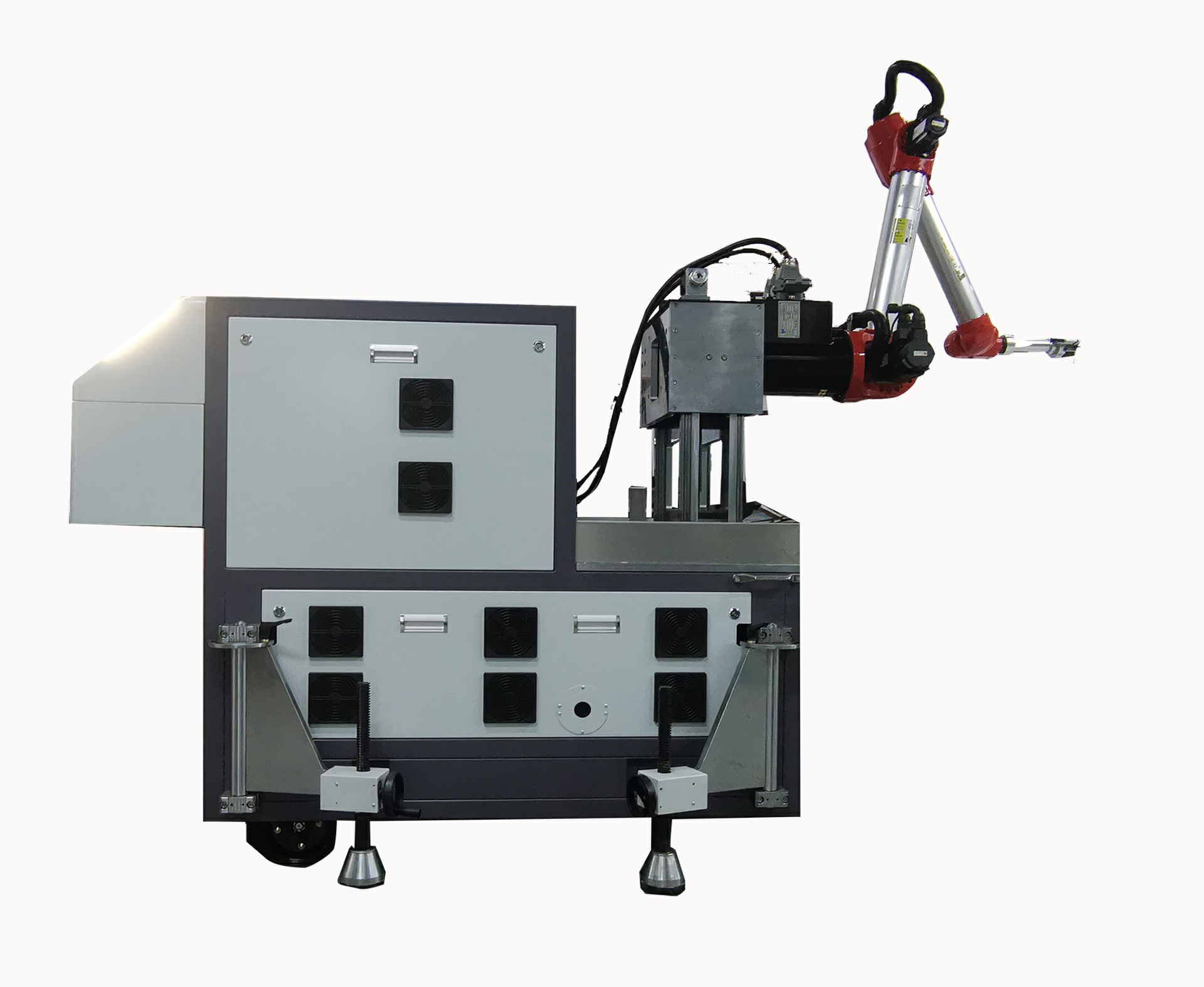
The ultimate answer to the question of what supplies do I need to clean mold systems in the modern era is advanced laser technology. Traditional methods require cooling the mold, disassembling it, and using harsh chemicals or abrasive media. Super Fast Laser has engineered the definitive solution that renders many traditional supplies obsolete.
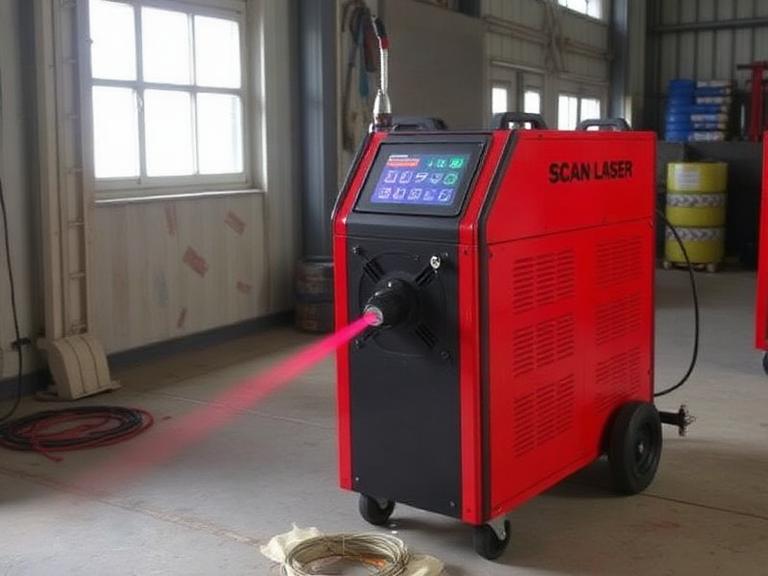
Equipo láser superrápido de limpieza en línea de moldes de neumáticos is a new generation of high-tech, non-contact cleaning equipment that does not damage the component substrate, requires no consumables, is energy-efficient, environmentally friendly, and noiseless. It efficiently removes oil, stains, vulcanizer residues, high-temperature rubber residues, rust, oxide layers, and other surface contaminants from molds. It meets the cleaning requirements of complex shapes and precise positioning in industrial processing, achieving higher cleaning results and lower overall production costs.
From our experience, integrating Super Fast Laser technology allows operators to clean molds while they are still online and hot. This eliminates the massive downtime associated with cooling, removing, transporting, cleaning, reinstalling, and reheating heavy tire molds. By choosing this technology, you drastically reduce your reliance on chemical solvents, dry ice logistics, and manual labor.
Summary Table of Mold Cleaning Supplies
To help you visualize what supplies do I need to clean mold environments based on your operational scale, we have compiled the following summary table comparing the various methods and supplies.
| Cleaning Supply / Method | Primary Function | Pros | Cons / Limitations | Recommended Use Case |
|---|---|---|---|---|
| Chemical Solvents | Breaks down polymer and rubber residues chemically | Low initial cost, easy to apply | High VOCs, toxic waste disposal, slow process | Light spot cleaning, low-budget operations |
| Brass/Copper Brushes | Manual mechanical removal of loose debris | Inexpensive, no setup required | Labor-intensive, inconsistent, cannot reach micro-textures | Emergency spot cleaning on cold molds |
| Limpieza criogénica | Thermal shock and kinetic energy removal | No secondary media waste, non-abrasive | Loud, expensive ongoing ice costs, logistics of ice storage | Mid-to-large facilities with offline cleaning bays |
| Ultrasonic Tanks | Cavitation-based precision cleaning | Cleans complex geometries and blind holes perfectly | Requires mold disassembly, size limitations | Small mold inserts, vents, and precision tooling |
| Super Fast Laser Equipment | Photothermal ablation of all surface contaminants | Online cleaning, no consumables, zero substrate damage, eco-friendly | Higher initial capital investment | High-volume tire and rubber manufacturing, fully automated lines |
Preguntas más frecuentes (FAQ)
If I use laser technology, what other supplies do I need to clean mold surfaces?
One of the primary benefits of the Super Fast Laser Tire Mold Online Cleaning Equipment is that it essentially eliminates the need for most other supplies. You will no longer need chemical solvents, brass brushes, or dry ice pellets. The laser operates using only standard electrical power, making it a highly self-sufficient system. You may only need standard PPE like laser safety glasses.
Will laser cleaning damage the microscopic textures in my tire molds?
No. From our experience, laser cleaning is entirely non-contact. The laser parameters are precisely tuned so that the light energy is absorbed by the dark rubber residues, oil, and rust, causing them to vaporize. The underlying metallic substrate reflects the laser light, ensuring zero mechanical or thermal damage to the intricate mold textures.
Why is online cleaning so important for industrial molds?
Online cleaning refers to cleaning the mold while it remains inside the vulcanizing press at operating temperature. Traditional methods require the press to be shut down, cooled, and the mold physically removed. Online cleaning with Super Fast Laser equipment saves hours of production downtime, dramatically increasing your facility’s overall equipment effectiveness (OEE).
Are chemical solvents still necessary if we upgrade our cleaning protocols?
When determining what supplies do I need to clean mold components after upgrading to laser technology, chemical solvents generally become obsolete for the mold surfaces themselves. You may still retain light degreasers for general facility maintenance, but eliminating them from the mold cleaning process drastically improves your environmental footprint and worker safety.
Referencias
- Plastics Industry Association – Best Practices for Mold Maintenance
- U.S. Tire Manufacturers Association – Manufacturing Efficiency and Sustainability
- Occupational Safety and Health Administration (OSHA) – Guidelines for Industrial Chemical Solvents
Ultimately, when you ask the question, what supplies do I need to clean mold components, the answer depends entirely on your commitment to efficiency and quality. While traditional brushes and solvents have their place in historical manufacturing, the future belongs to precision technology. We recommend investing in Super Fast Laser solutions to safeguard your substrates, protect your workforce, and maximize your production uptime.