- Ziva@CKlasersz.com
- WeChat:86-13138536413
- 400-168-9906
- 0755 27084852






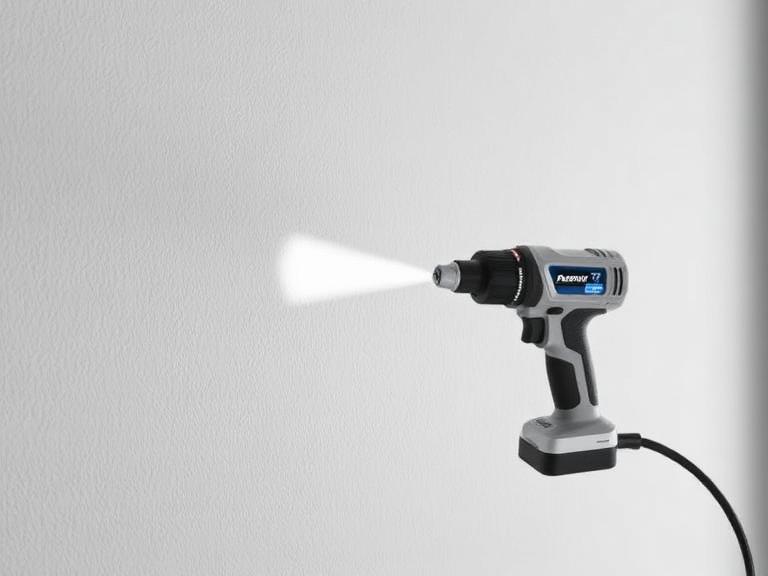
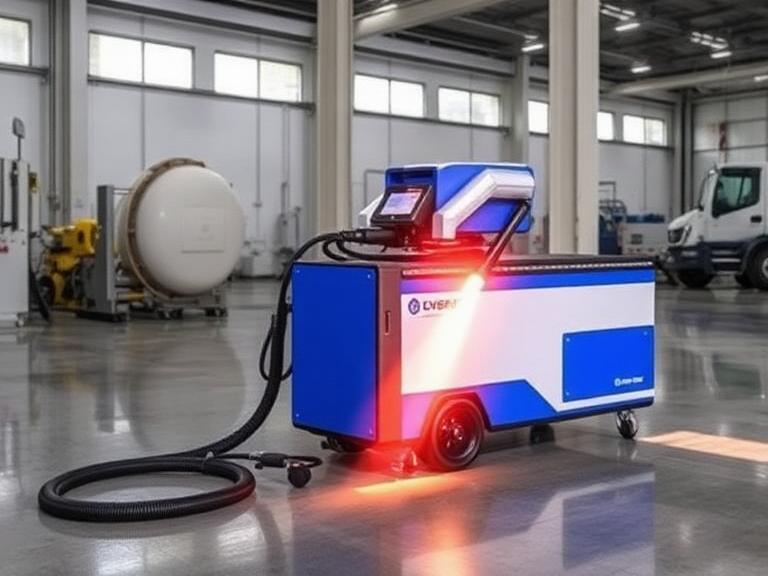
As we navigate the industrial landscape of 2026, the shift toward sustainable and efficient surface preparation has made laser cleaning technology a standard rather than a luxury. One of the most common questions for procurement officers and business owners is: how much does a laser cleaner cost? In 2026, the laser cleaner cost has stabilized significantly due to advancements in fiber laser production, but the range remains broad based on power, pulse technology, and automation levels.
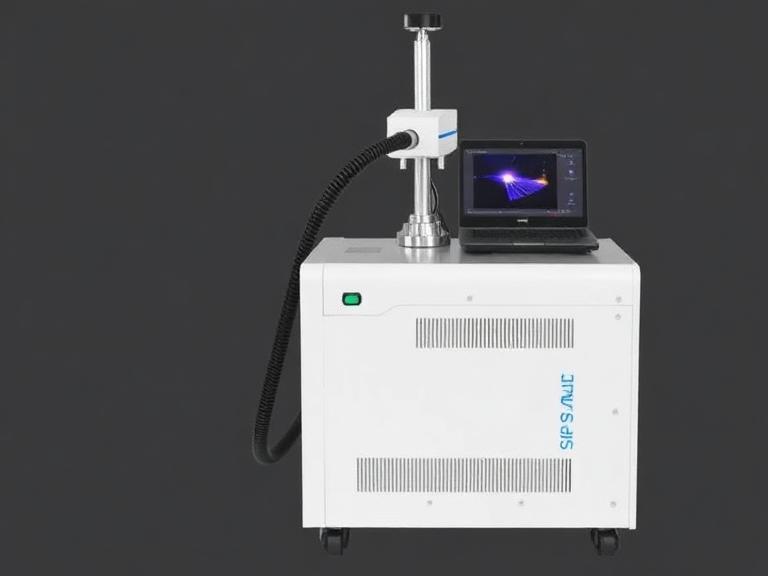
This guide provides a deep dive into the 2026 market pricing for laser cleaning systems, examining why certain machines cost $5,000 while others exceed $100,000. We will also explore the Total Cost of Ownership (TCO) and how companies like Super Fast Laser Technology Co.,Ltd. are leading the R&D charge to make these systems more accessible and powerful than ever.
Table of Contents
- 1. Understanding Laser Cleaning Technology in 2026
- 2. Pulsed vs. Continuous Wave (CW) Laser Cleaner Cost
- 3. Pricing by Power Output: From 50W to 3000W
- 4. Spotlight: Super Fast Laser Technology Co.,Ltd.
- 5. Maintenance and Operating Costs of Laser Systems
- 6. ROI: Laser Cleaning vs. Traditional Methods
- 7. Automation and Customized Solution Pricing
- 8. 2026 Laser Cleaner Cost Summary Table
- 9. Frequently Asked Questions (FAQs)
- 10. References
1. Understanding Laser Cleaning Technology in 2026
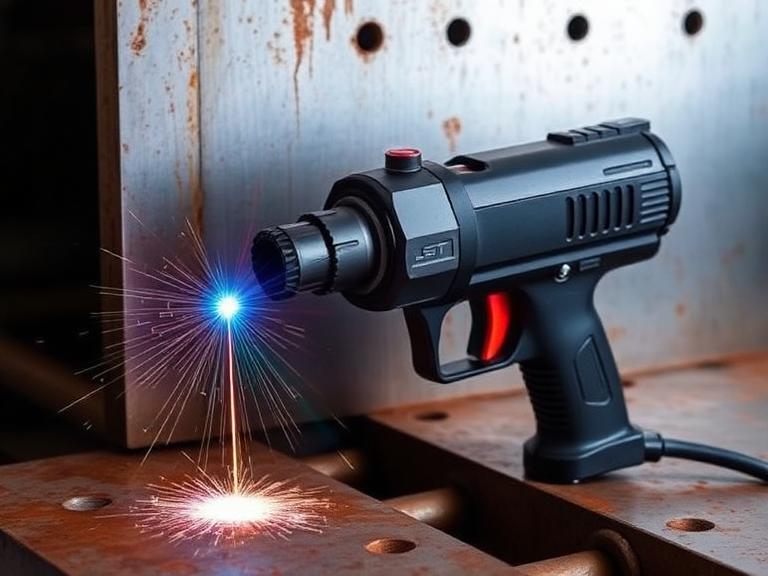
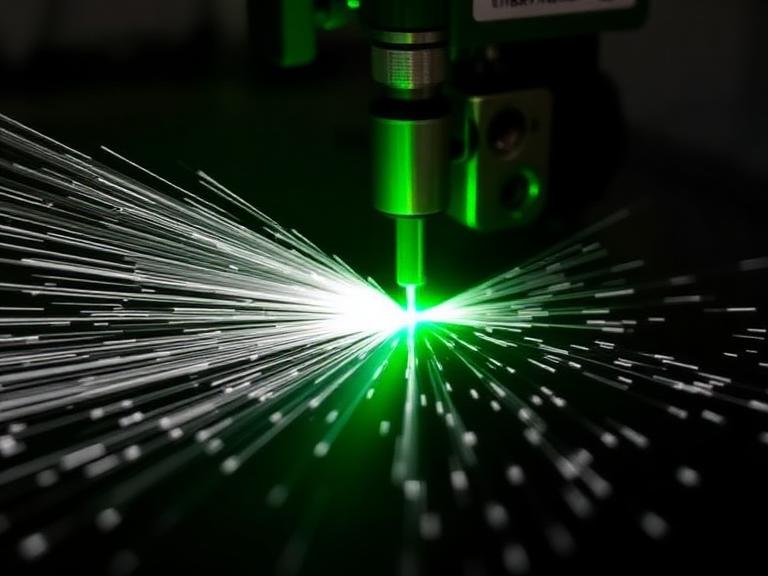
In 2026, laser cleaning is defined by the process of laser ablation. A high-intensity beam is directed at a surface, where the energy is absorbed by contaminants such as rust, paint, or oil. This energy causes the contaminants to vaporize or flake off without damaging the underlying substrate. The laser cleaner cost is primarily driven by the quality of the laser source, the precision of the scanning head, and the integrated safety features.
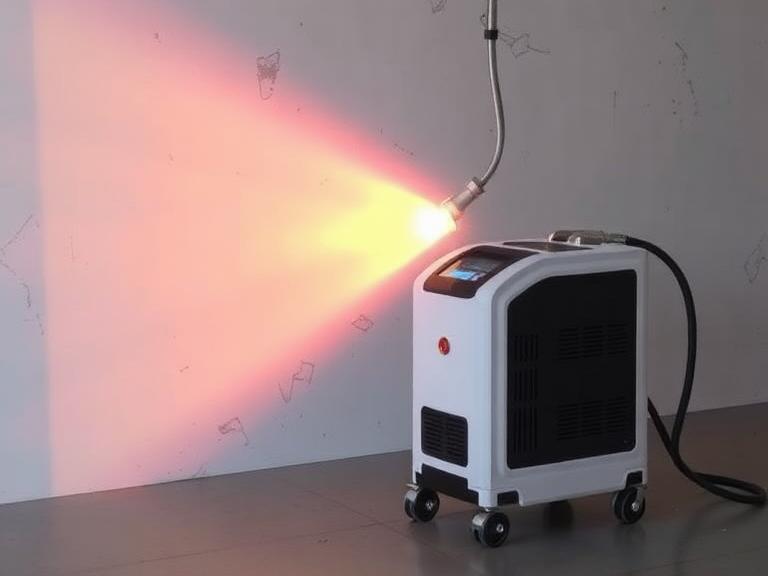
The market has diverged into two main technical categories: Continuous Wave (CW) lasers and Pulsed lasers. Understanding this distinction is vital because it accounts for the largest gap in laser cleaner cost. While CW lasers are high-power workhorses for heavy rust, pulsed lasers offer the surgical precision required for aerospace and delicate mold cleaning.
2. Pulsed vs. Continuous Wave (CW) Laser Cleaner Cost
In the 2026 market, the distinction between Pulsed and CW technology remains the most significant price differentiator.
Continuous Wave (CW) Laser Cleaners
CW machines emit a steady stream of energy. They are incredibly effective for thick layers of rust on heavy steel structures. In 2026, a 1500W CW laser cleaner cost usually starts around $5,000 to $6,500. These systems are popular in shipyards and construction due to their speed and relatively lower price point per watt. However, they generate more heat, which can warp thin metals or damage sensitive coatings.
Pulsed Laser Cleaners
Pulsed lasers deliver energy in short, high-intensity bursts. This minimizes heat transfer to the substrate, making them ideal for high-value assets. Because the laser source in a pulsed system is more complex to manufacture, the laser cleaner cost for a 200W pulsed unit can be double that of a 1500W CW unit, often ranging between $9,000 and $13,000. For precision industries, this investment is necessary to ensure material integrity.
3. Pricing by Power Output: From 50W to 3000W
When evaluating the laser cleaner cost, power (measured in Watts) is the primary specification. In 2026, the tiers are generally categorized as follows:
- Low Power (50W – 200W): Mostly pulsed systems used for delicate restoration, laboratory use, or small parts cleaning. Price range: $4,500 – $12,000.
- Medium Power (300W – 1000W): These are the industrial standards for automotive lines and mold maintenance. A 500W pulsed laser cleaner cost in 2026 typically sits between $22,000 and $35,000.
- High Power (1500W – 3000W+): Designed for heavy-duty applications. High-power CW systems are affordable ($6,000 – $12,000), while high-power pulsed systems for aerospace can reach $80,000 to $150,000.
4. Spotlight: Super Fast Laser Technology Co.,Ltd.
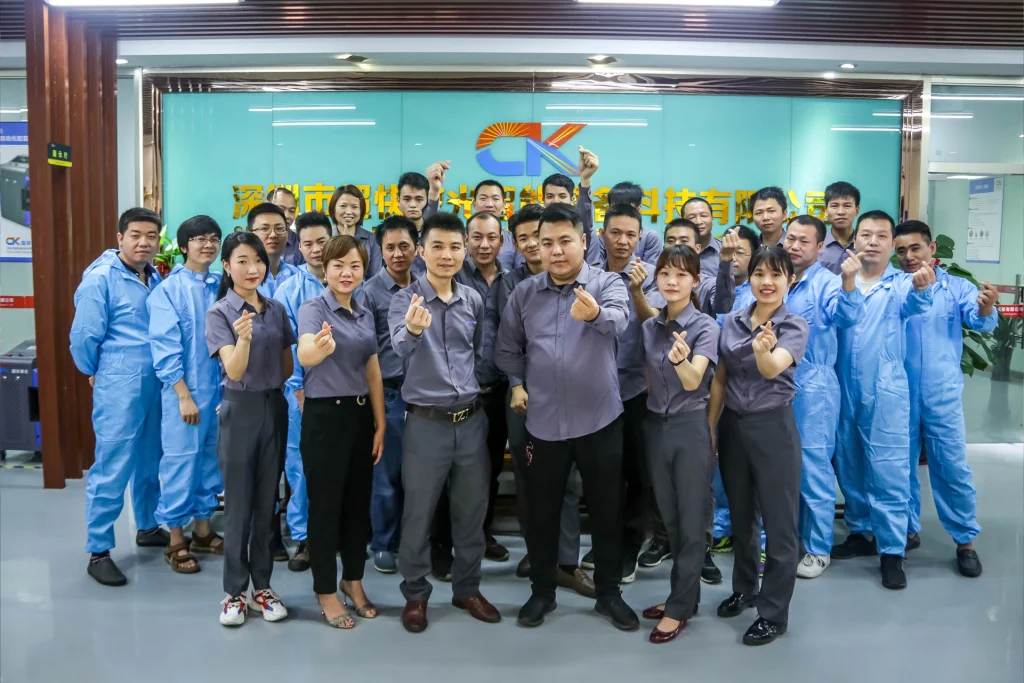
Super Fast Laser Technology Co.,Ltd., headquartered in Shenzhen, is currently the first domestic manufacturer who focuses on the R&D, production, and sales of laser cleaning machines. It has its own R&D team and production factory, placing it in a leading position in the laser cleaning field.
In 2026, their product lineup reflects the peak of efficiency and value, offering:
- Handheld Laser Cleaning Machine: Ergonomic designs for manual rust and paint removal.
- 6 Axis automatic Mold Laser Cleaning Machine: High-precision pulsed systems for the manufacturing sector.
- Automatic Transmission Brake pads Laser Cleaning Equipment: Specialized automotive solutions.
- Automatic Customized Solution: Tailored engineering for large-scale production lines.
By controlling the entire R&D process, Super Fast Laser Technology Co.,Ltd. has been able to optimize the laser cleaner cost for their clients, providing high-performance JPT and Raycus-integrated sources with local support that significantly reduces long-term maintenance expenses.
5. Maintenance and Operating Costs of Laser Systems
One of the reasons the upfront laser cleaner cost is higher than sandblasting is the lack of recurring consumable expenses. In 2026, the daily operating cost of a laser cleaner is remarkably low.
Electricity: A standard 2000W machine uses roughly $1 to $2 of electricity per day of operation.
Consumables: The only regular consumable is the protective lens, which prevents dust from reaching the laser optics. These lenses cost approximately $5 to $10 and typically last 1 to 2 weeks depending on the environment.
Maintenance: Unlike chemical baths or abrasive blasters, laser systems are virtually maintenance-free. Annual servicing, mainly checking the cooling system and filter elements, costs between $500 and $1,500.
6. ROI: Laser Cleaning vs. Traditional Methods
To justify the initial laser cleaner cost, businesses must look at the Return on Investment (ROI). In 2026, labor costs and environmental regulations have made traditional cleaning more expensive.
Traditional sandblasting involves media costs (sand/grit), waste disposal fees (especially for lead paint), and extensive PPE. A laser system eliminates the media and waste disposal entirely. Studies in 2026 show that a mid-range laser cleaning machine typically pays for itself within 8 to 14 months for a shop operating 20 hours a week. The 80% reduction in labor time is the primary driver of these savings.
7. Automation and Customized Solution Pricing
While handheld units are common, the trend in 2026 is toward the automatic customized solution. These systems integrate the laser cleaning head with robotic arms (such as the 6 Axis automatic Mold Laser Cleaning Machine).
The laser cleaner cost for an automated cell includes the robotic integration, safety enclosures (Class 4 laser protection), and PLC programming. These systems often start at $60,000 and can reach over $250,000 for complex multi-head configurations. However, for a high-volume manufacturer, the consistency and 24/7 uptime of an automated solution offer the lowest cost per part cleaned.
8. 2026 Laser Cleaner Cost Summary Table
}
| Machine Type | Power Level | Technology | Estimated Cost (USD) |
|---|---|---|---|
| Entry-Level Handheld | 1000W – 1500W | CW (Continuous) | $4,800 – $6,500 |
| Pro-Industrial Handheld | 2000W – 3000W | CW (Continuous) | $7,500 – $11,000 |
| Precision Portable | 100W – 200W | Pulsed | $8,500 – $13,000 |
| High-Energy Industrial | 500W – 1000W | Pulsed | $28,000 – $55,000 |
| Automated Mold Cleaner | 300W – 500W | 6-Axis Pulsed | $65,000 – $120,000 |
| Custom Production Line | Variable | Automated | $150,000+ |
9. Frequently Asked Questions (FAQs)
Why is the laser cleaner cost so high compared to a pressure washer?
Laser cleaning utilizes expensive fiber laser sources and precision optics. Unlike a pressure washer that uses mechanical force, a laser uses photon energy to selectively ablate material. The higher initial cost is offset by the lack of consumables and the ability to clean without damaging the surface.
Can I use a 3-in-1 laser welder as a cleaner?
Yes, many 2026 models are 3-in-1 systems (welding, cutting, cleaning). While they are excellent for general rust removal, they use CW technology. If you need precision cleaning for sensitive molds or aerospace parts, a dedicated pulsed system is required.
Does the laser cleaner cost include training and safety gear?
Reputable manufacturers like Super Fast Laser Technology Co.,Ltd. often include initial training and basic safety goggles in their quotes. However, for industrial setups, you should budget an additional $1,000 to $3,000 for comprehensive safety enclosures and advanced operator certification.
What is the lifespan of a 2026 laser cleaning machine?
The fiber laser source typically has a lifespan of 100,000 hours. If operated for 8 hours a day, the laser source can last over 30 years. The electronics and cooling systems are the components most likely to require updates after 10-15 years.
10. References
- International Laser Institute. (2025). Global Market Trends for Industrial Surface Treatment.
- Journal of Applied Physics. (2026). Comparison of Pulsed vs CW Ablation Rates in Carbon Steel.
In conclusion, the laser cleaner cost in 2026 is more affordable than ever, starting as low as $4,800 for high-power CW systems and scaling up for specialized pulsed and automated machinery. When choosing a system, it is vital to partner with experienced manufacturers like Super Fast Laser Technology Co.,Ltd. to ensure you receive a machine that matches your specific industrial requirements. Whether you are removing heavy rust in a shipyard or cleaning delicate molds in a cleanroom, the investment in laser cleaning technology provides a safer, faster, and more sustainable future for industrial manufacturing.