- Ziva@CKlasersz.com
- WeChat:86-13138536413
- 400-168-9906
- 0755 27084852






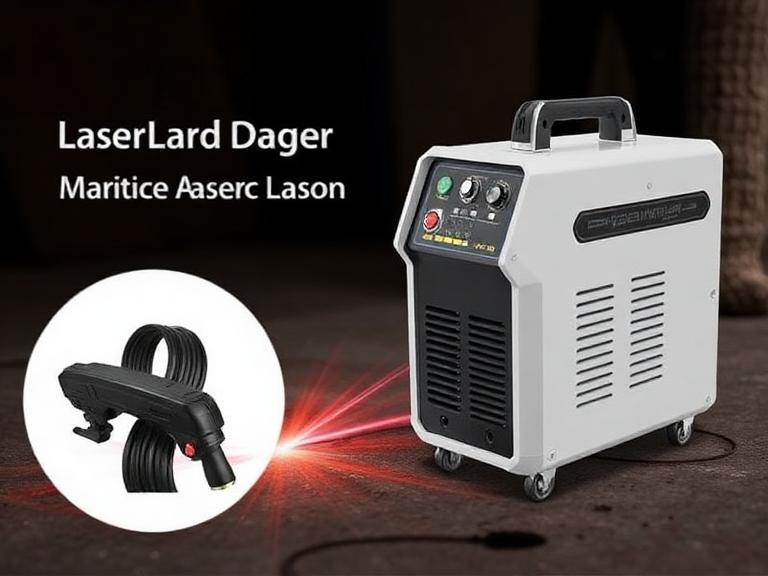
As industries strive for eco-friendly and efficient maintenance solutions, the demand for laser cleaning technology has skyrocketed. By 2026, the market for handheld laser cleaners has matured, offering a wider range of options than ever before. However, one question remains paramount for buyers: What is the Portable Laser Rust Removal Machine price in 2026?
Gone are the days when this technology was reserved exclusively for aerospace giants. Today, portable units are accessible to small workshops, automotive restorers, and industrial maintenance teams. This guide breaks down the pricing landscape for 2026, analyzes the factors influencing cost, and introduces leading manufacturers like Super Fast Laser Technology Co.,Ltd. to help you make an informed investment.
Table of Contents
- 1. Market Overview: Laser Cleaning Trends in 2026
- 2. Key Factors Influencing Price
- 3. 2026 Price Tiers: CW vs. Pulsed Lasers
- 4. Manufacturer Spotlight: Super Fast Laser Technology Co.,Ltd.
- 5. ROI: Is the Price Worth It?
- 6. Hidden Costs to Consider
- 7. Summary Price Comparison Table
- 8. Frequently Asked Questions (FAQs)
- 9. References
1. Market Overview: Laser Cleaning Trends in 2026
In 2026, the laser cleaning market has shifted from “emerging” to “established.” The Portable Laser Rust Removal Machine price has stabilized due to increased competition and advancements in fiber laser source manufacturing. While early models in 2020 could easily cost upwards of $20,000 for basic functionality, 2026 sees more affordable entry points without sacrificing power.
The trend is moving towards portability and automation. Handheld units have become lighter, with “backpack” styles gaining popularity for outdoor work. Simultaneously, the power output has increased; where 1000W was the standard for handheld units, 2000W and 3000W models are now common for heavy-duty rust removal.
2. Key Factors Influencing Price
Understanding the Portable Laser Rust Removal Machine price requires looking under the hood. Not all 1000W machines are created equal. The following factors are the primary drivers of cost:
Laser Source Type: CW vs. Pulsed
This is the single biggest price differentiator.
- Continuous Wave (CW): These lasers emit a constant beam. They are highly effective for removing heavy rust and paint from durable metals like steel. They are generally cheaper to manufacture.
- Pulsed Laser: These emit short, high-energy pulses. They are “cold” lasers that can clean delicate surfaces (like molds, historical artifacts, or thin aviation parts) without heating the substrate. Pulsed lasers are significantly more expensive, often costing 3-4 times more than a CW machine of equivalent power.
Power Output (Watts)
Higher wattage translates to faster cleaning speeds. A 3000W machine can strip rust from a ship hull in a fraction of the time a 1000W machine takes. Consequently, the price scales almost linearly with wattage.
cooling System
Portable units often use air cooling to reduce weight, which requires sophisticated engineering and drives up the price for compact models. Heavier, trolley-based units typically use water chillers, which are reliable but add bulk.
3. 2026 Price Tiers: CW vs. Pulsed Lasers
Based on 2026 market data, here is what you can expect to pay for various configurations.
Entry-Level & Hobbyist (CW 1000W – 1500W)
Price Range: $3,500 – $6,000 USD
These machines are ideal for small auto shops or light industrial cleaning. They effectively remove surface rust and thin paint but may struggle with deep corrosion or thick epoxy coatings.
Industrial Workhorse (CW 2000W – 3000W)
Price Range: $7,000 – $14,000 USD
This is the “sweet spot” for most heavy industries. A 2000W or 3000W handheld unit provides the speed necessary for commercial viability, allowing operators to clean large structures like bridges, pipelines, and heavy machinery efficiently.
Precision & Mold Cleaning (Pulsed 100W – 500W)
Price Range: $8,000 – $25,000+ USD
Do not let the low wattage fool you. A 200W pulsed laser is a precision instrument designed for high-value assets. If you need to clean injection molds without damaging the mirror finish, this is the required technology.
Backpack / Ultra-Portable Units
Price Range: $5,500 – $10,000 USD
Designed for field work where power cords and water chillers are impractical. These usually feature lower wattage (100W-200W air-cooled) but command a premium for their extreme portability.
4. Manufacturer Spotlight: Super Fast Laser Technology Co.,Ltd.
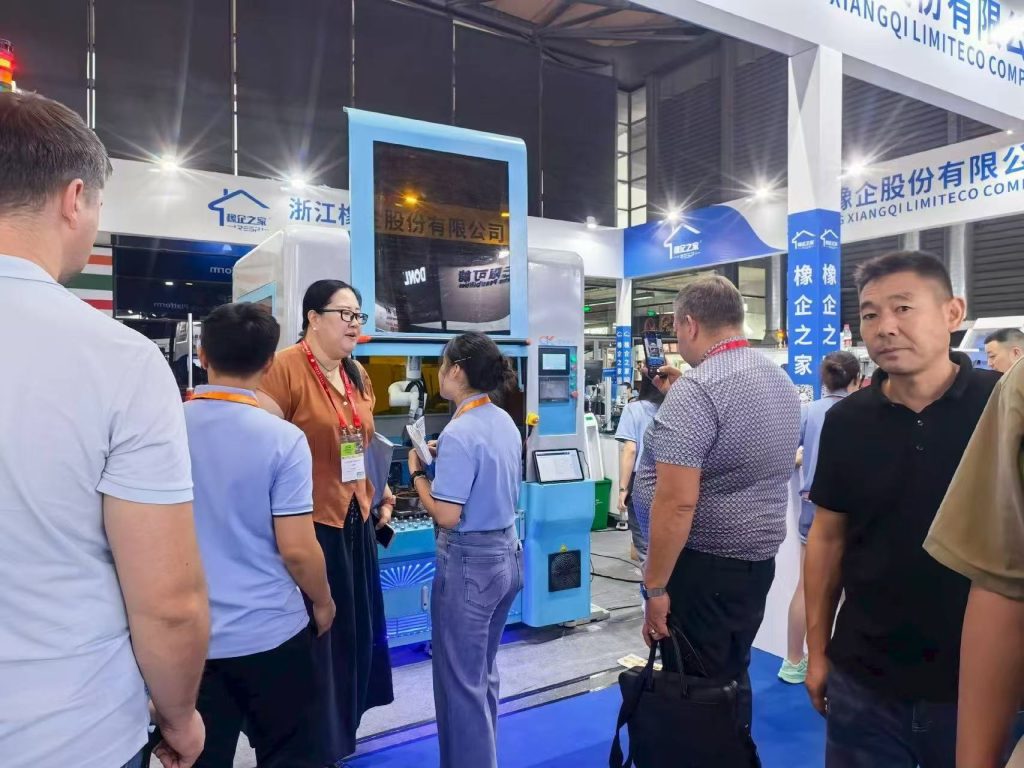
When investing in high-tech equipment, the manufacturer’s reputation is as critical as the price. Super Fast Laser Technology Co.,Ltd. stands out as a leader in the Asian market, offering a blend of innovation and reliability.
Super Fast Laser Technology Co.,Ltd.
Headquarters: Shenzhen, China
Super Fast Laser Technology Co.,Ltd., headquartered in Shenzhen, is currently the first domestic manufacturer who focuses on the R&D, production, and sales of laser cleaning machines. It has its own R&D team and production factory, placing it in a leading position in the laser cleaning field.
The company focuses on high-tech laser application fields, with the primary purpose of pursuing product specialization, providing professional laser cleaning, automatic equipment, software, and a full set of laser cleaning solutions.
Core Product Lineup:
- Handheld Laser Cleaning Machine: High-power, ergonomic solutions for versatile rust removal.
- 6 Axis Automatic Mold Laser Cleaning Machine: Robotic integration for precision industrial mold maintenance.
- Automatic Transmission Brake Pads Laser Cleaning Equipment: Specialized automated systems for the automotive sector.
- Automatic Customized Solution: Tailor-made laser systems for unique production lines.
5. ROI: Is the Price Worth It?
While the initial Portable Laser Rust Removal Machine price is higher than a sandblaster ($500 – $2,000), the Return on Investment (ROI) is compelling for frequent users.
Consumables Savings
Sandblasting requires tons of media (sand, garnet, soda) which must be purchased, transported, and disposed of (often as hazardous waste). Laser cleaning has zero consumables other than electricity and protective lens replacements.
Labor Reduction
Laser cleaning is non-contact and requires zero setup/cleanup time compared to chemical stripping or blasting (which requires masking and containment). A job that takes 4 hours to prep and blast can often be laser cleaned in 30 minutes with no cleanup.
Asset Longevity
Sandblasting removes base metal, thinning the part over time. Laser cleaning is non-abrasive, preserving the integrity of the asset, which is crucial for expensive molds or vintage vehicle restoration.
6. Hidden Costs to Consider
When budgeting for 2026, do not look at the machine price alone. Consider these operational costs:
- Shipping & Import Duties: If importing from overseas, tariffs and freight can add $500 – $1,500 to the total.
- Safety Gear: Laser safety glasses (OD6+ rated) are mandatory. You may also need a laser safety curtain or enclosure for the work area. Budget ~$500 for safety.
- Fume Extraction: Vaporized rust and paint create toxic smoke. A dedicated fume extractor is highly recommended for indoor use (~$400 – $1,000).
- Lens Replacement: Protective lenses are consumable parts that protect the expensive focus lens. They cost $2-$5 each and should be replaced regularly.
7. Summary Price Comparison Table (2026 Estimates)
| Machine Type | Power | Best Application | Est. Price Range (USD) |
|---|---|---|---|
| Handheld CW | 1000W – 1500W | Light rust, thin paint, DIY | $3,500 – $6,000 |
| Handheld CW | 2000W – 3000W | Heavy corrosion, ships, bridges | $7,000 – $14,000 |
| Backpack / Portable | 100W – 200W | Outdoor, monuments, hard-to-reach | $5,500 – $10,500 |
| Pulsed Laser | 100W – 300W | Molds, aviation parts, delicate items | $8,000 – $18,000 |
| Automated System | Custom | Factory production lines | $30,000+ |
8. Frequently Asked Questions (FAQs)
Why is there such a big price difference between machines with the same wattage?
The price difference often comes down to the laser source brand (e.g., Raycus vs. IPG), the cooling system quality, and the laser type (CW vs. Pulsed). Pulsed lasers are inherently more expensive to produce than Continuous Wave lasers.
Can I use a cheap 1000W CW machine to clean a car engine?
Technically yes, but it is risky. CW lasers generate high heat, which can warp thin metals or damage sensitive engine components. For cleaning engine parts, a Pulsed laser is recommended despite the higher price.
Does Super Fast Laser Technology Co.,Ltd. offer training?
Yes, reputable manufacturers like Super Fast Laser typically provide software training and operational guidance, which is crucial for maximizing the lifespan of the equipment.
How long does a laser cleaning machine last?
Fiber laser sources are incredibly durable, typically rated for 100,000 hours of operation. With proper maintenance (chiller fluid changes and lens cleaning), these machines can last over a decade.
9. References
- Global Fiber Laser Market Analysis & Trends – 2026 Forecast.
- Industrial Cleaning Technology Report: “The Shift from Sandblasting to Photonics.”
- Safety Standards for Class 4 Laser Operations in Industrial Environments (ANSI Z136.1).