- Ziva@CKlasersz.com
- WeChat:86-13138536413
- 400-168-9906
- 0755 27084852





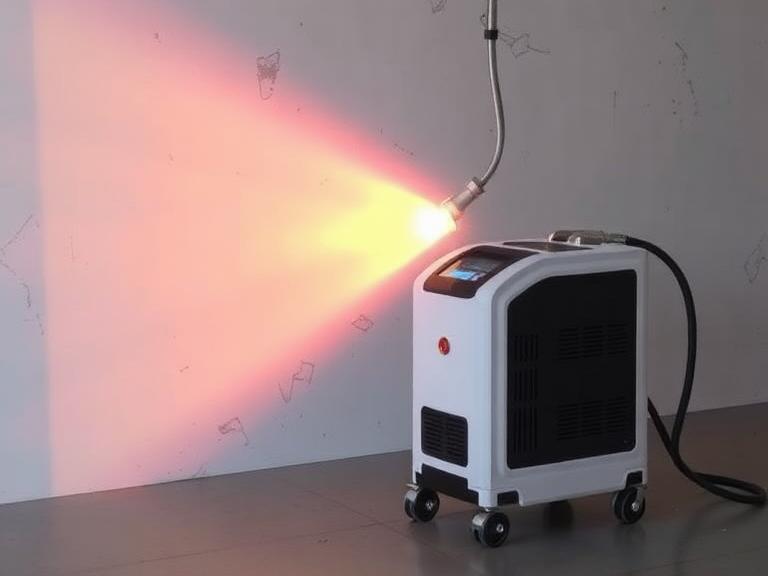
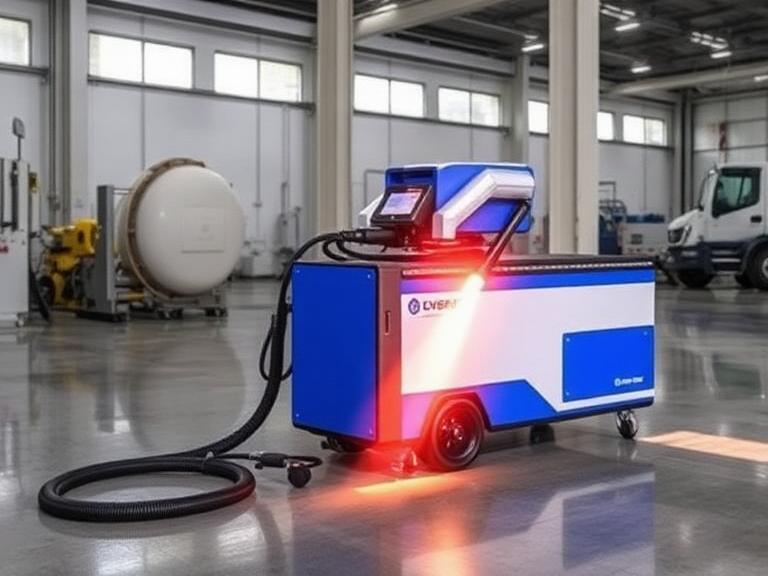
As industrial maintenance transitions from traditional, highly abrasive methods to non-contact, precision-based technologies, a common question arises among entrepreneurs and industrial service providers: is a laser rust removal business profitable in the current economic landscape? At Super Fast Laser Technology Co.,Ltd., headquartered in Shenzhen, we stand as the first domestic manufacturer focusing extensively on the research, development, production, and sales of laser cleaning machines. From our experience leading this high-tech sector, we can affirmatively state that the demand for eco-friendly, highly efficient surface preparation has never been higher.
Understanding what makes a laser rust removal business profitable requires a deep dive into capital expenditures, operational cost reductions, and the vast array of commercial applications available in 2026. Unlike traditional sandblasting or chemical stripping, laser ablation eliminates secondary waste, drastically reduces labor hours, and protects the underlying substrate. In this comprehensive guide, we will break down the financial architecture, technological advancements, and strategic positioning required to ensure your laser rust removal business profitable model scales successfully.
Table of Contents
- Summary Table: Profitability Metrics in 2026
- The 2026 Industry Landscape for Laser Cleaning
- Financial Breakdown: Why a Laser Rust Removal Business Profitable Model Works
- Targeting Lucrative Industrial Niches
- Automation and Scaling Your Operations
- Expert Recommendations for Profit Maximization
- Frequently Asked Questions (FAQs)
- Industry References
Summary Table: Profitability Metrics in 2026
To provide a clear overview of the financial landscape, we have summarized the key metrics that render a laser rust removal business profitable in today’s market compared to traditional abrasive blasting operations.
| Metric | Traditional Sandblasting | Laser Rust Removal (2026 Standard) | Impact on Profitability |
|---|---|---|---|
| Consumable Costs | High (Grit, sand, water, chemicals) | Near Zero (Electricity only) | Drastically increases operating margins per hour. |
| Waste Disposal | High (Contaminated media disposal) | Zero (Fume extraction captures microscopic dust) | Eliminates hazardous waste management fees. |
| Substrate Damage | Moderate to High (Micro-abrasions) | Zero (Non-contact photon ablation) | Allows entry into high-margin aerospace and heritage restoration. |
| Setup and Cleanup Time | Extensive (Containment tents, masking) | Minimal (Instant start/stop) | Increases billable hours per day, making the laser rust removal business profitable. |
| Automation Capability | Difficult and messy | High (Seamless robotic integration) | Enables 24/7 autonomous operations and rapid scaling. |
The 2026 Industry Landscape for Laser Cleaning
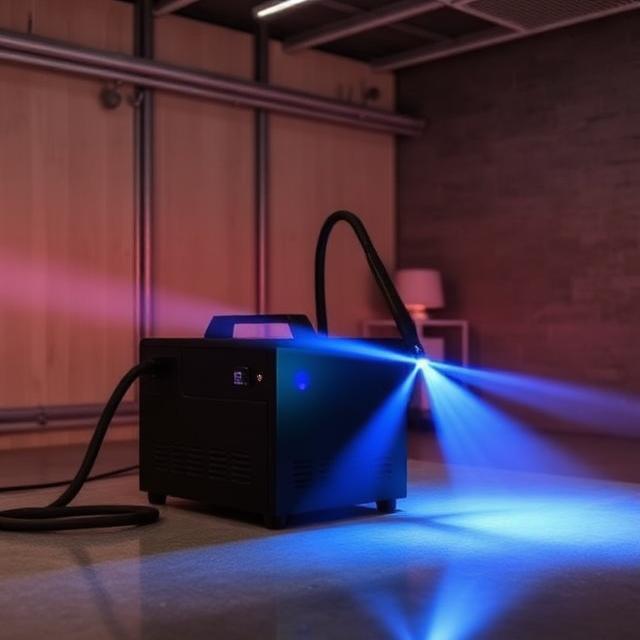
The industrial sector is undergoing a massive shift toward sustainable manufacturing and maintenance practices. Environmental regulations globally have strictly limited the use of harsh chemical solvents and airborne abrasive particulates. This regulatory shift is a primary driver making a laser rust removal business profitable. When companies are faced with massive fines for environmental non-compliance, they eagerly outsource to service providers utilizing clean laser technology.
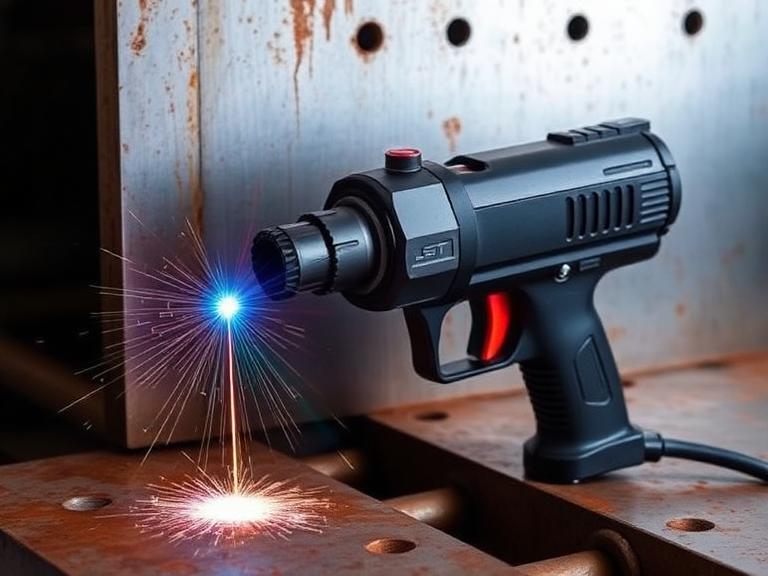
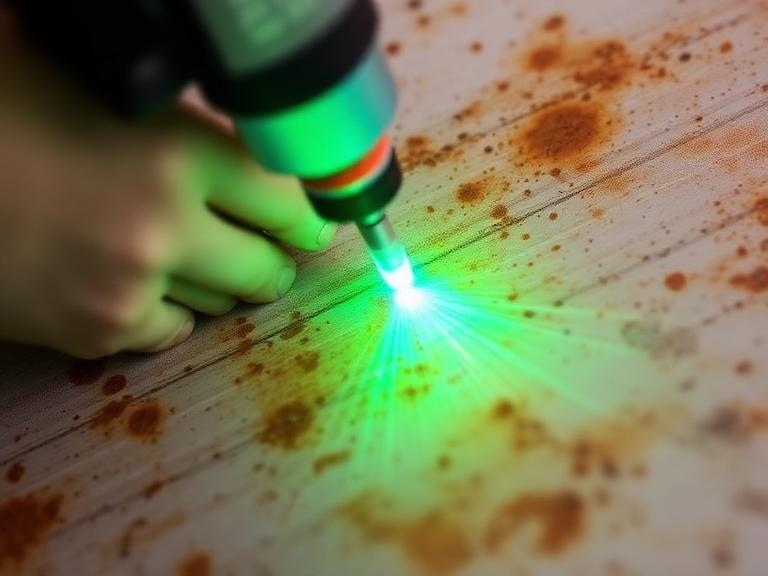
Laser cleaning operates on the principle of ablation. High-intensity, short-pulse laser beams are directed at a rusted or contaminated surface. The rust layer absorbs the laser energy, instantly vaporizing into a gas and microscopic dust, which is safely vacuumed away. Because the underlying metal reflects the laser light, there is no damage to the substrate. We recommend educating your potential clients on this non-destructive testing (NDT) compatible cleaning method, as it heavily justifies premium service pricing.
Furthermore, the barrier to entry regarding equipment usability has lowered. Modern solid-state fiber lasers require minimal maintenance compared to legacy gas lasers. With an estimated lifespan of up to 100,000 hours for the laser source, the amortization of the equipment is incredibly favorable over a five to ten-year business plan. This extended equipment lifecycle is a cornerstone of keeping a laser rust removal business profitable.
Financial Breakdown: Why a Laser Rust Removal Business Profitable Model Works
To accurately assess if a laser rust removal business profitable outcome is achievable for your specific region, we must analyze the Capital Expenditure (CAPEX) versus Operational Expenditure (OPEX).
Understanding Capital Expenditure (CAPEX)
The initial investment for commercial-grade laser cleaning equipment is undeniably higher than purchasing a standard sandblasting pot and air compressor. A reliable continuous wave (CW) or pulsed fiber laser can represent a significant upfront cost. However, from our experience, this CAPEX is rapidly offset by the elimination of ongoing consumable purchases. When drafting your business plan, the laser rust removal business profitable margin becomes evident when you calculate the cost of abrasive media, transportation of that media, and the specialized disposal of contaminated media over a 12-month period.
Minimizing Operational Expenditure (OPEX)
The operational costs of a laser cleaning system are remarkably low. The primary cost is electrical power, which typically amounts to just a few dollars per operational hour. There are no chemicals to replenish, no water to treat, and no heavy bags of garnet or slag to transport. Furthermore, protective gear is vastly simplified. Operators only require certified laser safety glasses, eliminating the need for expensive, heavy, and hot supplied-air respirators (blast suits). By minimizing these hourly operational costs, the gross margin on your hourly service rate expands, making the laser rust removal business profitable almost immediately after the break-even point is reached.
Targeting Lucrative Industrial Niches
A highly successful laser rust removal business profitable strategy relies on targeting industries where traditional cleaning methods fail or cause unacceptable damage. We recommend focusing your sales efforts on the following high-value sectors:
Automotive and Tire Manufacturing
In the automotive sector, precision is everything. Tire molds accumulate vulcanization residue and release agents over time, leading to defective products. Traditional sandblasting degrades the mold dimensions, forcing early mold replacement. At Super Fast Laser, we developed our proprietary Tire Mold Online Cleaning Equipment specifically for this niche. By offering specialized mold cleaning services, you protect the client’s expensive tooling while charging a premium rate, rendering this specific application of your laser rust removal business profitable and highly sought after.
Aerospace and Aviation
Aircraft components are manufactured to exacting tolerances. Removing oxidation or old coatings from aluminum and titanium aircraft skin requires a delicate touch. Laser cleaning allows for layer-by-layer coating removal without altering the metallurgical properties of the substrate. Aerospace clients possess large maintenance budgets and are willing to pay top tier pricing for safe, non-destructive cleaning.
Historical Restoration and Heritage Preservation
Restoring cast iron gates, bronze statues, and historical masonry requires an incredibly gentle process. Chemical strippers can leach into stone, and sandblasting destroys fine artistic details. A low-power, pulsed laser cleaning machine can gently ablate oxidation and pollution crusts without damaging the historical artifact. This niche market relies heavily on reputation, and securing governmental or municipal contracts makes this branch of a laser rust removal business profitable.
Automation and Scaling Your Operations
While mobile, handheld laser cleaning is excellent for field service, the true path to generating massive revenue lies in industrial automation. To keep a scaling laser rust removal business profitable, you must transition from manual labor to continuous, automated processing.
From our experience working with top-tier manufacturing facilities, integrating automated solutions drastically reduces overhead. We supply the AGV online automatic cleaning machine (Automated Guided Vehicle), which navigates factory floors to clean specific components without human intervention. Furthermore, for continuous production lines, our Automatic Robot Cleaning Machine can be programmed to clean pipes, plates, or complex geometries 24 hours a day, 7 days a week. By offering equipment leasing, maintenance, and programming services around these automated systems, you elevate your business from a simple service provider to a high-tech integration partner. This multi-tiered revenue approach ensures that your laser rust removal business profitable growth continues year over year.
Expert Recommendations for Profit Maximization
As pioneers in the high-tech laser application field, we strongly advise new entrants to pursue product specialization and professional execution. A laser rust removal business profitable trajectory is not accidental; it is engineered. We recommend the following steps:
- Invest in Pulsed vs. Continuous Wave (CW) Wisely: Understand the difference between laser sources. CW lasers are excellent and cost-effective for thick, heavy rust on structural steel. Pulsed lasers are more expensive but necessary for delicate molds, aerospace parts, and historical restoration where heat input must be strictly limited.
- Offer a Full Set of Solutions: Do not just sell rust removal. Offer coating removal, pre-weld surface preparation, and post-weld oxidation cleaning. The more problems you solve for a client, the more indispensable your service becomes.
- Partner with a Leading Manufacturer: Equipment reliability is the lifeblood of your operation. At Super Fast Laser Technology Co.,Ltd., our dedicated R&D team and production factory ensure that you receive cutting-edge, reliable machinery backed by full software and integration support. Downtime destroys profitability; reliable hardware protects it.
Frequently Asked Questions (FAQs)
What is the initial investment required to make a laser rust removal business profitable?
The initial investment varies widely based on the wattage and type of laser (Pulsed vs. Continuous Wave). Generally, commercial-grade systems range from twenty thousand to over one hundred thousand dollars. However, because operating costs are exceptionally low (only electricity), businesses often achieve a positive Return on Investment (ROI) within 8 to 14 months, making the laser rust removal business profitable quite rapidly.
Can laser cleaning entirely replace sandblasting?
While laser cleaning is superior in terms of environmental impact, precision, and substrate protection, sandblasting is still used for bulk removal on massive, low-value structures where containment is not an issue. However, for precision tooling, automotive, aerospace, and environmentally sensitive areas, laser cleaning is rapidly replacing abrasive methods, capturing high-margin contracts and ensuring a laser rust removal business profitable operation.
Do I need special permits to operate a laser cleaning business?
Laser cleaning machines are typically Class 4 laser devices. While general business licenses are required, you must also adhere to strict OSHA (or local equivalent) laser safety standards. This includes erecting laser-safe perimeters and requiring all personnel to wear designated optical density (OD) safety eyewear. Proper safety compliance is vital to keeping your laser rust removal business profitable and avoiding regulatory fines.