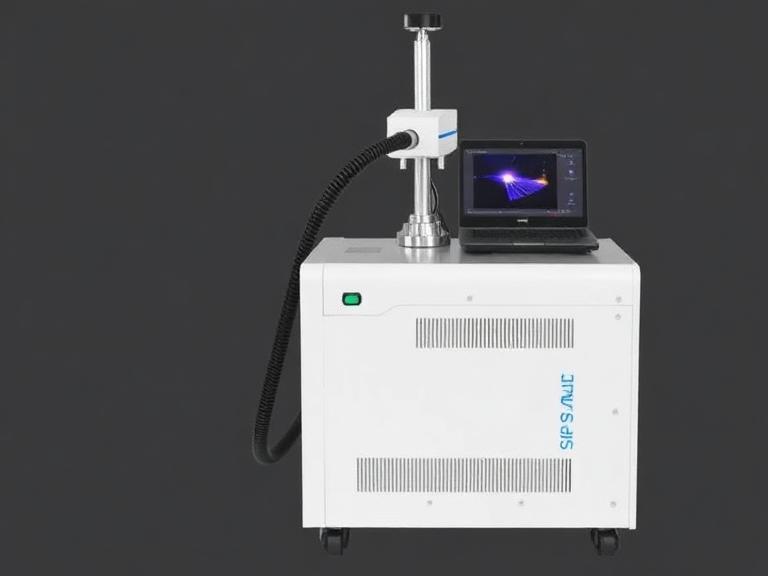
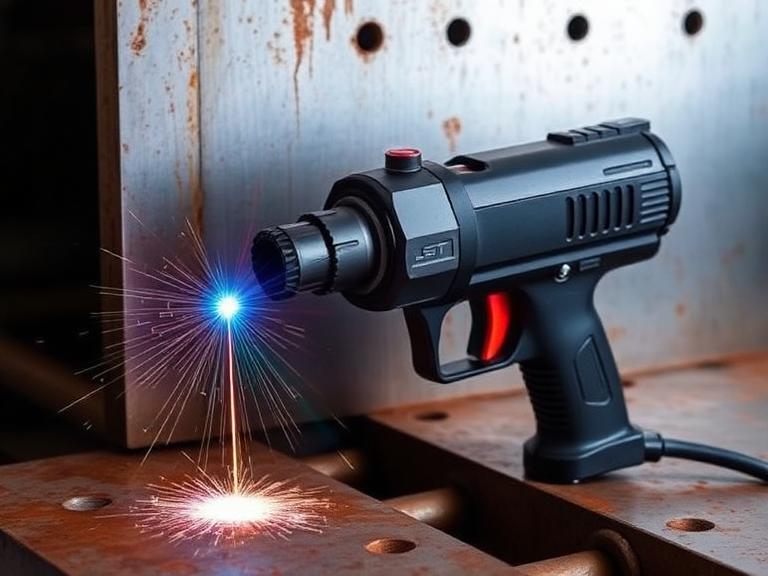
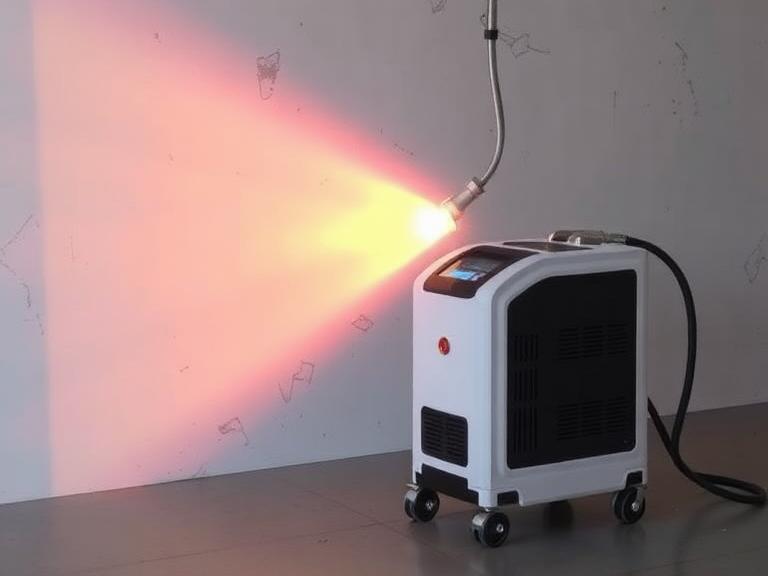
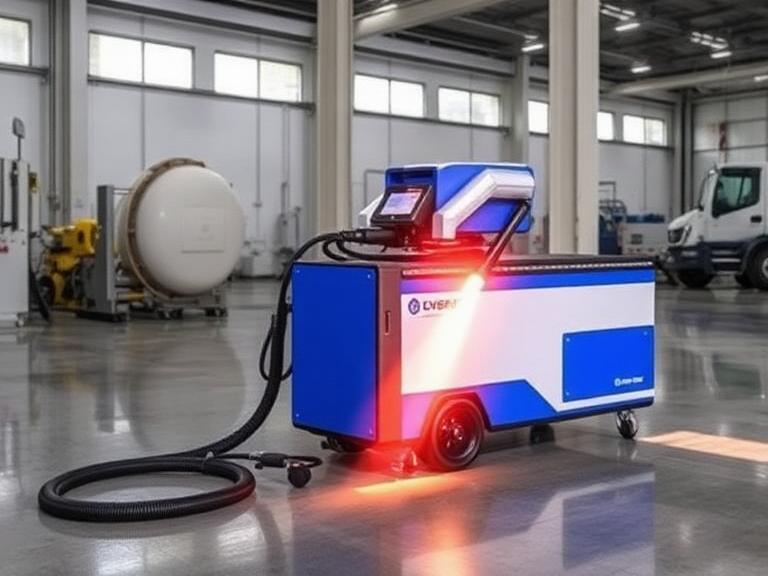
7 industries use laser cleaning machines

7 industries use laser cleaning machines

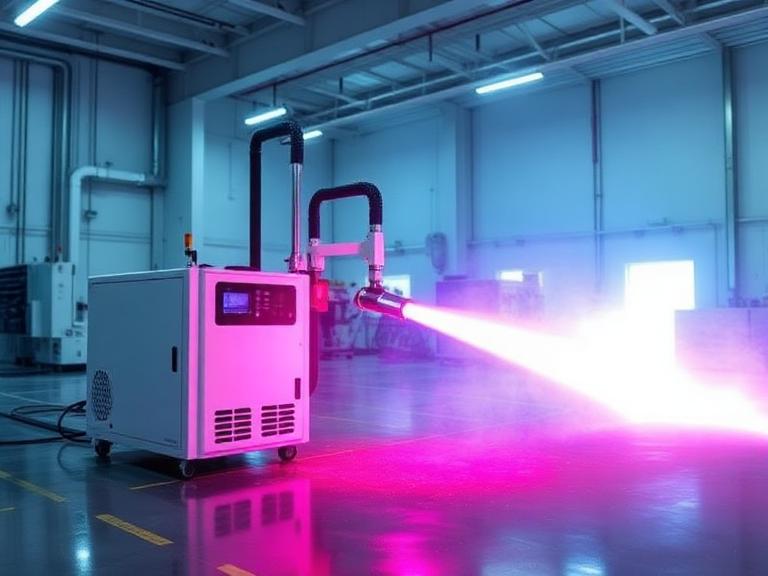
The global manufacturing and heavy industrial maintenance sectors in 2026 are experiencing a profound technological shift away from traditional chemical washing, abrasive sandblasting, and mechanical grinding methods. Modern production facilities demand clean, non-contact, and environmentally stable techniques to handle surface de-oxidation, coating removal, and micro-contaminant clearance. Traditional physical ablation methods carry significant liabilities, including high consumable operating costs, structural distortion from chemical stress, and hazardous secondary dust waste. Advanced laser decoating machines have replaced these legacy routines, using high-intensity photonic pulses to clear sub-micron oxide layers cleanly without altering underlying metallurgy lines.

7 industries use laser cleaning machines

根据我们在 超快激光, implementing laser-based surface preparation requires an absolute focus on pulse frequency control, peak irradiance calculations, and localized thermal dynamics. Project managers frequently make the structural mistake of utilizing inadequate power tiers for severe-service industrial applications, failing to realize that beam focus and scanning velocity completely dictate target throughput. Examining exactly how 7 industries use laser cleaning machines ensures that production managers, maintenance directors, and procurement operations maximize their capital asset returns while securing long-term operational efficiency.

目录

1. The Material Physics and Ablation Dynamics of Photonic Cleaning

To accurately understand how distinct industrial sectors deploy non-destructive laser cleaning, one must analyze the microstructural physics of laser ablation. When high-frequency, nanosecond-pulsed laser beams hit a coated metal substrate, the surface contaminant layer—whether it consists of iron oxide rust, industrial paint, protective vulcanized oil, or polymer residue—absorbs the concentrated photonic energy instantly. This rapid absorption triggers localized thermal expansion, generating high shockwaves that strip the impurities from the underlying alloy structure.

We recommend mandating high-purity laser sources with programmable scan widths to optimize energy transfer across sensitive production lines. Because different contaminants exhibit unique light absorption thresholds, tuning the pulse width ensures that the cleaning beam removes the top residue layer completely while bouncing harmlessly off the base metal substrate. This precise control path keeps your process free from micro-cracking, structural wear, or surface thinning, making it an excellent match for severe-service component maintenance programs worldwide.

2. Deep Dive: 7 Industries Use Laser Cleaning Machines

The following technical assessments profile seven primary manufacturing and maintenance fields where automated laser cleaning systems deliver critical reliability, safety, and operational cost savings.

1. Automotive Manufacturing and Electric Vehicle Battery Frame Line Assembly

1. Automotive Manufacturing and Electric Vehicle Battery Frame Line Assembly

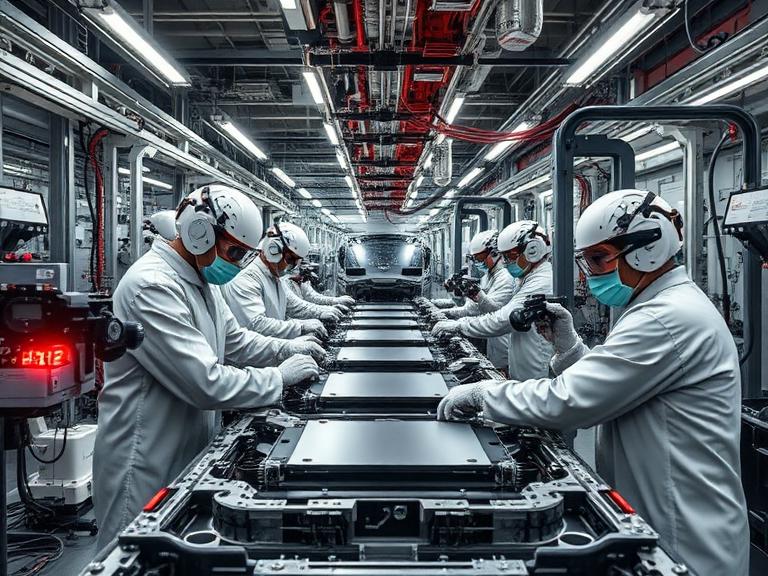
The automotive industry operates on automated high-speed line setups where structural integrity and weld cleanliness are critical. Before completing robotic laser welding on vehicle chassis components or structural electric vehicle battery enclosures, all traces of anti-corrosion oils, lubricants, and protective primers must be removed completely. Failing to clean these areas leads to porous welds and premature joint failure under road vibration stresses.

From our experience, integrating inline pulsed fiber laser heads into automated manufacturing grids solves this contamination challenge without adding process delay. The non-contact beam tracks along intended weld seams at millimeter-per-second velocities, vaporizing surface oils instantly while preserving structural margins. This quick cleaning step ensures maximum copper and steel fusion during subsequent welding, helping modern automotive brands maintain high safety ratings.

2. Aerospace Engineering, Aircraft Depot Maintenance, and Coating Removal

Commercial and defense aircraft undergo rigorous depot maintenance schedules to screen for hidden micro-fractures along aluminum alloy skins and titanium structural ribs. Traditional chemical paint strippers generate thousands of gallons of toxic liquid waste and can cause hydrogen embrittlement inside high-strength aviation alloys, creating severe structural safety hazards.

We recommend using high-power laser cleaning systems for large-scale aerospace decoating tasks. The laser beam vaporizes old epoxy primers and polyurethane coats cleanly, turning the residue into dry particulates that are safely captured by integrated vacuum filtration systems. This advanced process preserves the delicate metal skins, lowers maintenance labor windows, and ensures that critical inspection teams can scan raw structural surfaces with absolute accuracy.

3. Marine Engineering, Vessel Shipyards, and Sea-Port Hull De-Oxidation

Ocean-going vessels and coastal port infrastructures operate in aggressive marine environments where continuous salt spray accelerates oxidation, forming thick layers of iron rust and barnacle encrustations on steel hulls. Traditional sandblasting routines pollute surrounding coastal waters with toxic copper slag dust and require heavy transport logistics to handle raw abrasives.

To establish eco-friendly cleaning workflows, modern shipyards implement high-output continuous-wave laser systems to handle heavy surface scaling. These ruggedized units strip away thick layers of marine oxidation and old anti-fouling coatings quickly, exposing clean metal anchors for new protective paint applications. To analyze initial investment metrics and evaluate how mobile hardware simplifies field layouts across dry docks, procurement managers can read our comprehensive 便携式激光除锈机价格 指导。.

4. Rail Transit Systems, Locomotive Wheel-Set, and Track Maintenance

High-speed rail passenger links and heavy cargo rail lines experience continuous frictional stress, causing micro-wear patterns along locomotive wheel-sets, brake rotors, and track switches. Over years of service, iron oxide rust, leaf debris film, and heavy axle greases form a slick crust that reduces wheel traction and lowers braking efficiency.

Deploying mobile laser cleaning trucks allows transit engineering teams to clean active rail switches and wheel profiles without damaging critical tracking geometry. This precision maintenance process increases braking safety and prevents track signal errors. For a wider view of how automated laser networks optimize heavy infrastructure transit operations, logistics planners can read our comprehensive study covering the 工业激光清洗机 2026 segment.

5. Electronics Manufacturing and Semiconductor Circuit Board Processing

The micro-electronics and semiconductor fields operate inside high-purity cleanroom facilities where trace dust particles or chemical residues can ruin entire silicon wafer batches. Before soldering complex micro-components or connecting gold leads to printed circuit boards (PCBs), oxide films on connection terminals must be removed completely.

Low-power, short-pulse ultraviolet laser systems provide the precise control needed for these delicate tasks, removing microscopic oxides without generating heat that could warp nearby circuit structures. This precise cleaning capability protects fine electrical connections and boosts production yields for electronics manufacturers. For teams looking to balance equipment specifications against annual target expenses, managers can review our cost analysis outlining the complete 2026 年激光清洗机成本指南.

6. Power Generation Infrastructure, Nuclear Decontamination, and Turbine Care

Power generating stations—including high-pressure gas facilities, hydroelectric dams, and nuclear reactors—rely on massive steam turbines and heat exchanger tube bundles to maintain grid power output. These internal metal components develop tough oxide scaling over time that lowers heat transfer rates and reduces overall aerodynamic efficiency.

High-power pulsed lasers can clean turbine rotor blades inside the generation hall, removing calcified scale layers without altering the precise balancing weights of the blades. In nuclear maintenance, laser ablation provides an elegant way to remove radioactive surface scale from piping networks, focusing the radioactive dust directly into specialized HEPA capture systems to protect maintenance personnel from radiation exposure.

7. Military Defense Equipment Overhaul, Weapon Restoration, and Armor Refurbishment

Military logistics depots manage massive refurbishments of armored vehicles, tactical logistics trucks, and artillery pieces returning from active field environments. These heavy defense assets are typically covered in thick layers of chemical-agent-resistant coatings (CARC), engine carbon soot, and rust pitting that must be cleared away before applying fresh camouflage armor coats.

Laser cleaning machines allow defense depots to strip rugged CARC paint layers and clean complex weapon mechanisms quickly without using abrasive media that could damage tight mechanical tolerances. To analyze how high-output hardware optimizes field depot speeds, defense procurement directors can study our detailed investment review covering the 美国 1000W 激光清洗机价格 market.

3. Comprehensive Sourcing and Technical Configuration Summary Matrix

To help manufacturing directors, procurement managers, and facility layout engineers select the ideal equipment, the following responsive summary table details the technical parameters and advantages across the 7 industries use laser cleaning machines.

Target Industry ClassRecommended Laser SystemPrimary Target ContaminantCore Application SpacePrimary Operational Advantage
1. Automotive Line100W – 300W Pulsed FiberAnti-corrosion oils & primersWeld seam preparation zonesEliminates weld porosity without process delays
2. Aerospace Depot500W – 1000W Pulsed FiberPolyurethane & epoxy coatsAircraft skin paint strippingPrevents hydrogen embrittlement in sensitive alloys
3. Marine & Shipyards2000W – 3000W ContinuousThick salt rust & scale coatingsVessel hull refurbishment baysEliminates toxic slag dust and blasting logistics
4. Rail Transit300W – 500W Mobile PulsedOxides, oil grime, and track filmLocomotive wheel-set arraysPreserves wheel-set dimensions to ensure safety
5. Electronics Assembly20W – 50W UV / MOPA LaserMicroscopic tarnish & oxidesPCB terminal connection pointsZero thermal strain on delicate micro-components
6. Power Generation1000W High-Energy PulsedCalcified scale & radioactive dustTurbine blade maintenance roomsMaintains balancing weights without metal loss
7. Military Defense1000W – 2000W Heavy PulsedChemical-resistant paint (CARC)Armored vehicle overhaul facilitiesCleans complex weapon parts safely without metal wear

4. Key Hardware Selection and Capital Investment Parameters

Sourcing commercial-grade laser equipment requires an engineering review that goes deeper than basic retail pricing points. Because industrial cleaning applications span diverse material limits and manufacturing speeds, system configurations must be carefully matched to your specific workload. Before approving a factory bulk purchase order, engineering teams must evaluate four critical technical pillars:

  • Pulsed vs. Continuous-Wave Laser Selection: Pulsed laser cleaning systems deliver precise energy bursts, making them ideal for high-accuracy fields like aerospace, electronics, and automotive assembly where thermal strain must be avoided. Continuous-wave lasers project a steady stream of energy, delivering the high power needed to strip thick rust from massive structures in marine shipyards.
  • Fume Extraction and Safety Integration: Vaporizing industrial paint and chemical coatings generates fine micro-particles and airborne fumes. The cleaning system must integrate heavy-duty dust extraction and multi-tier carbon filtration units to capture vaporized residues safely, keeping your shop environment compliant with local air quality standards.
  • Optical Galvanometer Scanning Controls: The handheld cleaning head should incorporate programmable scanning mirrors that allow operators to adjust the beam path into linear, circular, or cross-hatched patterns. This flexibility allows you to tailor the cleaning pass to match specific profile shapes, ensuring uniform coverage across curved brackets or flat plates.
  • Diode Longevity and Enclosure Seals: For factories with high dust or humidity levels, the main laser power source must be housed within a sealed, dust-proof cabinet carrying a certified industrial protection rating. Specifying premium laser diodes ensures stable beam quality and high reliability over long production runs.

5. Sourcing Innovation: The Super Fast Laser Technical Standard

5. Sourcing Innovation: The Super Fast Laser Technical Standard
{“data”:{“playId”:””,”capability_key”:[“erase”],”stickerId”:””,”pictureId”:”88269DD4-AE3A-4282-A7BB-B273CA855563″,”enter_from”:”enter_launch”,”filterId”:””,”imageEffectId”:””,”capability_extra_v2″:{“erase”:[{“panel”:”eliminatePen”}]},”effect_id”:”erase”,”appversion”:”13.3.0″,”effect_type”:”tool”,”activityName”:””,”infoStickerId”:””,”os”:”ios”,”product”:”retouch”},”source_type”:”douyin_beauty_me”}

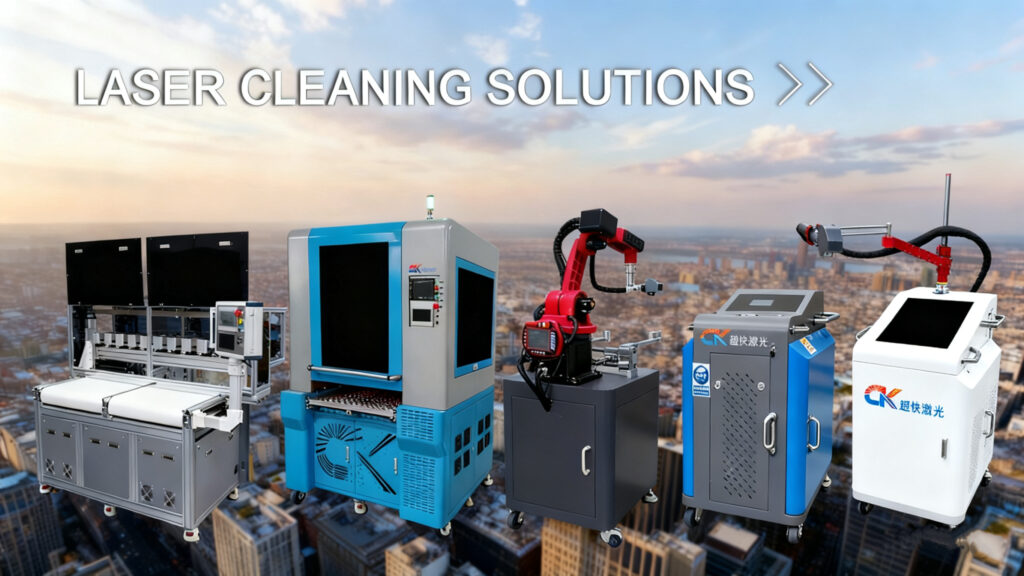
While mastering the parameters of laser ablation is essential for production planning, deploying a reliable tactical fleet relies on selecting a trusted aerospace manufacturing partner. Super Fast Laser Technology Co.,Ltd., headquartered in Shenzhen, is currently the first domestic manufacturer who focuses on the R&D, production, and sales of laser cleaning machines. It has its own R&D team and production factory, placing it in a leading position in the laser cleaning field. Our state-of-the-art facility utilizes computerized testing platforms and advanced optical assembly labs to deliver outstanding machine reliability across all seven major industries.

By controlling our raw component procurement, firmware development, and final optical tuning loops, we ensure our machinery matches the tight processing tolerances required by international defense, automotive, and aerospace developers. To help your engineering group select the optimal beam configuration for multi-material rust and paint tracking, you can explore our comprehensive product guide covering 用于除锈和除漆的激光清洗. Sourcing directly from our centralized, quality-certified manufacturing facilities eliminates intermediate retail markups, shortens project engineering lead times, and guarantees reliable part performance to secure your global industrial investments.

6.常见问题

What are the primary fields among the 7 industries use laser cleaning machines?

Laser cleaning is utilized across automotive assembly lines, aerospace depot maintenance, marine vessel shipyards, rail transit track maintenance, electronics manufacturing, power generation plants, and military defense equipment facilities to handle safe coating and rust removal.

Does laser rust removal cause thickness loss or micro-cracking on the base metal?

No. Because the laser parameter is tuned specifically to the absorption profile of the contaminant layer, the energy vaporizes the surface rust while reflecting harmlessly off the underlying base metal, leaving the structural dimensions completely intact.

What is the functional advantage of a pulsed laser system over a continuous-wave laser?

Pulsed lasers deliver high-peak energy bursts with minimal heat transfer, making them optimal for delicate parts like aerospace skins or electronics where warping must be avoided. Continuous lasers provide a steady energy beam, maximizing stripping speeds on thick coatings in heavy shipyards.

How does Super Fast Laser protect operators from fine dust during paint stripping tasks?

Our industrial laser cleaning machines incorporate synchronized fume extraction ports directly onto the cleaning head. This design pulls vaporized particulates straight into multi-stage HEPA filters instantly, protecting your shop environment and keeping operators safe.

7. Technical and International Metrology References

1. International Organization for Standardization. (2024). Safety of machinery — Laser processing machines — Part 1: General safety requirements and surface preparation standards (ISO Standard No. 11553-1:2020). Geneva, Switzerland. Available via the official repository at (https://www.iso.org/)

2. Laser Institute of America (LIA). (2025). Industrial Guide for Safe Laser Ablation, Pulse Width Calibration, and Threshold Metrics across Multi-Layer Alloy Assemblies. LIA Technical Portfolio.

3. American National Standards Institute. (2026). Safe Use of Lasers in Manufacturing and Material Processing Environments (ANSI Z136.9). Structural Defense Reference Database.

最新文章

7 industries use laser cleaning machines

6 Best laser cleaning machines for rust removal on classic cars

激光清洗能有效清除表面的 8 种材料和污染物

100 瓦、1500 瓦或 3000 瓦激光清洗机可以处理哪些清洗工作?

评估用醋还是 WD-40 更好地去除金属部件上的锈迹

The Ultimate Speed Comparison: Laser Rust Removal vs. Traditional Sandblasting

终极速度对比:激光除锈与传统喷砂

需要帮助?立即发送 WhatsApp 消息

点击下面的代表之一

ZIva
ZIva

技术支持

我在线

我不在线

Patricia J. Hunt
帕特里夏-J-亨特

营销支持

我在线

我不在线