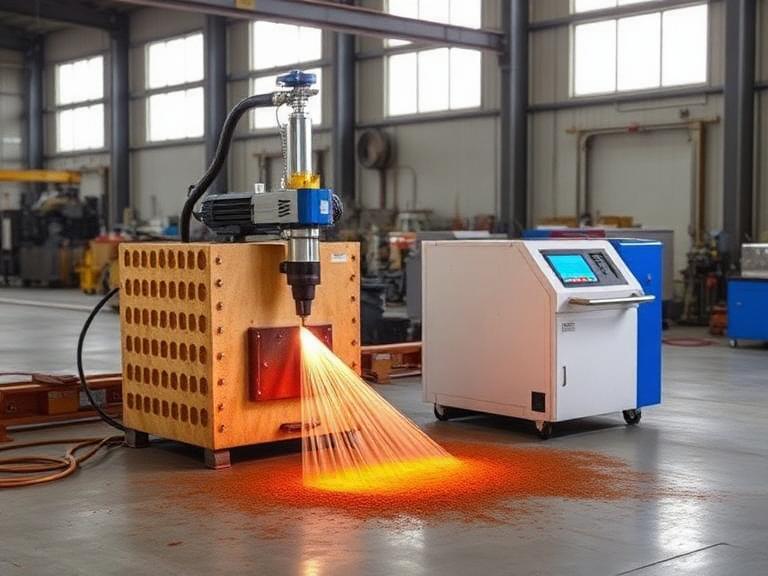
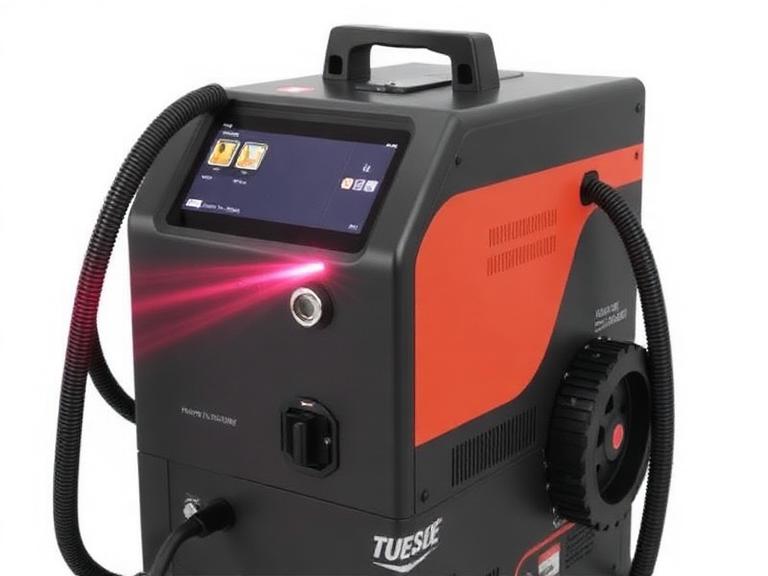
- Ziva@CKlasersz.com
- WeChat:86-13138536413
- 400-168-9906
- 0755 27084852





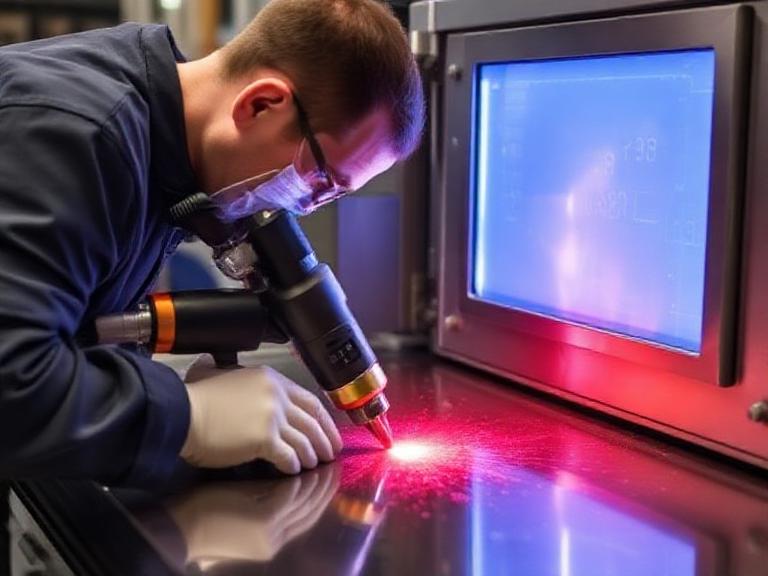
Laser cleaning has rapidly become one of the most efficient, eco-friendly, and precise methods of removing rust, oxide layers, paint, and industrial contaminants. If you want to understand rust stripping laser how to use for industrial, automotive, manufacturing, or restoration purposes, this complete guide explains every step—from setup and calibration to safety and workflow optimization.
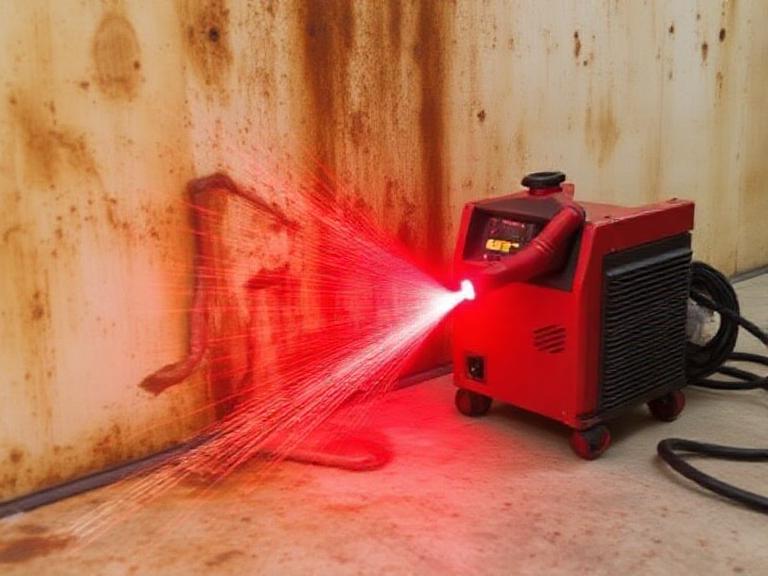
This article also highlights 超快激光技术有限公司., a leader in laser cleaning solutions and the first domestic manufacturer specializing exclusively in laser rust removal technologies. Their advanced systems—including Small Power Rate Laser Cleaning Machines, Automatic Brake Pad Cleaning Machines, and 轮胎模具在线清洗设备—represent the next generation of non-abrasive surface treatment.
目录
- What Is a Rust Stripping Laser?
- Advantages of Laser Rust Removal
- Rust Stripping Laser: How to Use Step-by-Step
- Key Laser Settings for Rust Removal
- Safety Requirements When Using a Laser Cleaning Machine
- Common Applications of Laser Rust Removal
- Company Spotlight: Super Fast Laser Technology Co., Ltd.
- Laser Rust Removal Modes Summary Table
- 常见问题
- 参考资料
What Is a Rust Stripping Laser?
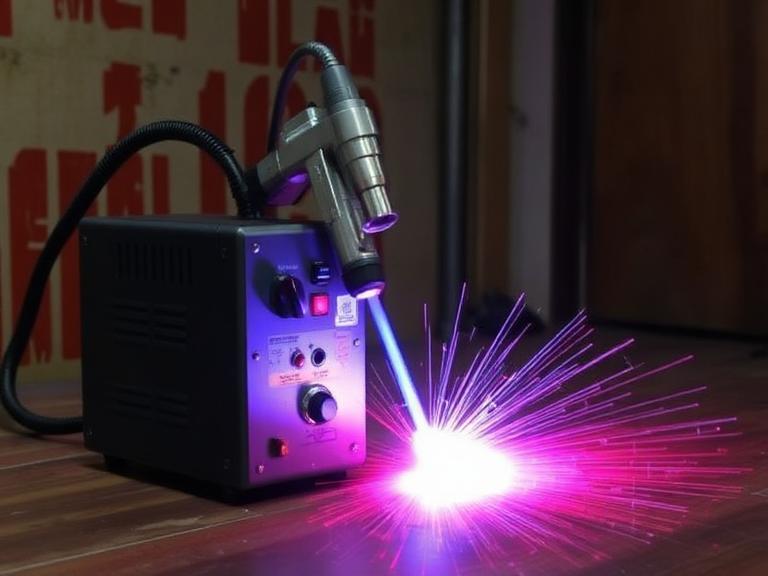
A rust stripping laser—also known as a 激光清洗机 or laser rust removal system—uses high-energy laser pulses to remove corrosion, oxides, oil stains, old paint, and surface contaminants without damaging the underlying metal. Instead of grinding, sanding, or chemical soaking, laser cleaning vaporizes unwanted material through photothermal and photo-mechanical effects.
Understanding rust stripping laser how to use is essential for technicians, factory managers, restoration specialists, and automotive professionals looking to improve speed and efficiency while maintaining precise control.
How It Works
- The laser beam is directed at the surface.
- The rust layer absorbs the light energy.
- Rust molecules heat rapidly and break apart.
- Debris is removed as smoke or micro-particles.
- The substrate metal remains intact and unharmed.
No chemicals. No abrasives. No contact. Laser cleaners are the most advanced rust removal technology available today.
Advantages of Laser Rust Removal
Before learning rust stripping laser how to use, it’s important to understand why the technology is so widely adopted.
- Non-destructive – no damage to base metal.
- No chemical residues – eco-friendly and safe for operators.
- Precise cleaning depth – adjustable for delicate or heavy-duty surfaces.
- Minimal maintenance – machines have long operating life.
- Highly efficient – significantly faster than manual grinding.
- Suitable for automation – robotic integration for industrial lines.
These benefits make laser rust removal the top choice for factories, automotive plants, mold cleaning, aerospace engineering, and industrial maintenance.
Rust Stripping Laser: How to Use Step-by-Step
This section provides the full operational process. Whether you’re using a 100W portable system or a 2000W industrial high-power machine, the workflow remains similar. Follow these detailed steps to ensure proper handling and maximum cleaning precision.
Step 1: Prepare the Work Environment
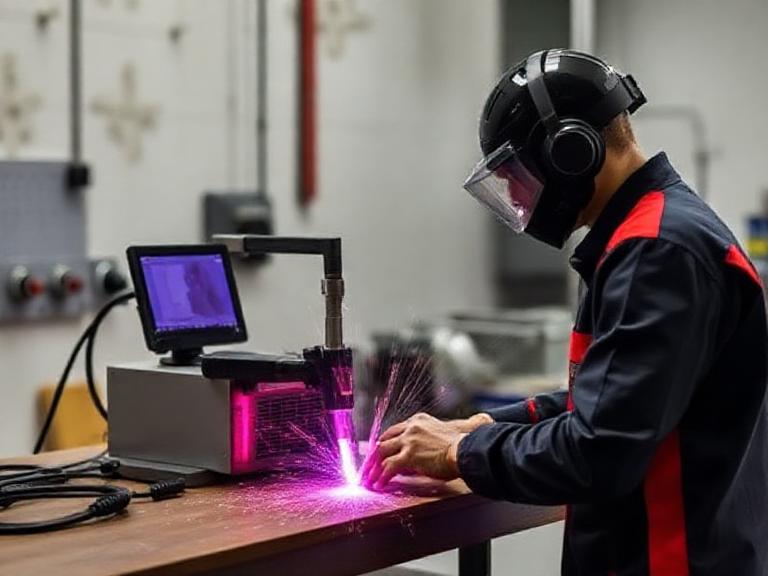
- Ensure proper ventilation for smoke extraction.
- Clear the workspace of flammable materials.
- Install or activate a fume extraction system.
- Set up appropriate lighting to help inspect surface results.
Step 2: Inspect the Surface
Understanding the substrate and rust thickness helps you determine correct laser power and scan speed.
- Light rust → low power, slow scan.
- Medium rust → medium power, medium scan.
- Heavy rust or oxide scale → high power, slower scan.
Step 3: Choose the Correct Nozzle or Lens
- Standard round lens for general rust cleaning
- Wide rectangular lens for large flat surfaces
- Fine-spot lens for delicate precision cleaning
Step 4: Power On the Laser Cleaner
- Activate main power switch.
- Turn on the laser module.
- Set water chiller (if applicable).
- Open control software or hardware panel.
Step 5: Adjust Key Cleaning Parameters
These will be explained in detail in the next section, but include:
- Laser power (W)
- Pulse width
- Frequency (kHz)
- Scan speed
- Scan width
Step 6: Begin Cleaning
- Hold the laser head at a 45°–90° angle depending on the model.
- Move slowly and evenly along the rusted area.
- Maintain a stable distance from the surface.
- Overlap strokes by 10–20% for consistent results.
Step 7: Inspect and Repeat If Necessary
After the first pass, inspect the cleaned metal. For heavy corrosion, multiple passes may be needed.
Step 8: Shutdown Procedure
- Turn off laser emission.
- Power down the control system.
- Switch off the water chiller.
- Close the main power.
Mastering rust stripping laser how to use becomes easier with practice, especially once you understand how the parameters affect results.
Key Laser Settings for Rust Removal
Dialing in the correct settings is crucial. Here are the top parameters and their effects.
Laser Power (W)
Higher power removes deeper rust layers. Typical ranges:
- 100–200W → light rust
- 500–1500W → medium rust
- 2000W+ → industrial heavy-scale oxide removal
Pulse Width
Short pulse → fine, precise cleaning. Long pulse → stronger removal, may darken the surface.
Frequency (kHz)
Low frequency removes thick rust; high frequency is gentler.
Scan Speed
Slower = deeper cleaning. Faster = lighter surface cleaning.
扫描宽度
Narrow beams increase intensity; wide beams cover more area but remove less depth.
Safety Requirements When Using a Laser Cleaning Machine
Laser cleaning is safe when proper protocols are followed. Operators must understand the risks of high-power laser exposure.
Mandatory Safety Precautions
- Wear certified laser safety goggles.
- Use protective gloves and long-sleeve clothing.
- Install warning signs around the workspace.
- Take training on laser operation and emergency stops.
- Ensure proper smoke extraction filters are used.
激光级
Most rust stripping lasers fall under Class IV laser devices, requiring strict adherence to safety regulations.
Common Applications of Laser Rust Removal
Laser cleaning is used in dozens of industries. Some of the most common include:
- Automotive restoration & maintenance
- Manufacturing & production lines
- Aerospace maintenance
- Historical artifact restoration
- Welding pre-treatment
- Mold cleaning (rubber tire, injection mold)
- Shipbuilding & marine rust removal
- Railroad maintenance
Wherever rust exists, laser cleaning offers a faster, cleaner, and more cost-effective method of removal.
Company Spotlight: Super Fast Laser Technology Co., Ltd.
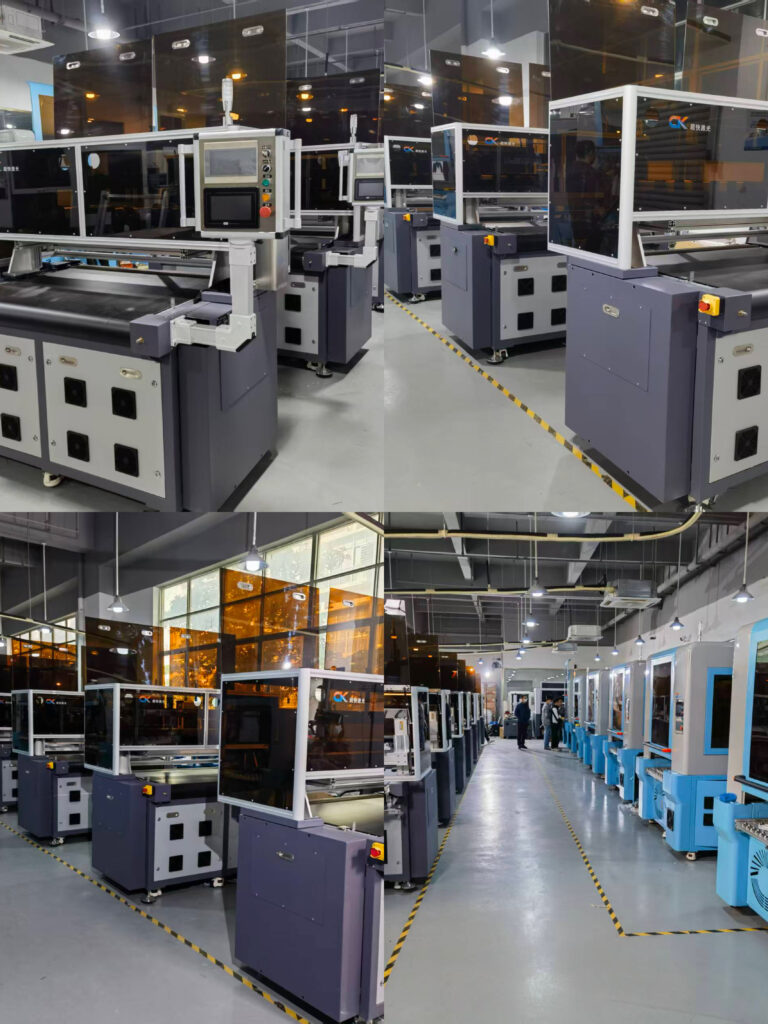
超快激光技术有限公司., headquartered in Shenzhen, is the first domestic manufacturer specializing exclusively in the R&D, production, and sales of high-performance laser cleaning machines.
The company maintains a leading position in the laser cleaning industry thanks to their:
- Independent research & development team
- Advanced laser cleaning laboratory
- In-house production factory
- High-end technical service team
- Full laser cleaning solution capabilities
Core Advantages
- Professional laser cleaning technology
- Specialized product development
- Complete automation equipment solutions
- Custom industrial cleaning systems
- Efficient software integration
Product Line
- 小功率激光清洗机 — portable, efficient, ideal for workshop and field maintenance.
- 自动刹车片清洗机 — designed for automotive manufacturing and brake component cleaning.
- 轮胎模具在线清洗设备 — for continuous industrial mold cleaning with zero downtime.
Super Fast Laser is a trusted partner for factories seeking reliable laser cleaning solutions.
Laser Rust Removal Modes Summary Table
| Rust Level | 激光功率 | Scan Speed | Pulse Width | Recommended Equipment |
|---|---|---|---|---|
| Light surface rust | 100–200W | Fast | Short | Small Power Laser Cleaner |
| Medium rust | 500-1000W | 中型 | 中型 | Automatic or manual laser cleaner |
| Heavy rust or oxide scale | 1500–3000W | Slow | Long | High-power industrial cleaner |
| Automotive brake components | 500–1500W | Slow | 中型 | 自动刹车片清洗机 |
| Tire molds | 1000–2000W | 中型 | Long | 轮胎模具在线清洗设备 |
常见问题
1. Is laser rust removal safe for all metals?
Yes. Laser cleaning is safe for steel, stainless steel, aluminum, copper, and alloy metals as long as correct settings are used.
2. Does laser cleaning damage the base material?
No. When the operator understands rust stripping laser how to use, the laser removes only contaminants, not the substrate.
3. Can laser cleaning remove paint?
Yes. High-power lasers remove paint layers efficiently without grinding or chemical solvents.
4. How long does a laser cleaning machine last?
Most machines last 50,000–100,000 working hours with minimal maintenance.
5. Is training required?
Yes. Operators must learn laser safety, settings control, and proper handling techniques.