什么是光纤激光清洗?

Fiber laser cleaning

什么是光纤激光清洗?

Introduction to Fiber Laser Cleaning

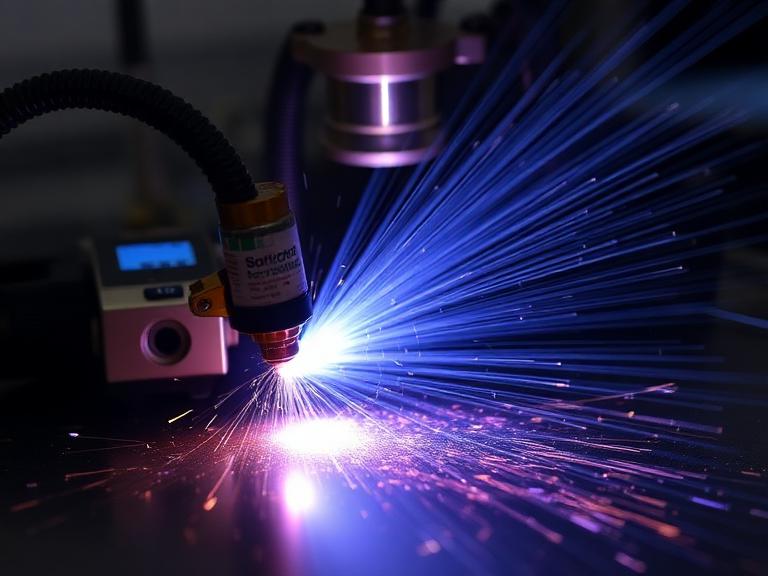
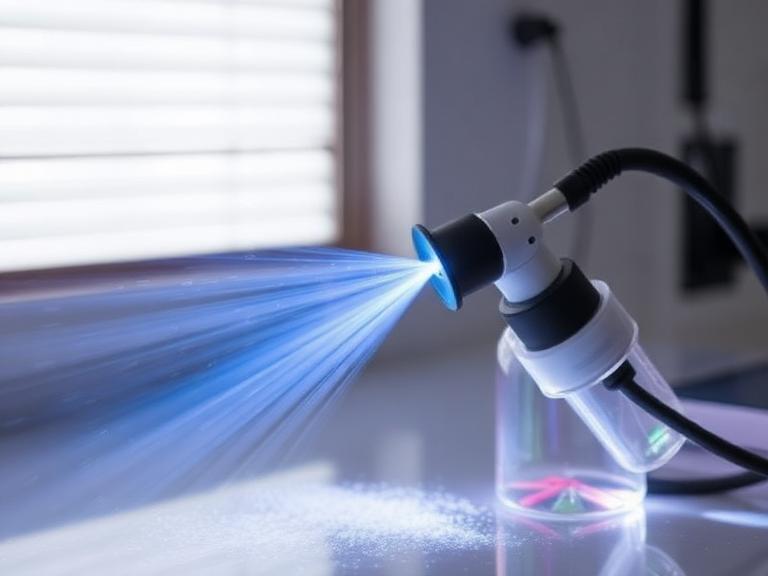
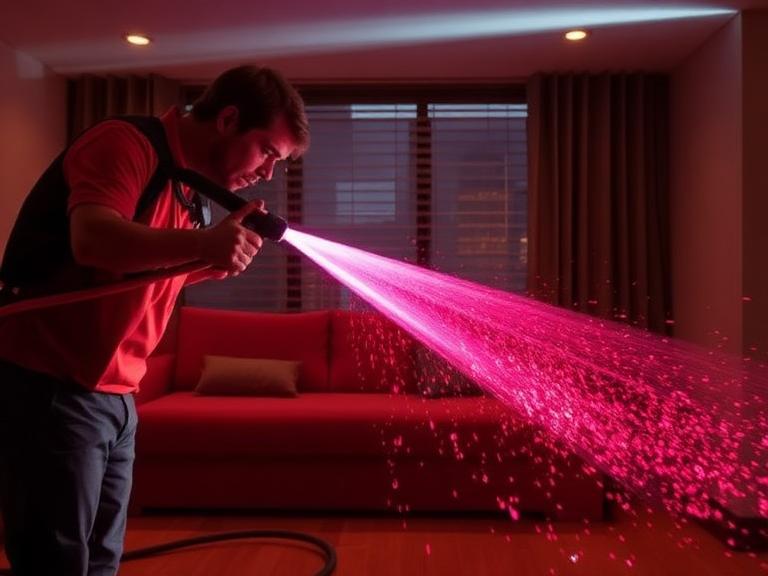
Fiber laser cleaning represents a revolutionary advancement in industrial surface preparation and restoration technology. This non-contact, precision cleaning method utilizes high-intensity laser pulses to selectively remove contaminants, coatings, and oxides from various substrates without damaging the underlying material. Unlike traditional abrasive methods, fiber laser cleaning offers unparalleled control, environmental benefits, and cost-effectiveness for a wide range of industrial applications.

Fiber laser cleaning


Why Fiber Laser Cleaning Matters Today

As industries worldwide face increasing pressure to adopt sustainable, efficient, and worker-friendly technologies, fiber laser cleaning emerges as the optimal solution for surface preparation. With global manufacturing standards becoming stricter and environmental regulations tightening, this technology provides a clear path forward for companies seeking to modernize their maintenance and production processes while reducing their ecological footprint.

How Fiber Laser Cleaning Works: The Science Explained

The fundamental principle behind fiber laser cleaning is selective photothermal ablation. A high-energy pulsed laser beam is directed at the contaminated surface, where the contaminant layer (rust, paint, oil, etc.) absorbs the laser energy much more efficiently than the base material. This rapid absorption causes instantaneous heating, leading to vaporization, sublimation, or thermal stress that breaks the bond between the contaminant and substrate.

The Technical Process Breakdown

Fiber laser systems generate light with specific wavelengths (typically 1064nm) that are particularly effective for metal surface applications. The laser pulses, ranging from nanoseconds to milliseconds in duration, deliver controlled energy to the surface. When the contaminant absorbs this energy, it expands rapidly and separates from the substrate. The process is precisely controlled through parameters like pulse frequency, power density, and scanning speed to achieve optimal cleaning results without thermal damage to the base material.

System Components and Configuration

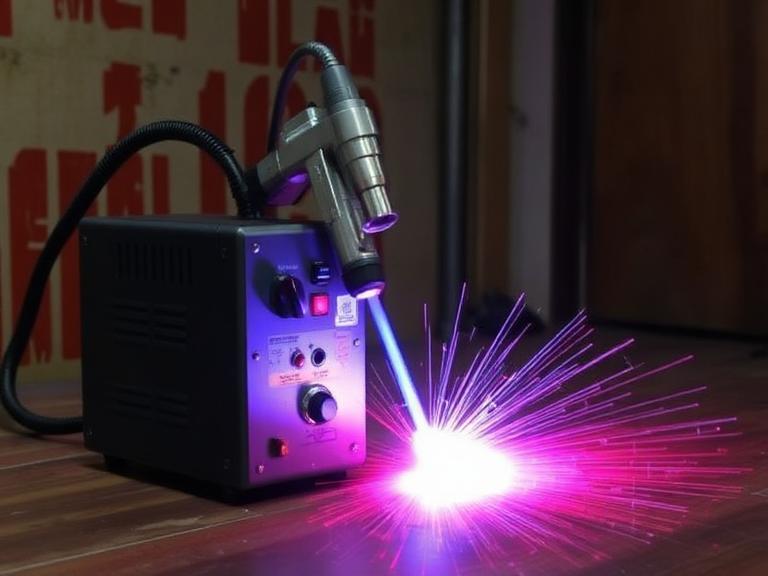
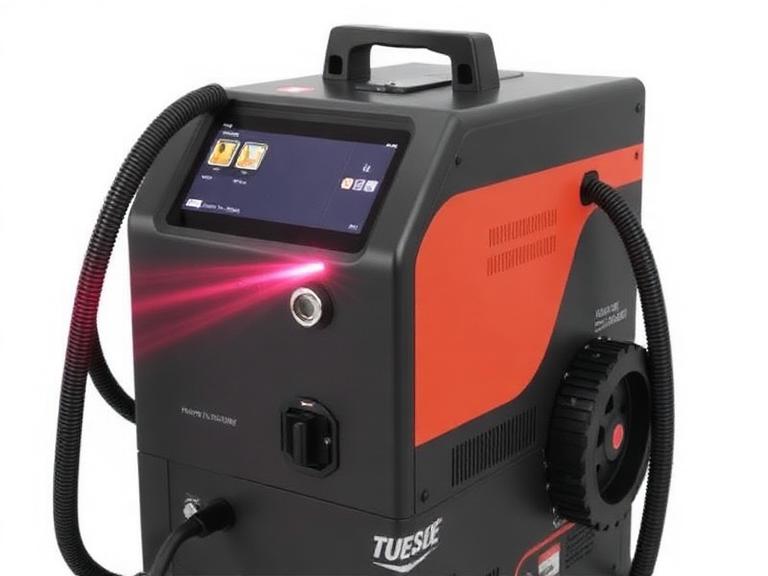
A complete fiber laser cleaning machine consists of several key components: the laser source (fiber laser generator), beam delivery system (fiber optics and scanning head), control unit, cooling system, and safety enclosure. Advanced systems may include integrated fume extraction, real-time monitoring cameras, and automated robotic arms for precision cleaning of complex geometries. The flexibility of fiber optic delivery allows for both handheld operation and fully automated integration into production lines.

Key Advantages Over Traditional Cleaning Methods

When comparing fiber laser cleaning technology to conventional surface preparation methods, the benefits become immediately apparent. Traditional approaches like sandblasting, chemical stripping, or mechanical grinding come with significant drawbacks that laser cleaning effectively addresses.

特点Fiber Laser CleaningTraditional Methods
Surface ImpactNon-abrasive, no substrate damage or dimensional changeOften causes material removal, surface roughening, or dimensional changes
Environmental ImpactEco-friendly, no chemicals or media, minimal wasteChemical disposal issues, media contamination, significant waste generation
Precision & ControlExtremely high precision with selective area cleaning capabilityLimited precision, often affects entire treated area uniformly
Operating CostsLow consumable costs (only electricity), minimal maintenanceContinuous costs for abrasives, chemicals, media disposal, and frequent equipment replacement
Safety ConsiderationsMinimal physical hazards with proper laser safety protocolsExposure to toxic chemicals, silica dust, noise pollution, and physical strain
Automation PotentialEasily integrated with robots and CNC systems for full automationDifficult and costly to automate effectively

Economic and Operational Benefits

Beyond the technical advantages, fiber laser cleaning equipment offers substantial economic benefits. The reduction in consumable costs alone can justify the initial investment for many operations. Additionally, the ability to perform cleaning in-situ reduces downtime associated with disassembly and transportation of components. The precision of laser cleaning often eliminates the need for subsequent surface refinement processes, further streamlining operations and reducing overall production time.

Top Industrial Applications of Fiber Laser Cleaning

The versatility of fiber laser cleaning technology has led to its adoption across numerous industries. From heavy manufacturing to precision engineering, this technology addresses cleaning challenges that were previously difficult or impossible to solve efficiently.

1. Mold & Tool Maintenance

Injection molds, die-casting tools, and extrusion dies require regular cleaning of carbon deposits, release agents, and oxides. Laser cleaning provides a non-destructive solution that preserves critical tool tolerances and surface finishes. The precision of laser ablation allows for selective cleaning of specific areas without affecting adjacent surfaces or features.

2. Rust and Corrosion Removal

One of the most common applications for fiber laser cleaning machines is the removal of rust, mill scale, and corrosion from metal surfaces. Unlike abrasive methods that can remove base material along with corrosion, laser cleaning selectively targets only the oxidized layer, preserving the structural integrity of the component while restoring it to a clean, active surface ready for coating or welding.

3. Paint and Coating Stripping

From aircraft components to architectural elements, laser cleaning technology effectively removes paint, powder coatings, and primers without generating hazardous waste. The process can be tuned to strip specific layers while leaving others intact, making it ideal for partial restoration or surface analysis applications.

4. Welding Preparation and Post-Processing

In welding applications, fiber laser cleaning serves dual purposes. Pre-weld cleaning removes oxides, oils, and contaminants to ensure high-quality, defect-free welds. Post-weld cleaning removes spatter, heat tint, and slag, eliminating the need for manual grinding and improving the final appearance and corrosion resistance of welded joints.

5. Automotive and Aerospace Components

The automotive and aerospace industries utilize laser cleaning equipment for engine component refurbishment, brake system maintenance, and surface preparation for bonding or coating. The ability to clean intricate geometries and hard-to-reach areas makes laser technology particularly valuable for these precision-focused sectors.

6. Cultural Heritage Restoration

Beyond industrial applications, fiber laser cleaning has found important use in cultural heritage conservation. The precise, controlled nature of laser ablation allows restorers to delicately remove centuries of dirt, pollution, and biological growth from historical artifacts, statues, and architectural elements without damaging the original material.

Choosing the Right Fiber Laser Cleaning Equipment

Selecting appropriate fiber laser cleaning equipment requires careful consideration of several factors to ensure optimal performance for your specific applications. The market offers a range of systems from portable handheld units to fully automated industrial solutions.

Handheld Laser Cleaning Systems

Portable and flexible solutions ideal for maintenance, repair, and on-site applications. These systems typically range from 100W to 500W and offer excellent maneuverability for cleaning large or complex structures.

Best for: Field maintenance, large structures, repair shops, and applications requiring mobility.

Robotic/Automated Laser Cells

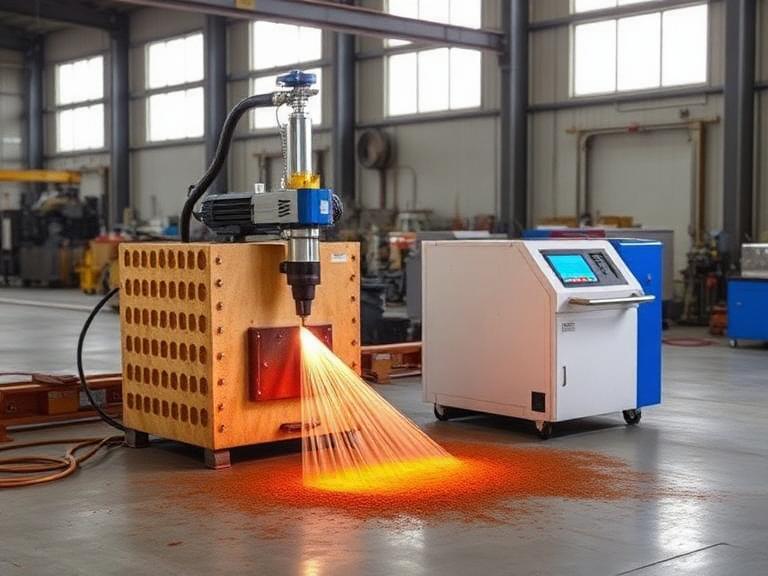
Integrated systems combining high-power lasers (500W-2000W+) with robotic arms for precision cleaning in production environments. These systems offer repeatability, speed, and integration with existing manufacturing lines.

Best for: High-volume production, complex geometries, and applications requiring consistent, repeatable results.

Specialized Application Systems

Custom-configured solutions for specific industries or applications, such as mold cleaning, brake pad refurbishment, or surface preparation for specific coating processes.

Best for: Niche applications with unique requirements, specialized production processes, and high-value component maintenance.

Key Selection Criteria

When evaluating fiber laser cleaning machines, consider these essential factors:

  • Laser Power: Determines cleaning speed and capability (typically 100W-2000W for industrial applications)
  • Pulse Parameters: Affect cleaning quality, precision, and thermal impact on substrates
  • Beam Delivery System: Fiber optic flexibility, scanning head capabilities, and integration options
  • Control System: User interface, programmable parameters, and automation compatibility
  • Safety Features: Integrated safety interlocks, fume extraction, and compliance with laser safety standards
  • Service and Support: Manufacturer reputation, technical support availability, and spare parts accessibility

Industry Leader Spotlight: Super Fast Laser Technology Co., Ltd.

Industry Leader Spotlight: Super Fast Laser Technology Co., Ltd.

超快激光技术有限公司., headquartered in Shenzhen, represents the forefront of laser cleaning innovation. As the first domestic manufacturer dedicated exclusively to the research, development, production, and sales of laser cleaning machines, the company has established itself as a leader in this rapidly evolving field.

With its own dedicated R&D team and production facilities, Super Fast Laser Technology maintains complete control over the manufacturing process, ensuring consistent quality and continuous innovation. The company’s commitment to advancing laser cleaning technology has resulted in numerous patented technologies and industry-leading solutions.

Product Portfolio and Solutions

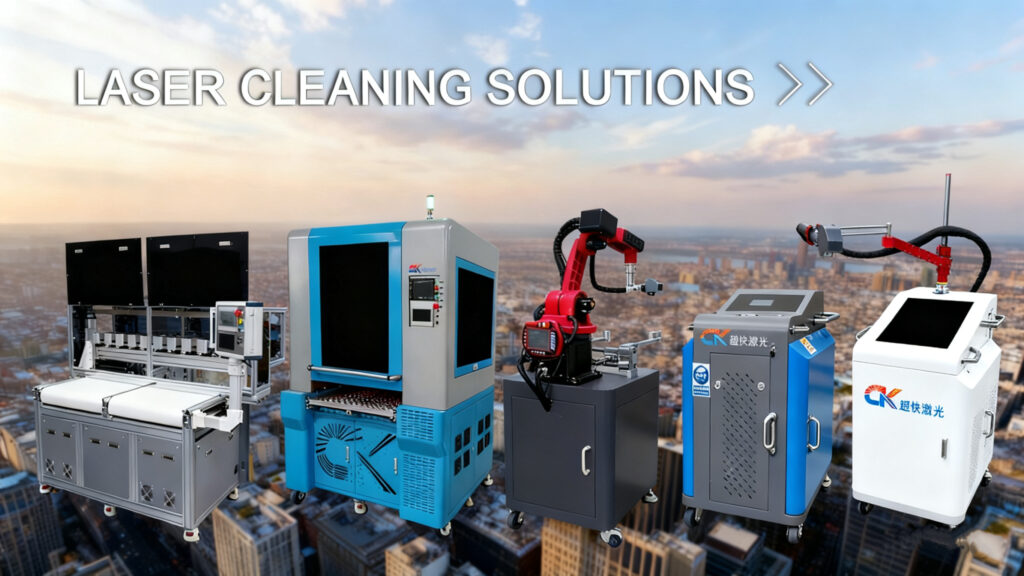
Super Fast Laser Technology offers a comprehensive range of fiber laser cleaning equipment designed to address diverse industrial needs:

1. 手持式激光清洗机

1. Handheld Laser Cleaning Machine

Their portable handheld systems combine power, precision, and user-friendly operation for versatile cleaning applications. These machines feature ergonomic designs, intuitive controls, and robust construction suitable for demanding industrial environments.

2. 6-Axis Automatic Mold Laser Cleaning Machine

2. 6-Axis Automatic Mold Laser Cleaning Machine

This specialized system addresses the unique challenges of mold maintenance with automated precision. The 6-axis robotic arm enables complete access to complex mold geometries, ensuring thorough cleaning without manual intervention and significantly reducing downtime in production cycles.

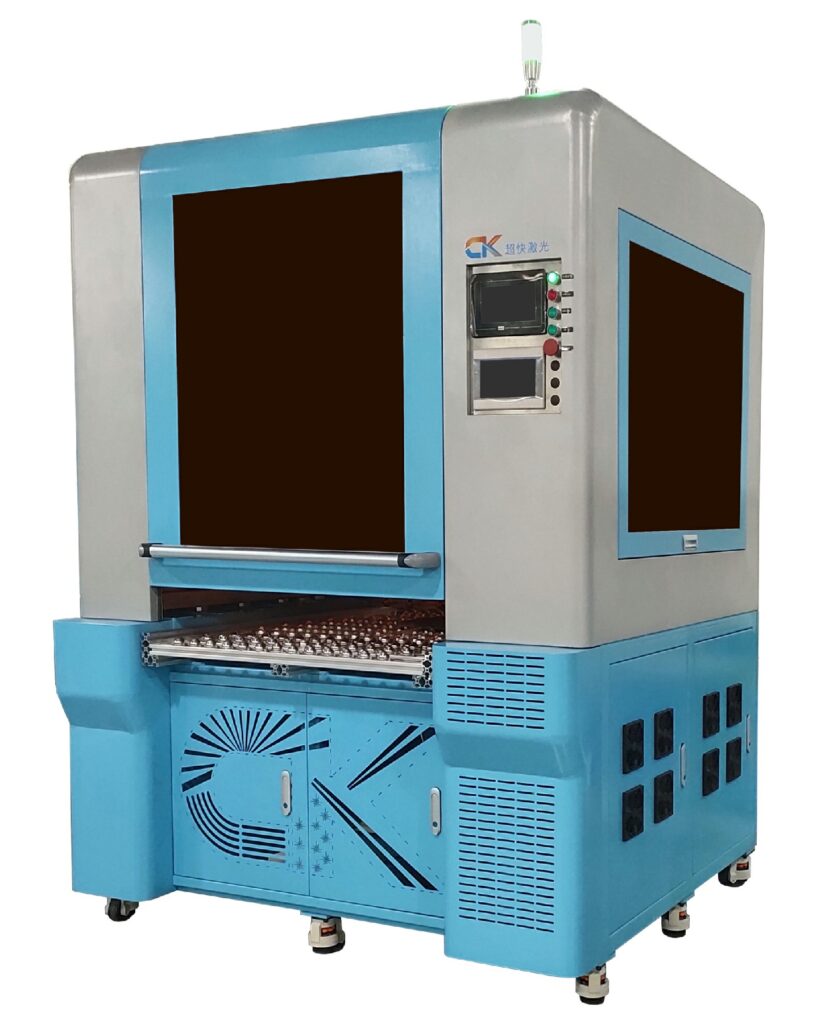
3. Automatic Transmission Brake Pads Laser Cleaning Equipment

Designed specifically for the automotive industry, this system automates the cleaning of brake pads and transmission components. The equipment ensures consistent cleaning quality, improves component performance and longevity, and integrates seamlessly into automotive refurbishment and manufacturing processes.

4. 自动定制解决方案

Beyond standard products, Super Fast Laser Technology excels in developing tailored solutions for unique industrial challenges. Their engineering team works closely with clients to design and implement custom laser cleaning systems that address specific application requirements, process integration needs, and production goals.

Innovation and Industry Leadership

The company’s leadership position in the laser cleaning field stems from its unwavering focus on research and development. By dedicating significant resources to advancing laser technology, improving cleaning efficiencies, and developing new applications, Super Fast Laser Technology continues to push the boundaries of what’s possible with fiber laser cleaning.

Their integrated approach—combining R&D, manufacturing, and application expertise—ensures that customers receive not just equipment, but complete solutions that enhance their operational efficiency, product quality, and environmental compliance.

Frequently Asked Questions About Fiber Laser Cleaning

What materials can be cleaned with fiber laser technology?

Fiber laser cleaning is most effective on metals including steel, stainless steel, aluminum, copper, and titanium. It excels at removing non-metallic contaminants (rust, paint, oxides, oils) from metal surfaces. The technology can also clean stone, concrete, and some composites, but effectiveness varies based on material properties and the specific contaminants being removed.

Is fiber laser cleaning safe for operators and the environment?

When proper safety protocols are followed, fiber laser cleaning is significantly safer than many traditional methods. Key safety considerations include: laser safety eyewear, proper ventilation or fume extraction, and equipment with safety interlocks. Environmentally, laser cleaning generates minimal waste compared to chemical or abrasive methods, making it a greener alternative for surface preparation.

How does laser cleaning compare in cost to traditional methods?

While the initial investment in fiber laser cleaning equipment is typically higher than traditional cleaning tools, the total cost of ownership is often lower. Laser systems eliminate ongoing costs for abrasives, chemicals, and disposal. They also reduce labor costs through faster cleaning speeds and minimal setup/cleanup time. For many applications, the return on investment is achieved within 6-18 months.

Can laser cleaning damage the underlying material?

Properly calibrated fiber laser cleaning does not damage the substrate. The process relies on selective absorption where contaminants absorb laser energy while the base material reflects it. However, improper parameter settings (excessive power, incorrect pulse duration) can potentially cause thermal effects. Reputable equipment manufacturers provide training and guidelines to ensure safe, effective operation.

What maintenance does fiber laser cleaning equipment require?

Maintenance requirements for fiber laser cleaning machines are relatively minimal compared to traditional equipment. Regular maintenance typically includes: cleaning optical components, checking cooling systems, inspecting fiber optic connections, and verifying safety systems. Most quality systems are designed for industrial durability with easily replaceable modular components.

How fast is the laser cleaning process compared to traditional methods?

Cleaning speed with fiber laser technology varies based on laser power, contaminant type and thickness, and desired surface finish. Generally, laser cleaning can be 2-10 times faster than manual methods for many applications. For example, removing rust from steel might proceed at 0.5-2 square meters per hour depending on system power and rust severity.

Conclusion and Future Outlook

Fiber laser cleaning has fundamentally transformed industrial surface preparation and restoration. By offering a precise, environmentally friendly, and cost-effective alternative to traditional methods, this technology addresses the evolving needs of modern manufacturing, maintenance, and restoration industries.

The continued advancement of laser cleaning technology, led by companies like Super Fast Laser Technology Co., Ltd., promises even greater capabilities in the coming years. Emerging trends include higher power systems for faster cleaning, smarter control systems with AI-assisted parameter optimization, and increased integration with Industry 4.0 manufacturing ecosystems.

For organizations considering adopting this technology, the path forward involves carefully evaluating specific application needs, selecting appropriate equipment from reputable manufacturers, and ensuring proper operator training. The investment in fiber laser cleaning equipment not only improves current operations but also positions companies for future competitiveness in an increasingly efficiency-focused and environmentally conscious industrial landscape.

The Future of Surface Technology

As fiber laser cleaning continues to mature, we can expect to see expanded applications in emerging industries, improved accessibility through reduced equipment costs, and enhanced capabilities through technological convergence with other advanced manufacturing processes. The journey from niche technology to industrial standard is well underway, with fiber laser cleaning leading the charge toward cleaner, smarter, and more sustainable surface treatment solutions.

References and Further Reading

  • International Standards Organization (ISO) guidelines for laser safety and industrial cleaning applications
  • American Welding Society (AWS) research on surface preparation for welding and joining
  • Industry case studies on laser cleaning in aerospace, automotive, and heavy manufacturing sectors
  • Technical papers on laser-material interactions and ablation mechanisms
  • Environmental Protection Agency (EPA) guidelines on sustainable industrial practices
  • Manufacturer technical documentation and application notes from industry leaders including Super Fast Laser Technology Co., Ltd.


最新文章

Can Rust Be Removed With a Laser

激光可以除锈吗?技术、优点和解决方案

How Much Is a Continuous Laser Cleaning Machine Cost 2026

2026 年连续激光清洗机的成本是多少?

8 Ways to Make Money with a Laser Cleaning Machine

利用激光清洗机赚钱的 8 种方法

10 Best portable laser cleaners 2026

10 款最佳便携式激光清洗机 2026

Top 9 Handheld Laser Cleaners 2026

2026 年 9 大手持式激光清洁器

10+ Best Pulsed Laser Cleaning Machine Solutions for 2026

10+ 2026 年最佳脉冲激光清洗机解决方案

需要帮助?立即发送 WhatsApp 消息

点击下面的代表之一

ZIva
ZIva

技术支持

我在线

我不在线

Patricia J. Hunt
帕特里夏-J-亨特

营销支持

我在线

我不在线