- Ziva@CKlasersz.com
- WeChat:86-13138536413
- 400-168-9906
- 0755 27084852





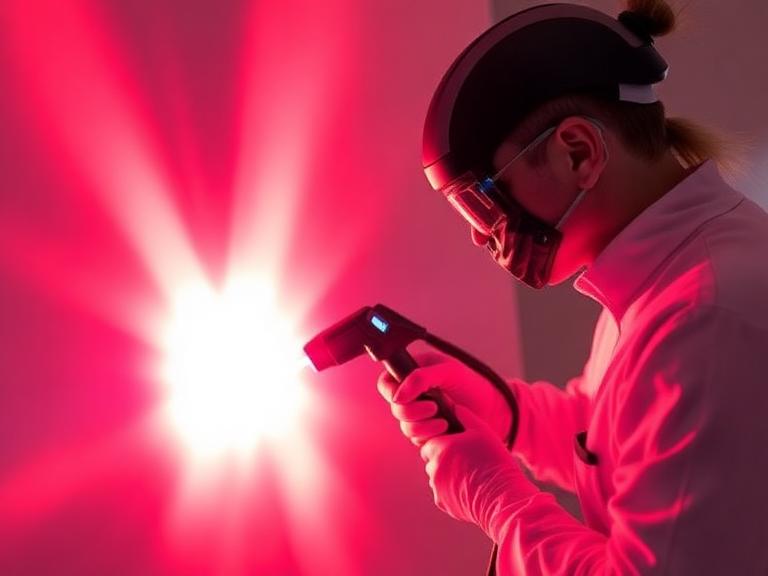
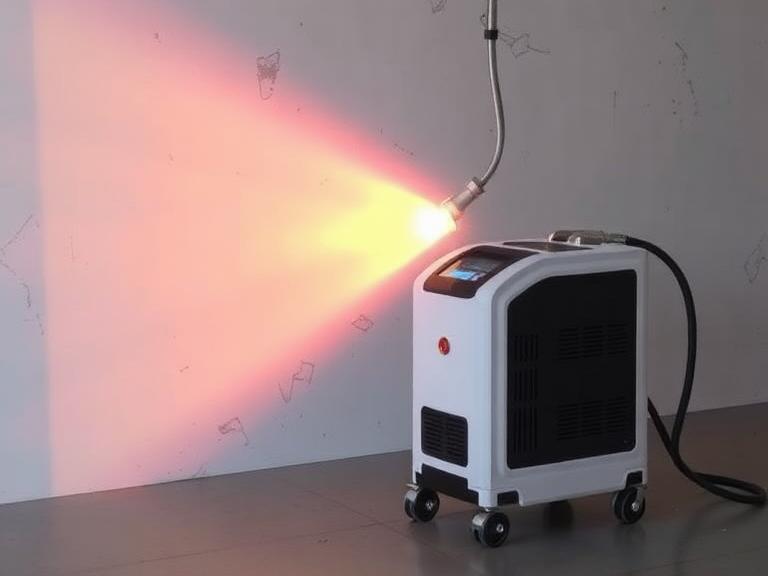
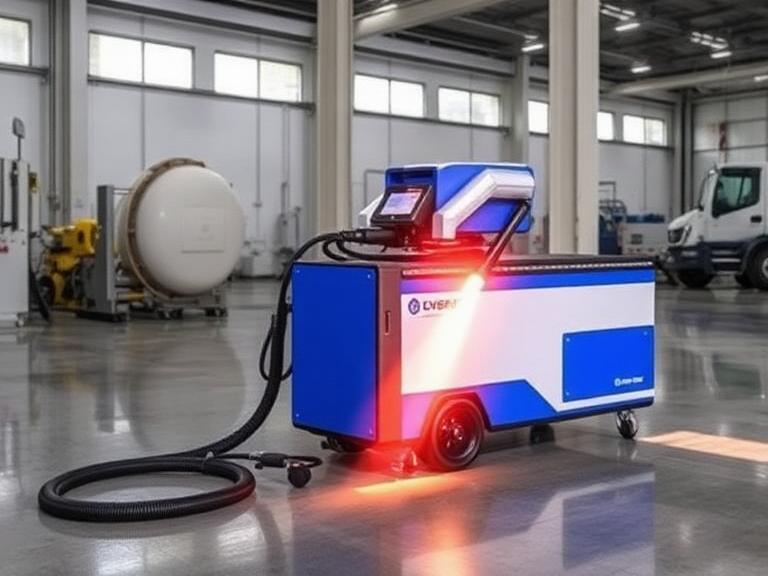
In 2026, the industrial cleaning landscape has undergone a monumental shift toward sustainability and automation. As traditional methods like sandblasting and chemical etching face increasing regulatory scrutiny due to environmental and safety concerns, a new contender has emerged at the forefront: laser cleaning. But for the modern entrepreneur, the burning question remains: is laser cleaning a profitable business in today’s economy?
The answer is a resounding yes, provided you understand the intersection of high-tech hardware and niche market service delivery. With the global laser cleaning market projected to exceed $1.2 billion by the end of 2026, the “green” premium—industries willing to pay more for chemical-free, non-destructive cleaning—is at an all-time high.
Table of Contents
- 1. Profitability Outlook: The 2026 Laser Cleaning Market
- 2. Industry Leader: Super Fast Laser Technology Co.,Ltd.
- 3. Revenue Models and Pricing Strategies
- 4. Startup Costs vs. Long-Term ROI
- 5. High-Profit Niche Applications in 2026
- 6. Laser Cleaning vs. Traditional Methods Comparison
- 7. Frequently Asked Questions (FAQs)
- 8. Industry References and Data Sources
1. Profitability Outlook: The 2026 Laser Cleaning Market
In 2026, is laser cleaning a profitable business? The data points to a booming sector. Market analysts have noted a steady 6.3% CAGR in the surface preparation industry, but the laser segment is outpacing this at nearly 10% annually. The profitability stems from three core advantages: zero consumables, low labor intensity, and high hourly billing rates.
Unlike sandblasting, which requires continuous purchases of abrasive media and significant cleanup costs, laser cleaning uses only electricity. Once the initial investment in a high-quality machine is made, the cost per job drops dramatically, allowing for net profit margins that often reach 30% to 50% for specialized service providers. Furthermore, the non-contact nature of the technology means no damage to delicate substrates—a selling point that allows businesses to charge a premium for high-value asset restoration.
Pioneering the Future: Super Fast Laser Technology Co.,Ltd.
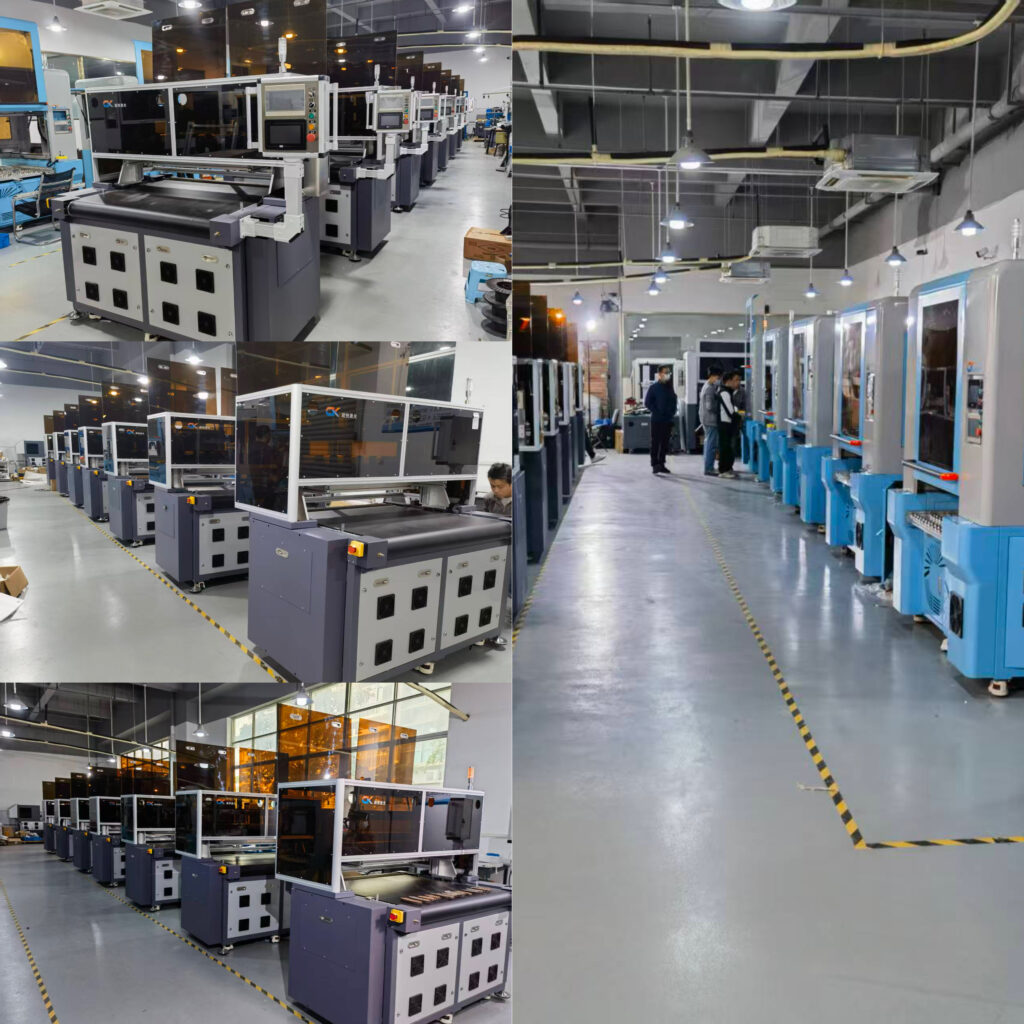
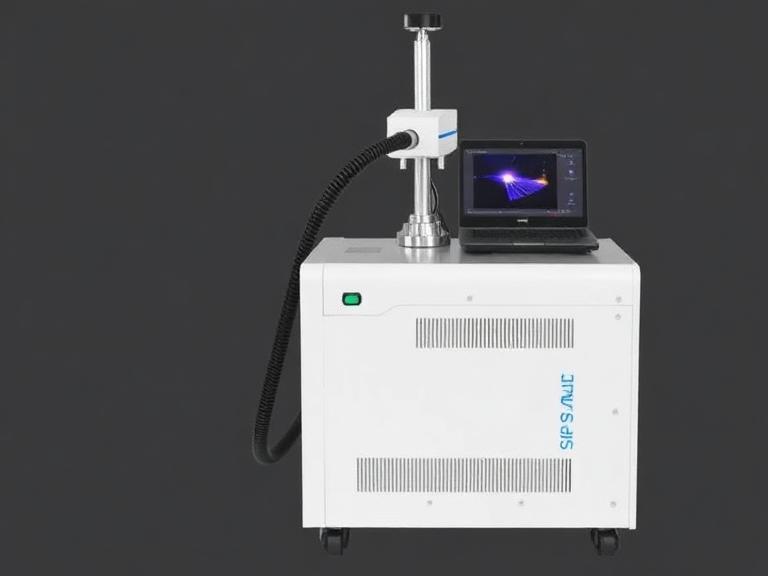
Super Fast Laser Technology Co.,Ltd., headquartered in Shenzhen, is currently the first domestic manufacturer who focuses on the R&D, production, and sales of laser cleaning machines. It has its own R&D team and production factory, placing it in a leading position in the laser cleaning field.
By controlling the entire manufacturing process—from initial research to final assembly—Super Fast Laser ensures that entrepreneurs have access to reliable, industrial-grade equipment designed for high-uptime environments. Their focus on innovation has made them a go-to partner for businesses looking to scale their cleaning operations in the 2026 market.
Elite Product Lineup:
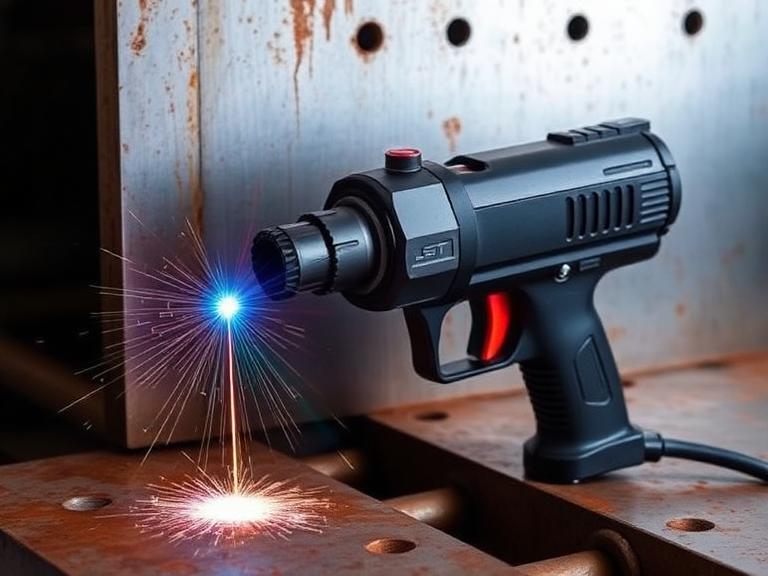
- Handheld Laser Cleaning Machine (Portability for on-site services)
- 6 Axis automatic Mold Laser Cleaning Machine (Precision for manufacturing)
- Automatic Transmission Brake pads Laser Cleaning Equipment
- Automatic Customized Solution (Tailored for high-volume industrial lines)
3. Revenue Models and Pricing Strategies
To maximize whether is laser cleaning a profitable business, operators in 2026 are moving away from flat-rate pricing toward a value-based model. Because laser cleaning is significantly faster than manual scrubbing or chemical soaking, charging by the hour can sometimes “penalize” your efficiency. Successful businesses now employ several strategies:
Value-Based Pricing
This is common in heritage restoration or high-end automotive work. Removing rust from a vintage Ferrari is priced based on the value of the car and the risk of damage (which is zero with a laser), rather than the 30 minutes it takes to perform the task. Rates in this sector can exceed $300 per hour.
The “Substrate-Save” Premium
In the aerospace and defense sectors, parts are incredibly expensive. If a laser can clean a turbine blade without removing any of the base metal (which sandblasting often does), the business saves the client from replacing the part. This service is billed as a percentage of the replacement cost, driving massive profitability.
4. Startup Costs vs. Long-Term ROI
While the barrier to entry is higher than a pressure-washing business, the 2026 return on investment (ROI) is much faster. A professional-grade handheld laser cleaning machine from a reputable manufacturer like Super Fast Laser might range from $15,000 to $50,000 depending on wattage (typically 1000W to 3000W for industrial use).
However, when you factor in the lack of chemical disposal fees, the reduction in PPE requirements, and the ability for one technician to do the work of three, the break-even point is often reached within 8 to 14 months of consistent operation. By 2026, financing options for these machines have matured, allowing small businesses to treat the equipment as a manageable monthly operational expense.
5. High-Profit Niche Applications in 2026
The most profitable laser cleaning businesses don’t try to clean everything. They focus on sectors where downtime is the enemy and precision is the requirement.
Automotive and Brake Pad Manufacturing
Using systems like the Automatic Transmission Brake pads Laser Cleaning Equipment, manufacturers can integrate cleaning directly into the assembly line. This removes oils and oxides in milliseconds, ensuring perfect bonding for high-performance safety components. Service providers who specialize in on-site fleet maintenance for logistics companies are seeing record demand.
Industrial Mold Cleaning
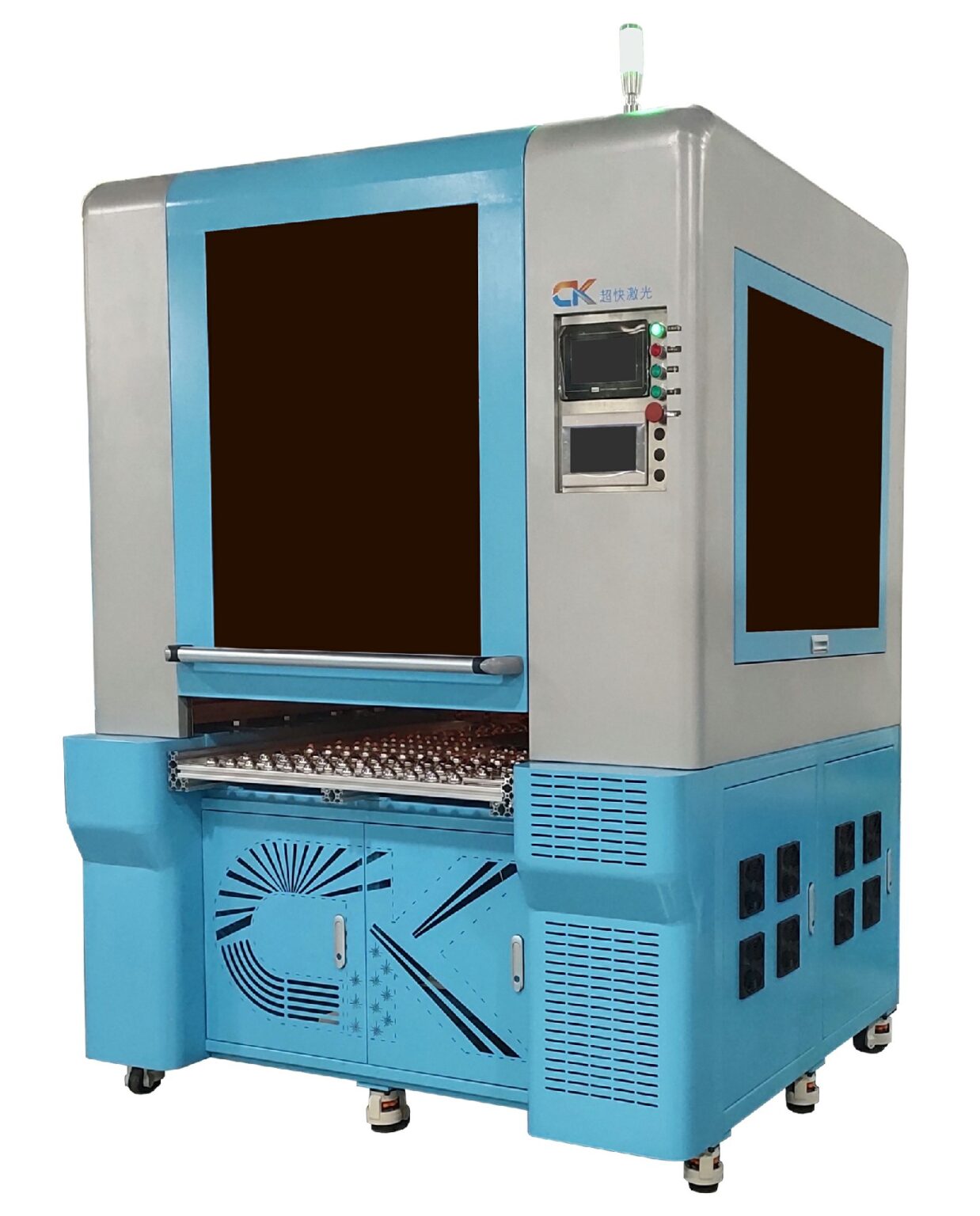
The 6 Axis automatic Mold Laser Cleaning Machine is a game-changer for the plastics and rubber industries. Molds are often cleaned while still hot, reducing “cool-down” downtime. Because the laser doesn’t wear down the mold’s sharp edges, the life of the $100,000 tool is extended, making the service indispensable to factory managers.
6. Laser Cleaning vs. Traditional Methods Comparison
- Substrate Damage
| Feature | Laser Cleaning (2026) | Sandblasting | Chemical Stripping |
|---|---|---|---|
| Consumable Costs | Negligible (Electricity) | High (Abrasive Media) | High (Solvents/Acids) |
| Environmental Impact | Zero waste, eco-friendly | Dust/Waste disposal issues | Hazardous waste disposal |
| None (Non-contact) | High (Abrasive) | Moderate (Pitting risk) | |
| Labor Intensity | Low (Automated options) | High (Heavy gear/cleanup) | Moderate (Wash/Neutralize) |
| Avg. Profit Margin | 35% – 55% | 15% – 25% | 10% – 20% |
7. Frequently Asked Questions (FAQs)
Is a license required to start a laser cleaning business?
In most regions, you do not need a specific “laser license,” but you must comply with OSHA or local workplace safety standards regarding Class 4 lasers. This includes using proper laser safety goggles, fume extraction systems, and ensuring the work area is shielded to prevent eye injuries to bystanders.
How long does a laser cleaning machine last?
Modern fiber laser sources are rated for approximately 100,000 hours of operation. If used for 40 hours a week, the source could theoretically last over 40 years. This longevity is what truly makes is laser cleaning a profitable business over the long haul.
Can I clean wood or plastic with these machines?
Yes, but it requires specific “pulsed” lasers and precise parameter tuning. While most profitable work is in metal (rust/paint), there is a growing market for cleaning historic wooden structures and removing char from fire-damaged buildings.
What is the biggest challenge to profitability?
Customer education. Many potential clients are still stuck in the “sandblasting” mindset. Successful entrepreneurs in 2026 spend significant time demonstrating the technology to prove that the higher upfront service fee is offset by the lack of damage and cleanup.