- Ziva@CKlasersz.com
- WeChat:86-13138536413
- 400-168-9906
- 0755 27084852





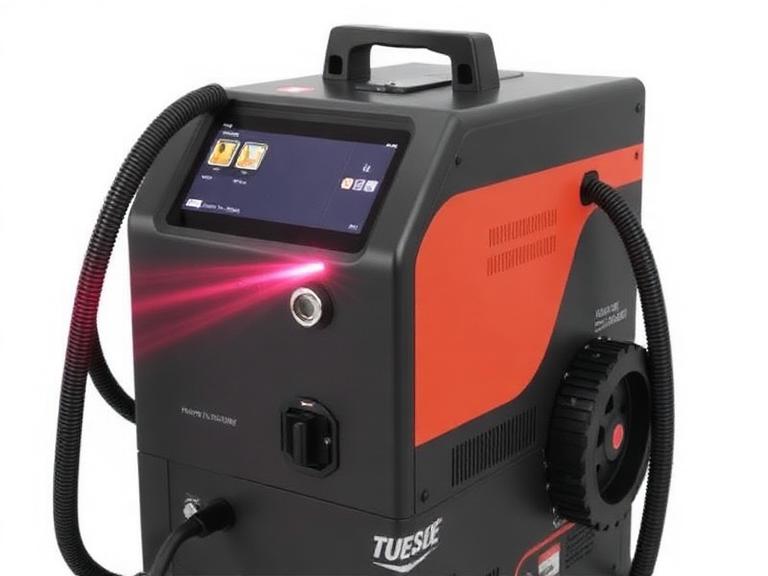
In 2026, the industrial cleaning landscape continues to undergo a rapid transformation. Traditional methods like sandblasting and chemical stripping are increasingly being replaced by laser technology due to environmental regulations and efficiency demands. However, for many business owners and procurement officers, the primary question remains: what is the current Industrial laser rust removal machine price?
This guide provides an in-depth analysis of the market costs for 2026, breaking down the price differences between handheld units, automated systems, and high-power continuous wave (CW) versus pulsed laser technologies. We also highlight leading manufacturers like Super Fast Laser Technology Co.,Ltd. who are setting new standards in the domestic and international markets.
Table of Contents
- 1. Market Overview: 2026 Price Trends
- 2. Key Factors Influencing Cost
- 3. Handheld vs. Automated: Which Fits Your Budget?
- 4. Manufacturer Spotlight: Super Fast Laser Technology Co.,Ltd.
- 5. Detailed Product Breakdown & Applications
- 6. Return on Investment (ROI) Analysis
- 7. Summary Price Table
- 8. Frequently Asked Questions (FAQs)
1. Market Overview: 2026 Price Trends
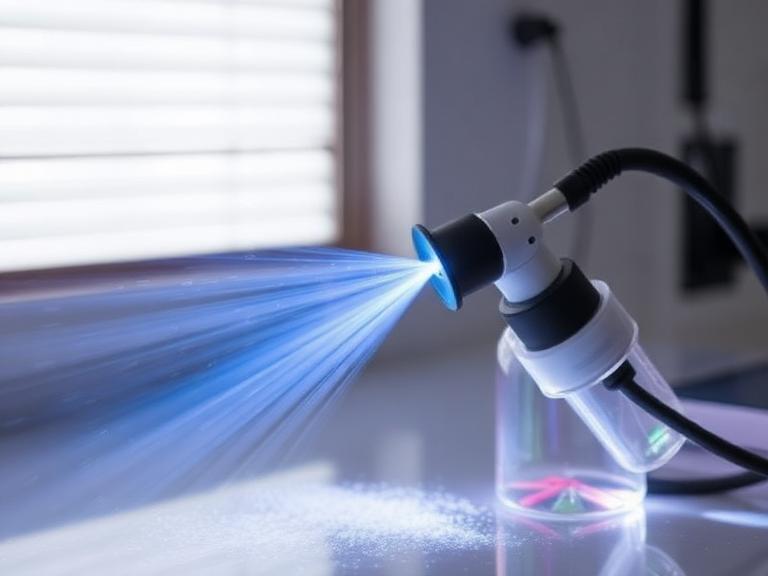
The Industrial laser rust removal machine price has seen a significant stabilization in 2026. A few years ago, a 1000W fiber laser cleaner could cost upwards of $15,000. Today, thanks to advancements in domestic laser source manufacturing and increased competition, prices have become more accessible for small to medium-sized enterprises.
Currently, the market is segmented into three primary tiers:
- Entry-Level (CW Lasers 1000W-1500W): These machines are widely available and typically range from $4,000 to $8,000. They are excellent for heavy rust removal on sturdy metals but lack the precision required for delicate substrates.
- Mid-Range (Pulsed Lasers 100W-300W): Pulsed lasers offer non-destructive cleaning, making them ideal for molds and aerospace parts. Prices in 2026 hover between $8,000 and $15,000 depending on the pulse width and beam quality.
- High-End Industrial (Automated & High Power): Fully automated systems and high-power units (3000W+) designed for production lines can range from $25,000 to over $60,000.
2. Key Factors Influencing Cost
When requesting a quote for an Industrial laser rust removal machine price, it is crucial to understand that wattage is not the only determinant. Several technical factors drive the final invoice.
Laser Source: CW vs. Pulsed
The “engine” of the machine is the laser source. Continuous Wave (CW) lasers are cheaper to produce and act like a high-pressure washer—great for speed but potentially damaging to the surface if not handled correctly. Pulsed lasers act more like a scalpel, removing contaminants layer by layer without heating the base metal. Pulsed systems can cost 2-3 times more than their CW counterparts of equivalent average power.
Automation and Integration
A handheld gun is standard, but integrating a laser into a 6-axis robotic arm for mold cleaning requires sophisticated software, sensors, and safety enclosures. This level of automation significantly increases the initial investment but reduces long-term labor costs.
3. Handheld vs. Automated: Which Fits Your Budget?
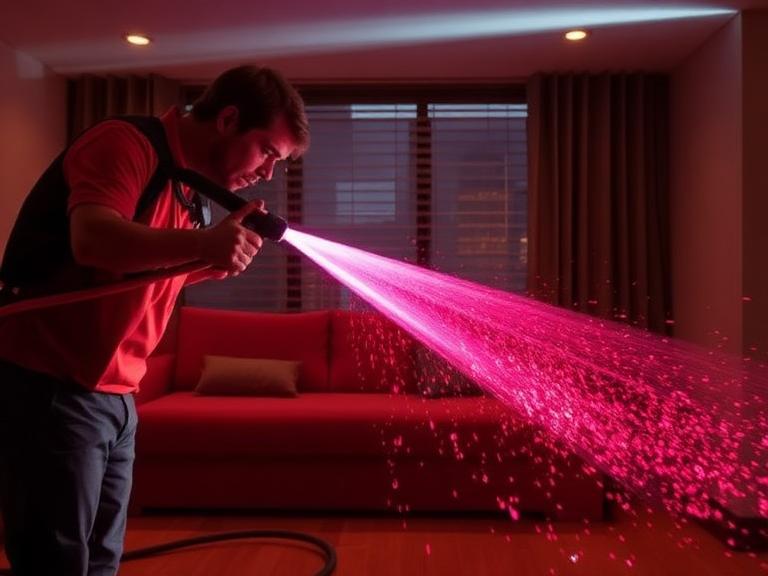
For job shops and on-site repairs (such as bridge maintenance or shipyard work), handheld units are the industry standard. They offer portability and flexibility. However, the Industrial laser rust removal machine price for handheld units is generally lower because they lack the complex motion control systems of automated lines.
Automated solutions are essential for factories requiring high consistency, such as automotive brake pad cleaning or tire mold maintenance. While a handheld 2000W cleaner might cost $9,000, an automated cell with the same laser power could cost $35,000+ due to the robotics and safety integration.
4. Manufacturer Spotlight: Super Fast Laser Technology Co.,Ltd.
About Super Fast Laser Technology Co.,Ltd.
Super Fast Laser Technology Co.,Ltd., headquartered in Shenzhen, is currently the first domestic manufacturer who focuses on the R&D, production, and sales of laser cleaning machines. It has its own R&D team and production factory, placing it in a leading position in the laser cleaning field.
Unlike simple assemblers who buy generic parts and rebrand them, Super Fast Laser controls the core technology. This vertical integration allows them to offer a competitive Industrial laser rust removal machine price without sacrificing quality or after-sales support.
5. Detailed Product Breakdown & Applications
To give you a better idea of what you get for your money, we will look at three specific product categories offered by leaders like Super Fast Laser Technology. These examples illustrate how application needs dictate the machine type and price.
1. Automatic Brake Pad Cleaning Machine
The automotive industry demands high throughput. Brake pads often have residual scorching or oxidation that must be removed before packaging or coating. An Automatic Brake Pad Cleaning Machine is a conveyor-based system.
Estimated Price Range (2026): $20,000 – $45,000
Why this cost? It includes the conveyor system, vision sensors for part detection, and fume extraction units tailored for high-volume production.
2. 6 Axis Automatic Mold Laser Cleaning Machine
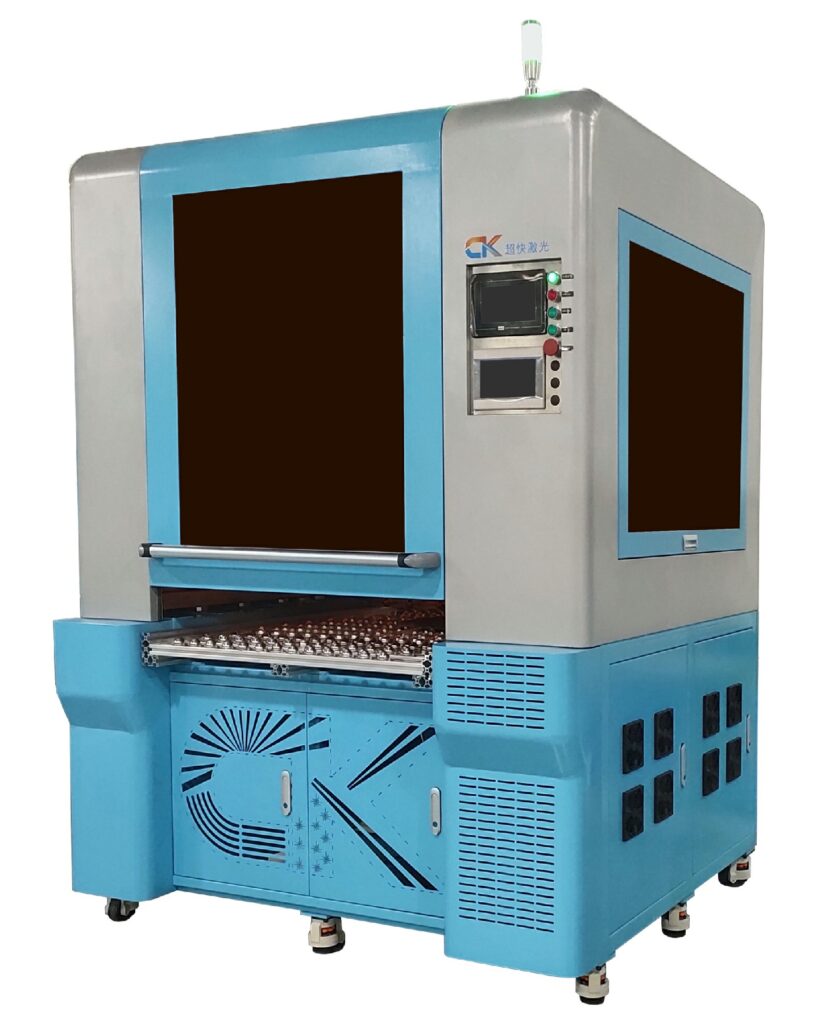
Molds for injection molding or die casting are expensive assets. Traditional cleaning with sandblasting wears them down over time. The 6 Axis automatic Mold Laser Cleaning Machine utilizes a robotic arm to clean complex 3D geometries without touching the surface.
Estimated Price Range (2026): $35,000 – $80,000
Why this cost? The cost is driven by the robotic arm (often from brands like ABB, KUKA, or high-end domestic equivalents) and the complex programming required to follow 3D curves precisely.
3. Large Power Rate Cabinet Laser Cleaning Machine
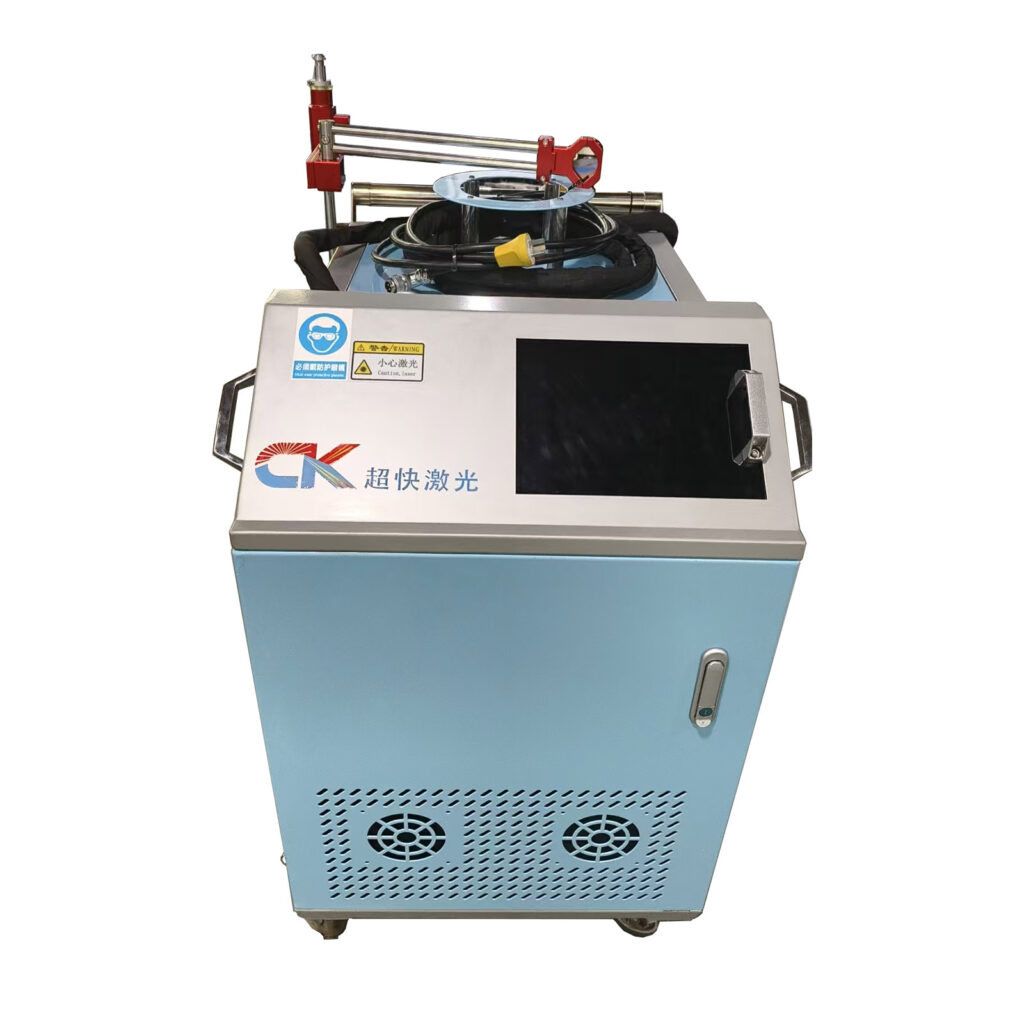
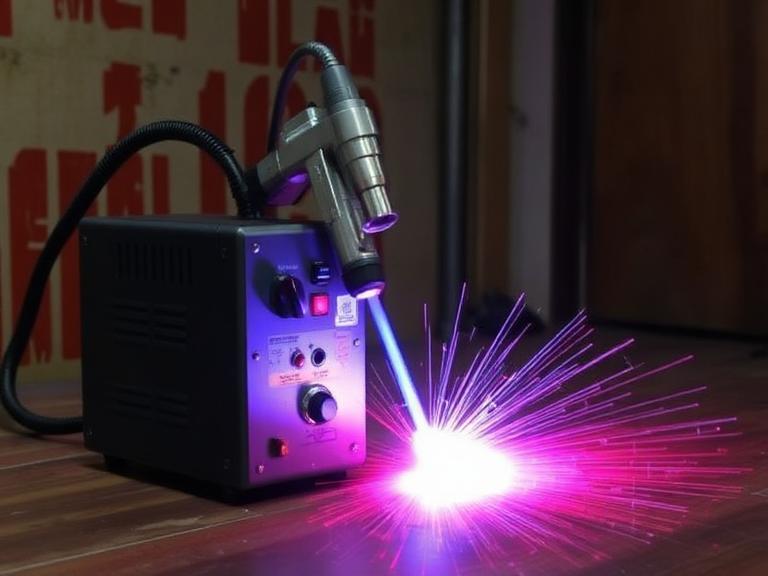
For heavy industry—such as removing rust from steel beams or stripping paint from large marine components—power is king. The Large Power Rate Cabinet Laser Cleaning Machine typically features laser sources ranging from 3000W to 6000W.
Estimated Price Range (2026): $15,000 – $30,000
Why this cost? The price is primarily driven by the high-wattage fiber laser source and the heavy-duty cooling system (water chiller) required to keep the machine running continuously.
6. Return on Investment (ROI) Analysis
While the initial Industrial laser rust removal machine price may seem higher than a sandblasting setup, the operational costs tell a different story. In 2026, the cost of consumables (sand, chemicals) and hazardous waste disposal continues to rise.
Laser cleaning has zero consumables beyond electricity and occasional protective lens changes.
Example: A factory spending $2,000/month on sandblasting media and waste disposal can reach the break-even point on a $12,000 laser machine in just 6 months. Furthermore, the non-contact nature of lasers extends the lifespan of molds and tools, saving thousands in replacement costs.
7. Summary Price Table
The following table provides a snapshot of the Industrial laser rust removal machine price in 2026 based on global averages and data from top manufacturers like Super Fast Laser Technology Co.,Ltd.
| Machine Type | Power / Specs | Typical Application | Est. Price Range (USD) |
|---|---|---|---|
| Handheld CW Cleaner | 1000W – 1500W | Light Rust, Thin Paint | $4,500 – $7,500 |
| Handheld CW Cleaner | 2000W – 3000W | Heavy Corrosion, Marine | $8,000 – $14,000 |
| Backpack Pulsed | 100W – 200W | Graffiti, Stone, Wood | $5,500 – $9,000 |
| Automatic Brake Pad System | Custom Conveyor | Automotive Production | $20,000 – $45,000 |
| 6-Axis Robotic System | Robotic Integration | Mold Cleaning | $35,000 – $80,000+ |
8. Frequently Asked Questions (FAQs)
1. Why is there such a large price difference between 1000W machines?
The difference usually lies in the laser source brand (IPG vs. Raycus/Max), the quality of the cleaning gun (ergonomics, weight), and the chiller system. Cheaper units often use heavier, less efficient guns and generic components.
2. Does Super Fast Laser Technology Co.,Ltd. offer training?
Yes, reputable manufacturers like Super Fast Laser Technology provide comprehensive training. Since they focus on R&D and production, they understand the nuances of parameter settings better than trading companies.
3. Can a rust removal machine also remove paint?
Yes. The principle is the same (ablation). However, paint removal often requires higher power or different frequency settings compared to rust removal to prevent burning the substrate underneath.
4. Is laser cleaning safe for the operator?
Laser cleaning is safe if proper protocols are followed, including wearing specific laser safety glasses (OD6+). Automated systems like the 6 Axis Mold Machine are safer as they are usually enclosed, separating the operator from the laser radiation.
5. What is the maintenance cost for these machines?
Maintenance is very low. The primary maintenance involves keeping the protective lens on the gun clean and changing the cooling water. The laser source itself is designed for 100,000 hours of operation.
Conclusion: As we move through 2026, the Industrial laser rust removal machine price is becoming increasingly attractive for businesses aiming to modernize their maintenance and production lines. Whether you need a portable unit for field work or a sophisticated 6-axis system for mold maintenance, companies like Super Fast Laser Technology Co.,Ltd. offer reliable, high-tech solutions that deliver a rapid return on investment. By understanding your specific application needs—be it brake pads, molds, or heavy machinery—you can choose the right wattage and configuration without overspending.