- Ziva@CKlasersz.com
- WeChat:86-13138536413
- 400-168-9906
- 0755 27084852






Tarafından yazıldı Süper Hızlı Lazer
Endüstriyel yüzey hazırlığı ve restorasyonu büyük bir teknolojik değişim geçirmiştir. Aşındırıcı kumlama ve kimyasal çözücülerin yerini hızla fotonik ablasyon almaktadır. Tesis yöneticileri ve endüstriyel yükleniciler lazer temizleme makinesi teknolojisini satın almaya karar verdiklerinde hassasiyete, çevresel uyumluluğa ve uzun vadeli maliyet azaltmaya yatırım yapmış olurlar. Bununla birlikte, optik güç, darbe süresi ve dağıtım sistemlerinin özelliklerinde gezinmek derin teknik bilgi gerektirir.
Merkezi Shenzhen'de bulunan Super Fast Laser Technology Co. Ltd. olarak, yalnızca lazer temizleme makinelerinin Ar-Ge, üretim ve satışına odaklanan ilk yerli üretici olmaktan gurur duyuyoruz. Kendi Ar-Ge ekibimizi ve üretim fabrikamızı işletmek bizi lazer temizleme alanında lider bir konuma yerleştiriyor. Dünya çapında birinci sınıf endüstriyel müşterilere tedarik sağlama deneyimimizden, operasyonel başarıyı hangi parametrelerin belirlediğini tam olarak biliyoruz. Yalnızca watt gücüne göre satın almak yerine yapılandırılmış bir tedarik stratejisi izlemenizi öneririz.
Bu kapsamlı mühendislik kılavuzu, 2026 yılında lazer temizleme makinesi sistemleri satın alırken göz önünde bulundurmanız gereken on kritik ipucunu özetlemektedir. İster ağır yapısal çelikten oksidasyonu gideriyor ister hassas tarihi eserleri restore ediyor olun, lazer kaynağını alt tabakanızla eşleştirmek çok önemlidir.
İçindekiler
- Özet Tablo: Temel Tedarik Faktörleri
- İpucu 1: Darbeli ve Sürekli Dalga (CW) Lazerler Arasındaki Farkı Anlayın
- İpucu 2: Güç Çıkışını Kirleticinizle Eşleştirin
- İpucu 3: Taşınabilirliği ve Form Faktörünü Değerlendirin
- İpucu 4: Soğutma Sistemi Konfigürasyonunu İnceleyin
- İpucu 5: Toplam Sahip Olma Maliyetini Hesaplayın
- İpucu 6: Tarama Başlığını ve Optikleri Analiz Edin
- İpucu 7: Spesifik Alt Tabaka Malzemesini Dikkate Alın
- İpucu 8: Kontrol Yazılımı Yeteneklerini Doğrulayın
- İpucu 9: Yatırım Getirisini ve Operasyonel Kârlılığı Değerlendirin
- 10. İpucu: Doğrudan Üretici Desteği Talep Edin
- Sıkça Sorulan Sorular (SSS)
- Sektör Referansları
Özet Tablo: Temel Tedarik Faktörleri
Lazer temizleme makinesi ekipmanı satın almadan önce, operasyonel ihtiyaçlarınızı doğru donanım özellikleriyle uyumlu hale getirmek için bu teknik özet matrisini inceleyin.
| Dikkate alma | Teknik Özellikler | Birincil Uygulama |
|---|---|---|
| Lazer Kaynak Tipi | Darbeli ve Sürekli Dalga (CW) | Hassas/kalıp temizliği için darbeli; ağır pas giderme için CW |
| Optik Güç Çıkışı | 100W ila 3000W+ | Tarihi restorasyon için düşük güç; denizcilik/endüstriyel için yüksek güç |
| Soğutma Mekanizması | Hava Soğutmalı vs. Su Soğutmalı | Taşınabilirlik için hava (<200W); Sürekli yüksek güçlü görev döngüleri için su |
| Tarama Genişliği | 10 mm ila 300 mm+ | Hassas kaynaklar için dar; geniş panel yüzeyi hazırlığı için geniş |
| Form Faktörü | Sırt Çantası vs. Kabin vs. Robotik Kol | Saha çalışmaları için sırt çantası; Atölye zeminleri için kabin; Montaj hatları için robotik |
İpucu 1: Darbeli ve Sürekli Dalga (CW) Lazerler Arasındaki Farkı Anlayın
Lazer temizleme makinesi sistemleri satın alırken vereceğiniz en kritik karar lazer kaynağını seçmektir. Sürekli Dalga (CW) lazerler kesintisiz bir ışık demeti yayar, bu da onları kalın çelik üzerindeki kalın pas veya ağır deniz kaplamalarının hızlı ve agresif bir şekilde çıkarılması için oldukça etkili kılar. Bununla birlikte, CW lazerler alt tabakaya büyük miktarda ısı verir, bu da ince metalleri bükebilir veya hassas temel malzemelere zarar verebilir.
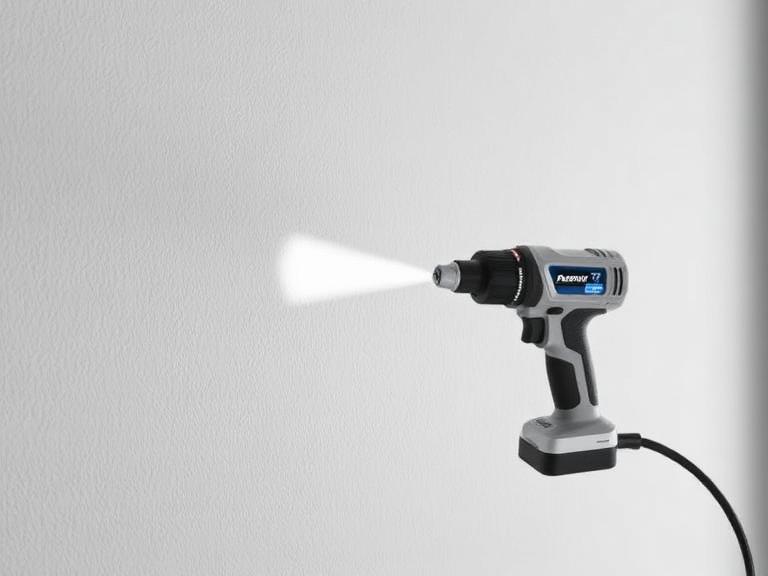
Tersine, darbeli lazerler nanosaniyelik patlamalar halinde ışık yayar. Bu, termal enerji alt tabakaya aktarılmadan önce kirleticiyi buharlaştıran yüksek tepe gücü oluşturur. Deneyimlerimize göre, enjeksiyon kalıplarını, havacılık bileşenlerini veya doğal malzemeleri temizliyorsanız, darbeli bir lazer zorunludur. Örneğin, lazer seçimine ilişkin teknik dökümümüzü inceleyebilirsiniz ahşap için en iyi lazer temizleme makinesi nabız kontrolünün kömürleşmeyi önlemek için neden hayati önem taşıdığını anlamak için.
İpucu 2: Güç Çıkışını Kirleticinizle Eşleştirin
Birçok alıcı, daha yüksek watt değerinin daha iyi bir makineye eşit olduğunu varsayar. Bu maliyetli bir yanılgıdır. Lazer temizleme makinesi ekipmanı satın aldığınızda, watt değeri hedef kirleticinizin ablasyon eşiği ile uyumlu olmalıdır. 100W darbeli lazer, hafif yağ kalıntılarının giderilmesi, tarihi restorasyon ve kaynak öncesi temizlik için idealdir. Kalın epoksi boyalar veya ağır oksidasyon için 500W veya 1000W'a çıkmak gerekir. Birincil kullanım durumunuzu analiz etmenizi öneririz; eğer ağır endüstriyel korozyon günlük savaşınızsa pas gi̇derme i̇çi̇n lazer temi̇zleme maki̇neleri̇ sizi uygun çok kilovatlık CW veya yüksek güçlü darbeli sistemlere yönlendirecektir.
İpucu 3: Taşınabilirliği ve Form Faktörünü Değerlendirin
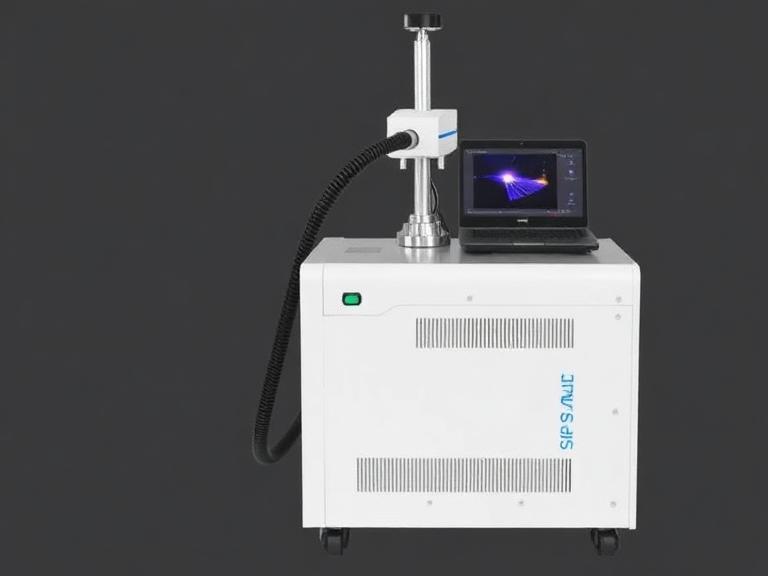
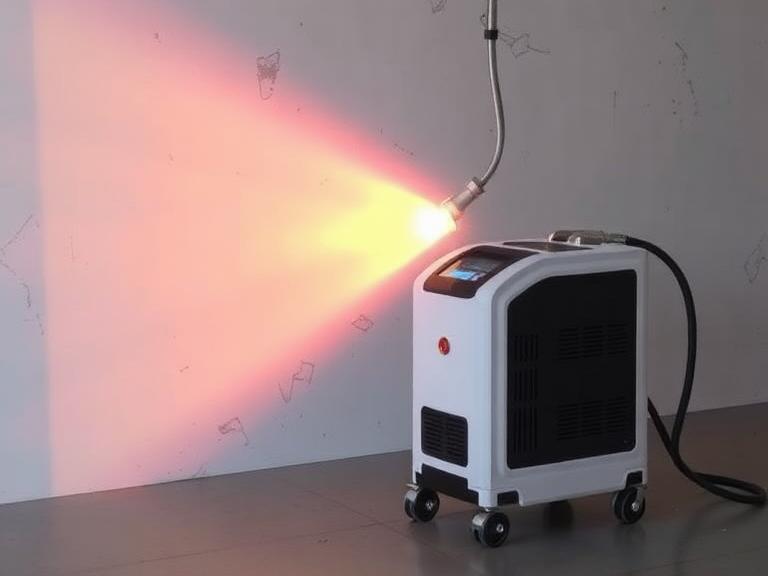
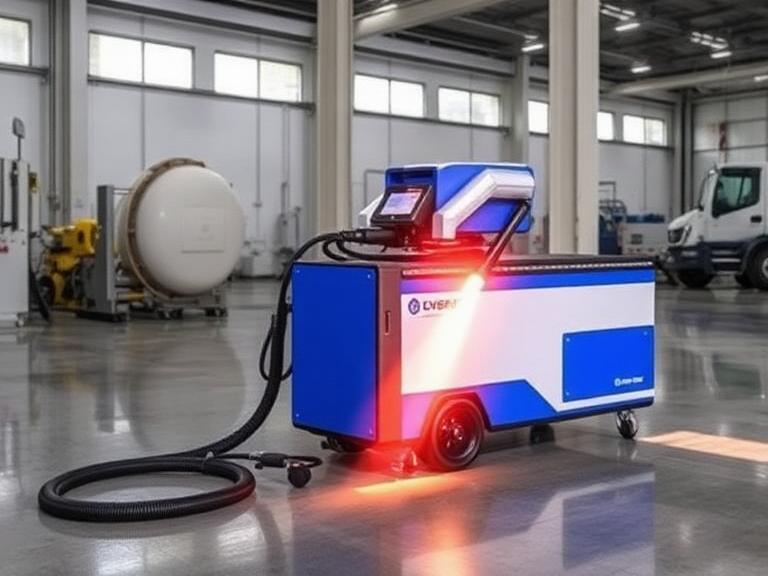
Temizlik nerede yapılacak? Sabit bir üretim hattı işletiyorsanız, robotik bir hücreye entegre edilmiş kabin tarzı büyük bir makine idealdir. Ancak tersanelerde, rafinerilerde veya şantiyelerde sözleşmeli temizlik hizmetleri sağlıyorsanız, mobilite öncelikli endişenizdir. Saha hizmeti için lazer temizleme makinesi kurulumları satın aldığınızda, şasinin ağırlığını, tekerlek konfigürasyonunu ve sağlamlığını araştırın. Kompakt tasarımlardaki en son gelişmeleri görmek için en iyi lazer temizleme makinelerini incelemenizi öneririz. mobi̇l lazer temi̇zleme maki̇neleri̇ 2026.
İpucu 4: Soğutma Sistemi Konfigürasyonunu İnceleyin
Lazerler önemli termal yükler oluşturur. Soğutma sisteminin verimliliği, ekipmanınızın görev döngüsünü doğrudan etkiler. Düşük güçlü darbeli sistemler (tipik olarak 200W'ın altında) genellikle hava soğutması kullanabilir, bu da onları daha hafif ve taşıması daha kolay hale getirir. Yüksek güçlü sistemler kesinlikle sağlam su soğutmalı soğutucular gerektirir. 1000W'ın üzerinde lazer temizleme makinesi sistemleri satın aldığınızda, nemli çalışma koşullarında lenslerde yoğuşmayı önlemek için soğutucunun biri lazer kaynağı diğeri optik kafa için olmak üzere çift sıcaklık kontrol devresi kullandığından emin olun.
İpucu 5: Toplam Sahip Olma Maliyetini Hesaplayın
Lazer temizleme makinesi ekipmanı satın almak için yapılan ön sermaye harcaması, finansal denklemin yalnızca bir parçasıdır. Aşındırıcı kumlamanın aksine, lazerler kum veya kuru buz gibi sarf malzemesi gerektirmez ve tehlikeli bertaraf gerektiren ikincil atık üretmezler. Birincil işletme maliyeti elektrik ve koruyucu camların zaman zaman değiştirilmesidir. İlk donanım maliyetlerini değerlendirirken, özellikle belirli bölgesel pazarlarda, aşağıdaki gibi kılavuzları araştırın küçük lazer temizleme makinesi fiyatı Avustralya küresel fiyatlandırma standartlarını yerel doğrudan üreticiden fiyatlandırma ile kıyaslamanıza yardımcı olabilir.
İpucu 6: Tarama Başlığını ve Optikleri Analiz Edin
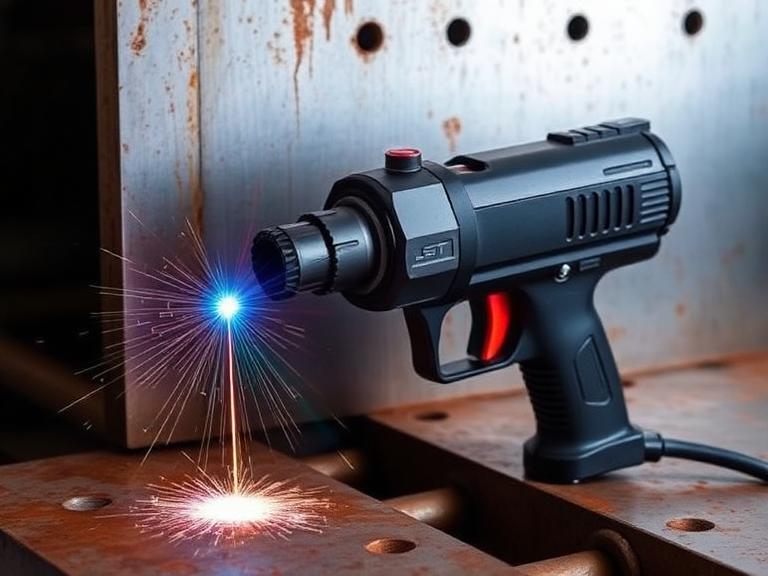
Tarama başlığı (operatörün tuttuğu fiziksel tabanca) ışın dağıtımını belirler. Lazer ışınını yüzey boyunca süpürmek için dahili salınımlı aynalar (galvanometreler) kullanır. Lazer temizleme makinesi ekipmanı satın aldığınızda, tarama genişliği özelliklerini doğrulayın. Yüksek kaliteli bir tarayıcı 10 mm'den 300 mm'ye kadar ayarlanabilir genişlikler sunacaktır. Ayrıca, sekiz saatlik vardiyalar sırasında operatör yorgunluğunu azaltmak için ergonomik, hafif temizleme başlıklarını (1,5 kg'ın altında) seçmenizi öneririz.
İpucu 7: Spesifik Alt Tabaka Malzemesini Dikkate Alın
Lazer ablasyonu, kirletici madde ile alt tabaka arasındaki farklı emilim oranlarına dayanır. 1064nm'lik bir dalga boyu (fiber lazerler için standart) pas ve boya tarafından yüksek oranda emilir ancak çıplak alüminyum ve çelikten yansıyarak temizleme işlemini tam olarak ana metalde durdurur. Bununla birlikte, alt katmanınız yüksek oranda yansıtıcıysa (cilalı bakır veya pirinç gibi), lazer kaynağının özel yansıma önleyici koruma izolatörlerine sahip olduğundan emin olmalısınız; aksi takdirde, geri yansıyan ışık lazer osilatörünü tahrip edecektir. Lazer temizleme makinesi sistemleri satın almadan önce özel malzemeleriniz üzerinde numune testleri yapmak için doğrudan mühendislik ekibimize danışmanızı öneririz.
İpucu 8: Kontrol Yazılımı Yeteneklerini Doğrulayın
Kullanıcı arayüzü, operasyonunuzun beynidir. Modern lazer temizleyiciler, operatörlerin belirli parametre profillerini kaydetmesine olanak tanıyan sezgisel dokunmatik ekran arayüzlerine sahip olmalıdır. Pazartesi günü motor bloklarını ve Salı günü hassas fırın tepsilerini temizliyorsanız, tam darbe frekansını, tarama hızını ve watt profilini anında geri çağırabilme özelliği operatör hatasını önler. Parametre ince ayarını yasaklayan kilitli, tescilli yazılıma sahip makinelerden kaçının.
İpucu 9: Yatırım Getirisini ve Operasyonel Kârlılığı Değerlendirin
Hizmet yüklenicileri için lazer temizleme makinesi teknolojisini satın alma kararı, hızlı yatırım getirisi tarafından yönlendirilir. Bir lazer temizleyicinin hızı doğrudan faturalandırılabilir alan görüntülerine dönüşür. 100W'lık bir makine daha ucuz olsa da, 1000W'lık bir makine işi on kat daha hızlı tamamlayarak saat başına kar marjınızı büyük ölçüde artıracaktır. İşleri doğru bir şekilde teklif etmek ve yatırım getirinizi tahmin etmek için aşağıdaki dökümümüzü kullanmanızı şiddetle tavsiye ederiz lazer temizleme hizmetinin metrekare başına maliyeti.
10. İpucu: Doğrudan Üretici Desteği Talep Edin
Endüstriyel lazer pazarı, altta yatan fotonik mühendisliğini anlamadan ekipmanı yeniden markalaştıran ticari şirketlerle doludur. Lazer temizleme makinesi sistemleri satın aldığınızda, doğrudan Super Fast Laser Technology Co, Ltd gibi birincil bir üreticiden satın alın. Kendi Ar-Ge tesisimize sahibiz, yani kaynak kodunu, optik hizalamayı ve bileşen entegrasyonunu kontrol ediyoruz. Bu, son derece spesifik bir endüstriyel zorlukla karşılaştığınızda, bir aracıdan gecikmeli yanıtlar almak yerine doğrudan mühendislik desteği almanızı garanti eder.
Sıkça Sorulan Sorular (SSS)
Bir lazer temizleme makinesini çalıştırmak için hangi koruyucu ekipman gereklidir?
Lazer temizleyiciler Sınıf 4 lazer cihazlarıdır. Operatör ve yakın çevresindeki herkes, özellikle 1064nm dalga boyu için derecelendirilmiş lazer güvenlik gözlükleri takmalıdır (Optik Yoğunluk OD6+ standarttır). Ayrıca, tehlikeli partiküllerin solunmasını önlemek amacıyla buharlaşan boya, pas veya yağları yakalamak için bir duman emme sistemi gereklidir.
Plastik veya fiberglas temizlemek için lazer temizleme makinesi teknolojisi satın alabilir miyim?
Genel olarak, standart 1064nm fiber lazerler plastik veya fiberglas gibi organik alt tabakalar için ideal değildir, çünkü lazer enerjisi kirleticiyi aşındırmadan önce ana malzemeyi eritebilir veya yakabilir. Bu hassas alt tabakalar için ultraviyole (UV) lazerler veya son derece spesifik ultra kısa atımlı lazerler gereklidir. Metalik olmayan uygulamalar için mühendislerimize danışmanızı öneririz.
Lazerle temizleme metalin yüzey dokusunu değiştirir mi?
Doğru şekilde kalibre edildiğinde darbeli lazer yüzey dokusunu değiştirmez, metali eritmez veya mikro çatlaklar oluşturmaz. Aşındırıcı olmayan, kinetik olmayan bir işlemdir. Bu, onu alt tabakayı fiziksel olarak aşındıran ve boyutsal toleransları değiştiren kumlamadan çok daha üstün kılar.
Bir fiber lazer kaynağının ömrü ne kadardır?
Endüstriyel temizlik makinelerinde kullanılan yüksek kaliteli fiber lazer kaynakları 100.000 saate kadar çalışma ömrüne sahiptir (Arızalar Arası Ortalama Süre). Harici optiklerin ve soğutucu soğutucunun uygun şekilde bakımı ile makine on yıldan fazla güvenilir hizmet sağlayacaktır.
Sektör Referansları
En yüksek endüstriyel güvenlik ve teknolojik doğruluk standartlarını sağlamak için, bu kılavuzda ele alınan ilkeler küresel fotonik ve üretim standartlarıyla uyumludur. Tesis yöneticilerini aşağıdaki yetkili kaynakları incelemeye teşvik ediyoruz: