Is Laser Cleaning More Effective Than Sandblasting? An Industry Analysis

Is Laser Cleaning More Effective Than Sandblasting

Is Laser Cleaning More Effective Than Sandblasting? An Industry Analysis

In the surface treatment industry, the debate between traditional abrasive methods and modern photonic solutions is ongoing. As manufacturers seek to optimize production lines and reduce environmental footprints, the question arises: Is laser cleaning more effective than sandblasting? From our experience in industrial applications, the answer depends heavily on the specific requirements of precision, substrate integrity, and operational costs. However, for high-value components and automated lines, laser technology is rapidly outpacing abrasive blasting.

Is Laser Cleaning More Effective Than Sandblasting

1. Comparison of Cleaning Mechanisms

To understand if laser cleaning is more effective than sandblasting, we must first analyze how each method removes contaminants. Sandblasting, or abrasive blasting, relies on kinetic energy. It propels media (sand, grit, glass beads) at high speeds to physically chip away rust, paint, or scale. It is a brute-force method.

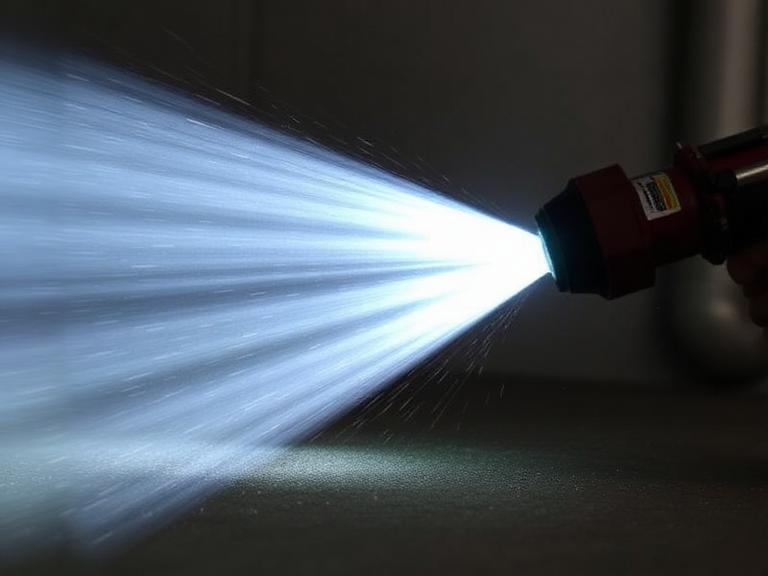
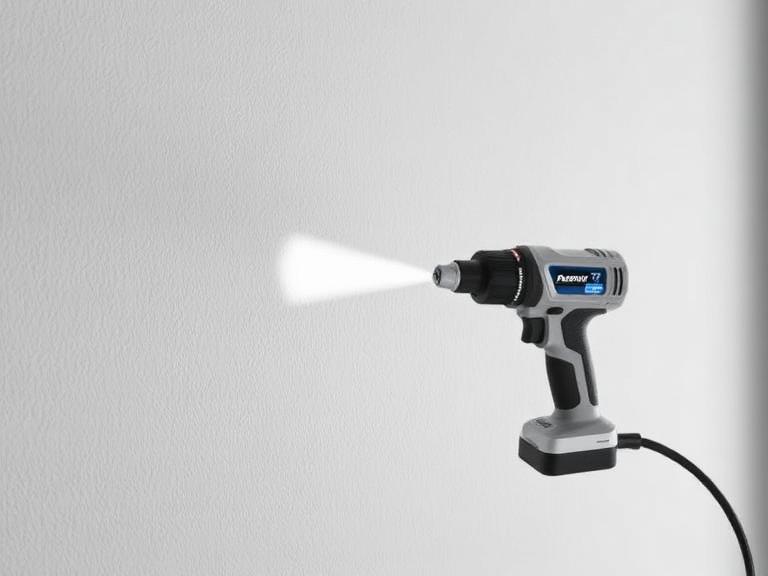
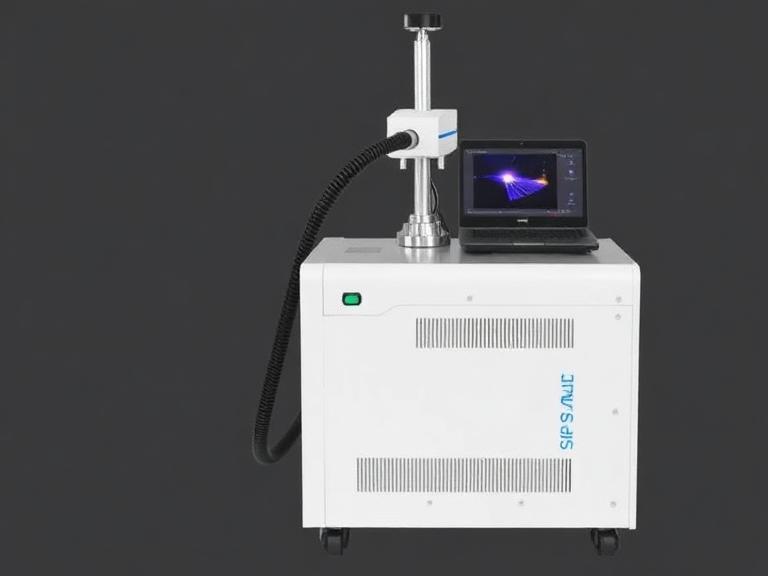
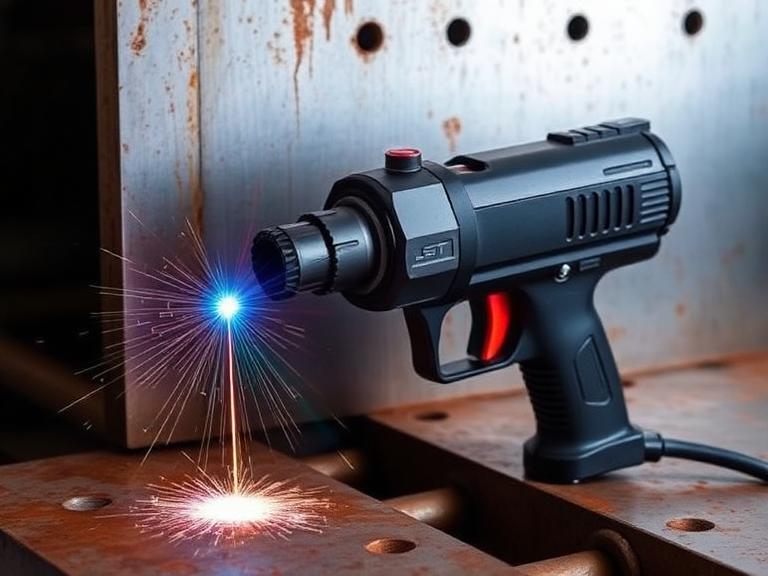
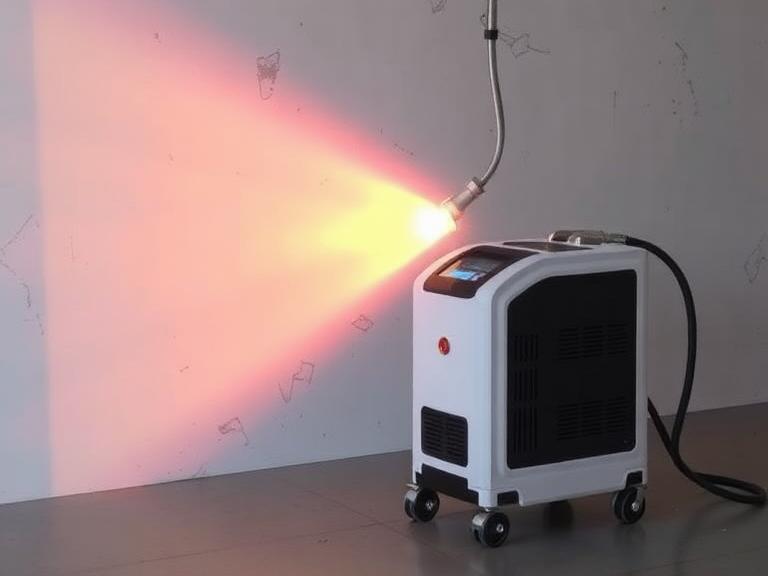
Laser cleaning, conversely, utilizes the principle of laser ablation. High-energy laser pulses irradiate the surface. The contaminants absorb this energy, heat up rapidly, and evaporate or expand off the surface, while the substrate (usually metal) reflects the light and remains cool. We recommend laser cleaning when the preservation of the base material’s geometry is critical.

2. Precision and Substrate Integrity

From our professional standpoint, this is where laser cleaning demonstrates clear superiority. Sandblasting is inherently subtractive and abrasive. It creates a surface profile by removing a layer of the base material along with the contaminant. While this texture is beneficial for painting adhesion, it is detrimental for precision parts, molds, or aerospace components where tolerances are measured in microns.

Is laser cleaning more effective than sandblasting for delicate parts? Absolutely. Laser cleaning is non-contact and non-abrasive. By adjusting the pulse frequency and power, we can remove a single layer of paint without touching the primer beneath, or clean a tire mold without altering the intricate tread patterns. This capability is vital for industries like automotive manufacturing, where maintaining the integrity of brake pads and transmission components is non-negotiable.

3. Environmental Impact and Safety

The industrial sector is under increasing pressure to adopt green technologies. Sandblasting generates massive amounts of secondary waste. The abrasive media mixes with the removed contaminants, creating hazardous waste that requires costly disposal. Furthermore, the dust generated poses significant respiratory risks (silicosis) to operators, requiring heavy PPE and containment facilities.

In contrast, laser cleaning is a “green” technology. It requires no chemical consumables or abrasive media. The waste produced is limited to the small amount of vaporized coating or particulate, which is easily captured by a fume extractor. When evaluating if laser cleaning is more effective than sandblasting regarding sustainability, the laser wins by a significant margin due to zero media consumption and low noise pollution.

4. Operational Cost Analysis (OpEx vs CapEx)

The financial comparison is nuanced. Sandblasting equipment has a low Capital Expenditure (CapEx). You can buy a setup cheaply. However, the Operational Expenditure (OpEx) is high. You constantly pay for media, disposal fees, extensive cleanup labor, and faster wear-and-tear on the parts being cleaned.

Laser cleaning machines have a higher initial investment. However, the operating costs are incredibly low—essentially just electricity. There are no consumables. From our experience, the Return on Investment (ROI) for laser cleaning typically occurs within 12 to 18 months for high-volume producers. Therefore, while the entry price is higher, laser cleaning is more effective than sandblasting for long-term profitability.

5. Automation and Specialized Solutions

Modern manufacturing demands automation. Sandblasting is difficult to integrate into precise assembly lines due to the mess and recoil involved. Laser cleaning, being light-based, is easily integrated with robotic arms and CNC systems.

5. Automation and Specialized Solutions

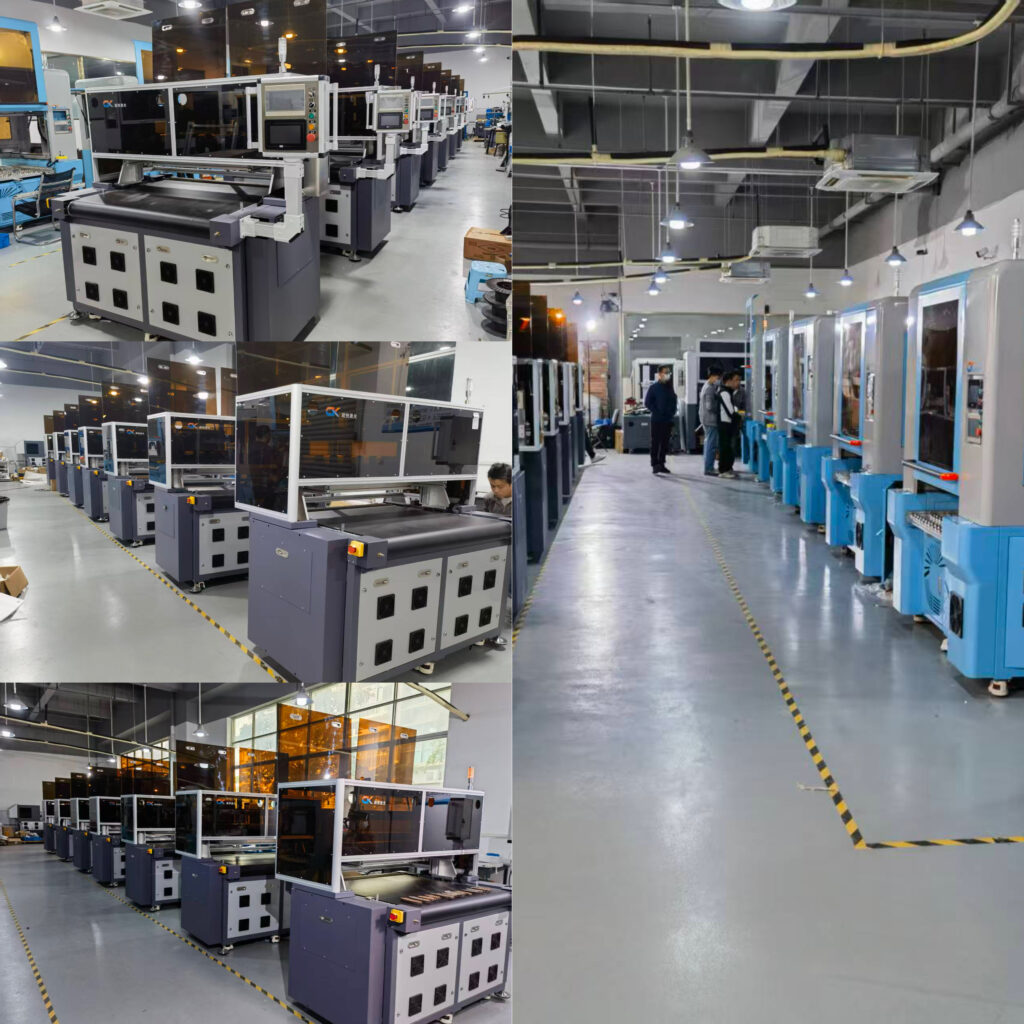
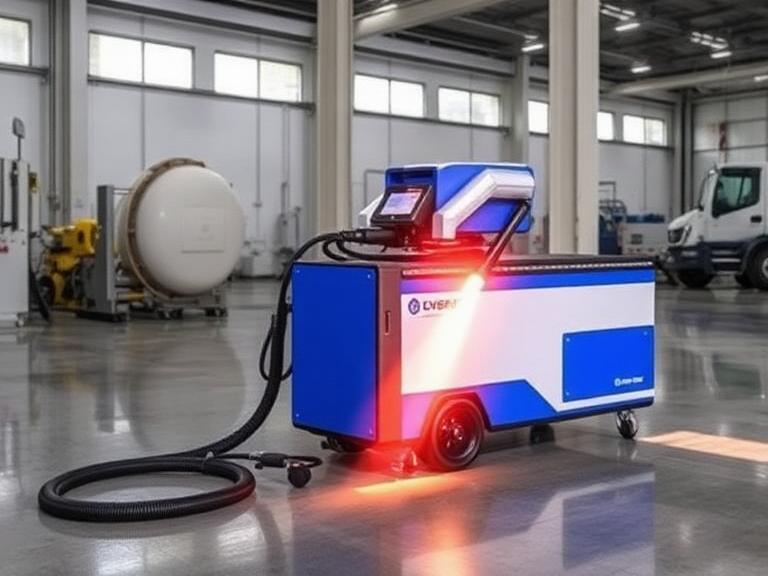
We see this shift clearly in the market. Companies like 超快激光技术有限公司. are leading this transition. As the first domestic manufacturer in Shenzhen focusing on R&D and production, they have developed specialized equipment that outperforms manual blasting. Their 6 轴自动模具激光清洗机 and 自动变速器刹车片 激光清洁设备 are prime examples of how laser technology provides consistency that sandblasting cannot match.

For businesses requiring tailored solutions, Super Fast Laser Technology Co.,Ltd. offers 自动定制解决方案 services, ensuring that the transition from abrasive to laser is seamless. Their R&D team has positioned them in a leading position in the field, moving beyond simple 手持式激光清洗机 units to fully integrated industrial systems.

6. Summary Comparison Table

特点激光清洁喷砂
基底损坏None / NegligibleHigh (Subtractive)
消耗品无(仅限电力)高(沙子、砂砾、喷嘴)
Waste GenerationMinimal (Vapor/Dust)High (Spent Media + Contaminant)
精度Micron-level accuracyLow / Area blasting
Initial CostLow
Running Cost非常低
自动化潜力ExcellentModerate to Low

7. Frequently Asked Questions

Is laser cleaning more effective than sandblasting for rust removal?Yes, especially if the base metal must be preserved. Laser cleaning removes oxides completely without thinning the metal, whereas sandblasting removes the rust by eroding the surface.

Can laser cleaning replace sandblasting entirely?Not entirely. For preparing large, rough surfaces like ship hulls or bridges where surface profiling (creating texture for paint adhesion) is required, sandblasting is still highly efficient. However, for precision manufacturing and mold cleaning, laser is superior.

What safety gear is needed for laser cleaning?Operators must wear laser safety glasses rated for the specific wavelength of the machine. Fume extraction is also necessary. Unlike sandblasting, full-body pressurized suits are not required.

How fast is laser cleaning compared to sandblasting?Sandblasting can be faster on very large, flat, heavily corroded areas. However, laser cleaning is faster when accounting for the lack of setup time, cleanup time, and the ability to clean hot parts inline without cooling them down first.

最新文章

What Does a Laser Cleaner Do?

What Can Laser Cleaners Remove

What Can Laser Cleaners Remove? A Comprehensive Industry Analysis

Is Laser Cleaning More Effective Than Sandblasting

Is Laser Cleaning More Effective Than Sandblasting? An Industry Analysis

6 Best Laser Cleaning Machines for Removing Metal Rust and Paint Oxidation

6 Best Laser Cleaning Machines for Removing Metal Rust and Paint Oxidation (2026 Guide)

Industrial Laser Rust Removal Machine Price 2026

Industrial Laser Rust Removal Machine Price 2026: Comprehensive Cost Guide

Portable Pulse Laser Cleaning Machine Rental Cost USA 2026

Portable Pulse Laser Cleaning Machine Rental Cost USA 2026

需要帮助?立即发送 WhatsApp 消息

点击下面的代表之一

ZIva
ZIva

技术支持

我在线

我不在线

Patricia J. Hunt
帕特里夏-J-亨特

营销支持

我在线

我不在线