- Ziva@CKlasersz.com
- WeChat:86-13138536413
- 400-168-9906
- 0755 27084852

3 Process of Laser Rust Removal

3 Process of Laser Rust Removal
In modern industrial manufacturing and restoration, combating oxidation and metallic degradation remains a critical operational challenge. For decades, industries have relied on abrasive sandblasting, highly toxic chemical baths, and intensive manual scraping to strip rust from vital components. However, these traditional methodologies frequently compromise the structural integrity of the substrate material while generating severe environmental and occupational hazards. As the global manufacturing sector evolves toward precision and sustainability, understanding and implementing the process of laser rust removal has become an absolute necessity for forward-thinking enterprises.

超快激光技术有限公司., headquartered in Shenzhen, is proudly recognized as the first domestic manufacturer to focus exclusively on the research, development, production, and sales of laser cleaning machines. With our proprietary R&D team and state-of-the-art production factory, we maintain a leading position in the laser cleaning field. We focus heavily on high-tech laser application fields, with the primary purpose of pursuing product specialization. We provide professional laser cleaning hardware, automatic equipment, and advanced software integration. From our experience outfitting the world’s most demanding production floors, the process of laser rust removal is not merely a surface treatment; it is a highly calibrated optical physics operation that guarantees substrate preservation. In this comprehensive guide, we will analyze the scientific principles, operational steps, and automated solutions defining the process of laser rust removal today.
目录
- 1. The Physics Behind the Process of Laser Rust Removal
- 2. Step-by-Step Breakdown of the Process of Laser Rust Removal
- 3. Comparing Laser Ablation to Traditional Cleaning Methodologies
- 4. Super Fast Laser Equipment Solutions
- 5. Summary Table: Stages in the Process of Laser Rust Removal
- 6.常见问题
- 7. Industry References
1. The Physics Behind the Process of Laser Rust Removal
To fully grasp the efficiency of our equipment, one must understand the underlying physics that governs the process of laser rust removal. This methodology relies entirely on a phenomenon known as laser ablation. When a high-intensity laser beam is directed at a rusted metallic surface, the energy dynamics change dramatically based on the absorption threshold of the specific materials involved.
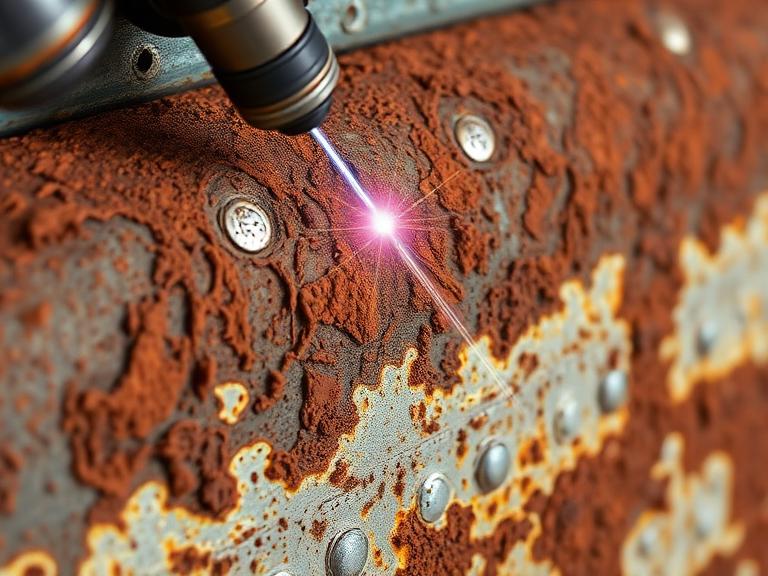
Rust (iron oxide), paint, and grease possess a high absorption rate for the specific wavelengths emitted by fiber lasers. Conversely, the underlying bare metal substrate—whether it be steel, aluminum, or titanium—has a much higher reflectivity threshold. During the process of laser rust removal, the laser emits thousands of ultra-short, high-frequency pulses per second. As these photon pulses strike the iron oxide layer, the rust absorbs the thermal energy instantaneously.
This rapid absorption causes the rust layer to undergo immediate thermal expansion, localized melting, and ultimately, sublimation. The contaminant is vaporized into a micro-plasma plume, leaving the underlying metal entirely unscathed. Because the bare metal reflects the laser beam rather than absorbing it, the process of laser rust removal halts precisely at the boundary between the contaminant and the substrate. From our experience, this auto-limiting characteristic is what makes laser cleaning vastly superior to abrasive blasting, which indiscriminately degrades both rust and healthy metal.
2. Step-by-Step Breakdown of the Process of Laser Rust Removal
Deploying optical cleaning equipment requires a systematic approach. While the process of laser rust removal is incredibly fast, achieving optimal results without damaging the substrate requires strict adherence to professional engineering protocols. We recommend the following procedural workflow for all industrial applications.
2.1 Substrate and Surface Analysis

The process of laser rust removal begins with a thorough inspection of the workpiece. Operators must identify the base metal alloy and determine the thickness and chemical composition of the oxidation layer. Heavy, deeply pitted marine rust requires a significantly different approach than light flash rust on a newly milled automotive component. Recognizing these variables dictates the subsequent hardware settings.
2.2 Equipment Parameter Calibration
Calibration is the most critical phase in the process of laser rust removal. Our Super Fast Laser systems feature highly intuitive software that allows operators to adjust the laser’s power output, pulse frequency, scanning width, and scanning speed. For thick rust, we recommend utilizing a higher wattage with a lower scanning speed to allow deeper thermal penetration. For delicate substrates, such as thin aviation aluminum, a high-frequency pulse with a rapid scanning speed is preferred to minimize the heat-affected zone (HAZ).
2.3 Execution of the Process of Laser Rust Removal
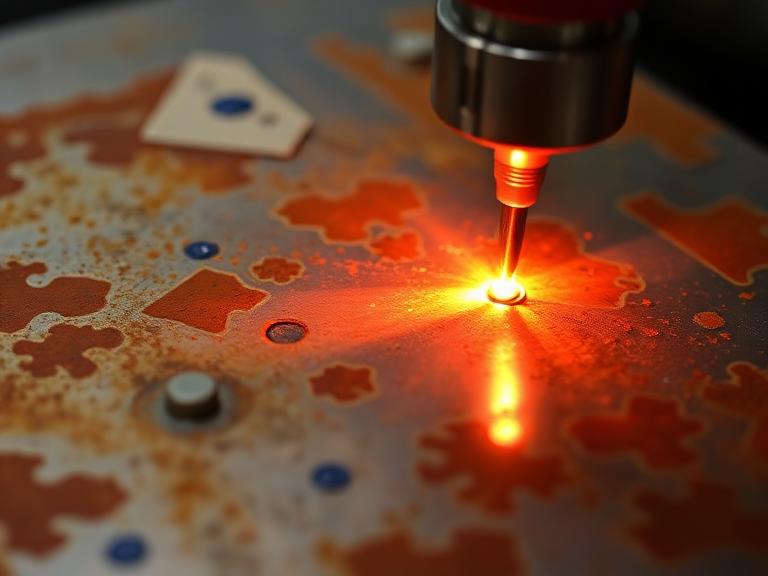
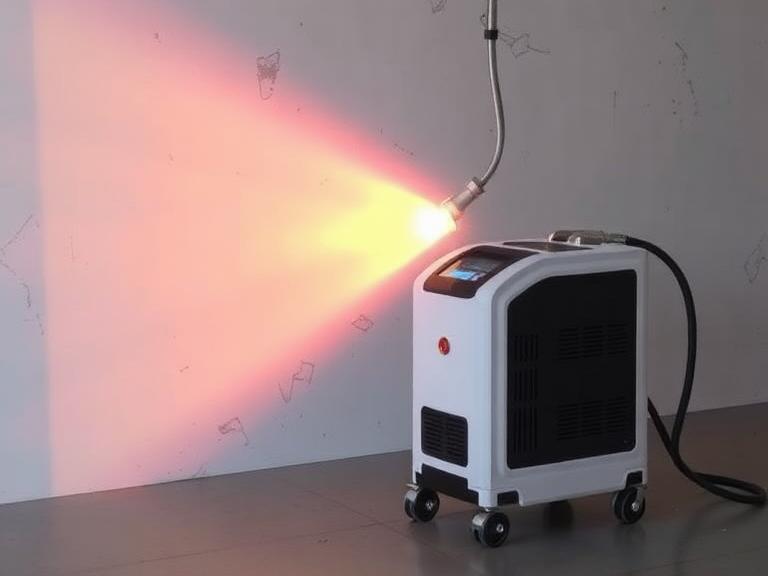
Once calibrated, the actual process of laser rust removal commences. Whether utilizing a manual optics gun or a robotic arm, the laser beam is swept evenly across the contaminated surface. The operator will observe an immediate acoustic reaction—a sharp snapping sound—and a visible flash as the rust is converted into vapor. Proper fume extraction systems must be active during this phase to capture the vaporized iron oxide particulates, ensuring a safe breathing environment for facility personnel and preventing the redeposition of particulate matter onto the cleaned surface.
3. Comparing Laser Ablation to Traditional Cleaning Methodologies
Historically, facility managers have hesitated to upgrade their cleaning lines due to the initial capital expenditure associated with optical hardware. However, a rigorous cost-benefit analysis proves that integrating the process of laser rust removal drastically reduces long-term operational expenses.
Consider traditional sandblasting. This method requires massive amounts of consumable abrasive media, generates hazardous silica dust, and necessitates extensive post-cleaning cleanup. Furthermore, sandblasting alters the surface profile of the metal, creating micro-abrasions that can weaken the component. Chemical pickling is equally problematic, requiring the storage and disposal of highly toxic acids, which incurs massive environmental compliance costs.
By contrast, the process of laser rust removal requires absolutely no consumables—no sand, no water, no chemical solvents. The only operational requirement is electrical power. It is a non-contact, non-abrasive process that preserves the exact microscopic tolerances of the original manufactured part. From our experience, facilities that transition to our laser systems observe a return on investment within 12 to 18 months solely from the elimination of chemical disposal fees and abrasive material purchasing.
4. Super Fast Laser Equipment Solutions

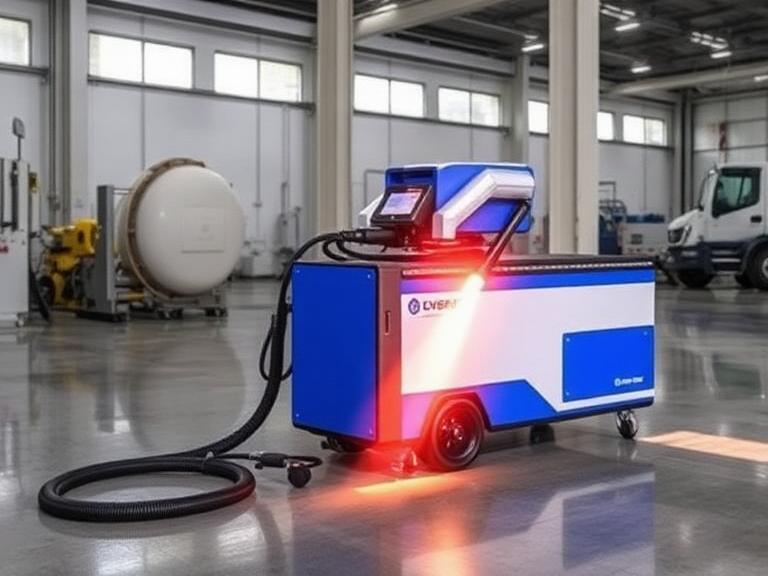
Because the scope of industrial oxidation varies wildly across different sectors, a one-size-fits-all approach to hardware is ineffective. At Super Fast Laser Technology Co., Ltd., we have engineered a diverse portfolio of specialized machinery tailored to execute the process of laser rust removal with unparalleled precision.
4.1 Handheld Laser Cleaning Operations
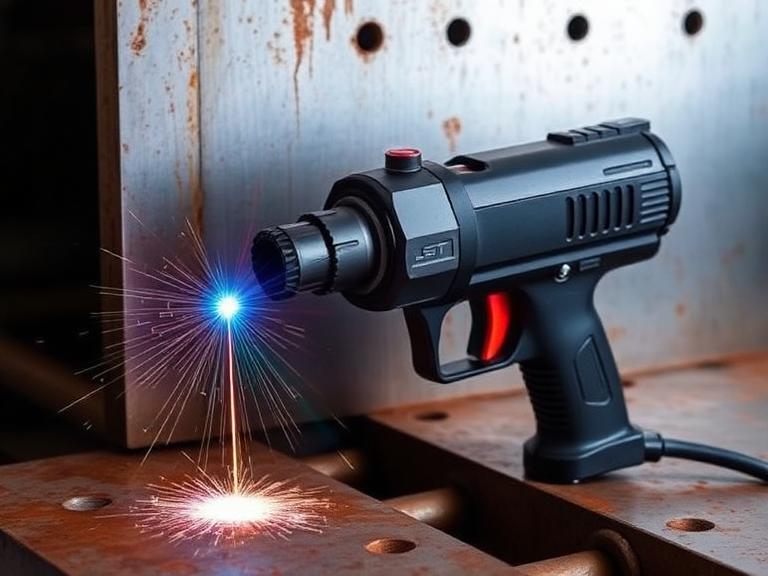
For applications requiring high mobility, such as shipyard maintenance, bridge infrastructure repair, or heavy machinery restoration, we highly recommend our 手持式激光清洗机. This portable unit empowers operators to maneuver the optic gun into complex geometries, tight corners, and awkward vertical spaces. It delivers the full power of the process of laser rust removal in a highly ergonomic package, significantly reducing operator fatigue during prolonged shifts.
4.2 Fully Automated and Robotic Integration
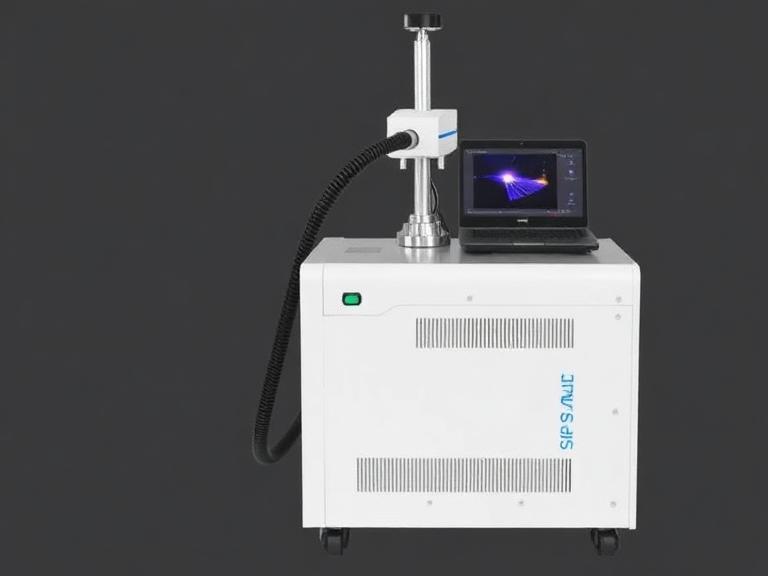
In high-volume manufacturing environments, consistency and speed are paramount. For precision component manufacturing, we offer the 6 轴自动模具激光清洗机. This system integrates a multi-axis robotic arm that sweeps the laser across intricate injection molds with microscopic accuracy, stripping away rust and release agents without damaging the mold’s delicate stippling.
For the automotive sector, our 自动变速器刹车片 激光清洁设备 is engineered specifically for continuous assembly line integration. It strips oxidation from brake components instantaneously as they move along the conveyor. Furthermore, for highly specific industrial workflows, our engineering team excels in developing an 自动定制解决方案. We can integrate the process of laser rust removal directly into your existing PLC and SCADA frameworks, creating a truly touchless, fully automated cleaning cell.
5. Summary Table: Stages in the Process of Laser Rust Removal
To assist your engineering and procurement departments in standardizing operations, we have consolidated the workflow of the process of laser rust removal into the following quick-reference table.
| Process Stage | Action Item | Super Fast Laser Recommendation |
|---|---|---|
| 1. Evaluation | Analyze substrate material and rust severity. | Determine if the application requires handheld flexibility or 6-Axis robotic precision. |
| 2. Calibration | Set laser wattage, pulse frequency, and scan width. | Use lower frequencies for heavy rust; higher frequencies for delicate, thin metals. |
| 3. Ablation | Sweep laser across the target area continuously. | Maintain a consistent focal distance to maximize the photothermal vaporization effect. |
| 4. Extraction | Capture vaporized particulate matter. | Always operate integrated fume extraction to maintain a safe, clean work cell. |
| 5. Inspection | Verify exposed metal cleanliness. | Ensure the substrate retains its original structural integrity with zero thermal warping. |
6.常见问题
Does the process of laser rust removal heat up the base metal?
While lasers generate immense heat, the process of laser rust removal utilizes ultra-short pulses (nanoseconds). The rust absorbs the energy and vaporizes so rapidly that thermal transfer to the underlying substrate is negligible. From our experience, the base metal remains cool or only slightly warm to the touch immediately after cleaning.
Can the process of laser rust removal damage the underlying metal?
No, provided the machine is properly calibrated. Due to the differing ablation thresholds between iron oxide and bare metal, the laser energy bounces off the reflective surface of the cleaned metal. We recommend utilizing our 6 Axis automatic Mold Laser Cleaning Machine for highly sensitive tooling where zero dimensional loss is critical.
Is the process of laser rust removal safe for operators?
Yes, when proper safety protocols are observed. Operators must wear designated laser safety goggles specific to the wavelength of the machine to protect against optical scatter. Additionally, because the process of laser rust removal creates vaporized particulates, a standard industrial fume extractor must be utilized.
Can Super Fast Laser equipment remove coatings other than rust?
Absolutely. The process of laser rust removal is highly adaptable. Our Handheld Laser Cleaning Machine and Automated Customized Solutions are equally effective at stripping thick industrial paint, epoxy resins, heavy oils, weld discoloration, and injection mold release agents.
7. Industry References
To further explore the optical physics, industrial safety standards, and environmental benefits associated with the process of laser rust removal, we recommend reviewing the following authoritative resources: