- Ziva@CKlasersz.com
- WeChat:86-13138536413
- 400-168-9906
- 0755 27084852

The 2026 Expert Guide: Understanding the Laser Metal Cleaning Machine Price and ROI

The 2026 Expert Guide: Understanding the Laser Metal Cleaning Machine Price and ROI
The industrial surface treatment sector has witnessed a profound transformation over the past few years. As environmental regulations tighten and labor costs rise, manufacturing facilities are rapidly abandoning traditional sandblasting and harsh chemical solvents in favor of advanced laser ablation technology. For procurement officers and facility managers navigating this transition in 2026, the most pressing inquiry inevitably centers around a single metric: the laser metal cleaning machine price.

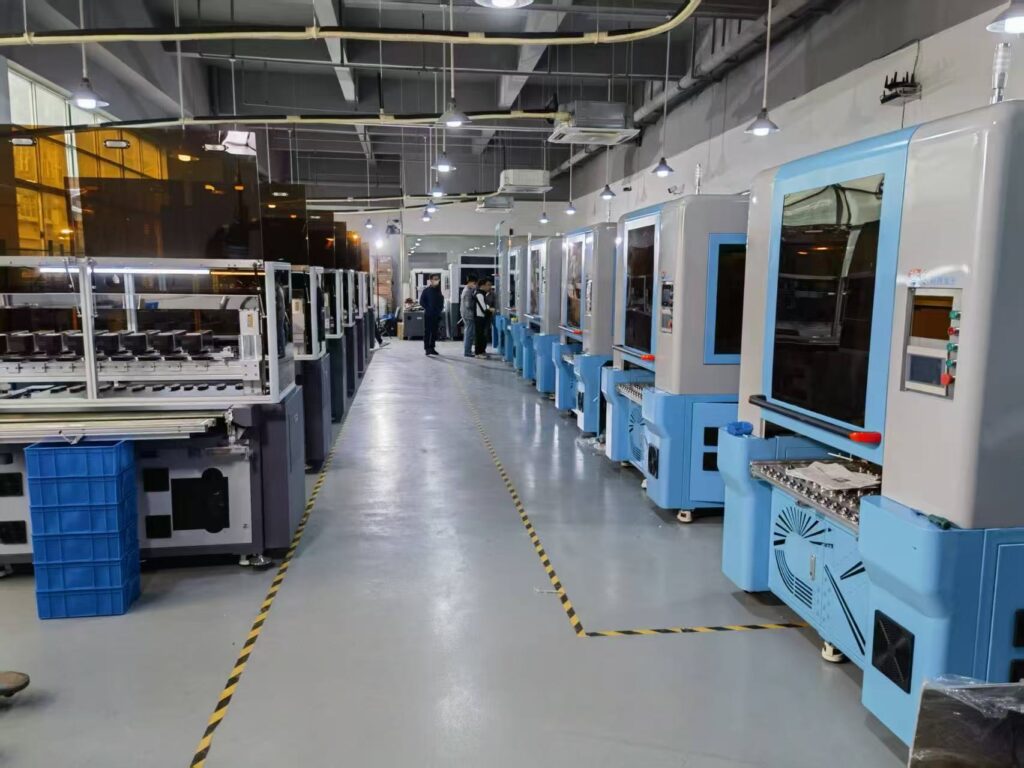
超快激光 Technology Co.,Ltd., headquartered in Shenzhen, is currently the first domestic manufacturer who focuses on the R&D, production, and sales of laser cleaning machines. lt has its own R&D team and production factory, it is in a leading position in the laser cleaning field.
From our experience, evaluating the nuances behind the laser metal cleaning machine price is essential for making a sound capital investment. The market in 2026 offers a vast spectrum of options, ranging from entry-level handheld units for light rust removal to highly sophisticated, multi-axis robotic cells integrated directly into automotive assembly lines. We recommend that buyers look well beyond the initial sticker shock to assess the core laser source technology, automation capabilities, and long-term consumable savings. In this comprehensive industry guide, we will break down exactly what dictates the laser metal cleaning machine price in 2026, helping you maximize your return on investment.
目录
- 1. Summary Table: 2026 Laser Metal Cleaning Machine Price Brackets
- 2. Key Factors Influencing the Laser Metal Cleaning Machine Price
- 3. Continuous Wave (CW) vs. Pulsed Laser Technologies
- 4. Industry-Leading Solutions from Super Fast Laser
- 5. Why the Laser Metal Cleaning Machine Price is an Investment
- 6. Expert Recommendations for Choosing Your Equipment
- 7.常见问题
- 8.行业参考
1. Summary Table: 2026 Laser Metal Cleaning Machine Price Brackets
To provide immediate clarity on current market conditions, we have compiled a summary table outlining the expected cost brackets for various types of laser surface treatment systems. Please note that these figures represent global market averages for industrial-grade equipment in 2026.
| Equipment Category | 功率范围 | Estimated 2026 Cost (USD) | Best Industrial Application |
|---|---|---|---|
| Entry-Level CW Handheld | 1000W – 1500W | $3,500 – $6,000 | Light rust removal, basic paint stripping on thick structural steel. |
| Heavy-Duty CW Handheld | 2000W – 3000W | $6,500 – $14,000 | Marine vessel maintenance, thick scale removal, heavy industrial prep. |
| Precision Pulsed (MOPA) | 100W – 500W | $8,000 – $25,000+ | Injection mold cleaning, aerospace components, non-destructive restoration. |
| Fully Automated / Robotic Cells | Custom Configuration | $70,000 – $200,000+ | High-volume automotive parts, localized weld-seam cleaning, mass production. |
2. Key Factors Influencing the Laser Metal Cleaning Machine Price
When analyzing equipment costs, it is vital to understand the internal engineering that drives the market value. Several distinct hardware components and software integrations have a profound impact on the final laser metal cleaning machine price.
The Laser Source Generator
The single most expensive component within any system is the laser source generator. Premium brands and high-quality domestic sources (such as Raycus, MAX, or IPG) offer superior beam stability and extended operational lifespans (often exceeding 100,000 hours). Systems equipped with these reliable, high-tier generators command a premium, but they drastically reduce the risk of catastrophic failure during critical production runs.
Cooling Infrastructure
Operating high-wattage lasers generates significant thermal loads. While low-power pulsed lasers (under 100W) can sometimes rely on air cooling, industrial continuous wave systems require robust dual-circuit water chillers. We recommend investing in systems with integrated, high-capacity chillers. While this adds to the upfront cost, it prevents the laser optics from warping and ensures continuous 24/7 operation without thermal throttling.
3. Continuous Wave (CW) vs. Pulsed Laser Technologies
The fundamental physics of how the laser beam is delivered to the substrate plays a massive role in determining the cost of the system.
连续波(CW)激光器: These systems emit a constant, uninterrupted stream of laser energy. They are exceptionally powerful and highly efficient at bulk material removal, such as stripping heavy marine rust from thick steel plates. Because the technology is widely used in laser welding and cutting, economies of scale make CW systems highly affordable. However, they generate substantial heat, which can warp thin metals or alter metallurgical properties.
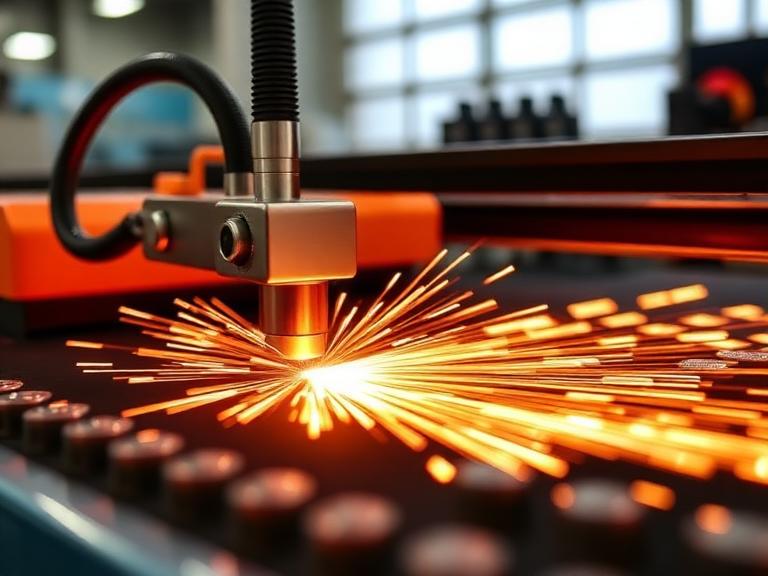
Pulsed Lasers (Gaussian or Top-Hat profiles): Pulsed systems release energy in microsecond or nanosecond bursts. This creates a photothermal and photomechanical shockwave that blasts away contaminants without transferring significant heat into the base metal. This “cold” cleaning process is mandatory for aerospace parts, historical artifacts, and precision molds. The complex electronics required to pulse the beam reliably justify a much higher price point compared to CW systems.
4. Industry-Leading Solutions from Super Fast Laser

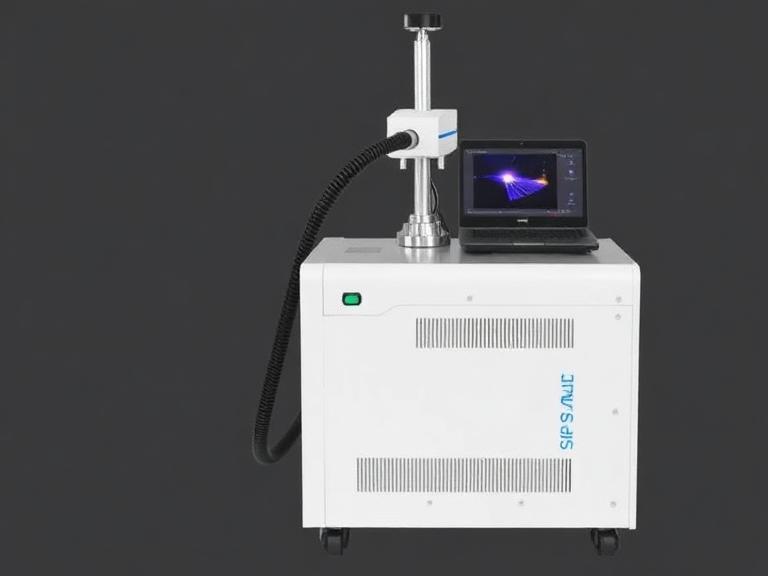
As a pioneering manufacturer, Super Fast Laser has developed a diverse portfolio of equipment engineered to meet the stringent demands of modern manufacturing. We ensure that the laser metal cleaning machine price for our systems perfectly aligns with the industrial value, longevity, and throughput they deliver.
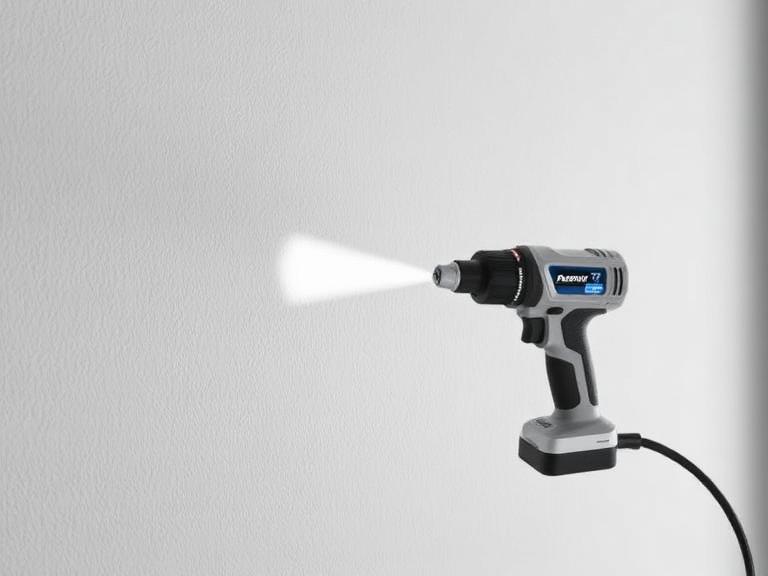
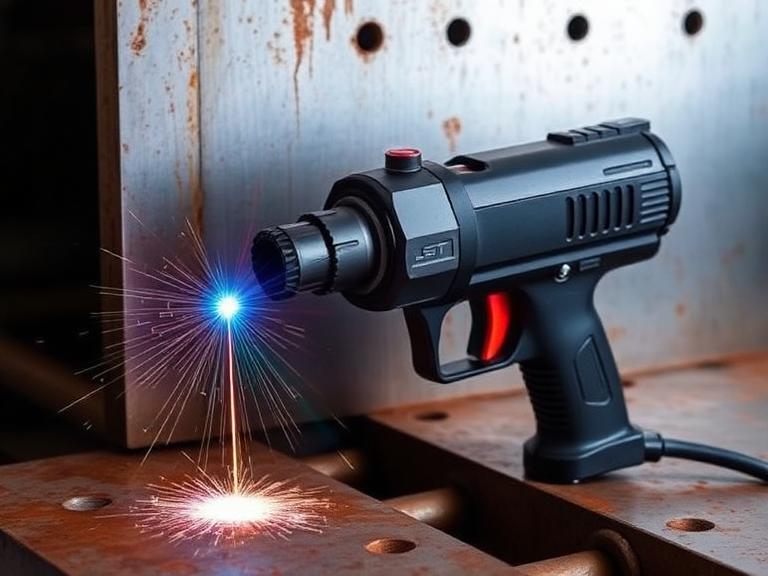
- 手持式激光清洗机: Designed for maximum portability and ergonomic ease of use. This machine is ideal for job shops, shipyards, and structural steel fabricators. It features a lightweight cleaning head with adjustable focal lengths, allowing operators to easily strip rust, oil, and oxides from complex geometries.
- 6 轴自动模具激光清洗机: Injection molding facilities suffer immense downtime when using chemical baths or dry ice to clean intricate molds. This 6-axis robotic system utilizes precision pulsed laser technology to navigate complex mold cavities autonomously. It cleans down to the bare metal without causing micro-abrasions, thereby extending the lifespan of expensive tooling.
- 自动变速器刹车片 激光清洁设备: Engineered specifically for the automotive supply chain. Brake pad backing plates require flawless surface preparation before the friction material is bonded. This specialized, high-throughput machine automates the removal of oils and stamping scale, ensuring a perfect metallurgical bond and eliminating the risk of brake failure.
- 自动定制解决方案: From our experience, off-the-shelf equipment cannot always meet highly specialized production line requirements. Our dedicated R&D team works directly with clients to design, build, and deploy fully automated cleaning cells. These integrations include enclosed safety cabins, proprietary PLC programming, and integrated fume extraction systems tailored to your specific workflow.
5. Why the Laser Metal Cleaning Machine Price is an Investment
Facility managers accustomed to the low initial cost of sandblasting equipment often hesitate when comparing the upfront laser metal cleaning machine price to traditional methods. However, a true Total Cost of Ownership (TCO) analysis reveals that laser technology is vastly superior financially.
Consider the hidden costs of abrasive blasting: facilities must continuously purchase abrasive media (sand, glass beads, or walnut shells). Blasting requires heavy personal protective equipment (PPE), generates massive amounts of secondary hazardous waste that requires expensive disposal, and demands hours of manual cleanup. Conversely, laser cleaning is a non-contact process. The only true ongoing costs are minor electrical consumption and inexpensive protective lens covers.
When you eliminate the cost of abrasive media, chemical solvents, hazmat disposal fees, and dramatically reduce labor time (as laser cleaning is often up to 5 times faster on heavy rust), most of our industrial clients recover their initial investment within 8 to 12 months. After the payback period, the machine generates pure operational savings.
6. Expert Recommendations for Choosing Your Equipment
To ensure you do not overspend or under-equip your facility, we recommend following these precise procurement steps:
- Analyze the Substrate: If you are cleaning thick steel pipes where heat distortion is impossible, an affordable 1500W or 2000W CW Handheld Laser Cleaning Machine is ideal. If you are cleaning thin aluminum, delicate injection molds, or historical restorations, you must invest in a Pulsed laser system.
- Factor in Fume Extraction: Laser ablation vaporizes rust, paint, and oil into microscopic particulates. You must pair your laser cleaner with an industrial-grade fume extractor. Budget an additional $2,000 to $4,000 for high-efficiency particulate air (HEPA) filtration systems to ensure worker safety.
- Prioritize Manufacturer Support: Purchasing grey-market equipment from unverified sellers to save money often leads to disaster. When critical components fail, lack of technical support results in weeks of downtime. Partnering with an established manufacturer like Super Fast Laser guarantees rapid technical support, spare parts availability, and comprehensive operational training.
7.常见问题
What causes the laser metal cleaning machine price to vary so wildly?
The price discrepancy is primarily driven by the type of laser source (Continuous Wave vs. Pulsed), the power output (from 100W up to 3000W+), the quality of the internal optical components, the integrated cooling systems, and the level of automation (handheld vs. robotic integration).
Are there hidden consumable costs with laser cleaning?
Unlike sandblasting, there is no abrasive media to replace. The only consumables are electricity, occasional replacement of the protective focal lens (which costs only a few dollars and prevents dust from damaging the internal optics), and the filters for your external fume extraction unit.
Can a CW (Continuous Wave) laser damage my base metal?
Yes, if used incorrectly. CW lasers transfer significant heat into the substrate. While excellent for thick, durable steel, holding a high-power CW laser in one spot on thin sheet metal or aluminum can cause warping or melting. For delicate surfaces, we strongly recommend utilizing a Pulsed laser system.
激光清洗对操作员安全吗?
Yes, provided strict safety protocols are followed. Operators must wear certified laser safety glasses specifically rated for the wavelength of the machine (typically 1064nm). Additionally, because the process vaporizes contaminants, proper localized fume extraction is mandatory to prevent inhalation of hazardous metallic or chemical fumes.
8.行业参考
To ensure your facility complies with all occupational safety and industrial standards when implementing laser ablation technology, we recommend consulting the following authoritative organizations: