- Ziva@CKlasersz.com
- WeChat:86-13138536413
- 400-168-9906
- 0755 27084852






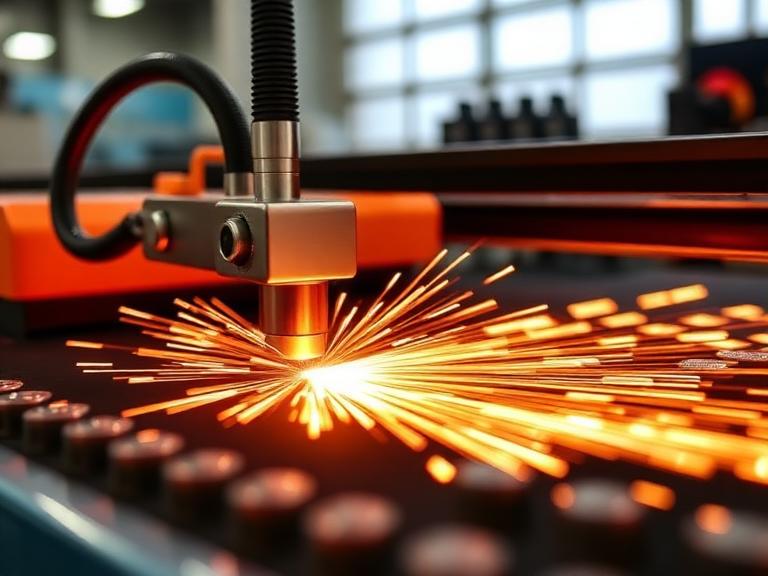
Der Sektor der industriellen Oberflächenbehandlung hat in den letzten Jahren einen tiefgreifenden Wandel erlebt. Angesichts strengerer Umweltauflagen und steigender Arbeitskosten verzichten die Fertigungsbetriebe zunehmend auf das traditionelle Sandstrahlen und den Einsatz aggressiver chemischer Lösungsmittel zugunsten der modernen Laserablationstechnologie. Für Beschaffungsverantwortliche und Betriebsleiter, die sich im Jahr 2026 mit dieser Umstellung befassen, dreht sich die dringlichste Anfrage unweigerlich um eine einzige Kennzahl: die Laser-Metall-Reinigungsmaschine Preis.
Superschneller Laser Technology Co. mit Hauptsitz in Shenzhen ist derzeit der erste inländische Hersteller, der sich auf die Forschung und Entwicklung, die Produktion und den Vertrieb von Laser-Reinigungsmaschinen konzentriert. Das Unternehmen verfügt über ein eigenes Forschungs- und Entwicklungsteam und eine eigene Produktionsstätte und nimmt eine führende Position im Bereich der Laser-Reinigung ein.
Unserer Erfahrung nach ist die Bewertung der Nuancen, die sich hinter dem Preis von Laser-Metallreinigungsmaschinen verbergen, von entscheidender Bedeutung für eine solide Kapitalinvestition. Der Markt im Jahr 2026 bietet ein breites Spektrum an Optionen, das von handgeführten Einsteigergeräten für die leichte Rostentfernung bis hin zu hochentwickelten, mehrachsigen Roboterzellen reicht, die direkt in die Montagelinien der Automobilindustrie integriert werden. Wir empfehlen den Käufern, weit über den anfänglichen Preisschock hinauszuschauen und die Kerntechnologie der Laserquelle, die Automatisierungsmöglichkeiten und die langfristigen Einsparungen bei den Verbrauchsmaterialien zu bewerten. In diesem umfassenden Branchenleitfaden werden wir genau aufschlüsseln, was die Preise für Lasermetallreinigungsmaschinen im Jahr 2026 bestimmen wird, und Ihnen helfen, Ihre Investitionsrendite zu maximieren.
Inhaltsübersicht
- 1. Zusammenfassung Tabelle: 2026 Laser-Metall-Reinigungsmaschine Preis Klammern
- 2. Schlüsselfaktoren, die den Preis der Laser-Metall-Reinigungsmaschine beeinflussen
- 3. Kontinuierliche Wellen (CW) vs. gepulste Lasertechnologien
- 4. Branchenführende Lösungen von Super Fast Laser
- 5. Warum die Laser-Metall-Reinigungsmaschine Preis ist eine Investition
- 6. Expertenempfehlungen für die Auswahl Ihrer Ausrüstung
- 7. Häufig gestellte Fragen (FAQs)
- 8. Referenzen der Industrie
1. Zusammenfassung Tabelle: 2026 Laser-Metall-Reinigungsmaschine Preis Klammern
Um sofortige Klarheit über die aktuellen Marktbedingungen zu schaffen, haben wir eine zusammenfassende Tabelle erstellt, in der die erwarteten Kostenspannen für verschiedene Arten von Laseroberflächenbehandlungssystemen aufgeführt sind. Bitte beachten Sie, dass es sich bei diesen Zahlen um weltweite Marktdurchschnitte für Industrieanlagen im Jahr 2026 handelt.
| Kategorie Ausrüstung | Leistungsbereich | Geschätzte Kosten 2026 (USD) | Beste industrielle Anwendung |
|---|---|---|---|
| CW-Handgerät der Einstiegsklasse | 1000W - 1500W | $3.500 - $6.000 | Leichte Entrostung, einfache Entlackung von dickem Baustahl. |
| Heavy-Duty CW Handheld | 2000W - 3000W | $6.500 - $14.000 | Wartung von Schiffen, Entfernung von dickem Kalk, Vorbereitung für die Schwerindustrie. |
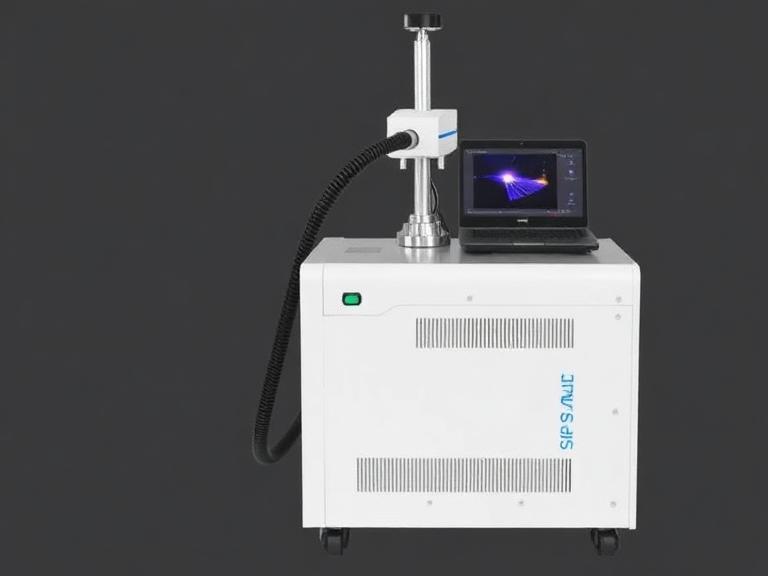
| Präzision gepulst (MOPA) | 100W - 500W | $8.000 - $25.000+ | Reinigung von Spritzgussformen, Komponenten für die Luft- und Raumfahrt, zerstörungsfreie Restaurierung. |
| Vollautomatische/robotergestützte Zellen | Benutzerdefinierte Konfiguration | $70.000 - $200.000+ | Hochvolumige Automobilteile, lokale Schweißnahtreinigung, Massenproduktion. |
2. Schlüsselfaktoren, die den Preis der Laser-Metall-Reinigungsmaschine beeinflussen
Bei der Analyse der Gerätekosten ist es wichtig, die interne Technik zu verstehen, die den Marktwert bestimmt. Verschiedene Hardware-Komponenten und Software-Integrationen haben einen großen Einfluss auf den Endpreis der Laser-Metallreinigungsmaschine.
Der Laserquellengenerator
Die teuerste Komponente eines jeden Systems ist der Laserquellengenerator. Erstklassige Marken und hochwertige einheimische Quellen (wie Raycus, MAX oder IPG) bieten eine überragende Strahlstabilität und eine lange Lebensdauer (oft über 100.000 Stunden). Systeme, die mit diesen zuverlässigen, hochwertigen Generatoren ausgestattet sind, haben ihren Preis, aber sie verringern das Risiko eines katastrophalen Ausfalls während kritischer Produktionsläufe drastisch.
Kühlung der Infrastruktur
Der Betrieb von Lasern mit hoher Leistung erzeugt erhebliche thermische Belastungen. Während bei gepulsten Lasern mit geringer Leistung (unter 100 W) manchmal eine Luftkühlung ausreicht, sind für industrielle Dauerstrichsysteme robuste Zweikreis-Wasserkühlgeräte erforderlich. Wir empfehlen, in Systeme mit integrierten, leistungsstarken Kühlern zu investieren. Dies erhöht zwar die Anschaffungskosten, verhindert jedoch eine Verformung der Laseroptik und gewährleistet einen kontinuierlichen 24/7-Betrieb ohne thermische Drosselung.
3. Kontinuierliche Wellen (CW) vs. gepulste Lasertechnologien
Die grundlegenden physikalischen Eigenschaften der Art und Weise, wie der Laserstrahl auf das Substrat übertragen wird, spielen eine große Rolle bei der Bestimmung der Kosten des Systems.
Kontinuierliche Wellenlaser (CW-Laser): Diese Systeme emittieren einen konstanten, ununterbrochenen Strom von Laserenergie. Sie sind außerordentlich leistungsfähig und hocheffizient bei der Entfernung von Schüttgut, z. B. beim Abtragen von starkem Schiffsrost von dicken Stahlplatten. Da die Technologie beim Laserschweißen und -schneiden weit verbreitet ist, sind CW-Systeme aufgrund der Größenvorteile sehr erschwinglich. Allerdings erzeugen sie erhebliche Hitze, die dünne Metalle verformen oder metallurgische Eigenschaften verändern kann.
Gepulste Laser (Gauß- oder Top-Hat-Profile): Gepulste Systeme setzen Energie in Mikrosekunden- oder Nanosekunden-Stößen frei. Dadurch wird eine photothermische und photomechanische Schockwelle erzeugt, die Verunreinigungen wegsprengt, ohne dass nennenswerte Wärme auf das Grundmetall übertragen wird. Dieses “kalte” Reinigungsverfahren ist für Teile der Luft- und Raumfahrt, historische Artefakte und Präzisionsformen unerlässlich. Die komplexe Elektronik, die erforderlich ist, um den Strahl zuverlässig zu pulsieren, rechtfertigt einen wesentlich höheren Preis im Vergleich zu CW-Systemen.
4. Branchenführende Lösungen von Super Fast Laser
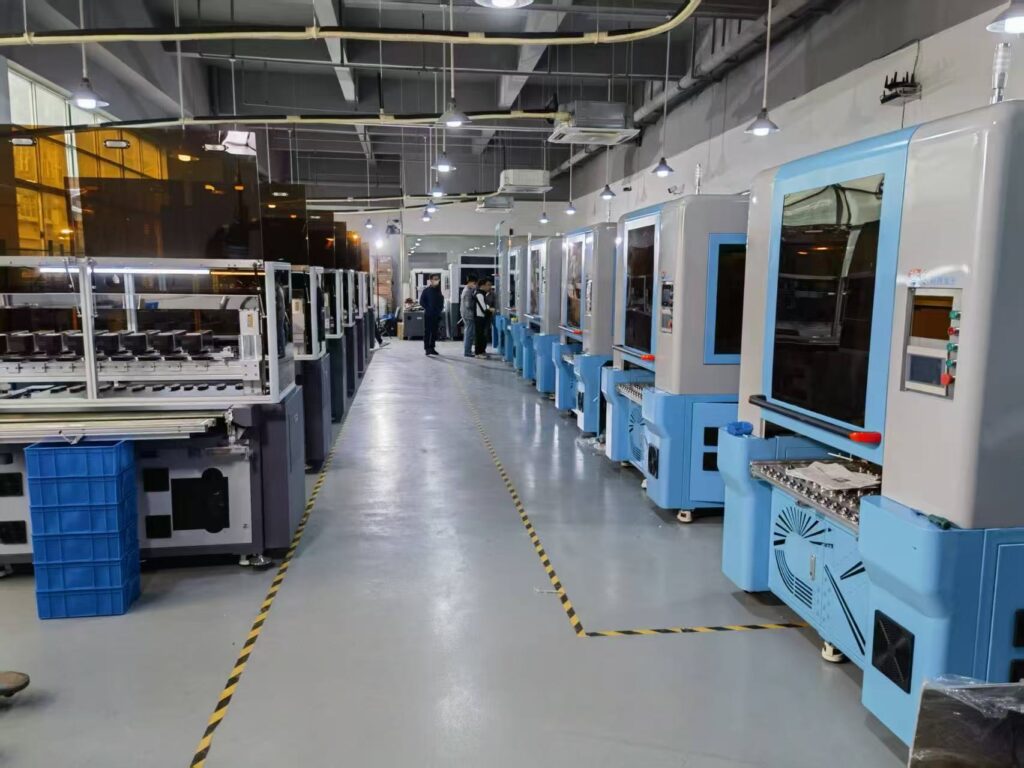
Als bahnbrechender Hersteller hat Super Fast Laser ein vielfältiges Portfolio an Anlagen entwickelt, die den strengen Anforderungen der modernen Fertigung gerecht werden. Wir stellen sicher, dass der Preis der Laser-Metall-Reinigungsmaschinen für unsere Systeme perfekt auf den industriellen Wert, die Langlebigkeit und den Durchsatz abgestimmt ist, den sie liefern.
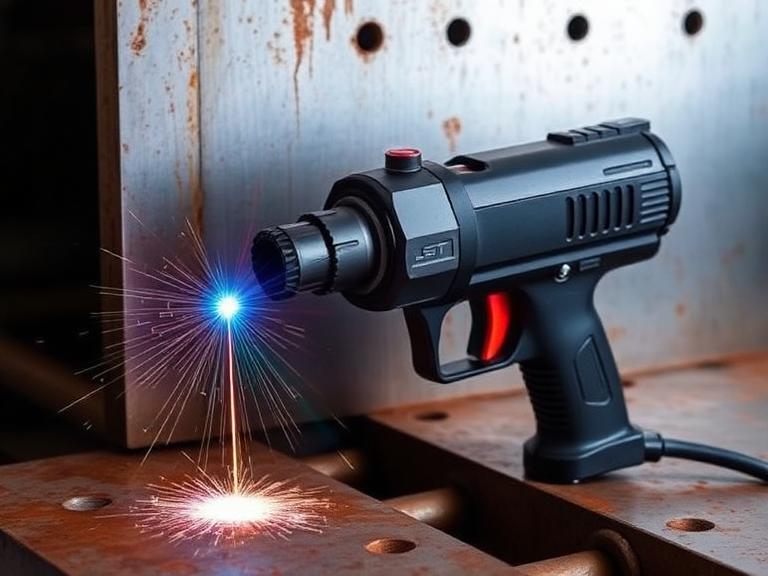
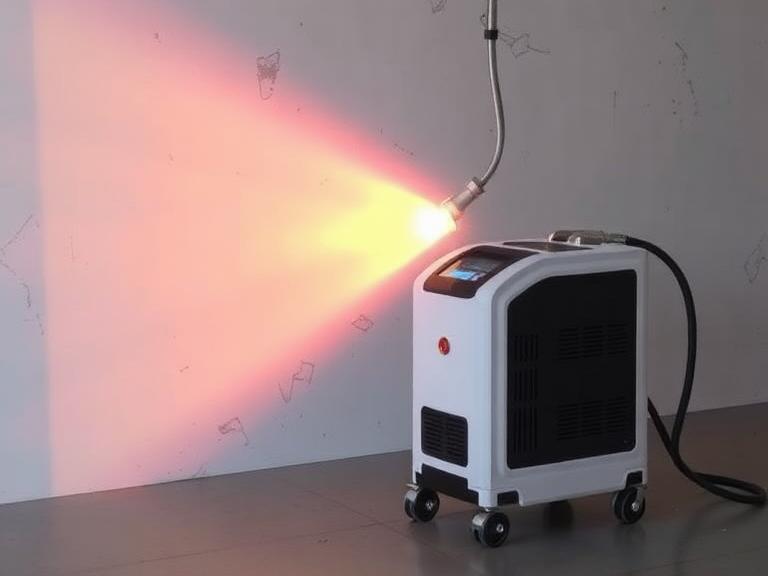
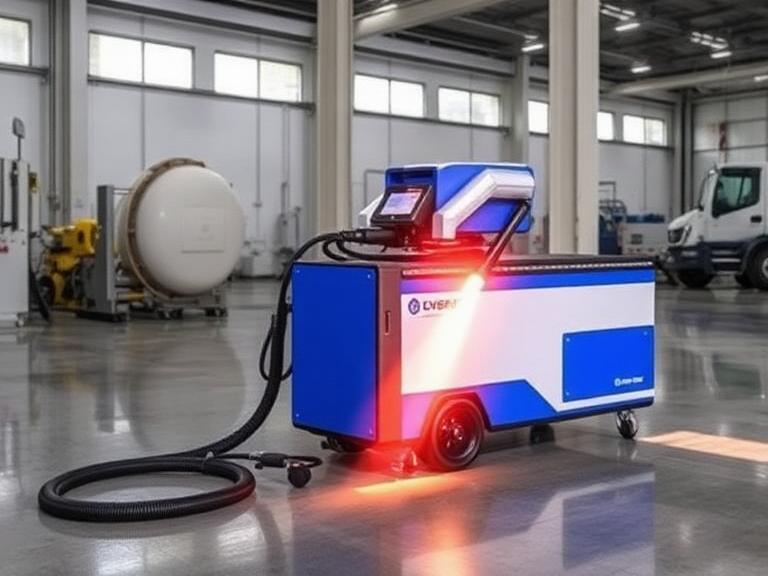
- Handgeführte Laser-Reinigungsmaschine: Entwickelt für maximale Tragbarkeit und ergonomische Benutzerfreundlichkeit. Diese Maschine ist ideal für Werkstätten, Werften und Stahlbauunternehmen. Sie verfügt über einen leichten Reinigungskopf mit einstellbarer Brennweite, mit dem der Bediener problemlos Rost, Öl und Oxide von komplexen Geometrien entfernen kann.
- 6-achsige automatische Laser-Reinigungsmaschine für Formen: Spritzgießbetriebe leiden unter immensen Ausfallzeiten, wenn sie chemische Bäder oder Trockeneis zur Reinigung komplizierter Formen verwenden. Dieses 6-achsige Robotersystem nutzt die präzise gepulste Lasertechnologie, um komplexe Formhohlräume autonom zu navigieren. Es reinigt bis auf das blanke Metall, ohne Mikroabrieb zu verursachen, und verlängert so die Lebensdauer der teuren Werkzeuge.
- Automatikgetriebe Bremsbeläge Laser-Reinigungsgeräte: Speziell für die Lieferkette der Automobilindustrie entwickelt. Bremsbelagträgerplatten erfordern eine makellose Oberflächenvorbereitung, bevor das Reibmaterial aufgeklebt wird. Diese spezialisierte Maschine mit hohem Durchsatz automatisiert die Entfernung von Ölen und Zunder, um eine perfekte metallurgische Verbindung zu gewährleisten und das Risiko eines Bremsversagens zu eliminieren.
- Automatische maßgeschneiderte Lösung: Unserer Erfahrung nach können Geräte von der Stange nicht immer die Anforderungen hochspezialisierter Produktionslinien erfüllen. Unser engagiertes F&E-Team arbeitet direkt mit den Kunden zusammen, um vollautomatische Reinigungszellen zu entwerfen, zu bauen und einzusetzen. Diese Integrationen umfassen geschlossene Sicherheitskabinen, eigene SPS-Programmierung und integrierte Rauchgasabsaugsysteme, die auf Ihren spezifischen Arbeitsablauf zugeschnitten sind.
5. Warum die Laser-Metall-Reinigungsmaschine Preis ist eine Investition
Betriebsleiter, die an die niedrigen Anschaffungskosten von Sandstrahlanlagen gewöhnt sind, zögern oft, wenn sie die Anschaffungskosten von Laser-Metallreinigungsanlagen mit denen herkömmlicher Methoden vergleichen. Eine echte TCO-Analyse (Total Cost of Ownership) zeigt jedoch, dass die Lasertechnologie in finanzieller Hinsicht weit überlegen ist.
Bedenken Sie die versteckten Kosten des Strahlens: Einrichtungen müssen ständig Strahlmittel (Sand, Glasperlen oder Walnussschalen) kaufen. Das Strahlen erfordert schwere persönliche Schutzausrüstung (PSA), erzeugt große Mengen an sekundärem Sondermüll, der teuer entsorgt werden muss, und erfordert stundenlange manuelle Reinigungsarbeiten. Im Gegensatz dazu ist die Laserreinigung ein berührungsloser Prozess. Die einzigen wirklichen laufenden Kosten sind ein geringer Stromverbrauch und kostengünstige Schutzabdeckungen für die Linsen.
Wenn Sie die Kosten für Schleifmittel, chemische Lösungsmittel und Gefahrstoffentsorgung einsparen und die Arbeitszeit drastisch reduzieren (da die Laserreinigung bei starkem Rost oft bis zu fünfmal schneller ist), amortisieren die meisten unserer Industriekunden ihre Erstinvestition innerhalb von 8 bis 12 Monaten. Nach der Amortisationszeit bringt die Maschine reine Betriebseinsparungen.
6. Expertenempfehlungen für die Auswahl Ihrer Ausrüstung
Um sicherzustellen, dass Sie Ihre Einrichtung weder zu teuer noch zu schlecht ausstatten, empfehlen wir Ihnen, die folgenden Schritte bei der Beschaffung genau zu beachten:
- Analysieren Sie das Substrat: Wenn Sie dicke Stahlrohre reinigen, bei denen eine Wärmeverformung unmöglich ist, ist eine preisgünstige 1500W oder 2000W CW Handlaser-Reinigungsmaschine ideal. Wenn Sie dünnes Aluminium, empfindliche Spritzgussformen oder historische Restaurationen reinigen, müssen Sie in ein gepulstes Lasersystem investieren.
- Faktor bei der Rauchgasabsaugung: Durch Laserablation werden Rost, Farbe und Öl zu mikroskopisch kleinen Partikeln verdampft. Sie müssen Ihren Laserreiniger mit einem Rauchabsauger für den industriellen Einsatz kombinieren. Planen Sie zusätzlich $2.000 bis $4.000 für HEPA-Filtersysteme ein, um die Sicherheit Ihrer Mitarbeiter zu gewährleisten.
- Priorisieren Sie die Herstellerunterstützung: Der Kauf von Graumarktgeräten von ungeprüften Verkäufern, um Geld zu sparen, führt oft zu einer Katastrophe. Wenn kritische Komponenten ausfallen, führt der Mangel an technischer Unterstützung zu wochenlangen Ausfallzeiten. Eine Partnerschaft mit einem etablierten Hersteller wie Super Fast Laser garantiert schnellen technischen Support, die Verfügbarkeit von Ersatzteilen und eine umfassende Betriebsschulung.
7. Häufig gestellte Fragen (FAQs)
Warum variiert der Preis der Laser-Metallreinigungsmaschine so stark?
Die Preisdiskrepanz wird in erster Linie durch die Art der Laserquelle (kontinuierliche Welle vs. gepulst), die Ausgangsleistung (von 100W bis zu 3000W+), die Qualität der internen optischen Komponenten, die integrierten Kühlsysteme und den Automatisierungsgrad (handgeführt vs. Roboterintegration) bestimmt.
Gibt es bei der Laserreinigung versteckte Verbrauchskosten?
Anders als beim Sandstrahlen müssen keine Strahlmittel ersetzt werden. Die einzigen Verbrauchsmaterialien sind Strom, der gelegentliche Austausch der Schutzlinse (die nur ein paar Euro kostet und verhindert, dass Staub die interne Optik beschädigt) und die Filter für Ihre externe Absauganlage.
Kann ein CW-Laser (Continuous Wave) mein Grundmetall beschädigen?
Ja, bei unsachgemäßer Anwendung. CW-Laser übertragen erhebliche Wärme auf das Substrat. Während er sich hervorragend für dicken, haltbaren Stahl eignet, kann das Halten eines Hochleistungs-CW-Lasers an einer Stelle auf dünnem Blech oder Aluminium zu Verformungen oder Schmelzen führen. Für empfindliche Oberflächen empfehlen wir dringend die Verwendung eines gepulsten Lasersystems.
Ist die Laserreinigung für den Bediener sicher?
Ja, sofern strenge Sicherheitsprotokolle eingehalten werden. Die Bediener müssen zertifizierte Laserschutzbrillen tragen, die speziell für die Wellenlänge des Geräts (in der Regel 1064 nm) ausgelegt sind. Da bei dem Verfahren Verunreinigungen verdampft werden, ist außerdem eine ordnungsgemäße lokale Absaugung erforderlich, um das Einatmen gefährlicher metallischer oder chemischer Dämpfe zu verhindern.
8. Referenzen der Industrie
Um sicherzustellen, dass Ihre Einrichtung bei der Einführung der Laserablationstechnologie alle Arbeitsschutz- und Industrienormen einhält, empfehlen wir Ihnen, die folgenden maßgeblichen Organisationen zu konsultieren: