6 Material Surfaces Suitable for Laser Cleaning

6 Material Surfaces Suitable for Laser Cleaning

6 Material Surfaces Suitable for Laser Cleaning

In the evolving landscape of industrial manufacturing and maintenance, traditional surface preparation methods such as sandblasting, chemical etching, and mechanical grinding are rapidly being replaced by photonic technologies. Laser ablation provides a non-contact, environmentally friendly, and highly precise alternative. However, facility managers and procurement engineers frequently approach our R&D team with a fundamental question: exactly what surfaces can be laser cleaned safely and effectively without altering the base material?
6 Material Surfaces Suitable for Laser Cleaning
Authored by 超快激光 Technology Co.,Ltd., headquartered in Shenzhen. As the first domestic manufacturer focusing on the R&D, production, and sales of laser cleaning machines, we hold a leading position in the laser cleaning field, providing advanced, non-destructive surface preparation solutions for global industries.

Understanding what surfaces can be laser cleaned requires a deep dive into the physics of laser ablation, thermal thresholds, and material reflectivity. Super Fast Laser Technology Co.,Ltd. has dedicated years of research to perfecting algorithms and hardware that allow our systems to adapt to a vast array of substrates. From our experience in outfitting heavy industrial plants and delicate heritage restoration projects, the versatility of laser technology is unmatched, provided the correct parameters are utilized. In this authoritative engineering guide, we will analyze the precise mechanisms of photonic cleaning, detail the exact surfaces can be laser cleaned, and outline our specialized equipment designed for these tasks.

1. The Science of Ablation: How Laser Cleaning Works

To accurately determine what surfaces can be laser cleaned, one must understand the principle of laser ablation. When a high-intensity laser beam is directed at a contaminated surface, the contaminant layer (such as rust, paint, oil, or oxides) absorbs the concentrated photonic energy. This rapid absorption causes the contaminant to heat up and expand almost instantaneously, resulting in sublimation—where the solid contaminant turns directly into a gas, or ejects as microscopic particulate matter.

The core advantage of this technology relies on the ablation threshold. Every material has a specific threshold of energy required to remove it. When evaluating what surfaces can be laser cleaned, engineers calculate the difference between the ablation threshold of the contaminant and the damage threshold of the underlying substrate. We recommend utilizing pulsed fiber lasers because they deliver extremely high peak power in nanosecond bursts. This ensures the contaminant is vaporized before any significant thermal energy transfers into the base material, preventing warping or metallurgical changes.

2. Industrial Metals: The Primary Surfaces Can Be Laser Cleaned

When clients ask what surfaces can be laser cleaned, metallic substrates are the most common and successfully treated category. The high reflectivity and thermal conductivity of most metals make them ideal candidates for this technology.

Steel and Iron

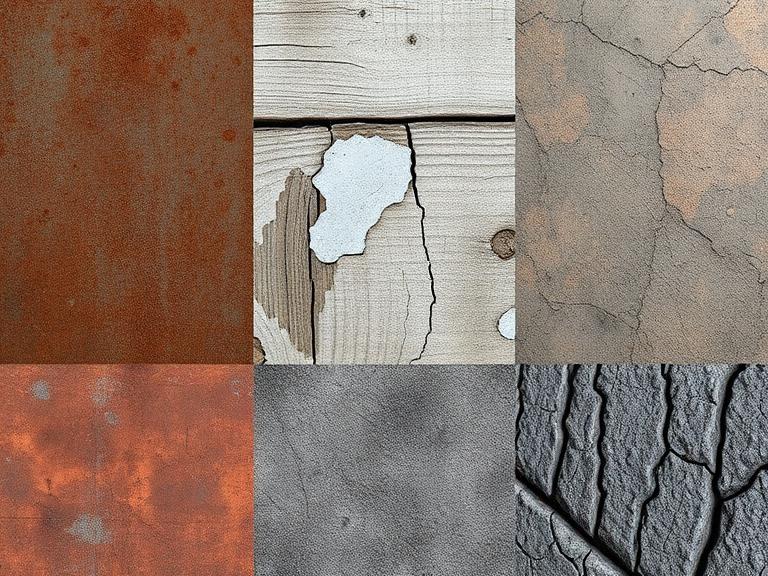
Carbon steel and cast iron are universally recognized as surfaces can be laser cleaned with extraordinary efficiency. Laser systems eradicate heavy iron oxide (rust) layers, mill scale, and old protective coatings. Unlike sandblasting, which profiles and removes microscopic layers of the healthy steel, laser cleaning leaves the substrate entirely intact. This is critical for aerospace and maritime industries where structural thickness tolerances are strictly monitored.

Aluminum and Titanium

Non-ferrous metals like aluminum and titanium are highly sensitive to heat and mechanical abrasion. Aluminum oxide layers can cause severe porosity defects during welding. We recommend laser cleaning as the mandatory pre-weld preparation for these metals. By adjusting the pulse frequency, these delicate metal surfaces can be laser cleaned safely, removing oxides without causing micro-cracking or melting the underlying alloy.

Copper and Brass

Highly reflective metals present unique challenges. Because copper reflects infrared light, special precautions and wavelength adjustments must be considered. However, with advanced optics, even highly reflective surfaces can be laser cleaned to remove patina, oils, and oxidation without damaging the conductive properties of the metal.

3. Delicate Restoration: Stone, Wood, and Historic Artifacts

The application of laser technology is not restricted to heavy industry. Historic conservators frequently ask what surfaces can be laser cleaned within the realm of heritage restoration.

Stone facades, marble statues, and granite monuments accumulate decades of carbon pollution, biological growth, and graffiti. These historical surfaces can be laser cleaned using precise, low-fluence settings. The laser energy vaporizes the dark carbon crusts without altering the mineral composition of the stone. Similarly, hardwood surfaces can be laser cleaned to remove soot from fire damage or multiple layers of lead-based paint. From our experience, the key to treating organic or fragile surfaces lies in rapid beam oscillation and precise focal length control to ensure zero charring occurs.

4. Tooling and Composites: Injection Molds and Rubber

In high-volume manufacturing, the cleanliness of tooling dictates the quality of the final product. Industrial molds represent highly complex surfaces can be laser cleaned to optimize production lines.

Plastic injection molds, tire vulcanization molds, and food-grade baking trays accumulate release agents, polymerized residues, and carbon buildup over time. Traditionally, cleaning these molds required cooling them down, disassembling them, and using dry ice or chemical baths. With modern technology, these complex geometric surfaces can be laser cleaned in situ, while the mold is still hot. This drastically reduces machine downtime. Because the laser does not cause abrasive wear, the precise dimensional tolerances and textured finishes of the molds are perfectly preserved.

5. Automotive Applications: Transmission and Brake Components

The automotive manufacturing sector demands absolute precision and zero-defect rates. Contaminated friction materials or transmission components lead to catastrophic mechanical failures. Automotive engineers frequently consult us on what surfaces can be laser cleaned within their assembly lines.

Friction materials, specifically transmission components and brake backing plates, require perfectly clean surfaces before bonding or coating processes. These critical safety surfaces can be laser cleaned to remove stamping oils, oxidation, and adhesive residues. Super Fast Laser has pioneered specific hardware for this sector, ensuring that high-volume production lines maintain continuous throughput without chemical solvent bottlenecks.

6. Super Fast Laser Proprietary Cleaning Solutions

6. Super Fast Laser Proprietary Cleaning Solutions

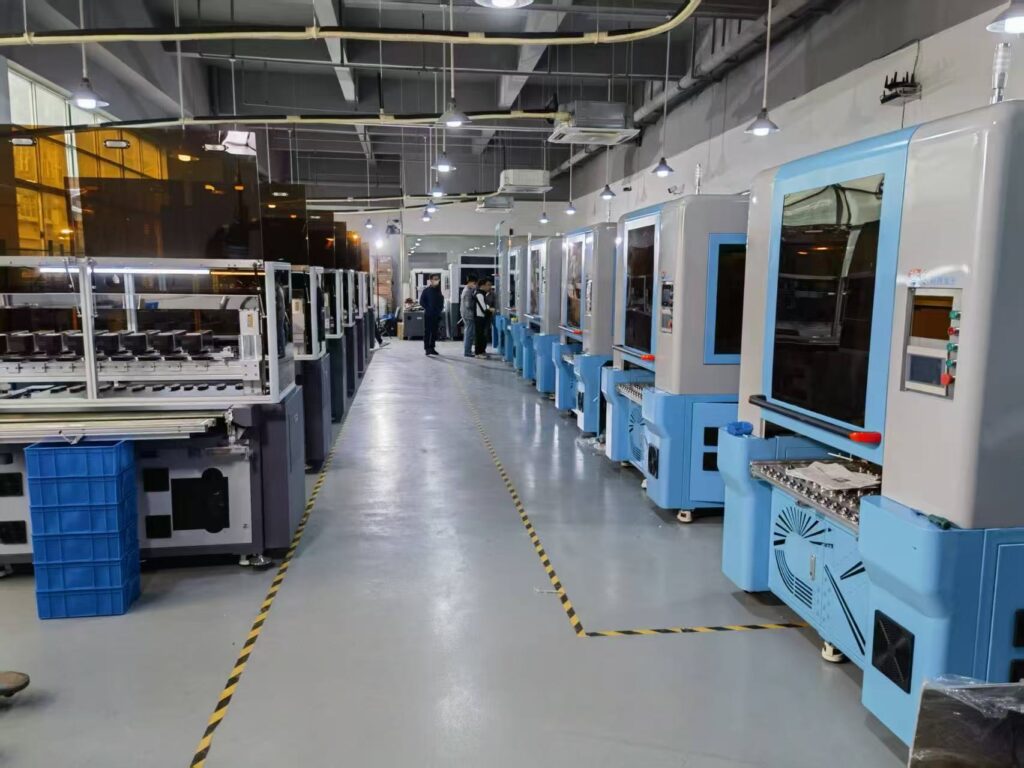
To address the vast spectrum of what surfaces can be laser cleaned, Super Fast Laser Technology Co.,Ltd. has developed a comprehensive suite of hardware solutions. Our dedicated R&D team and production factory in Shenzhen guarantee that we remain at the forefront of domestic and international laser manufacturing.

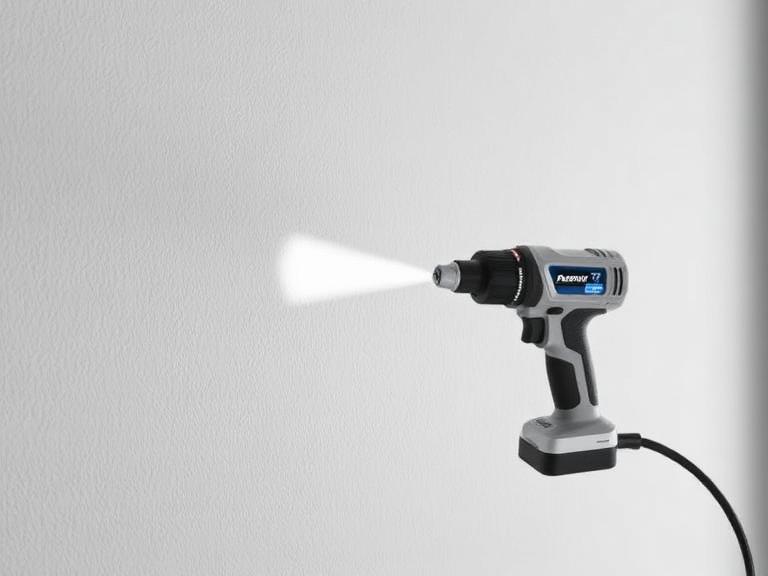
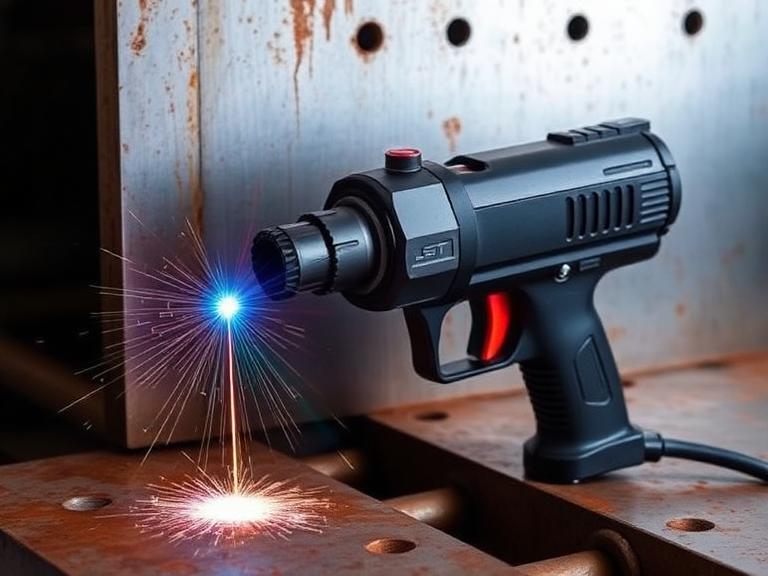
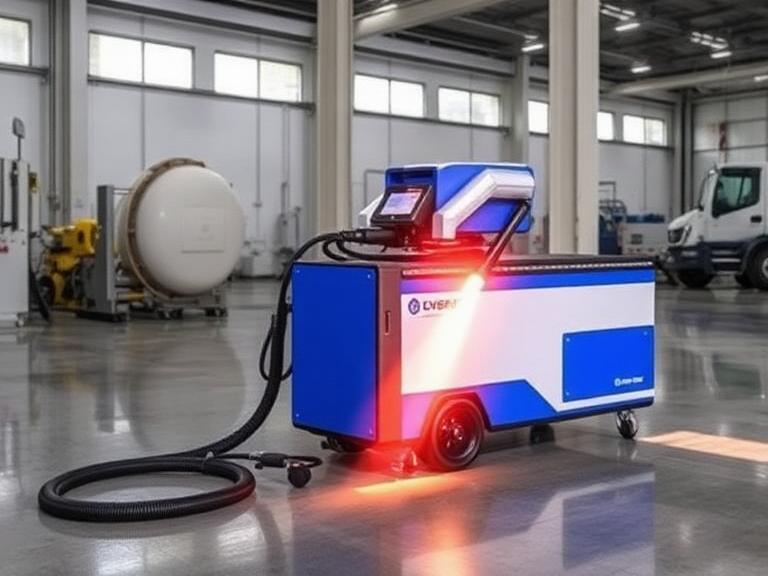
For versatile, on-the-go maintenance, we offer the 手持式激光清洗机. This ergonomic unit allows operators to manually target complex geometries, making it ideal for shipyard rust removal, localized weld preparation, and large-scale infrastructure maintenance. When determining what surfaces can be laser cleaned manually, this machine offers unparalleled flexibility.

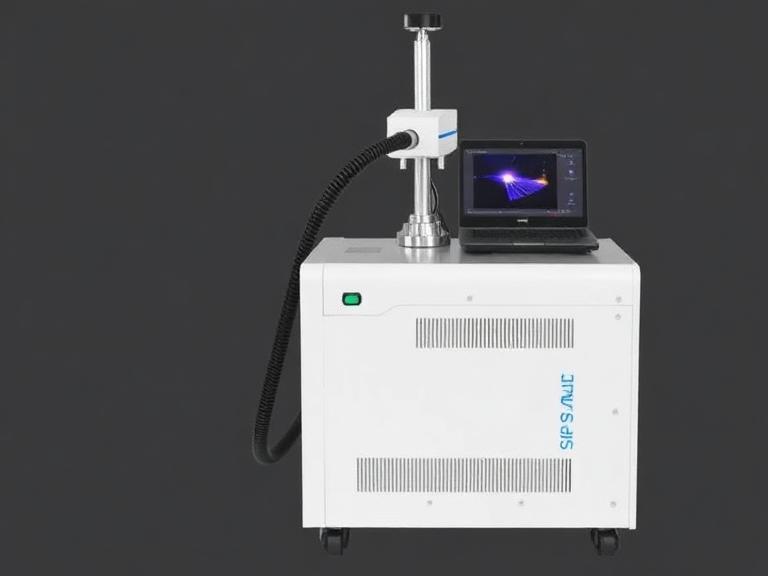
For high-precision, repetitive industrial tasks, our 6 轴自动模具激光清洗机 integrates robotic articulation with high-power ablation. This ensures that intricate, multi-dimensional mold surfaces can be laser cleaned with mathematical uniformity, eliminating the variability of human operation.

In the automotive sector, we developed the 自动变速器刹车片 激光清洁设备. This specialized cell is designed to integrate directly into automotive assembly lines, processing thousands of friction components per hour with zero chemical waste.

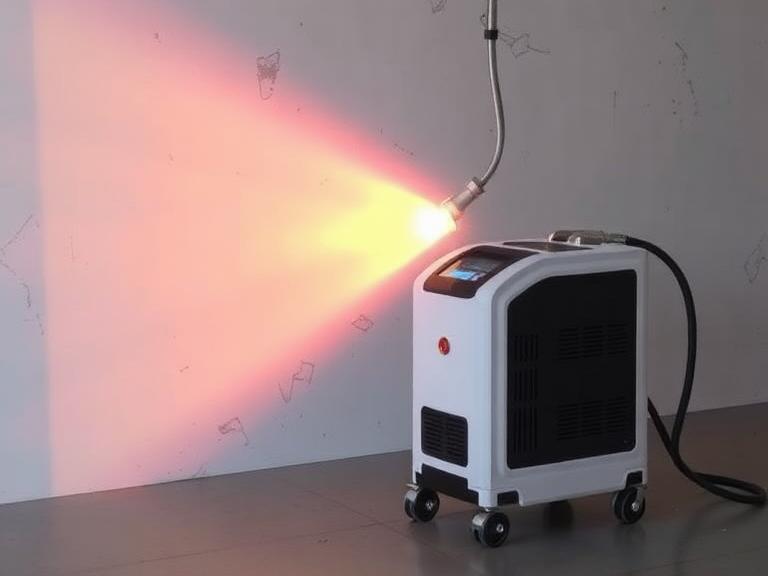
Finally, we understand that unique manufacturing environments present novel challenges. If you are unsure if your specific proprietary surfaces can be laser cleaned, our engineering team provides an 自动定制解决方案. We will test your substrates in our laboratory, determine the optimal wavelength, power density, and pulse duration, and build a bespoke automated gantry or robotic cell tailored exactly to your production workflow.

7. Summary Table: Surface Compatibility Matrix

Base MaterialTarget ContaminantCan it be Laser Cleaned?超快激光推荐
Carbon Steel / IronHeavy Rust, Mill Scale, PaintYes (Excellent)Handheld Laser Cleaning Machine (High Power)
Aluminum AlloysOxides, Pre-weld OilsYes (Excellent)Automatic Customized Solution (Pulsed Fiber)
Injection Molds (Steel/Al)Polymer Residue, Release AgentsYes (Excellent)6 轴自动模具激光清洗机
Automotive Friction PartsStamping Oils, Bonding AdhesivesYes (Excellent)自动变速器刹车片 激光清洁设备
Historic Stone / MarbleCarbon Crusts, Bio-growthYes (Requires Precision)Handheld Laser Cleaning Machine (Low Fluence Settings)
Highly Reflective CopperPatina, OxidationYes (With Caution)Consult R&D for specific wavelength configurations

8.常见问题(FAQ)

Are there any surfaces that CANNOT be laser cleaned?

While a massive variety of surfaces can be laser cleaned, highly transparent materials (like pure glass or clear acrylics) can be challenging because the laser beam passes through them without interacting with the surface contaminants, unless specific wavelengths (like UV or CO2) are utilized. Additionally, some highly sensitive plastics may melt if their ablation threshold is lower than the contaminant’s.

Does laser cleaning damage the underlying metal?

No. When properly calibrated, laser cleaning is entirely non-destructive. Because the laser utilizes short, high-energy pulses, the contaminant is vaporized before the thermal energy can conduct into the base metal. From our experience, the base metal remains cold to the touch immediately after processing.

Is laser cleaning safe for the operators?

Yes, provided standard laser safety protocols are followed. Operators must wear appropriate laser safety goggles calibrated to the specific wavelength of the machine. Furthermore, because the process vaporizes contaminants, we recommend utilizing an integrated fume extraction system to capture any airborne particulate matter.

9.行业参考

To further understand the physics and industrial compliance of laser ablation technologies, we recommend consulting the following authoritative sources:

最新文章

The 7 Best 200w laser cleaning machines of 2026

The 7 Best 200w laser cleaning machines of 2026

10 Expert Tips to Buy Laser Cleaning Machine Equipment in 2026

10 Expert Tips to Buy Laser Cleaning Machine Equipment in 2026

Evaluating the 100w Laser Cleaning Machine Price in 2026

Evaluating the 100w Laser Cleaning Machine Price in 2026

How Much is a Laser Cleaning Gun in 2026

How Much is a Laser Cleaning Gun in 2026? An Expert Industry Guide

6 Material Surfaces Suitable for Laser Cleaning

6 Material Surfaces Suitable for Laser Cleaning

The 2026 Expert Guide to the Handheld Laser Cleaning Machine Price and ROI

2026 年手持式激光清洗机价格和投资回报率专家指南

需要帮助?立即发送 WhatsApp 消息

点击下面的代表之一

ZIva
ZIva

技术支持

我在线

我不在线

Patricia J. Hunt
帕特里夏-J-亨特

营销支持

我在线

我不在线