- Ziva@CKlasersz.com
- WeChat:86-13138536413
- 400-168-9906
- 0755 27084852






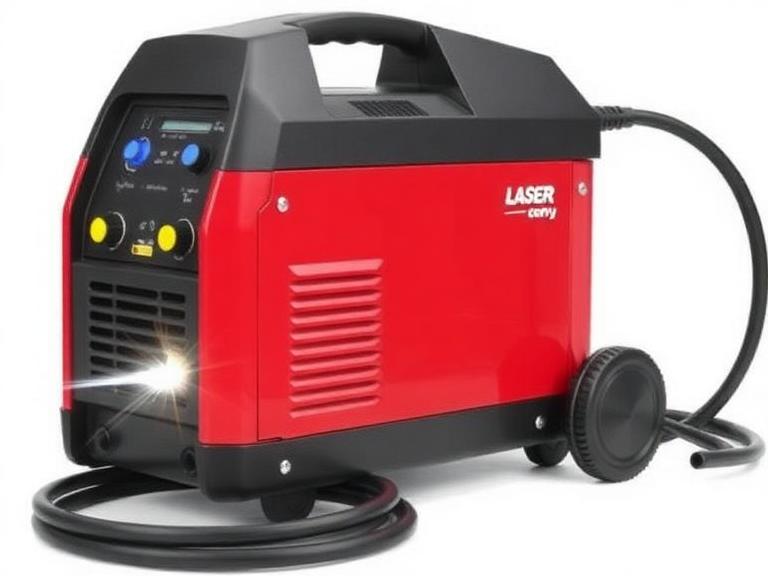
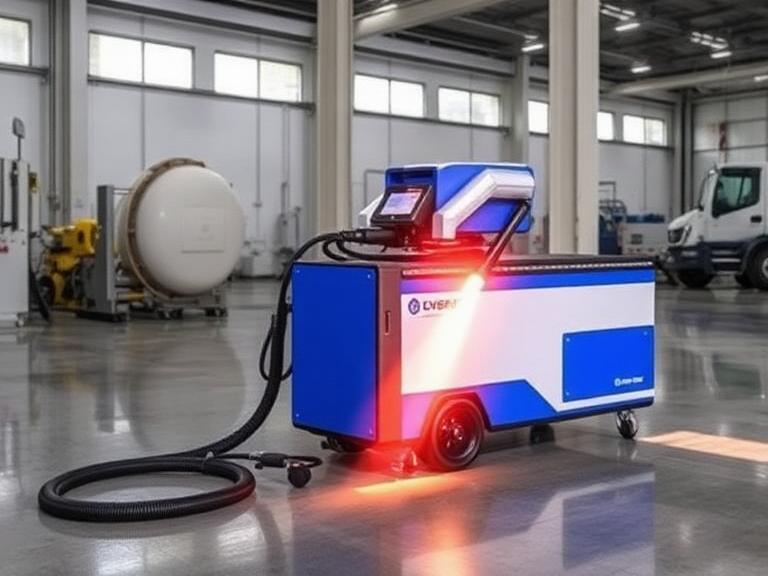
As industrial manufacturing evolves, the demand for non-destructive, eco-friendly cleaning solutions has skyrocketed. Entering 2026, the best laser rust removal equipment has transitioned from a futuristic luxury to an essential operational asset. Whether you are maintaining automotive brake pads, cleaning tire molds online, or restoring historical artifacts, laser technology offers precision that sandblasting and chemical baths simply cannot match.
This comprehensive guide reviews the top 6 laser cleaning machines for 2026, featuring cutting-edge solutions like the Super Fast Laser Automatic Brake Pad Cleaning Machine and high-performance tire mold equipment. We will also explore the technical specifications, ROI analysis, and safety standards necessary for making an informed investment.
Table of Contents
- 1. Market Overview: Laser Cleaning Technology in 2026
- 2. Top 6 Best Laser Rust Removal Equipment Reviews
- 2.1 Super Fast Laser Automatic Brake Pad Cleaning Machine
- 2.2 Super Fast Laser Tire Mold Online Cleaning Equipment
- 2.3 High-Power 3000W CW Industrial Rust Remover
- 2.4 Portable Backpack Pulse Laser Cleaner (100W)
- 2.5 Automated Robotic Arm Laser Cleaning Cell
- 2.6 Precision Handheld Air-Cooled Laser (1500W)
- 3. Buying Guide: How to Choose the Best Equipment
- 4. Technical Deep Dive: 1064nm Wavelength & Ablation
- 5. Laser vs. Sandblasting: A Cost & Safety Analysis
- 6. Safety Standards for Class 4 Laser Equipment
- 7. Summary Comparison Table
- 8. Frequently Asked Questions (FAQs)
- 9. Conclusion
1. Market Overview: Laser Cleaning Technology in 2026
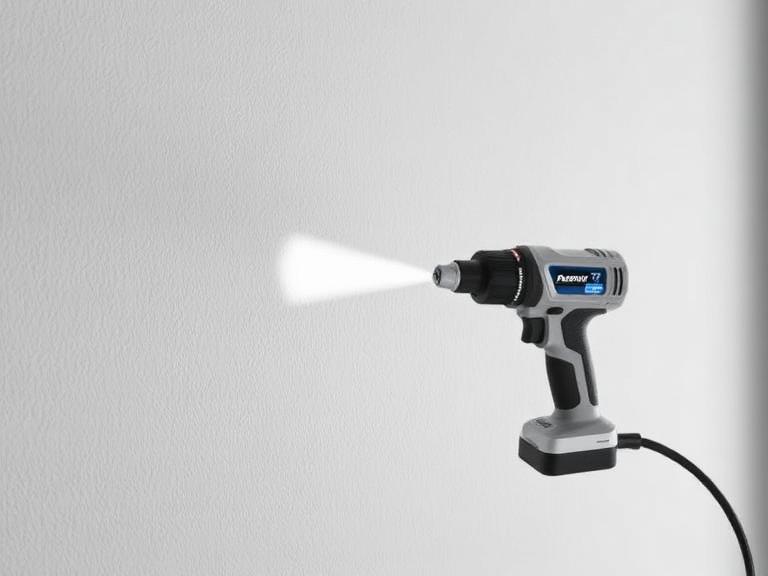
The market for the best laser rust removal equipment is projected to grow significantly in 2026. Industries are shifting away from abrasive consumables and chemical solvents due to stricter environmental regulations and the need for higher precision. Modern fiber laser cleaning machines utilize high-energy laser beams to irradiate surface contaminants. The energy is absorbed by the rust or coating, causing it to vaporize instantly (sublimation) or peel off, leaving the substrate completely undamaged.
Key trends for 2026 include the integration of automation, such as the Super Fast Laser series, which combines high wattage with automated conveyance for brake pads and tire molds, ensuring consistency that manual labor cannot achieve.
2. Top 6 Best Laser Rust Removal Equipment Reviews
Below is our curated list of the top performing laser cleaning systems for 2026, ranging from specialized automated industrial units to versatile handheld devices.
1. Super Fast Laser Automatic Brake Pad Cleaning Machine
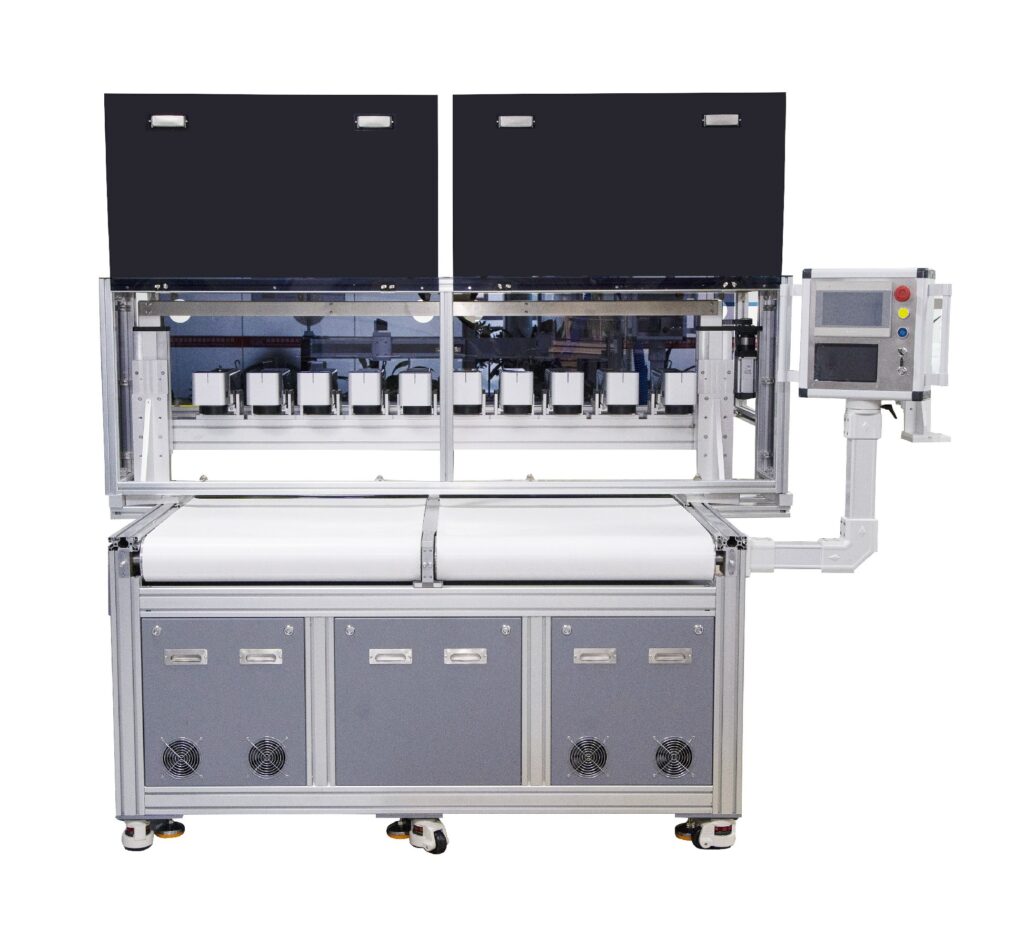
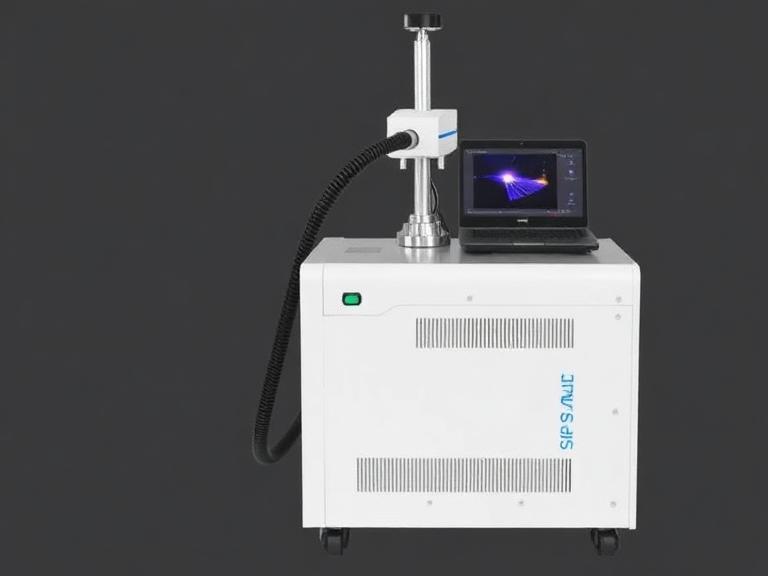
The Super Fast Laser Automatic Brake Pad Cleaning Machine stands at the pinnacle of specialized industrial cleaning. Designed specifically for the automotive sector, this machine addresses the critical need for preparing brake pads without compromising their structural integrity. It utilizes a high-power 1200W laser source to strip rust, oxidation, and manufacturing residues in seconds.
Unlike universal handheld units, this machine is an automated powerhouse. Its 1064nm wavelength is tuned to interact perfectly with ferrous metals, ensuring that while the rust is vaporized, the brake pad substrate remains cool and unaltered. The inclusion of a 5-meter fiber optic cable allows for flexibility within production lines.
Technical Specs:
- Laser Power: 1200W
- Supply Voltage: 220V / AC
- Peak Power: 35KW
- Laser Wavelength: 1064nm
- Cooling Method: Air cooling (Low maintenance)
- Machine Size: L2029 * W880 * H1548 mm
- Machine Weight: 500 kgs
- Operating Temperature: 0-40℃
- Warm-up Time: 10-30 minutes
Best For: Automotive manufacturing plants and high-volume brake refurbishment centers requiring automation and consistency.
2. Super Fast Laser Tire Mold Online Cleaning Equipment
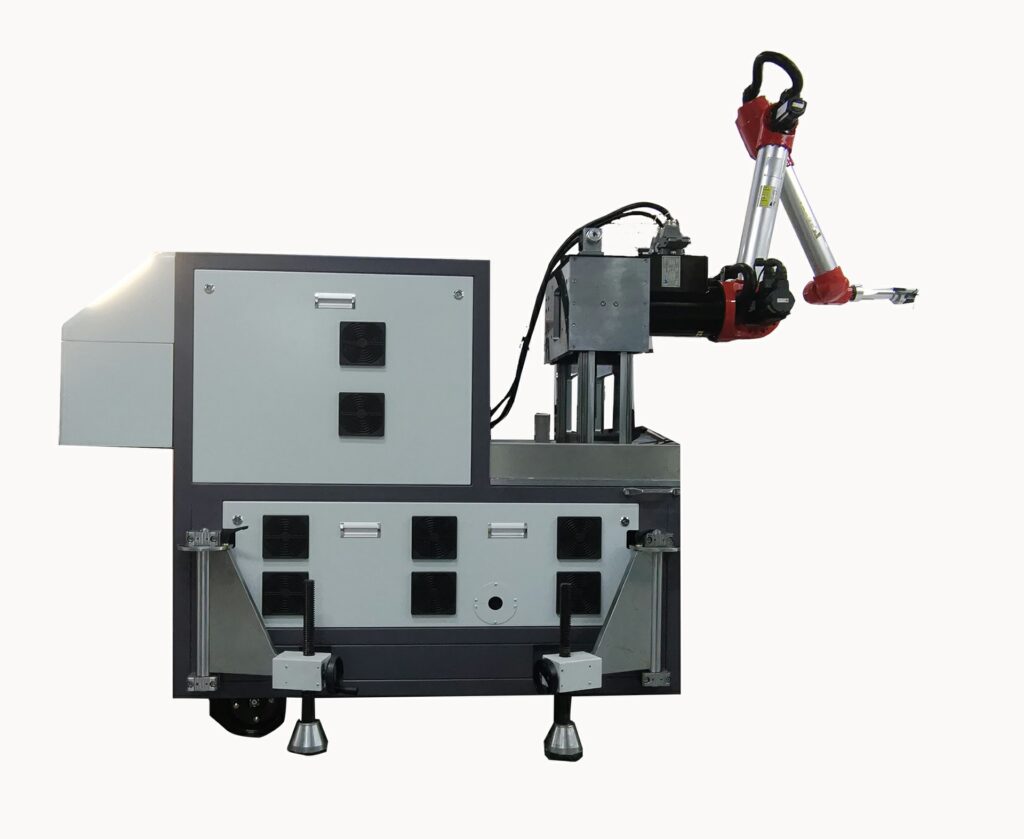
Cleaning tire molds has traditionally been a downtime-heavy process, often requiring molds to be removed from the press, cooled, and blasted with dry ice or sand. The Super Fast Laser Tire Mold Online Cleaning Equipment revolutionizes this by allowing for online cleaning—meaning the molds can be cleaned while still hot and mounted in the vulcanizing machine.
This unit is a new generation of high-tech, non-contact cleaning equipment. It ensures zero damage to the component substrate, which is vital for maintaining the intricate tread patterns of tire molds. It is energy-efficient, environmentally friendly, and noiseless. It efficiently removes oil, vulcanizer residues, high-temperature rubber residues, rust, and oxide layers.
Key Features:
- Non-Contact Cleaning: Preserves complex mold shapes and precise positioning.
- No Consumables: Eliminates the cost of dry ice or sand media.
- Online Capability: Cleans molds at operating temperatures, drastically reducing downtime.
- Pollution Free: No secondary waste produced during the cleaning process.
- Application: Removes sulfide, rubber residue, and oil stains efficiently.
Best For: Tire manufacturing facilities looking to reduce downtime and operational costs while extending mold lifespan.
3. High-Power 3000W CW Industrial Rust Remover
For heavy industry—such as shipbuilding, bridge maintenance, and large-scale pipeline refurbishment—Continuous Wave (CW) lasers are the standard. This 3000W unit is designed to remove thick rust layers and heavy marine coatings rapidly. Unlike pulsed lasers which are gentler, the CW laser provides a constant stream of high energy, making it the “sledgehammer” of laser cleaning.
It features a water-cooling chassis to maintain stability during 24/7 operations and comes with a wide scanning head that can cover up to 300mm width in a single pass.
Technical Specs:
- Laser Power: 3000W CW (Continuous Wave)
- Cleaning Efficiency: 15-45 m²/hour depending on rust thickness
- Cooling: Industrial Water Chiller
- Cable Length: 20 meters (for large work zones)
Best For: Shipyards, heavy construction, and oil & gas pipeline maintenance.
4. Portable Backpack Pulse Laser Cleaner (100W)
Mobility is often a constraint with industrial machines. The 100W Backpack Pulse Laser solves this by offering a completely portable solution. Weighing less than 15kg, this unit can be carried by an operator to reach difficult heights or remote locations. It uses a pulsed laser source, which delivers high-peak energy bursts.
This “cold” laser cleaning method is excellent for heritage restoration, graffiti removal from stone, or cleaning delicate aviation parts where heat accumulation must be avoided.
Technical Specs:
- Laser Type: MOPA Pulse Fiber Laser
- Power: 100W
- Weight: ~14kg (Backpack style)
- Cooling: Air Cooled
- Battery Option: Lithium-ion battery pack available for cord-free use.
Best For: Field work, graffiti removal, monument restoration, and difficult-to-access areas.
5. Automated Robotic Arm Laser Cleaning Cell
As Industry 4.0 advances, integrating laser cleaning with robotics is a top trend for 2026. This system pairs a high-precision laser cleaning head with a 6-axis robotic arm (such as FANUC or KUKA). It is ideal for cleaning complex 3D geometries, such as engine blocks or aerospace components, where manual cleaning cannot guarantee 100% coverage.
The system is programmable, ensuring that the laser focal point remains perfectly consistent across curved surfaces, maximizing efficiency and safety.
Technical Specs:
- Integration: 6-Axis Robot Interface
- Laser Power: Scalable from 500W to 2000W
- Automation: Full PLC control and vision system integration
- Safety: Fully enclosed Class 1 safety cell
Best For: Automated production lines requiring high repeatability and precision.
6. Precision Handheld Air-Cooled Laser (1500W)
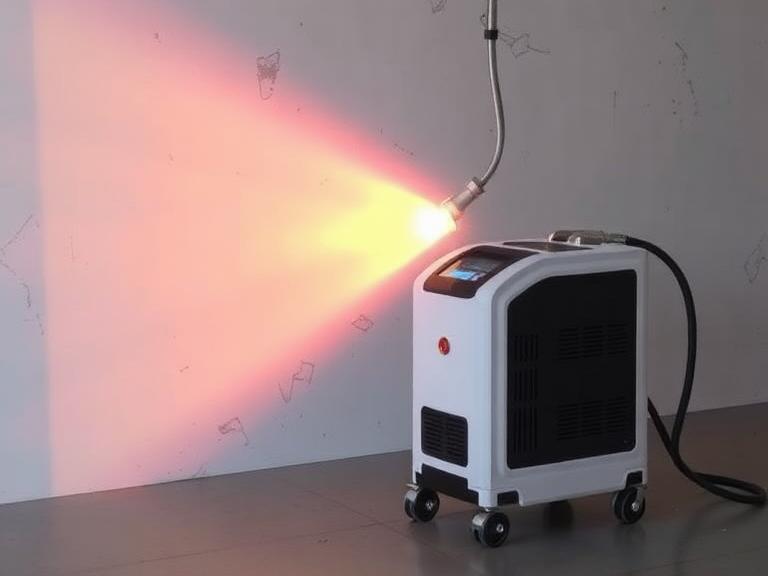
Bridging the gap between the massive 3000W units and the delicate 100W pulse units is the 1500W air-cooled handheld cleaner. New for late 2025 and 2026, air-cooling technology has improved enough to support higher wattages without bulky water chillers. This makes the machine significantly lighter and more reliable.
It is a versatile all-rounder, capable of stripping paint from cars, cleaning weld seams before inspection, and general metal fabrication cleanup.
Technical Specs:
- Laser Power: 1500W
- Cooling: Advanced Active Air Cooling
- Scan Width: Adjustable 0-150mm
- Form Factor: Compact trolley design
Best For: Auto body shops, fabrication workshops, and general industrial maintenance.
3. Buying Guide: How to Choose the Best Equipment
Selecting the best laser rust removal equipment requires analyzing your specific needs. A mismatch can result in damaged parts or inefficient cleaning.
Pulse vs. Continuous Wave (CW)
This is the most critical distinction. Pulse lasers (like the Backpack unit) emit short bursts of high energy. They are gentle on the substrate and ideal for molds, historical artifacts, and thin metals. CW lasers (like the 3000W unit) emit a continuous beam. They are faster and more aggressive, perfect for thick rust on bridges or ships, but can overheat thin metals.
Power Requirements
- 50W – 200W: Precise cleaning, small parts, molds, restoration.
- 1000W – 1500W: General rust removal, paint stripping, auto parts (e.g., Brake Pad Machine).
- 2000W – 3000W+: Heavy industrial rust, thick marine coatings, large area cleaning.
Automation Capabilities
For high-volume manufacturing, manual handheld units are inefficient. Machines like the Super Fast Laser Automatic Brake Pad Cleaning Machine offer automation integration, which reduces labor costs and ensures consistent quality control standards are met every time.
4. Technical Deep Dive: 1064nm Wavelength & Ablation
Most industrial laser cleaners operate at a wavelength of 1064nm (near-infrared). This specific wavelength is highly absorbed by oxides (rust), dirt, and carbon, but it is reflective to the base metal (steel, aluminum).
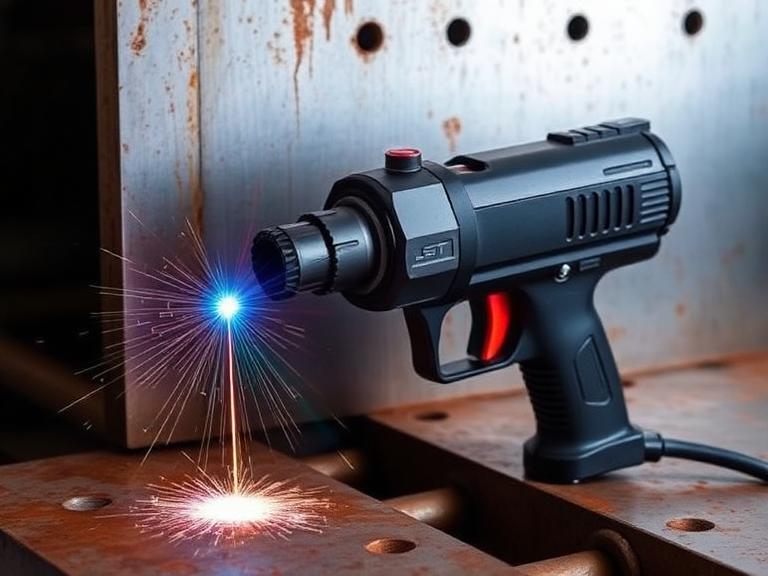
The process is called Laser Ablation. When the laser beam hits the rust layer, the energy is absorbed so quickly that the rust turns into plasma (vaporizes) instantly. Because the base metal reflects the 1064nm light, it does not absorb the heat, leaving it cold and undamaged. This “self-limiting” nature of laser cleaning makes it safer for the substrate than sandblasting.
5. Laser vs. Sandblasting: A Cost & Safety Analysis
Why are companies switching to lasers in 2026? The comparison below highlights the operational differences.
| Feature | Laser Rust Removal | Sandblasting / Chemical |
|---|---|---|
| Consumables | None (Electricity only) | High (Sand, Grit, Dry Ice, Chemicals) |
| Substrate Damage | Non-contact, No damage | Abrasive, removes base metal |
| Cleanup | Vaporized dust (vacuum extraction) | Massive cleanup (media everywhere) |
| Noise Level | Low (Air suction noise) | High (Requires hearing protection) |
| Operating Cost | Low (~$1/hour electricity) | High (Media + Disposal costs) |
6. Safety Standards for Class 4 Laser Equipment
Laser cleaning machines are typically categorized as Class 4 Lasers. This means the direct beam and scattered reflections can cause permanent eye damage and skin burns. Safety is paramount.
- Laser Safety Glasses: Operators must wear OD6+ or OD7+ rated glasses specifically for the 1064nm wavelength.
- Enclosures: Automated systems (like the Brake Pad machine) should be enclosed to contain reflections.
- Fume Extraction: Vaporizing rust and paint creates hazardous fumes. A high-quality fume extractor is mandatory to protect the operator’s lungs.
- Training: Proper training on focal distance and scan speeds prevents accidental heating of the surface.
7. Summary Comparison Table
| Product | Power | Type | Best Application |
|---|---|---|---|
| Super Fast Brake Pad Machine | 1200W | Automated | Automated Brake Pad Cleaning |
| Super Fast Tire Mold Cleaner | Custom | Online/Auto | Tire Molds (Hot) |
| 3000W CW Industrial | 3000W | CW Handheld | Heavy Rust & Shipyards |
| Portable Backpack | 100W | Pulse | Mobile / Delicate Parts |
| Robotic Arm Cell | Varies | Robotic | Complex 3D Parts |
| Air-Cooled Handheld | 1500W | CW Handheld | General Fabrication |
8. Frequently Asked Questions (FAQs)
Q1: Can laser rust removal damage the metal?
No, provided the settings are correct. The 1064nm wavelength reflects off the shiny base metal, ensuring that only the rust or coating absorbs the energy and vaporizes.
Q2: How fast is the Super Fast Laser Brake Pad Machine?
While exact cycle times depend on the rust level, a 1200W automated system can typically clean a standard brake pad in seconds, far outpacing manual grinding.
Q3: Do I need consumables for laser cleaning?
No. Laser cleaning is a non-contact process that uses electricity and light. You may need to replace the protective lens on the laser gun occasionally, but there is no grit, sand, or chemical to buy.
Q4: Is it safe to use handheld lasers?
Yes, but strictly with PPE. The operator must wear laser safety goggles, and the work area should be curtained off to protect bystanders from reflected laser light.
9. Conclusion
The landscape of industrial maintenance in 2026 is being defined by efficiency and sustainability. The best laser rust removal equipment offers a clear advantage over traditional methods: lower operating costs, higher precision, and a safer environment for workers. Whether you need the specialized automation of the Super Fast Laser Automatic Brake Pad Cleaning Machine or the versatility of a portable backpack unit, there is a solution available for every scale of operation.