- Ziva@CKlasersz.com
- WeChat:86-13138536413
- 400-168-9906
- 0755 27084852





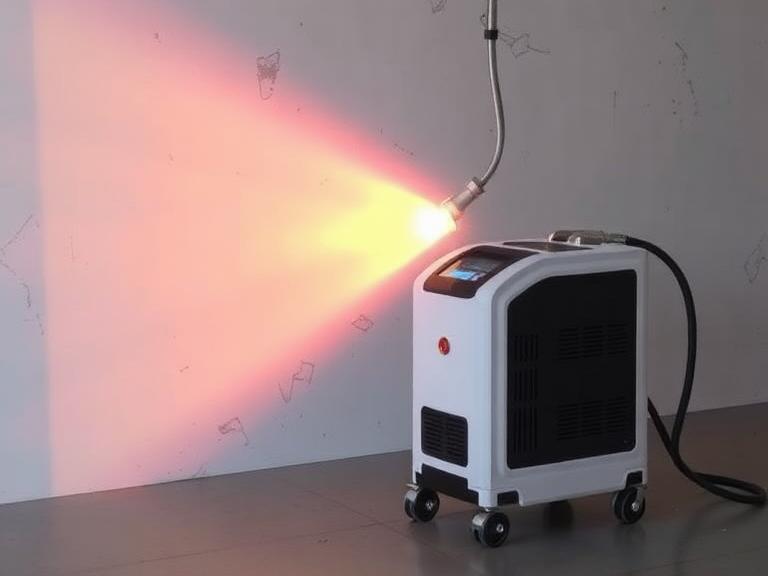
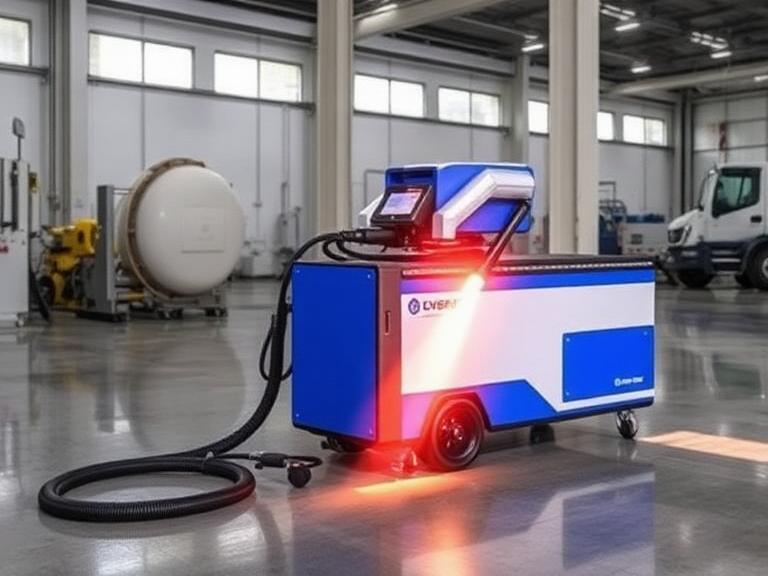
If you are still relying on sandblasting, hazardous chemical strippers, or manual angle grinders for surface preparation, you are actively burning through your operational budget. In the high-stakes manufacturing and maintenance sectors, clinging to outdated technology is no longer just a stubborn habit; it is a serious financial liability that degrades your final product quality. The global industrial landscape is undergoing a massive paradigm shift, moving rapidly away from abrasive, destructive methods and embracing photonics. At Super Fast Laser, we have zero patience for the myth that the old way is the best way. The engineering data simply proves otherwise.
Super Fast Laser Technology Co.,Ltd., headquartered in Shenzhen, is currently the first domestic manufacturer who focuses on the R&D, production, and sales of laser cleaning machines. It has its own R&D team and production factory, and it is in a leading position in the laser cleaning field.
Because we build these highly advanced optical systems from the ground up, we understand the photothermal physics and the real-world economics of surface ablation better than anyone in the market. From our experience, once a plant manager or head engineer witnesses the raw power and microscopic precision of an advanced fiber laser, they never look back at a pneumatic sandblaster. In this expert, no-nonsense breakdown, we are going to expose the hidden, crippling flaws of traditional methods and detail the undeniable advantages of using laser cleaning. Whether you are restoring priceless historical architecture, prepping aerospace-grade alloys for critical welding, or stripping heavy rust from industrial machinery, this guide will give you the authoritative insight needed to upgrade your entire operational workflow.
Table of Contents
- The Hidden, Crippling Costs of Traditional Surface Preparation
- 1. Zero Substrate Damage: The Non-Contact Advantage
- 2. Complete Elimination of Secondary Waste
- 3. Unmatched Precision and Selective Cleaning
- 4. Drastic Reduction in Operating Costs
- 5. Superior Operator Safety and Automation Readiness
- Summary Table: Laser Cleaning vs. Traditional Methods
- Frequently Asked Questions
- References and Industry Verification
The Hidden, Crippling Costs of Traditional Surface Preparation
Before we can fully appreciate the advantages of using laser cleaning, we must honestly address the massive inefficiencies inherent in older legacy methods. Abrasive blasting, such as sand, grit, or dry ice blasting, is a violently destructive physical process. It relies entirely on kinetic impact to shatter and scrape away surface contaminants. Unfortunately, that exact same kinetic energy creates microscopic pitting in the underlying substrate, permanently altering its dimensional tolerances and structural integrity. Furthermore, it generates literal tons of toxic silica dust and contaminated waste media that you are legally required to clean up, containerize, and dispose of at a massive premium cost.
Chemical stripping is arguably worse. You are soaking expensive, precision-engineered metal parts in highly corrosive acids or volatile organic compounds (VOCs). This introduces the catastrophic risk of hydrogen embrittlement in high-tensile steel, exposes your workforce to severe respiratory hazards, and creates a hazardous liquid waste stream that attracts intense regulatory scrutiny from environmental protection agencies. You are simply trading a dirt problem for a toxic waste problem.
When we calculate the true cost of these traditional techniques, we look far beyond the cheap initial purchase price of a bag of sand or a drum of chemical solvent. We factor in the grueling hours of facility cleanup, the exorbitant hazardous waste disposal fees, the mandatory heavy safety gear, and the catastrophic downtime caused by accidental substrate damage. This brutal financial reality is precisely why evaluating the advantages of using laser cleaning is mandatory for any forward-thinking industrial facility today.
1. Zero Substrate Damage: The Non-Contact Advantage
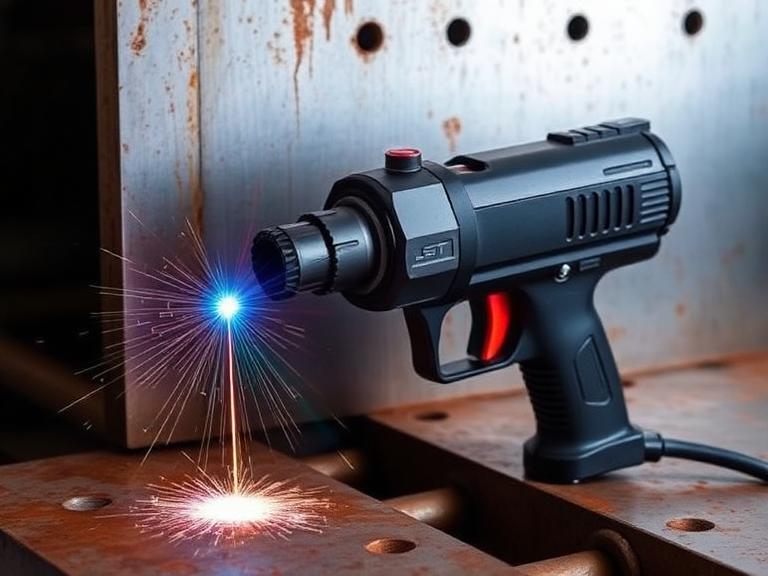
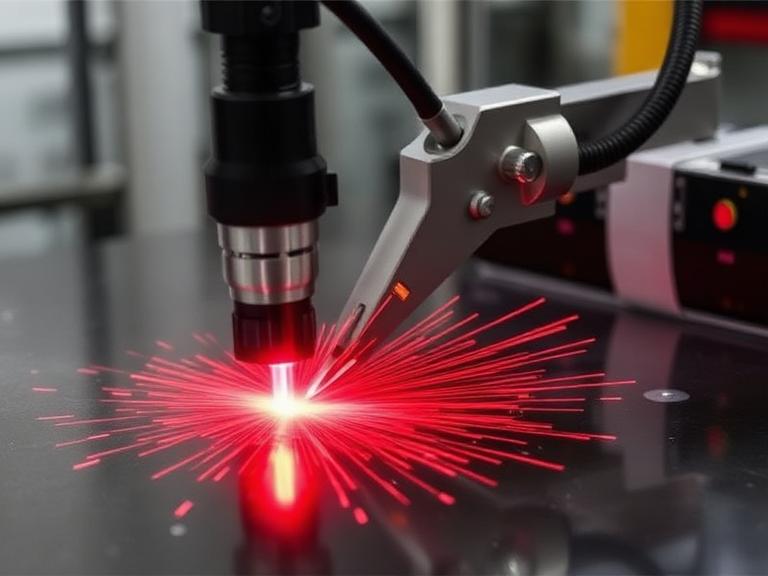
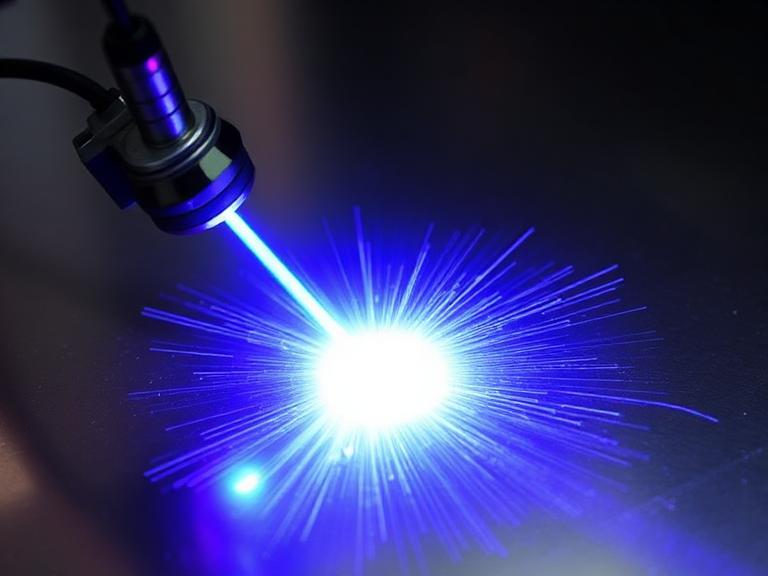
The most critical of the advantages of using laser cleaning is its entirely non-contact, non-destructive nature. When a high-intensity pulsed laser beam strikes a surface, it operates strictly on the scientific principle of the ablation threshold. Every single material, from thick industrial iron oxide to delicate organic paint, has a specific energy absorption limit. The chemical bonds of the contaminant layer absorb the intense thermal energy of the short laser pulses. Within nanoseconds, this energy causes rapid thermal expansion, fracturing the bonds and ejecting the contaminant away from the surface as a plasma or gas.
Because contaminants like rust, oil, grease, and paint have significantly lower ablation thresholds than the robust base metals beneath them, the laser energy vaporizes the unwanted layer instantly. The base metal, having a much higher thermal conductivity and reflectivity, simply reflects the remaining light without absorbing enough heat to cause metallurgical changes or warping. There is no kinetic impact, no mechanical friction, and zero dimensional degradation. If you are cleaning an expensive steel injection mold that requires micron-level accuracy, abrasive blasting will eventually ruin the mold’s profile. Laser ablation leaves the mold perfectly intact, time and time again.
This non-destructive characteristic extends well beyond heavy metals. With precise tuning of the laser’s pulse width and frequency, you can strip paint from delicate historical artifacts, aerospace composites, or timber without inducing thermal burns. If you are working in architectural restoration, reviewing the specifications of the best laser cleaning machine for wood will show you exactly how gentle yet effective this technology can be. We recommend always consulting with our engineers to match the laser source perfectly to the specific thermal tolerance of your substrate.
2. Complete Elimination of Secondary Waste
If you operate a large-scale industrial facility, you know that waste management is a massive logistical nightmare and a constant financial drain. One of the most financially impactful advantages of using laser cleaning is the absolute, total elimination of secondary waste media.
When you sandblast a rusty structural pipe, you do not just remove the rust; you create a massive pile of contaminated sand that must be painstakingly swept up, barreled, manifested by an environmental team, and shipped to a specialized landfill. With chemical stripping, you are left with vats of highly toxic sludge that require expensive neutralizing agents. Both processes create an environmental liability.
Laser cleaning, conversely, is a completely dry, light-based process. The focused laser instantly sublimates the rust or coating into a fine, localized vapor. There is no sand, no glass beads, no dry ice, and absolutely no water involved. The only byproduct is a microscopic amount of vaporized airborne particulate, which is immediately captured at the source by an integrated, high-efficiency HEPA fume extraction unit. Your factory floors remain completely clean, your ambient air remains breathable, and your waste disposal costs drop to near zero overnight. For massive operations utilizing heavy Mineral Processing Mining Equipment that requires constant field maintenance in remote locations, eliminating the need to truck tons of blast media in and out of a job site is an unparalleled logistical game-changer.
3. Unmatched Precision and Selective Cleaning
Traditional surface preparation is a blunt, sloppy instrument. If you need to clean a specific two-inch weld seam on a massive steel plate, sandblasting requires your crew to spend hours meticulously taping and masking off the surrounding areas to prevent collateral damage to adjacent coatings or sensitive components.
One of the defining advantages of using laser cleaning is its surgical, repeatable precision. You can program the laser scanner to clean a highly specific geometric area—down to the exact millimeter—without affecting the pristine coating a fraction of an inch away. This capability is known in the industry as selective stripping. Through advanced software interfaces, the operator has total control over the laser beam’s width, shape, scanning speed, and focal depth.
We highly recommend utilizing this incredible precision for non-destructive testing (NDT) preparation and critical pre-weld decontamination. By utilizing specialized laser cleaning machines for rust removal, your welders can achieve perfect, zero-porosity joints without the immense hassle of angle grinders or the dangerous risk of leaving microscopic abrasive grit inside the weld pool. The highly focused laser beam can easily reach into complex geometries, deep blind holes, and tight internal corners where mechanical wire brushes physically cannot fit.
4. Drastic Reduction in Operating Costs
When discussing advanced photonics, we constantly hear objections from procurement departments regarding the initial capital expenditure. Yes, a high-quality fiber laser requires a larger upfront investment than a basic, primitive pneumatic sandblaster. However, the advantages of using laser cleaning become overwhelmingly obvious the moment you calculate the total cost of ownership (TCO) over a standard three-year industrial cycle.
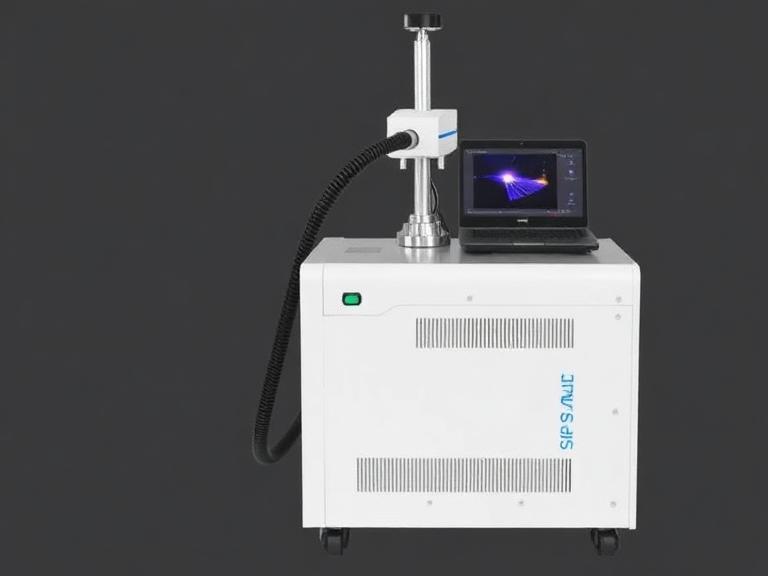
An advanced Industrial Laser Cleaning Machine operates on standard 110V or 220V electricity. There are absolutely no consumables to purchase, ever. You never have to buy media, order expensive chemical solvents, or continuously replace worn-out ceramic blasting nozzles. The diode lifecycle of a premium solid-state fiber laser easily exceeds 100,000 operational hours. Maintenance consists almost entirely of wiping down the protective focal lens with a microfiber cloth and occasionally changing an air filter.
When you completely eliminate the recurring cost of consumables, drastically reduce the labor hours associated with setup and cleanup, and wipe out hazardous waste fees, the return on investment (ROI) is incredibly rapid. For independent contractors pricing out commercial jobs, understanding how this total lack of consumables positively affects the laser cleaning service cost per square foot is crucial for aggressively outbidding competitors who are still artificially inflating their estimates to cover blast media. Even for smaller regional fabrication workshops, researching the small laser cleaning machine price Australia market proves that entry-level, low-wattage systems have become highly accessible and immediately profitable for businesses of all sizes.
5. Superior Operator Safety and Automation Readiness
The global industrial sector is facing a massive shortage of skilled labor, and modern workers are rightfully demanding safer, cleaner working environments. Expecting an employee to spend eight hours a day sweating inside a suffocating canvas blast suit, fighting the intense physical recoil of a high-pressure hose, is an outdated, exhaustingly poor management strategy.
A primary reason we loudly highlight the advantages of using laser cleaning is the immediate, undeniable improvement in occupational health and safety. Laser operators do not require heavy, restrictive blast suits, supplied-air respirators, or ear protection. The process generates zero kinetic recoil, virtually eliminating the debilitating repetitive strain injuries associated with heavy manual grinding. The operator simply wears comfortable, wavelength-specific laser safety glasses and gently guides the lightweight handheld optic over the surface. The lack of deafening noise, toxic fumes, and blinding flying debris makes the factory floor drastically safer and significantly more pleasant.
Furthermore, laser technology is inherently digital. Unlike a heavy sandblasting hose that relies entirely on human muscle, a compact laser optical head can easily be mounted to a robotic arm or an automated multi-axis gantry system. This allows for flawless 24/7 continuous production on modern assembly lines. For remote field operations, cutting-edge engineers are now deploying ruggedized mobile laser cleaning machines 2026 to bring this high-tech safety and automation directly to shipyards, bridge restorations, and offshore pipeline maintenance projects.
Summary Table: Laser Cleaning vs. Traditional Methods
To clearly and objectively illustrate the advantages of using laser cleaning, we have compiled an aggressive, head-to-head comparison against the outdated industry standards.
| Feature / Metric | Super Fast Fiber Laser Cleaning | Abrasive Blasting (Sand/Grit) | Chemical Stripping |
|---|---|---|---|
| Substrate Damage | Zero (Non-contact photothermal ablation) | High (Micro-pitting, dimensional loss) | Moderate (Risk of acid etching/embrittlement) |
| Consumable Costs | None (Requires only standard electricity) | Extremely High (Constant bulk purchase of media) | High (Constant purchase of solvents and acids) |
| Waste Generation | Minimal vapor (Captured entirely by local extraction) | Massive (Tons of contaminated silica/grit) | Hazardous (Toxic liquid sludge requiring EPA disposal) |
| Operator Safety | Excellent (No recoil, no loud noise, no toxic dust) | Poor (High physical strain, silica dust exposure) | Dangerous (Toxic fumes, severe chemical burn risks) |
| Setup and Cleanup | Minutes (Plug and play, zero sweeping required) | Hours (Extensive masking required, massive cleanup) | Hours (Application, dwell time, neutralizing wash) |
Frequently Asked Questions
What are the main advantages of using laser cleaning on delicate, heat-sensitive materials?
Because the laser relies on intense light energy delivered in ultra-short nanosecond bursts rather than sustained kinetic friction, it can be precisely tuned to vaporize dirt, soot, or paint without ever transferring enough heat to reach the ablation threshold of the delicate substrate beneath it. This makes it the only viable method for restoring fragile historical masonry, thin aluminum, or aerospace composites where altering the surface profile is strictly forbidden.
Is the high initial cost of a laser cleaning machine actually worth the investment for a mid-sized shop?
Absolutely. From our direct experience, fabrication facilities that transition from abrasive blasting to our laser cleaning systems typically see a complete return on investment within 12 to 18 months. When you subtract the endless, recurring costs of purchasing sand, paying hazardous waste disposal fees, and halting production for massive facility cleanups, the laser system rapidly pays for itself and dramatically increases your profit margins.
Does industrial laser cleaning produce any dangerous radiation or leave behind chemical residues?
Industrial cleaning lasers are strictly Class 4 laser devices. They emit concentrated, focused infrared light, not dangerous ionizing radiation (like X-rays). While the focused beam itself can cause severe burns or eye damage if blatantly misused, operating the equipment is completely safe provided the user wears the mandatory optical density (OD) safety glasses specific to the laser’s wavelength. There is zero lingering radiation, and because it is a dry process, there is absolutely no chemical residue left on the cleaned part.
Can a laser cleaner completely replace chemical solvents in my facility?
In over 90% of manufacturing and maintenance applications, yes. However, it is important to note that lasers require a direct line of sight. If you are trying to clean the deep internal curves of a complex, narrow plumbing manifold where the laser beam physically cannot reach, chemical flushing remains a necessary secondary option. But for all exterior surfaces, flat plates, deep molds, and open gears, laser ablation is vastly superior.
References and Industry Verification
To validate our uncompromising claims regarding the advantages of using laser cleaning and the severe environmental drawbacks of legacy surface preparation methods, we strongly encourage facility managers, engineers, and procurement officers to review the latest regulatory data and efficiency standards from these authoritative bodies:
- Department of Energy (DOE): Industrial Decarbonization and Energy Efficiency Initiatives
- Environmental Protection Agency (EPA): Hazardous Waste Management and Solvent Disposal Regulations
- Occupational Safety and Health Administration (OSHA): Crystalline Silica Exposure and Respiratory Hazards
At Super Fast Laser, we are totally committed to pushing the boundaries of industrial maintenance. The profound advantages of using laser cleaning are not theoretical laboratory concepts; they are proven daily on high-volume factory floors and critical infrastructure projects around the globe. Stop paying for toxic chemicals, stop buying contaminated sand, and stop damaging your valuable substrates. Embrace the speed, safety, and undeniable profitability of modern light-based surface preparation.