- Ziva@CKlasersz.com
- WeChat:86-13138536413
- 400-168-9906
- 0755 27084852





In the evolving landscape of industrial manufacturing and surface preparation, plant managers and operational directors are constantly seeking more efficient, safer, and cost-effective ways to remove rust, paint, oxides, and contaminants. For decades, the industry relied heavily on abrasive blasting and toxic solvent baths. However, the introduction of photonic ablation technology has disrupted the status quo. To make an informed capital equipment decision, facility leaders must thoroughly understand the pros and cons of laser cleaning to traditional methods like sandblasting or chemical cleaning.
As the author of this comprehensive guide, Super Fast Laser Technology Co.,Ltd., headquartered in Shenzhen, brings years of specialized engineering expertise to the table. We are currently the first domestic manufacturer who focuses on the R&D, production, and sales of laser cleaning machines. From our experience designing automated and handheld systems, we have seen firsthand how evaluating the pros and cons of laser cleaning to traditional methods dictates the operational success of a facility. We recommend looking beyond the initial sticker price and examining the long-term impacts on substrate integrity, environmental compliance, and consumable expenditures.
Table of Contents
- 1. Understanding the Shift in Industrial Surface Preparation
- 2. The 3 Major Pros of Laser Cleaning Over Traditional Methods
- 3. The 3 Notable Cons of Laser Cleaning to Traditional Methods
- 4. Executive Summary Table: A Direct Comparison
- 5. The Super Fast Laser Professional Recommendation
- 6. Frequently Asked Questions (FAQs)
- 7. Industry References
1. Understanding the Shift in Industrial Surface Preparation
Before diving deeply into the specific pros and cons of laser cleaning to traditional methods, it is crucial to understand the mechanics at play. Sandblasting operates through kinetic energy. It forcefully propels abrasive media, such as aluminum oxide or glass beads, against a surface to chip away contaminants. While effective, it generates massive amounts of secondary dust and inevitably removes microscopic layers of the base metal. Chemical cleaning, conversely, relies on highly reactive solvents and acids to dissolve unwanted layers, creating hazardous liquid waste that requires expensive disposal protocols.
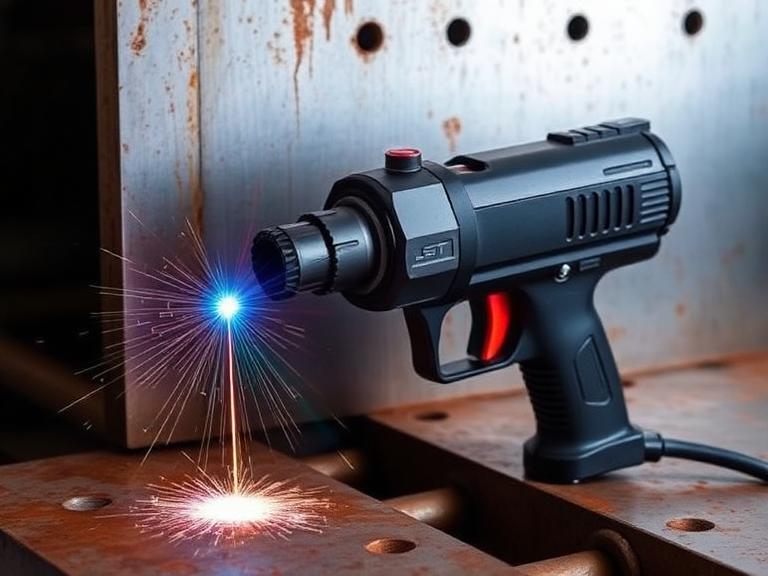
Laser cleaning operates on an entirely different principle known as laser ablation. High-intensity, ultra-short laser pulses are directed at the contaminated surface. The contaminant layer absorbs the laser energy, rapidly expands, and vaporizes into a localized plasma, leaving the underlying substrate completely untouched. When analyzing the pros and cons of laser cleaning to traditional methods, this fundamental shift from kinetic and chemical removal to photonic vaporization is the root cause of all subsequent operational advantages and disadvantages.
2. The 3 Major Pros of Laser Cleaning Over Traditional Methods
The widespread adoption of photonic surface preparation is driven by a series of distinct operational benefits. Here, we outline the primary advantages when weighing the pros and cons of laser cleaning to traditional methods.
2.1 Non-Destructive and Substrate Safe
From our experience, the most critical advantage of laser ablation is its non-contact, non-destructive nature. Sandblasting causes pitting, micro-abrasions, and localized work hardening on the metal substrate. Over multiple cleaning cycles, this kinetic damage degrades the structural integrity of the part. This is entirely unacceptable for high-precision components like aerospace turbine blades, injection molds, or historical artifacts.
Laser technology, when correctly calibrated, passes straight through the contaminant and reflects off the base metal without altering its metallurgical properties. The light energy is tuned specifically to the absorption threshold of the rust, oil, or paint. For facilities working with delicate substrates, investing in the best portable laser cleaners 2026 provides an unparalleled level of precision control that sandblasting simply cannot match. This zero-damage characteristic heavily weights the pros and cons of laser cleaning to traditional methods in favor of the laser for high-value asset maintenance.
2.2 Environmental Sustainability and Operator Safety
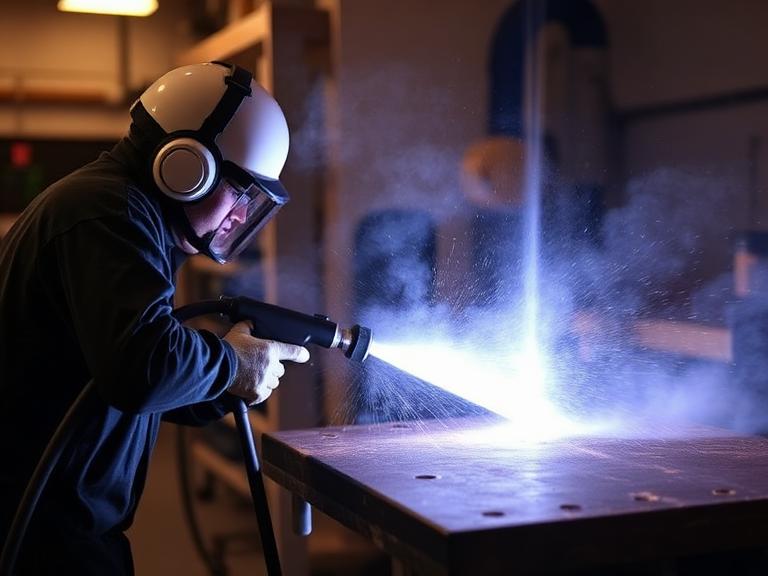
Chemical cleaning introduces severe occupational health hazards. Operators must wear extensive personal protective equipment (PPE) to guard against corrosive burns and toxic fume inhalation. Furthermore, the spent chemicals are classified as hazardous waste, requiring specialized transport and disposal. Sandblasting similarly creates a hazardous environment due to the massive volume of airborne silica and contaminated dust, posing severe respiratory risks.
When assessing the pros and cons of laser cleaning to traditional methods, the environmental superiority of lasers is undeniable. Laser ablation generates zero secondary waste. The only byproduct is the vaporized contaminant itself, which is safely captured at the source using an integrated fume extractor. The process is dry, uses no harsh chemicals, and requires zero abrasive media. For contractors looking to improve their safety ratings, deploying the top handheld laser cleaners 2026 completely modernizes the workshop environment, ensuring compliance with tightening EPA and OSHA regulations.
2.3 High Long-Term ROI and Elimination of Consumables
A major pain point with abrasive blasting is the continuous requirement to purchase, store, and dispose of blasting media. A single active sandblasting bay can consume thousands of pounds of media a month. In contrast, laser cleaning systems require only electricity to run. The lifespan of a high-quality fiber laser source typically exceeds 100,000 operational hours.
We recommend that businesses looking to expand their service offerings heavily consider this operational math. By eliminating consumable costs and waste disposal fees, the profit margins on service contracts increase dramatically. This is why entrepreneurs frequently ask, is laser cleaning business profitable? The answer lies in the near-zero operating cost. To fully understand the financial dynamics, reading up on the laser rust removal business profitability is essential when mapping out the economic pros and cons of laser cleaning to traditional methods.
3. The 3 Notable Cons of Laser Cleaning to Traditional Methods
While the technology is revolutionary, we must maintain an objective view. To accurately evaluate the pros and cons of laser cleaning to traditional methods, it is necessary to examine the physical and financial limitations of the technology.
3.1 Significant Initial Capital Investment
The most immediate hurdle for many fabrication shops and restoration companies is the upfront cost. A standard industrial sandblasting pot and air compressor can be purchased for a fraction of the price of an entry-level fiber laser system. The internal components of a laser—including the diode arrays, optical lenses, and sophisticated control software—are highly advanced and inherently expensive to manufacture.
When discussing the pros and cons of laser cleaning to traditional methods, capital expenditure is often the deciding factor for smaller shops. However, prices are beginning to stabilize as the technology matures. Prospective buyers should thoroughly research the laser cleaning equipment cost 2025 to accurately forecast their return on investment. While the upfront cost is high, the payback period is often shorter than anticipated due to the lack of consumable expenses.
3.2 Line-of-Sight Limitations on Complex Geometries
Because laser cleaning relies on directed light, it requires a clear line of sight to the contaminated surface. If a component has deep, hidden crevices, internal plumbing geometries, or blind holes, the laser beam cannot reach the contamination. In these highly specific scenarios, traditional methods hold a distinct advantage.
Chemical dipping baths excel at penetrating internal cavities because the fluid flows into every microscopic void. Similarly, abrasive media can ricochet to a certain degree to clean slight undercuts. From our experience, when evaluating the pros and cons of laser cleaning to traditional methods on highly complex internal geometries, hybrid approaches are sometimes required, utilizing lasers for the exterior and chemical flushes for the interior.
3.3 Slower Processing on Extremely Thick Coatings
Laser ablation is incredibly efficient at removing thin-to-medium layers of rust, oil, oxides, and standard paint coatings. However, if an operator is tasked with removing several millimeters of heavy marine epoxy, thick industrial rubber linings, or dense, multi-layered industrial coatings, a low-to-mid wattage laser may process the surface slower than a heavy-duty sandblaster.
To overcome this limitation, facilities must invest in high-power continuous wave (CW) lasers ranging from 1500W to 3000W. Partnering with the right supplier is critical here. Reviewing the laser cleaning machine manufacturers ensures you select an equipment provider that offers the necessary wattage to compete with the sheer removal speed of traditional abrasive blasting on thick, stubborn coatings.
4. Executive Summary Table: A Direct Comparison
To provide a clear, high-level overview of the pros and cons of laser cleaning to traditional methods, we have compiled this responsive summary table. We recommend using this as a quick reference guide during equipment procurement meetings.
| Evaluation Metric | Laser Cleaning | Sandblasting / Abrasive | Chemical Cleaning |
|---|---|---|---|
| Substrate Damage | None (Non-contact, highly selective) | High (Causes pitting and material loss) | Variable (Risk of acid etching/embrittlement) |
| Consumable Costs | Very Low (Electricity only) | High (Continuous media purchase required) | High (Chemicals and disposal fees) |
| Secondary Waste | Zero (Contaminant is vaporized/extracted) | Massive (Spent media and airborne dust) | High (Toxic sludge and hazardous liquids) |
| Initial Equipment Cost | High (Capital intensive technology) | Low to Moderate | Low to Moderate (Excluding safety infrastructure) |
| Accessibility | Requires direct line-of-sight | Moderate (Can reach slight undercuts) | Excellent (Fluid reaches all internal cavities) |
5. The Super Fast Laser Professional Recommendation
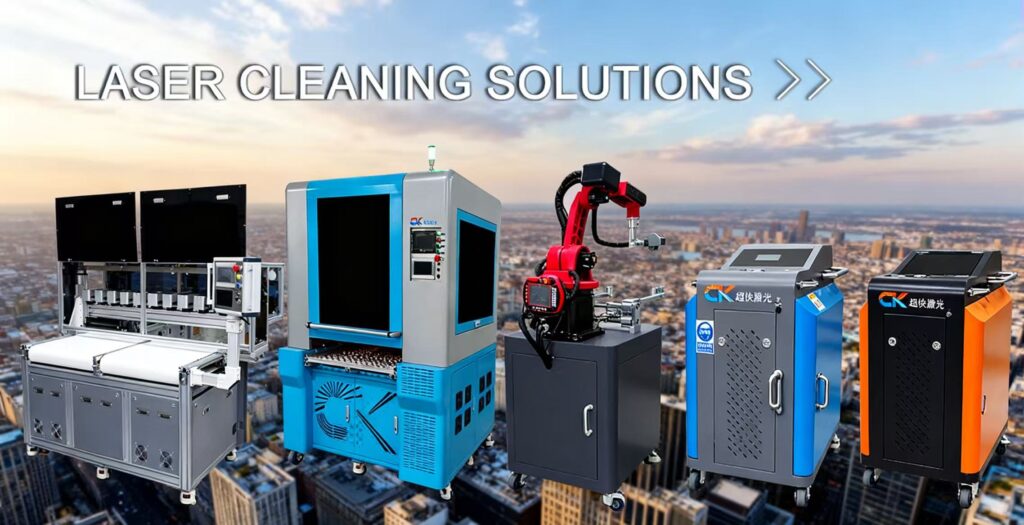
Evaluating the pros and cons of laser cleaning to traditional methods is a transformative step for any industrial operation. While sandblasting and chemical solvents have served the industry for decades, the environmental, financial, and quality-control demands of modern manufacturing have rendered them obsolete for precision applications.
Super Fast Laser Technology Co.,Ltd., headquartered in Shenzhen, is deeply committed to guiding facilities through this technological transition. As the first domestic manufacturer who focuses on the R&D, production, and sales of laser cleaning machines, we hold a leading position in the laser cleaning field. We boast our own dedicated R&D team and production factory, ensuring that every machine meets stringent international standards. Our company focuses on high-tech laser application fields, with the primary purpose of pursuing product specialization. We provide professional laser cleaning systems, automatic equipment, software, and a full set of laser cleaning solutions customized to your operational needs. We highly recommend scheduling a sample testing phase with our engineering team to witness the benefits firsthand.
6. Frequently Asked Questions (FAQs)
Is laser cleaning safer for the operator than sandblasting?
Yes. From our experience, the occupational safety benefits heavily skew the pros and cons of laser cleaning to traditional methods. Laser cleaning eliminates the risk of silicosis, a severe lung disease caused by inhaling sandblasting dust. Operators of laser systems only require specialized laser safety glasses and standard fume extraction, eliminating the need for heavy, restrictive positive-pressure blast suits.
Can laser cleaning completely replace chemical cleaning in my facility?
In most surface preparation applications, yes. However, due to the line-of-sight limitation mentioned in the cons of laser cleaning, parts with highly intricate, deep internal channels (like complex heat exchangers or engine blocks) may still require chemical dipping. For external surfaces, molds, and weld preparation, lasers are vastly superior.
Does the high initial cost of a laser cleaner justify the investment?
We recommend conducting a total cost of ownership (TCO) analysis. When you calculate the elimination of abrasive media purchases, the removal of hazardous waste disposal fees, and the drastic reduction in setup and cleanup time, the ROI for a laser cleaning system is typically achieved within 12 to 24 months, depending on operational volume.
7. Industry References
To ensure the highest standards of operational safety and environmental compliance regarding the pros and cons of laser cleaning to traditional methods, we recommend reviewing the following authoritative resources: