- Ziva@CKlasersz.com
- WeChat:86-13138536413
- 400-168-9906
- 0755 27084852






Authored by Super Fast Laser. Super Fast Laser Technology Co.,Ltd., headquartered in Shenzhen, is currently the first domestic manufacturer who focuses on the R&D, production, and sales of laser cleaning machines. It has its own R&D team and production factory, and it is in a leading position in the laser cleaning field.
In the maintenance, automotive, and heavy manufacturing industries, surface oxidation is a persistent and costly adversary. When dealing with corroded parts, equipment operators and engineers frequently debate over traditional chemical solutions, constantly asking if vinegar or WD-40 better for rust. This is not merely a household dilemma; it directly impacts restoration workflows, component integrity, and operational downtime.
From our experience at Super Fast Laser Technology Co.,Ltd., understanding the chemical mechanics of these substances is crucial for effective surface treatment. While we manufacture state-of-the-art laser ablation systems that outperform traditional chemical methods, we recognize that many maintenance protocols still rely on liquid solvents. To properly address whether vinegar or WD-40 better for rust, we must analyze their distinct chemical properties, application methods, and limitations in industrial environments.
Table of Contents
- 1. The Chemistry of Metal Oxidation
- 2. How Vinegar Attacks Iron Oxide
- 3. The Penetrating Power of WD-40
- 4. Direct Comparison: Is Vinegar or WD-40 Better for Rust?
- 5. The Industrial Alternative: Advanced Laser Cleaning
- 6. Summary Table: Rust Removal Methods
- 7. Frequently Asked Questions (FAQs)
- 8. Industry and Scientific References
1. The Chemistry of Metal Oxidation
Before determining is vinegar or WD-40 better for rust, one must understand what rust actually is. Rust is hydrated iron(III) oxide, a compound formed when iron reacts with oxygen and water. This electrochemical process eats away at the base metal, compromising its structural integrity. Removing this oxidized layer requires either mechanical abrasion, thermal shock, or a chemical reaction that breaks the bonds of the iron oxide.
When clients ask us is vinegar or WD-40 better for rust, we first look at the severity of the oxidation. Light surface flash rust requires a completely different approach than deep, pitted corrosion. Chemical removers rely on acidic reactions to dissolve the rust, whereas penetrating fluids rely on lowering surface tension to lubricate and break the physical bond between the rust and the healthy metal.
2. How Vinegar Attacks Iron Oxide
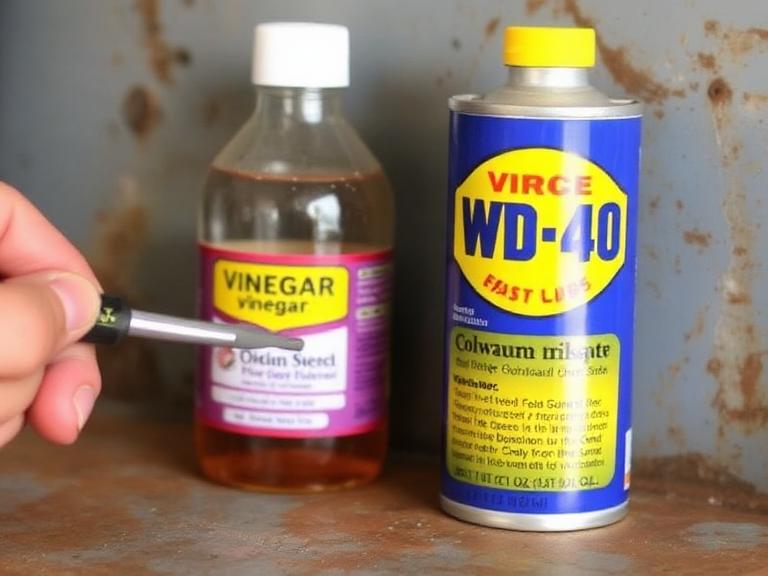
Standard white household vinegar contains approximately 5% acetic acid. Acetic acid is a weak organic acid that chemically reacts with iron oxide to form iron acetate, a water-soluble compound. If you are wondering if vinegar or WD-40 better for rust when dealing with heavily corroded, fully submersible parts, vinegar has a distinct chemical advantage.
We recommend using vinegar exclusively for immersion soaking. When a rusty tool or bolt is submerged in vinegar for 24 to 48 hours, the acetic acid dissolves the rust layer. However, this process is painstakingly slow and completely impractical for large machinery or structural steel that cannot be submerged. Furthermore, once the part is removed from the vinegar bath, the acidic residue must be immediately neutralized with a basic solution (like baking soda and water); otherwise, the exposed metal will instantly flash-rust upon contact with atmospheric oxygen.
Therefore, when asking is vinegar or WD-40 better for rust, vinegar is technically better at dissolving heavy rust, but it requires significant time, total submersion, and meticulous post-treatment to prevent immediate re-oxidation.
3. The Penetrating Power of WD-40
WD-40 stands for “Water Displacement, 40th formula.” Standard WD-40 is a mixture of petroleum distillates, primarily designed as a lubricant, moisture displacer, and rust preventative. It is not an acid. Consequently, if you are asking is vinegar or WD-40 better for rust in terms of chemically dissolving iron oxide, standard WD-40 does not dissolve rust at all.
Instead, WD-40 acts as a highly effective penetrating oil. It seeps into the microscopic pores of the rust, lowering the surface tension and loosening the mechanical bond between the oxidized layer and the base metal. This makes it an exceptional pre-treatment for mechanical scrubbing with a wire brush or steel wool. Furthermore, WD-40 leaves a protective hydrophobic film on the metal, displacing moisture and actively preventing future corrosion.
It is important to note that the WD-40 brand also produces a specific “Specialist Rust Remover Soak” which utilizes chelating agents to dissolve rust, similar in function to vinegar but safer for adjacent materials. However, when referencing the classic multi-use spray, is vinegar or WD-40 better for rust? WD-40 is better for surface-level rust breaking, loosening seized bolts, and providing ongoing corrosion protection.
4. Direct Comparison: Is Vinegar or WD-40 Better for Rust?
To definitively answer if vinegar or WD-40 better for rust, you must assess your immediate operational requirements.
- Choose Vinegar If: You have small, heavily rusted components (like nuts, bolts, or hand tools) that can be submerged in a bath for several days. Vinegar will chemically convert the deep rust, but you must manually neutralize the acid afterward.
- Choose WD-40 If: You are dealing with light surface rust on immovable objects, require immediate lubrication to free a seized mechanical part, or need to leave a protective coating to prevent moisture buildup.
From our experience, neither method is suitable for industrial-scale manufacturing, aerospace maintenance, or precision tooling restoration. Both methods leave secondary residues, require extensive manual labor, and cannot be strictly controlled in terms of depth penetration. This brings us to the modern standard of metal surface treatment.
5. The Industrial Alternative: Advanced Laser Cleaning
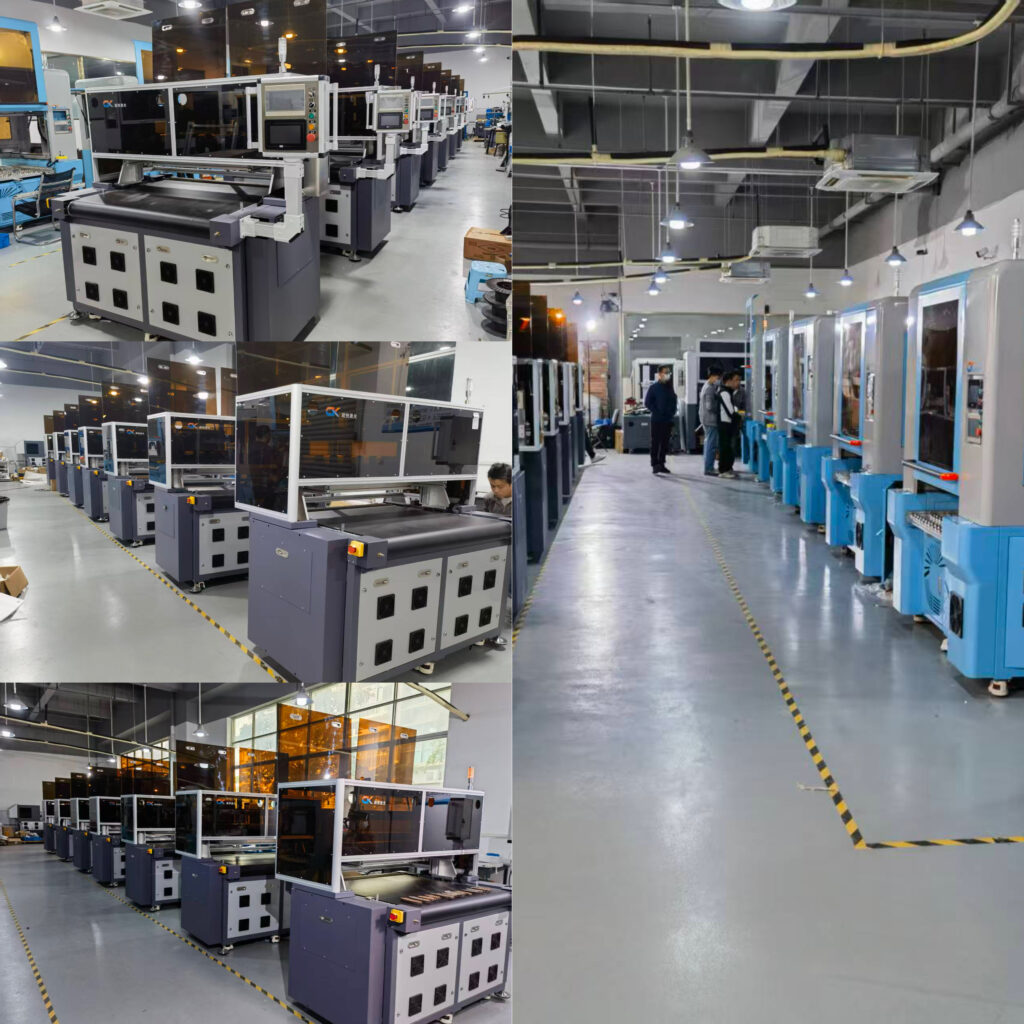
While the debate over whether vinegar or WD-40 better for rust is common in residential workshops, industrial facilities require speed, precision, and zero environmental contamination. At Super Fast Laser Technology Co.,Ltd., we have engineered solutions that render chemical soaking and penetrating oils obsolete.
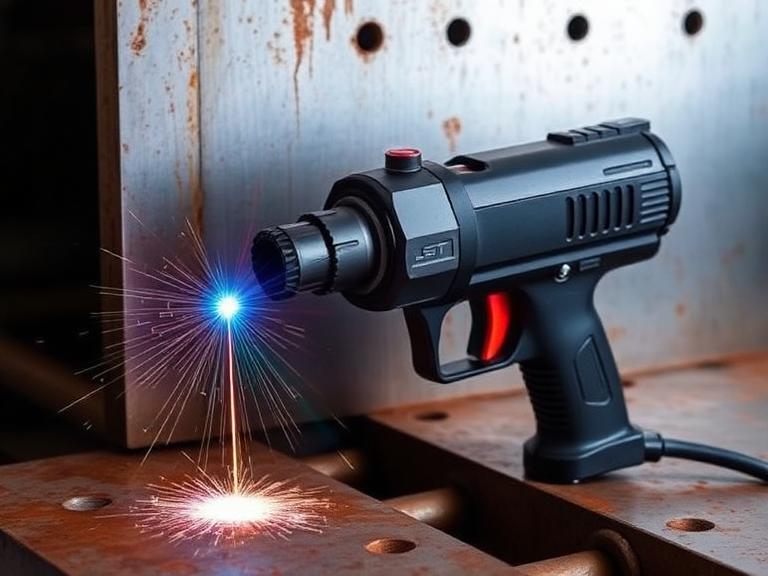
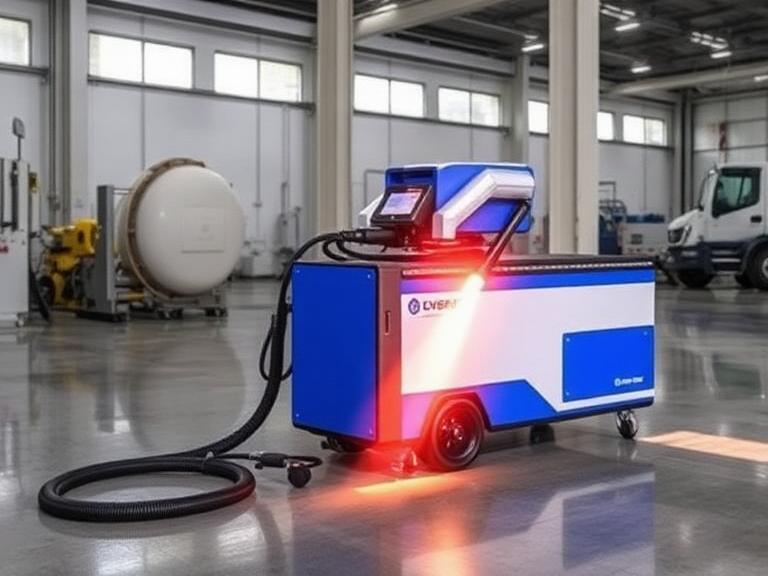
Laser cleaning utilizes high-frequency, high-energy laser pulses to instantly ablate iron oxide from the substrate without damaging the underlying healthy metal. This process is entirely dry, requires no chemical consumables, generates zero hazardous waste, and takes seconds rather than days.
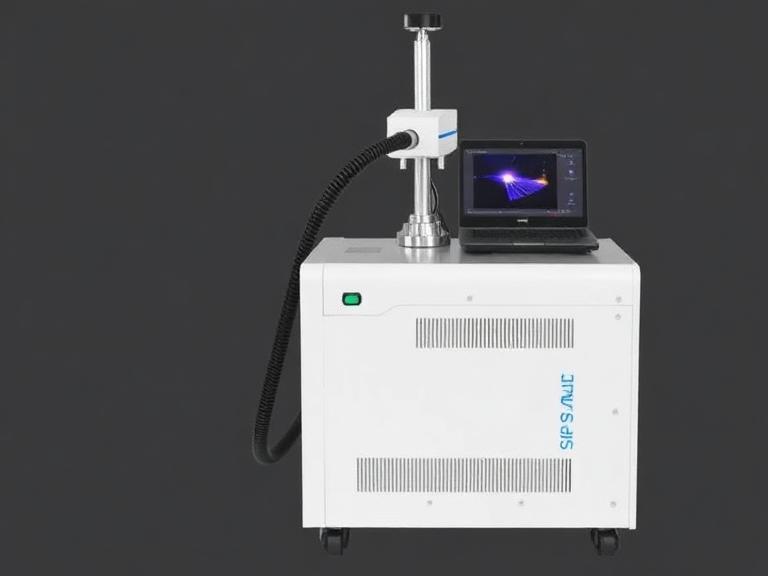
For large-scale industrial operations, we highly recommend our 1000W pulse laser cleaning machine systems. These units deliver unparalleled power, stripping decades of heavy marine or structural rust in a single pass. If your facility is planning its capital expenditures, exploring the latest laser rust removal equipment 2026 will provide insights into the highest ROI surface treatment technologies available globally.
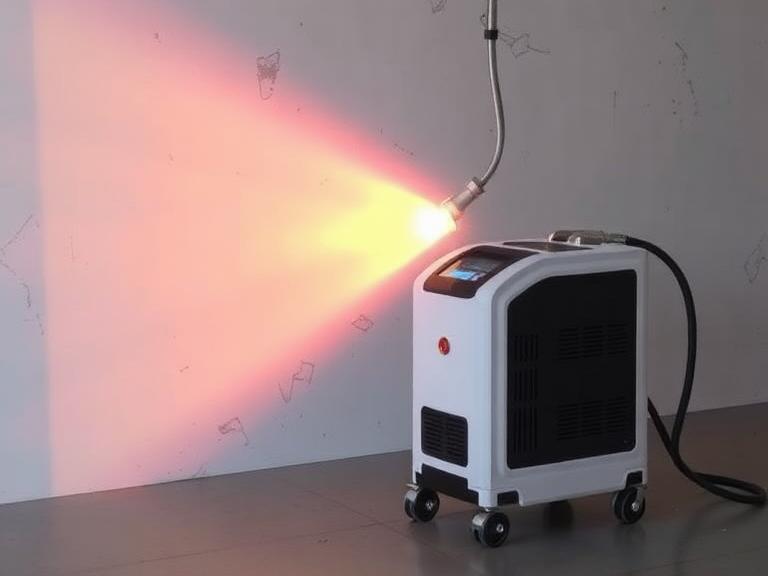
Portability is also a major factor for maintenance crews. Instead of carrying gallons of chemicals, operators can utilize modern handheld laser cleaning machines 2026 to address spot corrosion on massive machinery directly on the factory floor. The versatility of laser technology extends far beyond rust; for instance, the same physics apply to organic contaminants, allowing operators to seamlessly learn how to remove mold from tires and tooling.
Ultimately, when upgrading from archaic chemical baths, reviewing our comprehensive guide on laser metal cleaning machines 2026 will demonstrate why photonic ablation is the definitive future of surface restoration.
6. Summary Table: Rust Removal Methods
To provide a clear perspective on whether vinegar or WD-40 better for rust compared to modern industrial standards, we have compiled this performance matrix.
| Method | Mechanism of Action | Processing Time | Best Application Scenario | Post-Treatment Required |
|---|---|---|---|---|
| White Vinegar | Acetic Acid Chemical Dissolution | 24 – 72 Hours | Submersible small parts, deep rust | Alkaline neutralization, rapid drying, oiling |
| Standard WD-40 | Penetration & Water Displacement | 15 – 30 Minutes | Seized bolts, light surface flash rust | Mechanical scrubbing (wire brush/abrasive) |
| Super Fast Laser Cleaning | Photonic Ablation (Thermal Shock) | Instantaneous | Industrial scale, precision tooling, aerospace | None (leaves a pure, dry metal surface) |
7. Frequently Asked Questions (FAQs)
Is vinegar or WD-40 better for rust on car frames?
For automotive frames, you cannot submerge the chassis in vinegar. Therefore, asking if vinegar or WD-40 better for rust in this scenario favors WD-40 for penetrating seized suspension bolts. However, for total chassis rust removal, mechanical grinding, sandblasting, or advanced laser cleaning is required.
Will vinegar damage healthy metal?
From our experience, prolonged exposure to acetic acid will eventually begin to etch healthy high-carbon steel and cast iron. When determining if vinegar or WD-40 better for rust on precision parts, vinegar poses a much higher risk of altering dimensional tolerances if left unchecked.
How does laser cleaning prevent flash rusting compared to vinegar?
Vinegar leaves an acidic, wet surface that invites immediate flash rust. Laser cleaning operates through dry photon ablation, instantly vaporizing moisture and contaminants. It leaves the metal substrate bone-dry and slightly passivated, providing a stable window for painting or coating without the immediate risk of flash oxidation.
Can I use both methods together?
Yes. If you are forced to use manual methods, a common tactic when debating if vinegar or WD-40 better for rust is to use both sequentially. Submerge the part in vinegar to dissolve the heavy iron oxide, neutralize it, and then heavily coat it in WD-40 to displace remaining moisture and protect the newly exposed metal.
8. Industry and Scientific References
To further validate the chemical processes of oxidation and industrial surface treatment methodologies, we recommend consulting the following authoritative resources:
- National Institute of Standards and Technology (NIST) – Materials Science and Engineering – Comprehensive data on metal corrosion and passivation.
- Occupational Safety and Health Administration (OSHA) – Laser Hazards and Safety – Regulatory guidelines on implementing safe laser ablation systems in industrial environments.