- Ziva@CKlasersz.com
- WeChat:86-13138536413
- 400-168-9906
- 0755 27084852






In der sich schnell entwickelnden Landschaft der industriellen Oberflächenvorbereitung suchen die Fachleute in der Fertigung ständig nach saubereren, schnelleren und effizienteren Methoden zur Entfernung von Rost, Farbe, Oxiden und Gussrückständen. Das Aufkommen der optischen Ablationstechnologie hat diesen Sektor revolutioniert und macht den Einsatz von giftigen Chemikalien oder Strahlmitteln vollständig überflüssig. Wenn Betriebsleiter und Beschaffungsingenieure in diese Technologie investieren wollen, stehen sie jedoch immer vor einer entscheidenden Frage: Wie leistungsfähig muss ein Laserreiniger genau sein?
Aus unserer Erfahrung bei Superschneller Laser, die Berechnung, wie stark ein Laserreiniger ist nicht einfach der Kauf der höchsten verfügbaren Wattzahl. Der Einsatz einer Maschine mit zu hoher Leistung auf einem empfindlichen Substrat kann zu katastrophalen thermischen Schäden führen, die das Grundmetall aufschmelzen und die teuren Werkzeuge zerstören. Umgekehrt führt ein System mit zu geringer Leistung zu unannehmbar langsamen Bearbeitungszeiten und damit zu Engpässen in Ihrer gesamten Produktionslinie. Wir empfehlen einen hochgradig analytischen Ansatz bei der Auswahl Ihrer Anlage, bei dem die spezifische Verunreinigung, das Basismaterial und die Integration der Automatisierung bewertet werden. In diesem maßgeblichen technischen Leitfaden gehen wir auf die physikalischen Grundlagen der optischen Ablation ein, analysieren verschiedene Wattstufen und beantworten definitiv die Frage, wie leistungsstark ein Laserreiniger für Ihre spezifischen industriellen Anwendungen sein muss.
Inhaltsübersicht
- 1. Die Physik der optischen Ablation und Leistung
- 2. Bewertung der Leistungsstufen: Wie leistungsfähig muss ein Laserreiniger sein?
- 3. Die superschnelle 6-Achsen-Laser-Reinigungsmaschine für Formen
- 4. Warum die Pulsenergie wichtiger ist als die durchschnittliche Wattzahl
- 5. Die Auswirkungen der Automatisierung auf den Energiebedarf
- 6. Zusammenfassende Tabelle: Leistungsbedarf nach Anwendung
- 7. Häufig gestellte Fragen (FAQs)
- 8. Referenzen
1. Die Physik der optischen Ablation und Leistung
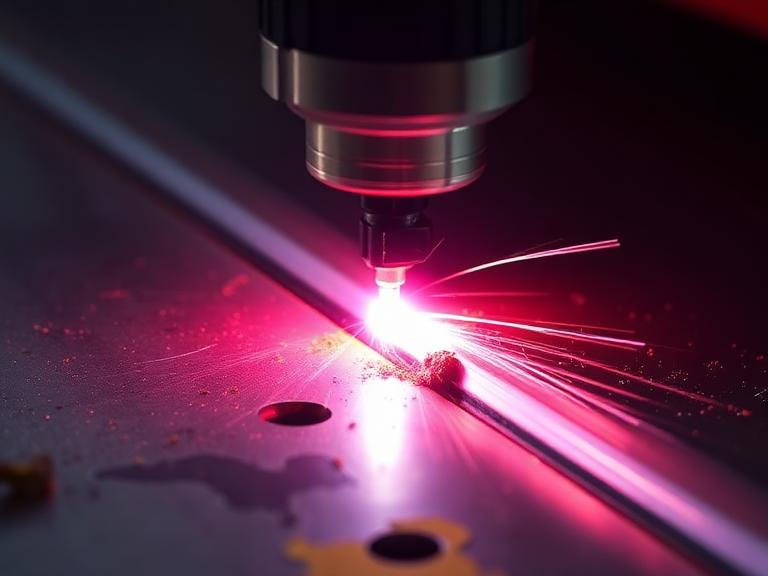
Um zu verstehen, wie leistungsstark ein Laserreiniger sein muss, muss man zunächst den Mechanismus der Laserablation verstehen. Wenn ein hochintensiver Laserstrahl auf eine kontaminierte Oberfläche trifft, absorbiert die Verunreinigung die optische Energie. Diese schnelle Absorption führt zu einer sofortigen Erhitzung der Verunreinigung, die sich von einem Feststoff in ein Plasma oder Gas verwandelt, das dann von der Oberfläche ausgestoßen wird. Da verschiedene Materialien bei bestimmten Wellenlängen (typischerweise 1064 nm bei Faserlasern) unterschiedliche Absorptionsraten aufweisen, reflektiert das Grundmetall den Laserstrahl, während die dunkle Verunreinigung ihn absorbiert.
Wenn Kunden uns fragen, wie stark ein Laserreiniger sein muss, beziehen sie sich in der Regel auf die durchschnittliche Leistung, gemessen in Watt (W). Die durchschnittliche Leistung ist jedoch nur ein Teil der Gleichung. Ein Dauerstrichlaser (CW-Laser) arbeitet ähnlich wie eine Taschenlampe und gibt ständig Energie ab, die große Mengen an Wärme in das Substrat einleitet. Ein gepulster Laser hingegen feuert Tausende von ultrakurzen Stößen pro Sekunde ab. Um zu verstehen, wie leistungsstark ein Laserreiniger sein muss, muss man sowohl die durchschnittliche Wattzahl als auch die Pulsenergie (gemessen in Millijoule oder mJ) betrachten, die die unmittelbare Spitzenleistung bestimmt, die auf die Oberfläche trifft, ohne thermische Verzerrungen zu verursachen.
2. Bewertung der Leistungsstufen: Wie leistungsfähig muss ein Laserreiniger sein?
Um zu bestimmen, wie leistungsstark ein Laserreiniger sein muss, müssen Sie Ihre Arbeitslast in bestimmte Leistungsstufen einteilen. Unserer Erfahrung nach ist der häufigste Fehler bei der Beschaffung von Lasern, dass Sie Ihre Anwendung nicht auf die falsche Leistungsstufe abstimmen.
2.1 Niedrige Leistung (50W - 120W): Hohe Präzision und Formreinigung
Wenn Sie empfindliche Spritzgussformen, historische Artefakte oder Komponenten für die Luft- und Raumfahrt bearbeiten, fragen Sie sich vielleicht, wie stark ein Laserreiniger sein muss, um eine Beschädigung des Substrats zu vermeiden. Die Antwort liegt im unteren Leistungsbereich, d. h. zwischen 50 W und 120 W. Für die Präzisionsreinigung von Formen empfehlen wir einen gepulsten Laser mit 120 W. Diese Leistung reicht aus, um Gummirückstände, Trennmittel und leichte Oxidation zu verdampfen, ohne die mikroskopische Geometrie der Form zu verändern. Bei diesen Anwendungen ist die Konservierung viel wichtiger als die reine Geschwindigkeit.
2.2 Mittlere Leistung (200W - 500W): Mittlerer Bereich Oberflächenvorbereitung
Für die allgemeine Fertigung, die Fahrzeugrestaurierung und die Oberflächenvorbereitung vor dem Schweißen liegt die Frage, wie leistungsstark ein Laserreiniger sein muss, in der Regel im Bereich von 200 bis 500 Watt. Diese Maschinen sind robust genug, um dicke Epoxidharzschichten und mäßigen Rost in einem kommerziellen Tempo zu entfernen. Sie schließen die Lücke zwischen empfindlicher Präzision und industrieller Schwerstarbeit.
2.3 Hohe Leistung (1000W+): Schwerindustrielle Entkalkung
Im Schiffbau, bei der Instandhaltung von Pipelines oder bei schwerem Baustahl, der jahrzehntelang von schwerer Korrosion bedeckt war, müssen Sie berechnen, wie leistungsstark ein Laserreiniger sein muss, um eine rentable Investitionsrendite zu erzielen. In diesen extremen Szenarien kommen 1000W, 2000W oder sogar 3000W Dauerstrichlaser zum Einsatz. Diese massiven Systeme sind ausschließlich auf Geschwindigkeit und aggressiven Materialabtrag ausgelegt, wenn das darunter liegende Substrat dick genug ist, um die überschüssige Wärme zu absorbieren, ohne sich zu verziehen.
3. Die superschnelle 6-Achsen-Laser-Reinigungsmaschine für Formen
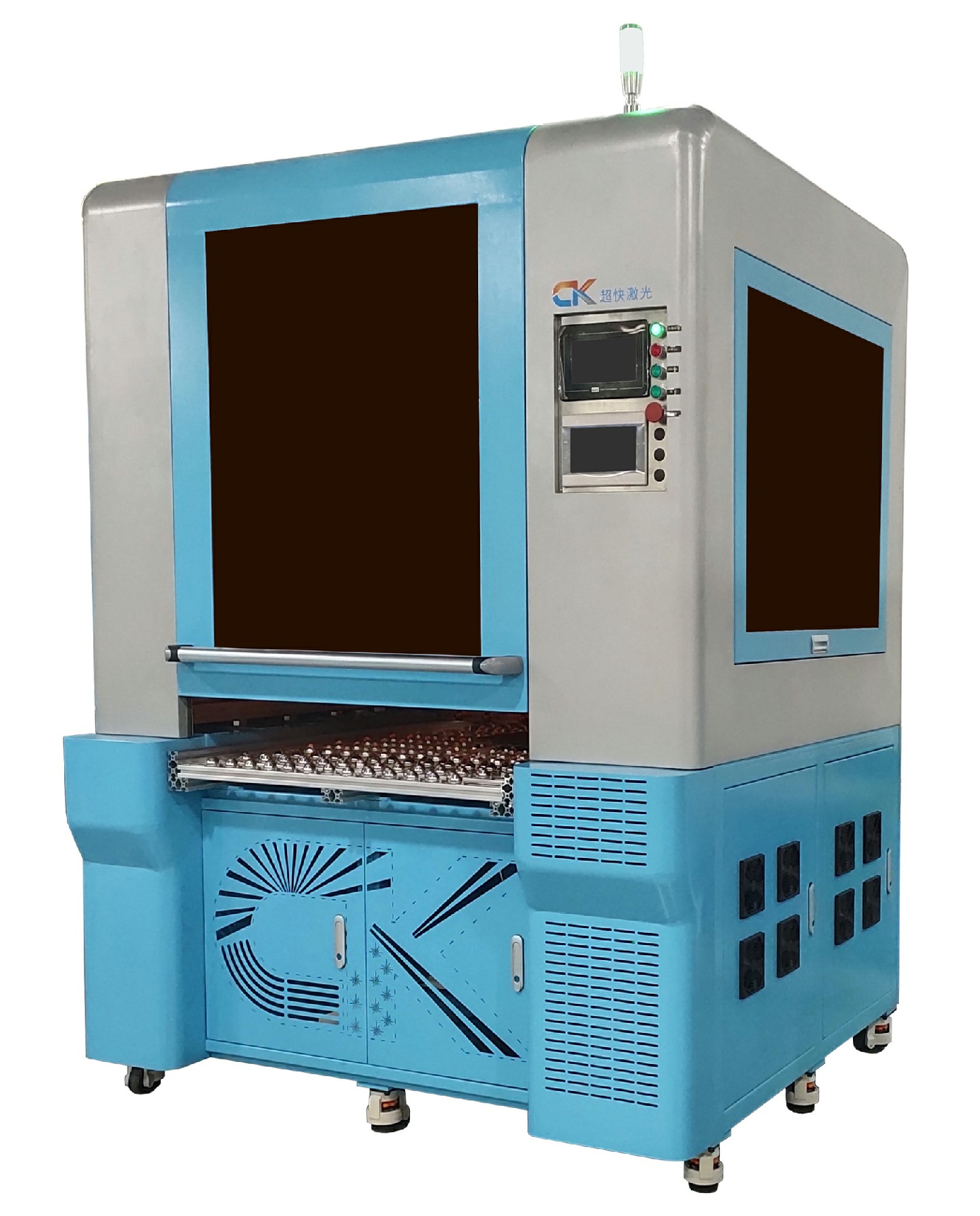
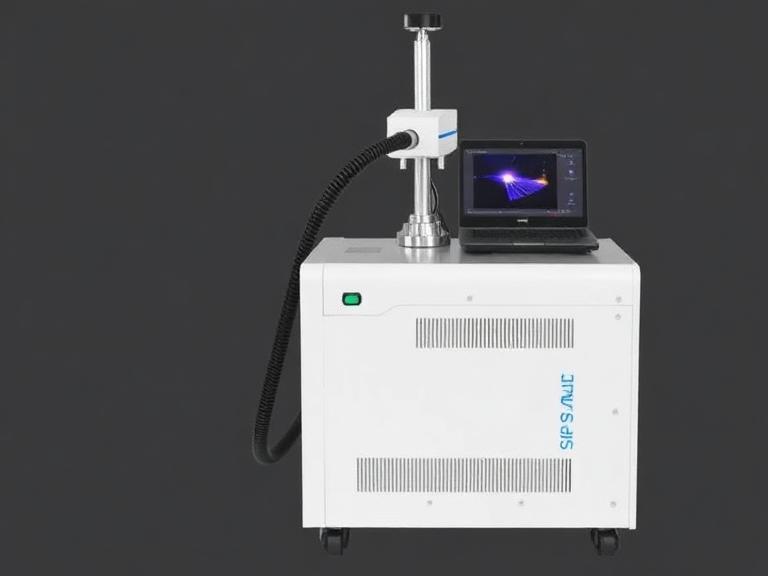
Um perfekt zu veranschaulichen, wie leistungsfähig ein Laserreiniger für anspruchsvolle, automatisierte Präzisionsaufgaben sein muss, präsentieren wir den Superschnelle 6-achsige automatische Laser-Reinigungsmaschine für Formen. Dieses System wurde speziell für die strengen Anforderungen der Reifen- und Spritzgussindustrie entwickelt und nutzt eine perfekt kalibrierte 120-W-Leistungsquelle, um komplexe 3D-Topologien einwandfrei zu reinigen.
Wir empfehlen dieses automatisierte System, weil es die Variable der menschlichen Inkonsistenz beseitigt. Wenn ein menschlicher Bediener einen Handlaser verwendet, schwankt seine Bewegungsgeschwindigkeit, was zu einer ungleichmäßigen Reinigung führen kann. Durch die Integration eines 6-Achsen-Roboterarms bleiben der Fokusabstand und die Verfahrgeschwindigkeit mathematisch perfekt, so dass der 120-W-Laser mit der Effizienz einer viel größeren Maschine arbeiten kann. Nachstehend finden Sie die endgültigen technischen Daten dieses branchenführenden Geräts.
| Artikel | Parameter |
|---|---|
| Reinigungskraft | 120W |
| Gesamtleistung | 5KW |
| Leistung Spannung | AC 110/220V |
| Methode der Kühlung | Luftkühlung |
| Laser-Klasse | Stufe 4 |
| Impuls Energie | 1.5mJ |
| Laser-Wellenlänge | 1064nm |
| Vorwärmzeit | 10s |
| Arbeitsbedingungen | Flacher Platz ohne Vibration und Stoß |
| Arbeitstemperatur | 0-40 Grad Celsius |
| Lagertemperatur | -10 bis +60 Grad Celsius |
| Größe der Maschine | Standardmodell Größe: B160 x L160 x H220 cm Plus Model Größe: B200 x L200 x 245 cm |
| Gewicht | 900kg |
4. Warum die Pulsenergie wichtiger ist als die durchschnittliche Wattzahl
Bei der Untersuchung der Frage, wie leistungsstark ein Laserreiniger sein muss, müssen Sie sich die Pulsenergie genau ansehen. Bei der Super Fast Laser 6 Axis-Maschine liegt die Pulsenergie bei 1,5 mJ. Dies ist eine kritische technische Spezifikation. Während 120 W die durchschnittliche Leistung über die Zeit darstellen, bedeutet ein 1,5 mJ-Puls, dass der Laser unglaublich intensive, mikroskopisch kleine Energiespitzen abgibt.
Unserer Erfahrung nach ist es diese hohe Spitzenleistung, die die molekularen Bindungen der Verunreinigung zerbricht. Da die Pulsdauer so kurz ist (oft in Nanosekunden gemessen), hat die Wärme keine Zeit, in das Grundmetall einzuziehen. Dieses Phänomen, das als kalte Ablation bezeichnet wird, ist der Grund dafür, dass die Berechnung der erforderlichen Leistung eines Laserreinigers im Wesentlichen von der Pulsenergie abhängt. Ein Gerät mit hoher Leistung und niedriger Pulsenergie schmilzt nur den Schmutz in das Metall; ein perfekt kalibriertes 120-W-Gerät mit 1,5 mJ Pulsenergie lässt die Form wie neu aussehen, ohne ihre Abmessungen zu verändern.
5. Die Auswirkungen der Automatisierung auf den Energiebedarf
Oft wird die erforderliche Leistung eines Laserreinigers überschätzt, weil die Ineffizienz der manuellen Arbeit berücksichtigt wird. Ein menschlicher Bediener kann keine perfekte Brennweite über eine komplex gekrümmte Oberfläche aufrechterhalten. Wenn sich der Laser zu weit entfernt, divergiert der Strahl und verliert an Leistungsdichte.
Die Debatte darüber, wie leistungsstark ein Laserreiniger sein muss, wird durch unsere automatische 6-Achsen-Formenlaser-Reinigungsmaschine vollständig gelöst. Der Roboterarm nutzt fortschrittliche 3D-Scanner, um die genaue Topografie der Form zu erfassen. Er hält den absolut optimalen Brennpunkt (wo die 1064nm-Wellenlänge am stärksten konzentriert ist) über jeden Quadratmillimeter des Teils aufrecht. Dadurch kann ein 120-W-Laser eine Reinigungsgeschwindigkeit und -qualität erreichen, für die normalerweise ein 300-W-Handgerät erforderlich wäre. Wenn man versteht, wie leistungsfähig ein Laserreiniger im Zusammenhang mit der Automatisierung sein muss, kann man Zehntausende von Dollar an Investitions- und Stromkosten sparen.
6. Zusammenfassende Tabelle: Leistungsbedarf nach Anwendung
Um einen klaren, praktikablen Leitfaden zu erstellen, wie leistungsfähig ein Laserreiniger sein muss, haben wir die Industriestandards in der folgenden Tabelle zusammengefasst.
| Art der Anwendung | Empfohlene Leistungsstufe | Laser-Typ | Hauptnutzen |
|---|---|---|---|
| Spritzgussformen und empfindliche Werkzeuge | 50W - 120W (z.B. Super Fast Laser 120W) | Gepulst (1,5 mJ hoher Spitzenwert) | Keine Beschädigung des Substrats, hohe Präzision. |
| Entlackung von Kraftfahrzeugen | 200W - 500W | Gepulst | Gleichgewicht zwischen Geschwindigkeit und Wärmemanagement. |
| Schwerer Rost und Baustahl | 1000W - 3000W | Kontinuierliche Welle (CW) | Aggressiver Materialabtrag bei hoher Geschwindigkeit. |
| Komplexe 3D-Flächen automatisieren | 120W mit 6-Achsen-Robotertechnik | Gepulst | Eine gleichbleibende Brennweite maximiert die Effizienz. |
7. Häufig gestellte Fragen (FAQs)
Wie stark muss ein Laserreiniger sein, um eine Spritzgussform zu reinigen, ohne sie zu beschädigen?
Wir empfehlen unbedingt, bei der Verwendung eines gepulsten Lasers im Bereich von 50 bis 120 W zu bleiben. Das System Super Fast Laser 120W mit seiner Pulsenergie von 1,5 mJ wurde speziell für das Abtragen von Formrückständen entwickelt, ohne dabei so viel anhaltende Wärme zu erzeugen, dass die metallurgischen Eigenschaften oder Abmessungen der Form verändert werden.
Warum verwendet das Super Fast Laser-Gerät eine Luftkühlung anstelle einer Wasserkühlung?
Die Entscheidung, wie leistungsstark ein Laserreiniger sein muss, bestimmt auch die Kühlmethode. Massive Systeme mit 1000 W und mehr erfordern komplexe Wasserkühlungen. Da unsere 6-Achsen-Maschine mit einer hocheffizienten Leistung von 120 W arbeitet, verwendet sie eine robuste Luftkühlung. Dadurch wird das Gesamtgewicht (900 kg) drastisch reduziert, der Wartungsaufwand minimiert und die Zuverlässigkeit des Systems insgesamt erhöht.
Was bedeutet Laserklasse Stufe 4?
Unabhängig davon, wie stark ein Laserreiniger sein muss, werden industrielle Faserlaser, die mit der Wellenlänge 1064 nm arbeiten, als Klasse 4 eingestuft. Das bedeutet, dass der direkte Strahl oder spiegelnde Reflektionen schwere Augen- und Hautschäden verursachen können. Für den Betrieb dieser Systeme sind geeignete Sicherheitsabdeckungen, verriegelbare Türen und spezielle Laserschutzbrillen erforderlich.
Kann ich einen 120-W-Laser für die Entfernung von starkem Rost verwenden?
Ein gepulster 120-W-Laser kann zwar starken Rost entfernen, aber im Vergleich zu einem leistungsstarken CW-System ist der Prozess langsam. Wenn Sie wissen, wie stark ein Laserreiniger sein muss, können Sie das Werkzeug auf die jeweilige Aufgabe abstimmen. Ein 120-W-Gerät ist ein Skalpell, das für Präzision und Substraterhaltung ausgelegt ist; es ist kein Vorschlaghammer für massive Strukturentrostung.