- Ziva@CKlasersz.com
- WeChat:86-13138536413
- 400-168-9906
- 0755 27084852





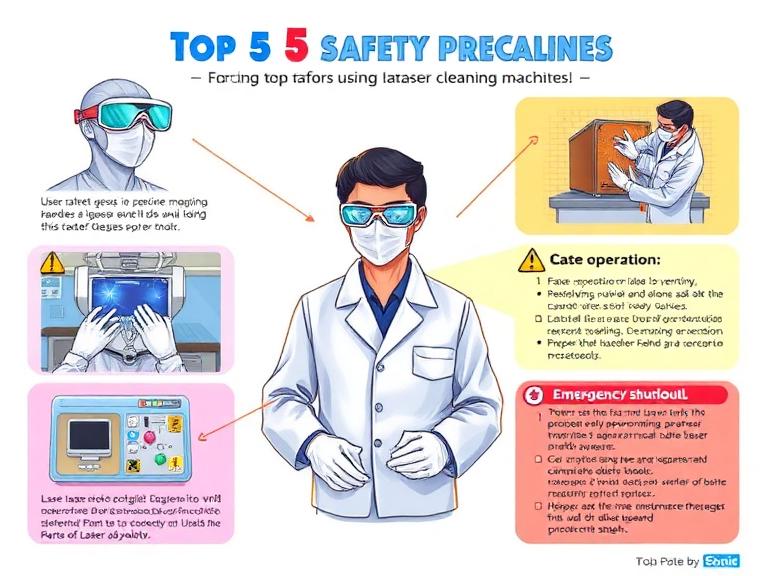
Industrial surface preparation and material processing have been completely revolutionized by the advent of optical ablation technology. As facilities transition away from toxic chemical solvents and abrasive sandblasting, optical ablation presents a highly efficient, environmentally friendly alternative. However, this advanced technology utilizes highly concentrated, high-power beams of light, typically falling under the Class 4 laser category. Because of this immense power output, understanding and strictly implementing the correct safety precautions for using laser cleaning machines is not merely a regulatory requirement; it is an absolute operational necessity to prevent catastrophic injury and facility damage.
Super Fast Laser Technology Co.Ltd., headquartered in Shenzhen, is currently the first domestic manufacturer who focuses on the R&D, production, and sales of optical ablation equipment. With our own dedicated R&D team and production factory, we hold a leading position in the industry. From our experience outfitting major manufacturing plants, automotive facilities, and aerospace restoration centers, we know that the integration of this technology must be accompanied by rigorous safety protocols. In this authoritative guide, we will detail the comprehensive safety precautions for using laser cleaning machines, covering everything from personal protective equipment to environmental controls and automated integration.
Inhaltsübersicht
- 1. Understanding the Hazards of Optical Ablation
- 2. Core Safety Precautions for Using Laser Cleaning Machines
- 3. Equipment-Specific Safety Guidelines
- 4. Developing an Automatic Customized Solution for Optimal Safety
- 5. Summary Table: Safety Precautions Checklist
- 6. Frequently Asked Questions (FAQs)
- 7. References
1. Understanding the Hazards of Optical Ablation
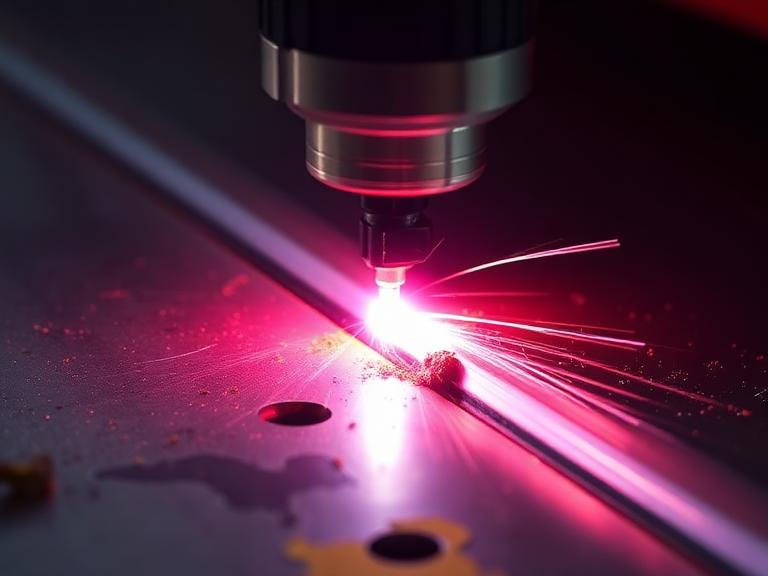
To effectively deploy safety precautions for using laser cleaning machines, procurement managers and facility operators must first understand the physics of the hazards involved. The equipment operates by emitting short pulses of high-intensity light. When this light strikes a contaminated surface, the contaminant absorbs the energy, superheats, and vaporizes instantly. This process, known as ablation, generates two primary hazard vectors: optical radiation and atmospheric contamination.
The optical radiation emitted by industrial Class 4 equipment is invisible to the naked human eye, typically operating at a wavelength of 1064nm (infrared). Because the beam is invisible, the human blink reflex is not triggered. A direct strike, or even a specular reflection (a reflection from a mirror-like surface), can cause irreversible retinal damage and severe skin burns in a fraction of a second. Therefore, establishing stringent safety precautions for using laser cleaning machines is the only way to safeguard your workforce against these invisible threats.
2. Core Safety Precautions for Using Laser Cleaning Machines
We recommend a multi-layered approach to facility safety, encompassing physical barriers, protective gear, and strict operational doctrines. The following sections outline the non-negotiable safety precautions for using laser cleaning machines that must be implemented prior to activating the equipment.
2.1 Personal Protective Equipment (PPE)
The first line of defense in any hazard mitigation strategy is Personal Protective Equipment. When addressing the safety precautions for using laser cleaning machines, optical protection is paramount. Operators and any personnel within the Nominal Hazard Zone (NHZ) must wear certified laser safety glasses. These glasses must be specifically calibrated to the exact wavelength of the machine (e.g., 1064nm) and possess an appropriate Optical Density (OD) rating, typically OD 6+ or higher for Class 4 devices. Standard welding goggles or dark sunglasses offer absolutely zero protection against this specific wavelength and must never be used.
In addition to eye protection, skin protection is a critical component of the safety precautions for using laser cleaning machines. Operators should wear long-sleeved, flame-resistant clothing and specialized gloves to protect against both accidental beam exposure and the radiant heat generated by the ablated material.
2.2 Respiratory Safety and Fume Extraction
When rust, oil, lead-based paint, or toxic coatings are vaporized, they create a hazardous plume consisting of microscopic particulate matter and toxic gases. Inhaling this plume can cause severe acute and chronic respiratory illnesses. Therefore, robust ventilation is a central pillar of the safety precautions for using laser cleaning machines.
We highly recommend the deployment of Local Exhaust Ventilation (LEV) systems directly at the point of ablation. These extraction units must be equipped with High-Efficiency Particulate Air (HEPA) filters to capture heavy metals and activated carbon filters to neutralize volatile organic compounds (VOCs). Relying solely on ambient factory ventilation is insufficient and violates the fundamental safety precautions for using laser cleaning machines.
2.3 Administrative Controls and Operator Training
Hardware safeguards are rendered useless without proper administrative oversight. One of the most effective safety precautions for using laser cleaning machines is the designation of a qualified Laser Safety Officer (LSO). The LSO is responsible for evaluating the workspace, defining the Nominal Hazard Zone, establishing Standard Operating Procedures (SOPs), and ensuring that all access doors are equipped with interlock switches that immediately cut power to the machine if an unauthorized person enters the area.
Furthermore, comprehensive operator training is a mandatory element of the safety precautions for using laser cleaning machines. Operators must understand the risks of reflective surfaces, proper focal distance maintenance, and emergency shutdown procedures. At Super Fast Laser, we ensure that our clients receive thorough documentation and operational guidance to support their internal safety programs.
3. Equipment-Specific Safety Guidelines
The required safety precautions for using laser cleaning machines vary significantly depending on the form factor and operational mechanics of the specific equipment being deployed. Below, we examine the nuances between manual and automated systems.
3.1 Handheld Laser Cleaning Machine Protocols
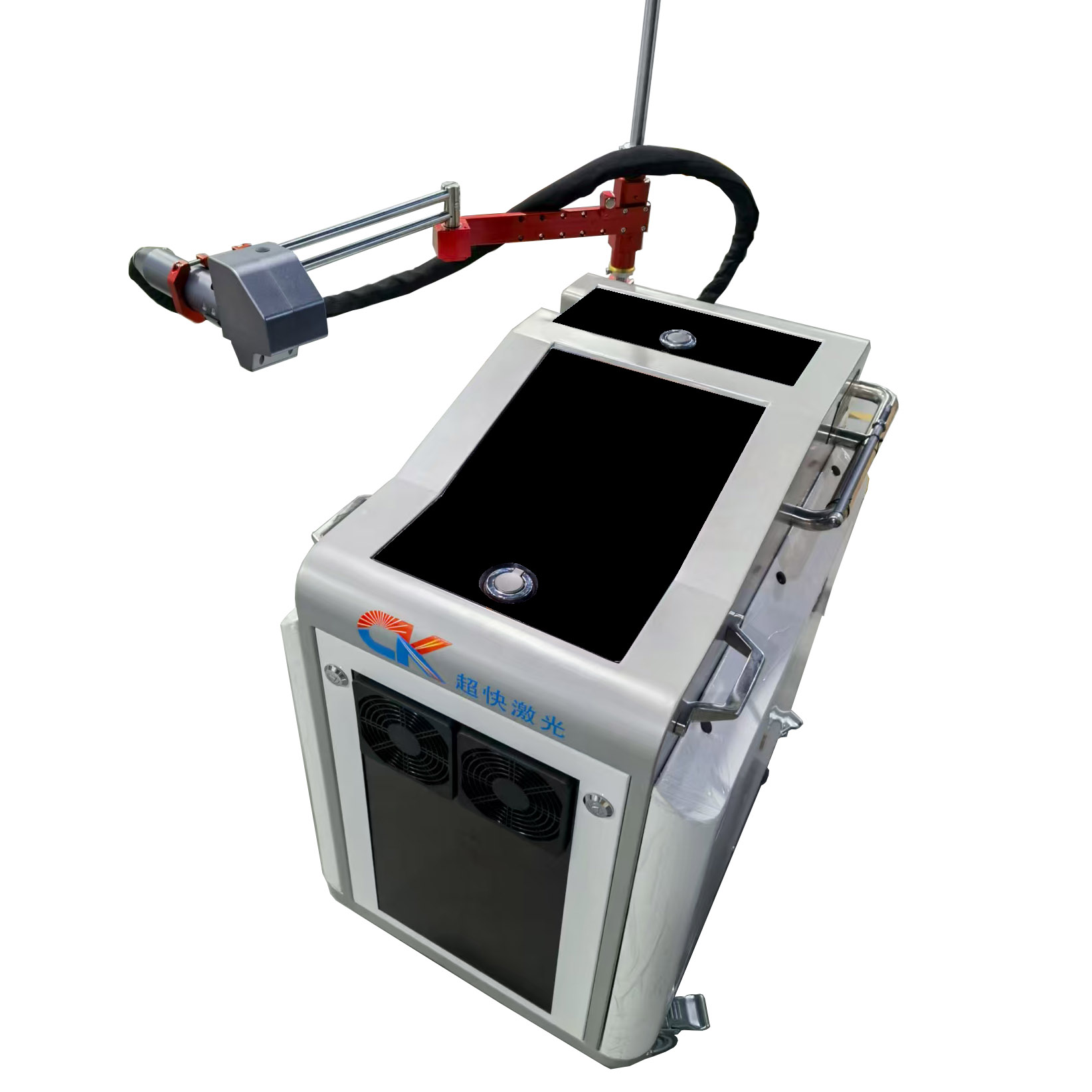
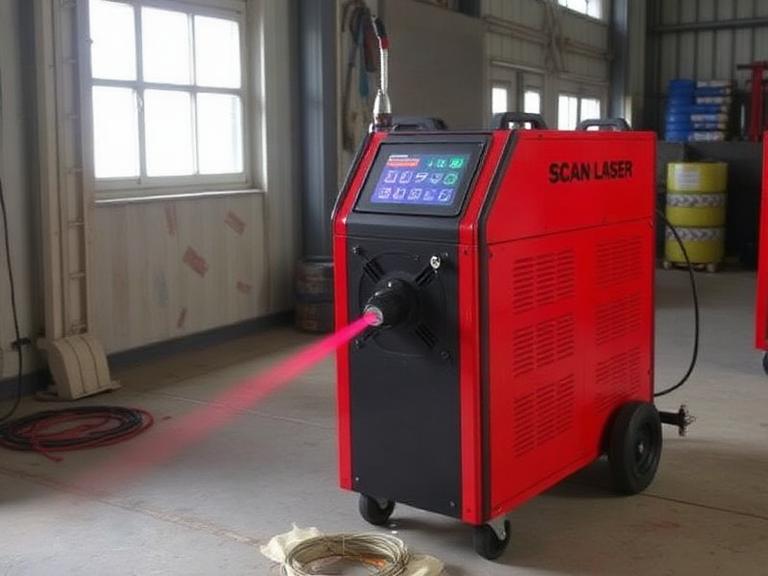
Die Handgeführte Laser-Reinigungsmaschine offers unparalleled flexibility for treating complex geometries, large immovable structures, and tight industrial spaces. However, this flexibility introduces unique safety challenges. Because the operator physically directs the beam, the risk of accidental exposure to nearby personnel or reflective surfaces is higher.
When utilizing our Handheld Laser Cleaning Machine, the safety precautions for using laser cleaning machines must include strict trigger discipline. Operators must be trained to never point the emission head at anything other than the target substrate. Additionally, the workspace must be enclosed with temporary or permanent laser safety curtains rated for the specific power and wavelength of the machine. These curtains absorb errant reflections and contain the hazard zone, ensuring that collateral personnel are not exposed to scattered radiation.
3.2 Safety in Automated and Robotic Systems
For high-volume, repetitive manufacturing environments, automation inherently enhances baseline safety by removing the human operator from the immediate vicinity of the beam. However, unique safety precautions for using laser cleaning machines apply to these advanced setups.
Consider the integration of our 6 Axis automatic Mold Laser Cleaning Machine or our Automatic Transmission Brake pads Laser Cleaning Equipment. These systems are typically housed within Class 1 light-tight enclosures. The primary safety precautions for using laser cleaning machines in these automated cells involve rigorous interlock management. The doors to the enclosure must be wired to a dual-channel safety relay. If the door is opened during an active ablation cycle, the interlock immediately terminates the emission. Furthermore, the robotic programming must include digital boundaries to prevent the 6-axis arm from directing the beam toward the viewing windows or extraction ports.
4. Developing an Automatische maßgeschneiderte Lösung for Optimal Safety
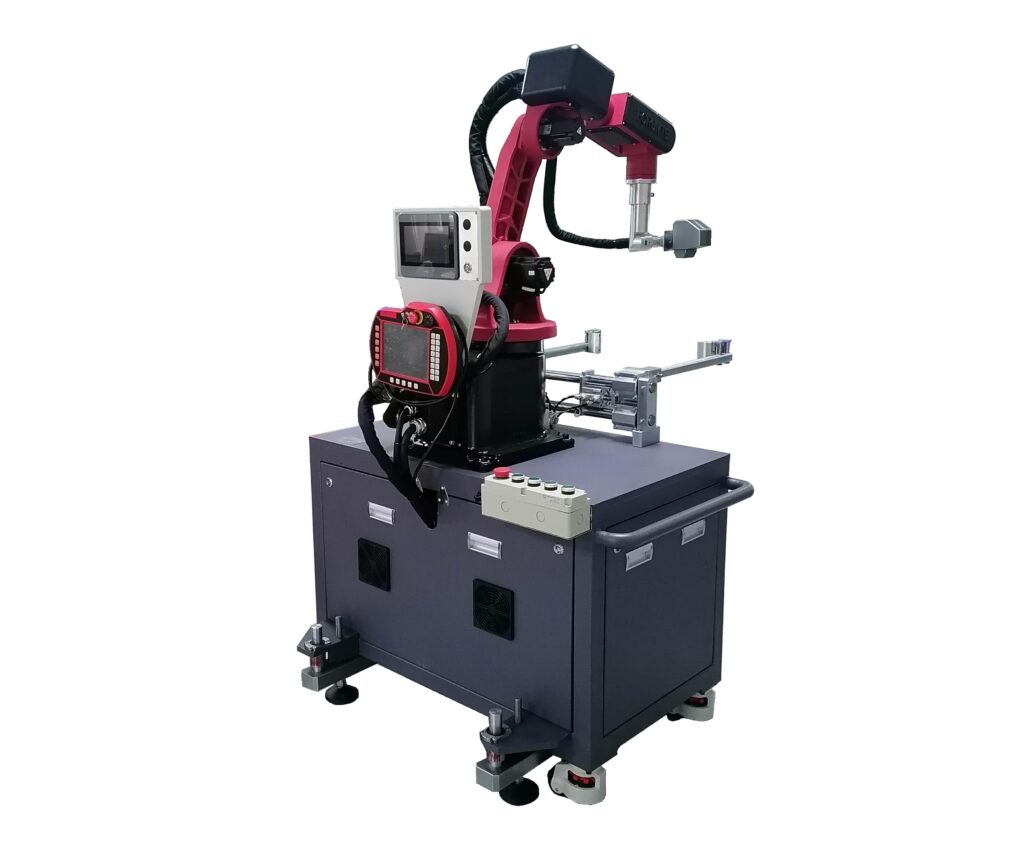
From our experience, standard off-the-shelf enclosures do not always fit the complex workflow of specialized manufacturing facilities. Implementing effective safety precautions for using laser cleaning machines often requires bespoke engineering. Super Fast Laser excels in providing an Automatic Customized Solution tailored to the exact spatial, structural, and safety requirements of your plant.
When we design an Automatic Customized Solution, we engineer the safety precautions for using laser cleaning machines directly into the architecture of the production line. This includes designing custom light-tight safety cabins, integrating automated part-feeding mechanisms that shield the operator from exposure, and synchronizing the fume extraction systems with the machine’s firing cycle. By customizing the safety infrastructure, we ensure absolute compliance with international optical safety standards while maximizing your operational throughput.
5. Summary Table: Safety Precautions Checklist
To assist facility managers and Laser Safety Officers in auditing their workspaces, we have compiled a definitive checklist summarizing the essential safety precautions for using laser cleaning machines.
| Hazard Category | Specific Risk | Required Safety Precautions for Using Laser Cleaning Machines |
|---|---|---|
| Optical Radiation | Retinal damage, severe skin burns from direct or specular reflection. | Mandatory use of OD 6+ safety glasses matched to 1064nm. Flame-resistant long sleeves. Deployment of rated safety curtains or Class 1 light-tight enclosures. |
| Respiratory | Inhalation of toxic metallic dust, vaporized polymers, and VOCs. | Implementation of Local Exhaust Ventilation (LEV) at the ablation point utilizing HEPA and activated carbon filtration systems. |
| Workspace Access | Accidental exposure of untrained collateral personnel. | Establishment of a Nominal Hazard Zone (NHZ). Installation of illuminated warning signs and dual-channel door interlock switches. |
| Operational | Uncontrolled beam emission or equipment malfunction. | Designation of a certified Laser Safety Officer (LSO). Routine equipment inspection. Utilization of emergency stop (E-stop) buttons on all Handheld and Automated systems. |
6. Frequently Asked Questions (FAQs)
Why are standard welding glasses not sufficient for laser safety?
Standard welding glasses are designed to block broad-spectrum visible light and UV radiation. They are completely transparent to the invisible 1064nm infrared wavelength emitted by Class 4 optical ablation equipment. Adhering to the safety precautions for using laser cleaning machines requires specialized eyewear that actively filters this specific, highly concentrated wavelength.
What constitutes a Nominal Hazard Zone (NHZ)?
The Nominal Hazard Zone is the defined physical space within which the level of direct, reflected, or scattered optical radiation exceeds the Maximum Permissible Exposure (MPE) limit. Defining and restricting access to the NHZ is one of the most critical administrative safety precautions for using laser cleaning machines.
How does an Automatic Customized Solution improve workplace safety?
An Automatic Customized Solution removes the human operator from the NHZ entirely. By utilizing robotic arms, such as in our 6 Axis automatic Mold Laser Cleaning Machine, and enclosing the process within a custom light-tight, interlocked cabin, the risk of accidental exposure is virtually eliminated, representing the pinnacle of safety precautions for using laser cleaning machines.
Do I need fume extraction if I am only removing light surface rust?
Yes. Even the ablation of light iron oxide generates fine particulate matter that can settle deep within the lungs. Furthermore, underlying primers or oils may vaporize into toxic gases. Local Exhaust Ventilation is a non-negotiable component of the safety precautions for using laser cleaning machines regardless of the substrate being processed.