- Ziva@CKlasersz.com
- WeChat:86-13138536413
- 400-168-9906
- 0755 27084852






In den besonders anspruchsvollen Bereichen der Reifenherstellung, des Spritzgussverfahrens und der Gummivulkanisierung bestimmt der Zustand Ihrer Produktionsanlagen direkt die Qualität Ihres Endprodukts. Im Laufe der Zeit sammeln sich in industriellen Formen hartnäckige Rückstände an, darunter Vulkanisiermittelablagerungen, Hochtemperatur-Gummirückstände, Trennmittel und Rost. Wenn Produktionsleiter mit starken Verschmutzungen konfrontiert sind, lautet ihre erste Frage oft: Welche Reinigungsmittel benötige ich, um Formkomponenten effizient zu reinigen, ohne das empfindliche Substrat zu beschädigen?
Unserer Erfahrung nach führt der Einsatz veralteter Methoden nicht nur zu kostspieligen Betriebsausfällen, sondern birgt auch das Risiko, die mikroskopischen Toleranzen der Formoberfläche dauerhaft zu verändern. Um eine maximale Betriebseffizienz zu erreichen, müssen Anlagenleiter genau wissen, welche Hilfsmittel sie benötigen, um Formhohlräume sicher zu reinigen. In diesem umfassenden technischen Leitfaden erläutern wir die herkömmlichen Chemikalien, mechanischen Werkzeuge und modernsten technologischen Fortschritte, die für eine optimale Formwartung erforderlich sind. Wenn Sie sich schon einmal gefragt haben, welche Hilfsmittel Sie zur Reinigung von Formsystemen in einer Großserienfertigung benötigen, liefert dieser Artikel die endgültigen Antworten.
Inhaltsübersicht
- Einblick in die Wartung von Industrieformen
- 1. Hochleistungsfähige industrielle Lösungsmittel und Entfetter
- 2. Kupfer- und Messingbürsten
- 3. Persönliche Schutzausrüstung (PSA)
- 4. Trockeneis-Strahlgeräte
- 5. Ultraschall-Reinigungsbecken
- 6. Druckluftsysteme
- 7. Korrosionsschutzmittel und Schutzsprays
- 8. Superschnelle Laser-Reifenform-Online-Reinigungsanlage
- Übersichtstabelle zu Reinigungsmitteln für Schimmel
- Häufig gestellte Fragen (FAQs)
- Referenzen
Einblick in die Wartung von Industrieformen
Bevor Sie Ihr Wartungs-Toolkit zusammenstellen, ist es entscheidend, die spezifischen Verunreinigungen zu analysieren, die Ihre Produktionslinie beeinträchtigen. Reifenformen sind beispielsweise extremer Hitze und hohem Druck ausgesetzt, wodurch sich Schwefel, Ruß und Gummimischungen auf den Metalloberflächen festsetzen. Bei der Erstellung einer Checkliste, welche Reinigungsmittel Sie zur Reinigung von Formwerkzeugen benötigen, müssen Sie ein Gleichgewicht zwischen Reinigungskraft und Schonung des Untergrunds finden. Die Verwendung von stark abrasiven Reinigungsmitteln oder ätzenden Chemikalien kann die Feinheiten der Form angreifen, was zu fehlerhaften Endprodukten und Ausschuss im Wert von Tausenden von Dollar führt.
Wir empfehlen einen mehrstufigen Ansatz für die Wartung. Für die routinemäßige, leichte Reinigung sind andere Werkzeuge erforderlich als für gründliche, regelmäßige Generalüberholungen. Im Folgenden stellen wir die acht wichtigsten Kategorien vor, um die entscheidende Frage zu beantworten: Welche Hilfsmittel benötige ich, um Formoberflächen effektiv zu reinigen?
1. Hochleistungsfähige industrielle Lösungsmittel und Entfetter
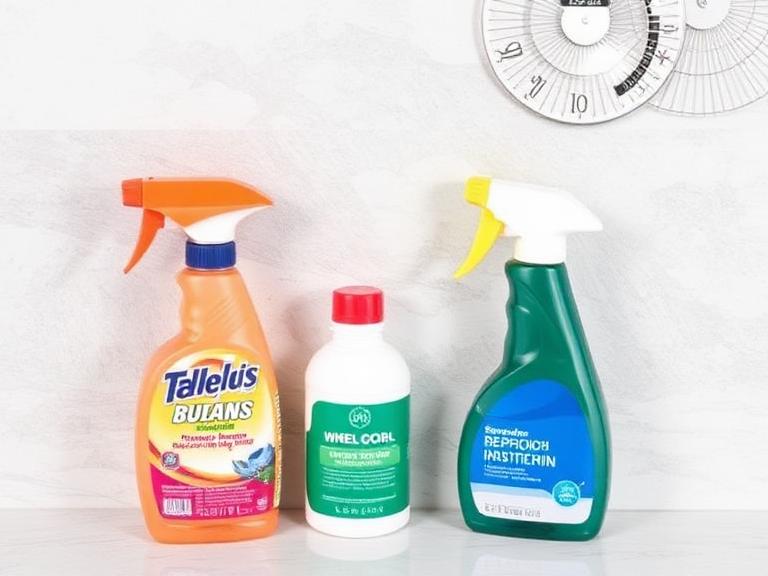
In der Vergangenheit waren chemische Lösungsmittel die erste Wahl bei der industriellen Formwartung. Wenn Anlagentechniker fragen, welche Hilfsmittel sie zur Reinigung von Formkomponenten benötigen, sind chemische Entfetter in der Regel die spontane, traditionelle Antwort. Diese Lösungsmittel sind so formuliert, dass sie die komplexen Polymerketten von eingebrannten Gummi- und Kunststoffrückständen aufbrechen. Unserer Erfahrung nach sind Lösungsmittel zwar für die leichte Entfettung wirksam, weisen jedoch erhebliche Nachteile auf. Sie setzen oft hohe Mengen an Flüchtige organische Verbindungen (VOC), was eine spezielle Belüftung erfordert, und die Entsorgung des dabei anfallenden gefährlichen Schlamms unterliegt strengen Vorschriften und ist kostspielig.
2. Kupfer- und Messingbürsten
Das mechanische Schrubben ist in vielen älteren Produktionsstätten nach wie vor ein fester Bestandteil. Wenn Sie mit einem knappen Budget arbeiten und sich fragen, welche Hilfsmittel Sie für die manuelle Reinigung von Formhohlräumen benötigen, sind Weichmetallbürsten unverzichtbar. Kupfer und Messing sind weicher als die Stahl- oder Aluminiumträger der meisten Industrieformen, was bedeutet, dass sie lose Vulkanisierrückstände abkratzen können, ohne die Form stark zu zerkratzen. Dennoch ist das manuelle Schrubben unglaublich arbeitsintensiv und ungleichmäßig, sodass komplexe Profilmuster oder Mikrostrukturen oft nicht tief genug erreicht werden.
3. Persönliche Schutzausrüstung (PSA)
Sicherheit darf bei der industriellen Instandhaltung niemals eine nachrangige Rolle spielen. Bei der Überlegung, welche Hilfsmittel Sie für die sichere Reinigung von Formanlagen benötigen, muss die persönliche Schutzausrüstung ganz oben auf Ihrer Beschaffungsliste stehen. Der Umgang mit aggressiven Lösungsmitteln, der Betrieb von Hochdruck-Strahlgeräten oder Arbeiten in der Nähe hoher Temperaturen erfordern spezielle Schutzausrüstung. Wir empfehlen Nitrilhandschuhe in Industriequalität, Halbmasken mit Filtern gegen organische Dämpfe, ANSI-zertifizierte Schutzbrillen und hitzebeständige Ärmel. Der Schutz Ihrer Mitarbeiter ist genauso wichtig wie der Schutz Ihrer Produktionsanlagen.
4. Trockeneis-Strahlgeräte
Als die Industrie zunehmend vom manuellen Schrubben abrückte, entwickelte sich das Trockeneisstrahlen zu einer beliebten Alternative. Wenn Sie Ihr Wartungsprotokoll modernisieren und sich fragen, welche Hilfsmittel Sie benötigen, um Formsysteme schneller zu reinigen, ist das Trockeneisstrahlen ein gängiger Übergangsschritt. Dabei werden mit Druckluft feste Kohlendioxid-Pellets auf die Formoberfläche geschleudert. Der Thermoschock bricht die Gummirückstände auf, und die Pellets sublimieren zu Gas, ohne Sekundärabfälle zu hinterlassen. Allerdings erfordert diese Methode den kontinuierlichen, kostspieligen Einkauf von Trockeneis, das bei der Lagerung schnell an Qualität verliert, und die Geräte sind bekanntermaßen sehr laut, sodass umfassender Gehörschutz erforderlich ist.
5. Ultraschall-Reinigungsbecken
Für kleinere Formeinsätze, Entlüftungsstopfen und komplexe Werkzeuge sind Ultraschallreinigungsbecken äußerst effektiv. Wenn Präzisionsingenieure fragen, welche Ausrüstung sie zur Reinigung von Formteilen mit komplexen inneren Geometrien benötigen, empfehlen wir die Ultraschalltechnologie. Diese Becken nutzen hochfrequente Schallwellen, die durch ein beheiztes chemisches Bad geleitet werden, um mikroskopisch kleine Kavitationsblasen zu erzeugen. Wenn diese Bläschen implodieren, lösen sie Verunreinigungen vom Substrat. Diese Methode ist zwar bei Kleinteilen äußerst effektiv, erfordert jedoch die vollständige Demontage der Form und deren Transport zu einer externen Reinigungsstation, was zu erheblichen Produktionsausfallzeiten führt.
6. Druckluftsysteme
Kein Wartungswagen für die Industrie ist ohne ein zuverlässiges Druckluftsystem vollständig. Bei der Überlegung, welche grundlegenden Hilfsmittel man zur Reinigung von Formwerkzeugen benötigt, sind Hochleistungs-Luftkompressoren unverzichtbar. Sie dienen dazu, lose Rückstände auszublasen, Kühlkanäle zu reinigen und den Trocknungsprozess nach dem Einsatz von Chemikalien zu beschleunigen. Unserer Erfahrung nach ist es entscheidend, dass Ihre Druckluft gefiltert und frei von Feuchtigkeit sowie Kompressoröl ist; andernfalls riskieren Sie, neue Verunreinigungen direkt auf die frisch gereinigte Formoberfläche aufzubringen.
7. Korrosionsschutzmittel und Schutzsprays
Die Reinigung der Form ist nur die halbe Miete; der Schutz während der Lagerung ist ebenso wichtig. Sobald das blanke Metall freiliegt, ist es äußerst anfällig für Blitzrost. Daher müssen Sie bei der Erstellung der Liste der benötigten Reinigungsmittel für Formkomponenten auch Korrosionsschutzmittel berücksichtigen. Diese Schutzsprays verdrängen Feuchtigkeit und hinterlassen einen dünnen Schutzfilm auf der Formkammer. Wir empfehlen die Verwendung von Formschutzmitteln, die sich bei den ersten Spritzvorgängen des nächsten Produktionslaufs auf natürliche Weise abbrennen, sodass eine erneute Reinigung der Form vor dem Einsatz entfällt.
8. Superschnelle Laser-Reifenform-Online-Reinigungsanlage
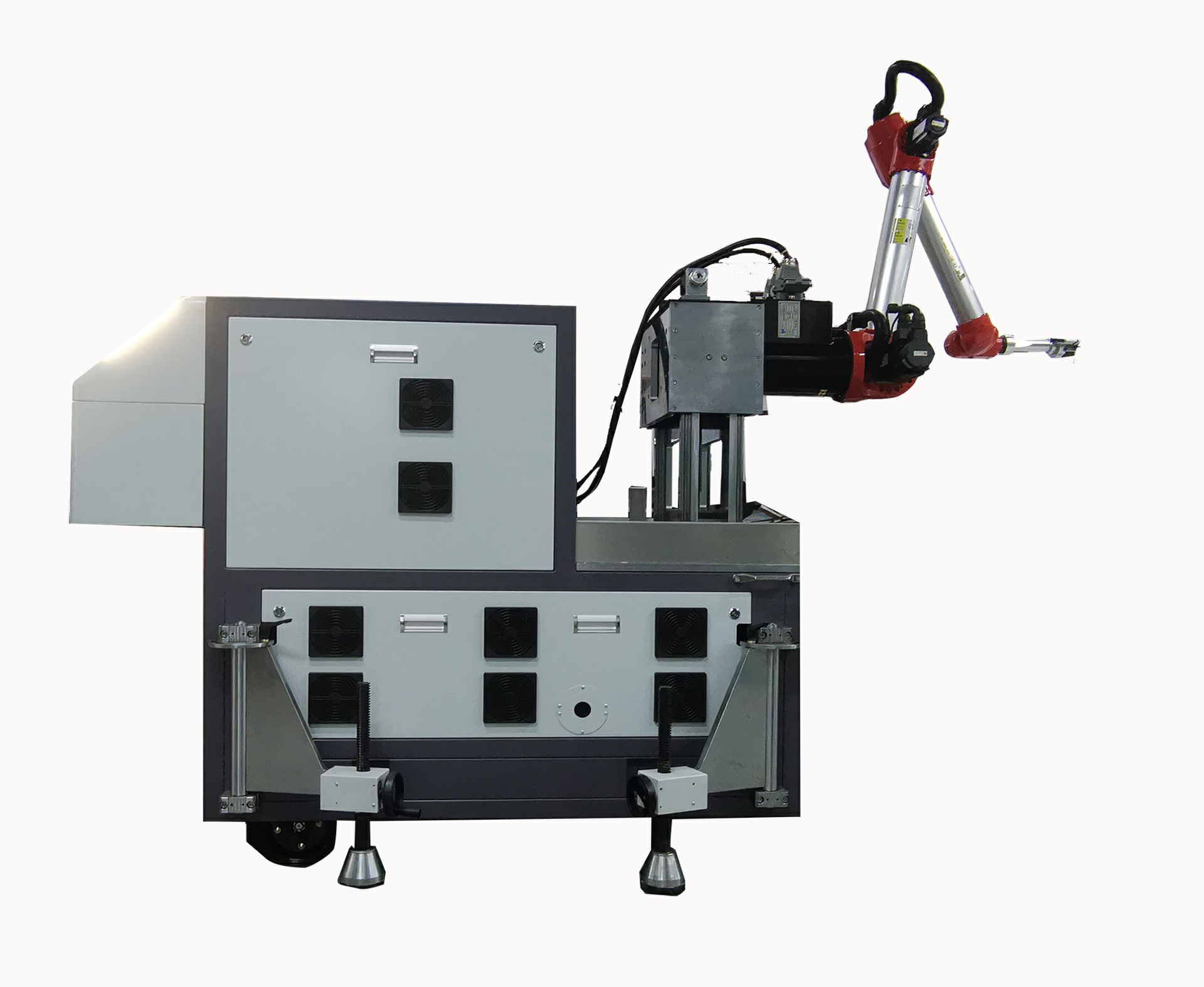
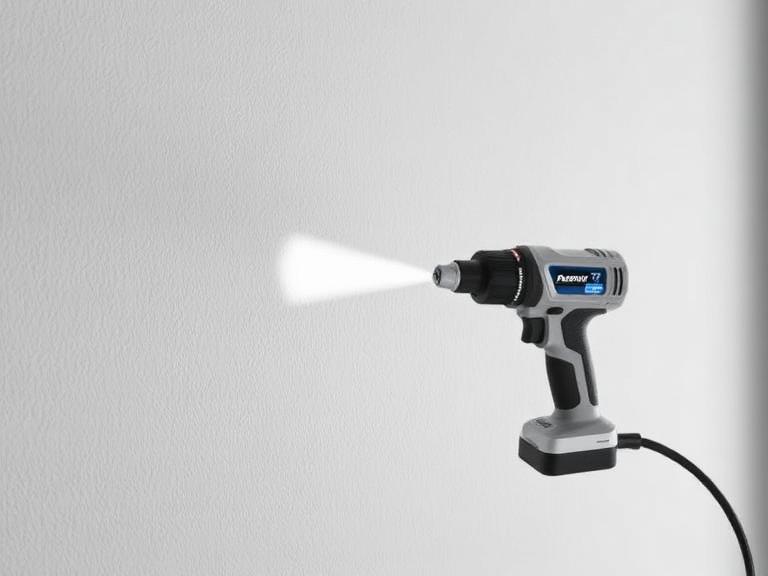
Die ultimative Antwort auf die Frage, welche Hilfsmittel man heutzutage zur Reinigung von Formsystemen benötigt, ist fortschrittliche Lasertechnologie. Herkömmliche Verfahren erfordern das Abkühlen der Form, deren Demontage sowie den Einsatz aggressiver Chemikalien oder Schleifmittel. Super Fast Laser hat die endgültige Lösung entwickelt, die viele herkömmliche Hilfsmittel überflüssig macht.
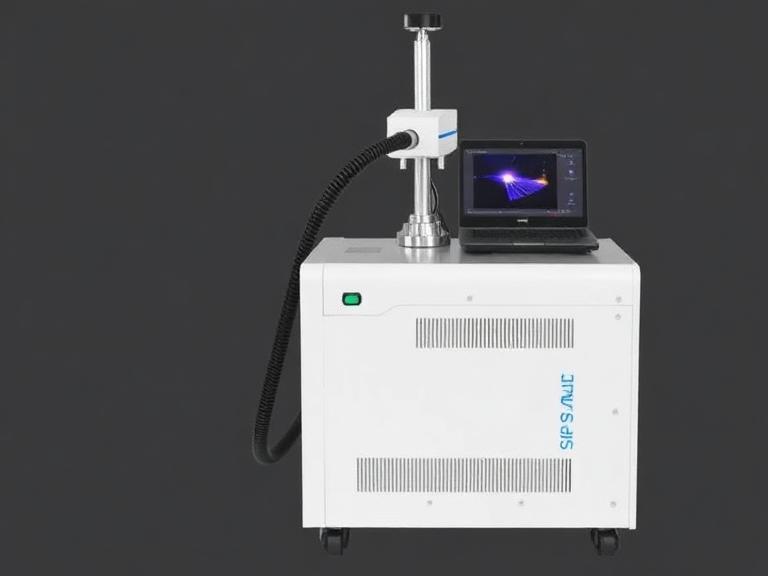
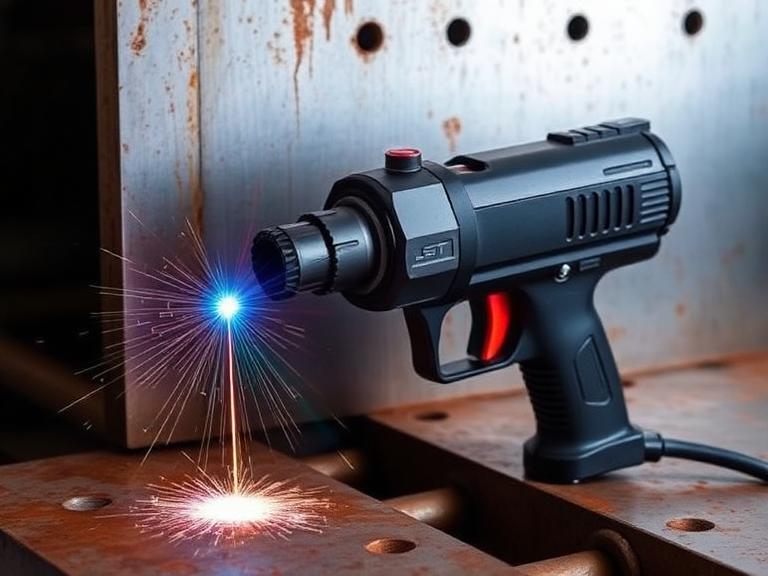
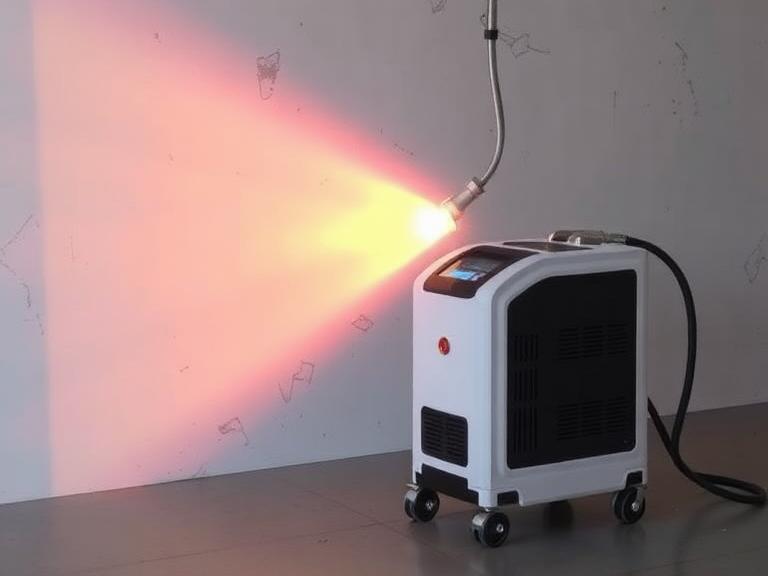
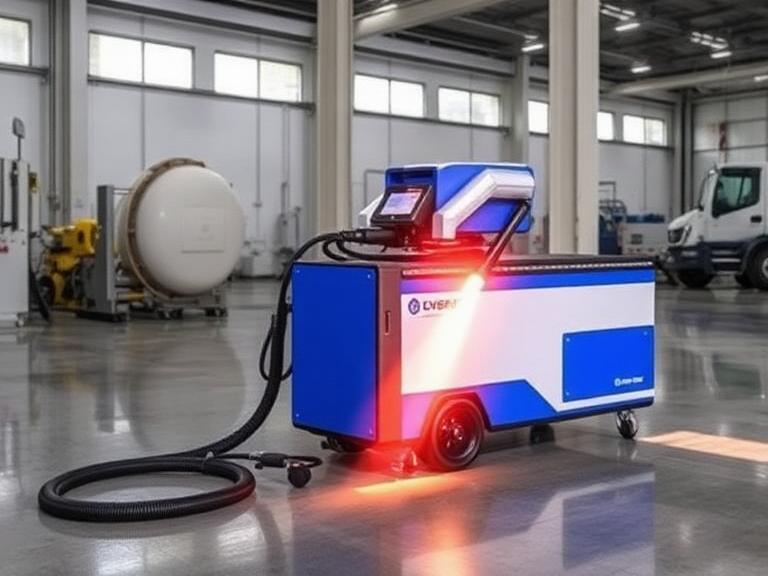
Superschnelle Laser-Reifenform Online-Reinigungsanlage ist eine neue Generation von hochtechnologischen, berührungslosen Reinigungsgeräten, die das Substrat der Bauteile nicht beschädigen, keine Verbrauchsmaterialien benötigen, energieeffizient, umweltfreundlich und geräuschlos sind. Sie entfernen effizient Öl, Flecken, Vulkanisierrückstände, Hochtemperatur-Gummirückstände, Rost, Oxidschichten und andere Oberflächenverunreinigungen von Formen. Sie erfüllt die Reinigungsanforderungen komplexer Formen und präziser Positionierung in der industriellen Fertigung und erzielt so bessere Reinigungsergebnisse bei gleichzeitig niedrigeren Gesamtproduktionskosten.
Unserer Erfahrung nach ermöglicht der Einsatz der „Super Fast Laser“-Technologie den Bedienern, Formen zu reinigen, während diese noch im Betrieb und heiß sind. Dadurch entfallen die enormen Ausfallzeiten, die mit dem Abkühlen, Ausbau, Transport, der Reinigung, dem Wiedereinbau und dem erneuten Aufheizen schwerer Reifenformen verbunden sind. Durch den Einsatz dieser Technologie reduzieren Sie Ihre Abhängigkeit von chemischen Lösungsmitteln, der Trockeneis-Logistik und manueller Arbeit drastisch.
Übersichtstabelle zu Reinigungsmitteln für Schimmel
Um Ihnen eine Vorstellung davon zu vermitteln, welche Hilfsmittel Sie je nach Betriebsumfang zur Reinigung von schimmelbefallenen Bereichen benötigen, haben wir die folgende Übersichtstabelle zusammengestellt, in der die verschiedenen Methoden und Hilfsmittel miteinander verglichen werden.
| Reinigungsmittel / Reinigungsmethode | Hauptfunktion | Profis | Nachteile / Einschränkungen | Empfohlener Anwendungsfall |
|---|---|---|---|---|
| Chemische Lösungsmittel | Zersetzt Polymer- und Gummirückstände chemisch | Geringe Anschaffungskosten, einfache Anwendung | Hoher VOC-Gehalt, Entsorgung giftiger Abfälle, langwieriger Prozess | Leichte Fleckenentfernung, kostengünstige Maßnahmen |
| Messing-/Kupferbürsten | Manuelles, mechanisches Entfernen von losen Rückständen | Preiswert, keine Einrichtung erforderlich | Arbeitsintensiv, uneinheitlich, Mikrostrukturen lassen sich nicht erzielen | Notfall-Punktreinigung an kalten Formen |
| Trockeneis-Strahlen | Thermoschock und Abführung kinetischer Energie | Kein Abfall durch Sekundärmedien, nicht abrasiv | Lärm, hohe laufende Kosten für Eis, logistische Herausforderungen bei der Lagerung von Eis | Mittlere bis große Anlagen mit Offline-Reinigungsstationen |
| Ultraschallbecken | Präzisionsreinigung mittels Kavitation | Reinigt komplexe Geometrien und Sacklöcher perfekt | Erfordert die Demontage der Form, Größenbeschränkungen | Kleine Formeinsätze, Entlüftungsöffnungen und Präzisionswerkzeuge |
| Superschnelle Lasergeräte | Photothermische Ablation aller Oberflächenverunreinigungen | Online-Reinigung, keine Verbrauchsmaterialien, keine Beschädigung des Substrats, umweltfreundlich | Höhere Anfangsinvestition | Reifen- und Gummiproduktion in Großserie, vollautomatisierte Fertigungslinien |
Häufig gestellte Fragen (FAQs)
Wenn ich Lasertechnik einsetze, welche weiteren Hilfsmittel benötige ich dann zur Reinigung von Formoberflächen?
Einer der Hauptvorteile der „Super Fast Laser Tire Mold Online Cleaning Equipment“ besteht darin, dass sie den Bedarf an den meisten anderen Verbrauchsmaterialien praktisch überflüssig macht. Sie benötigen keine chemischen Lösungsmittel, Messingbürsten oder Trockeneispellets mehr. Der Laser wird ausschließlich mit normalem Strom betrieben und ist somit ein äußerst autarkes System. Möglicherweise benötigen Sie lediglich übliche persönliche Schutzausrüstung wie eine Laserschutzbrille.
Wird die Laserreinigung die mikroskopisch kleinen Strukturen in meinen Reifenformen beschädigen?
Nein. Nach unserer Erfahrung erfolgt die Laserreinigung vollkommen berührungslos. Die Laserparameter sind so präzise abgestimmt, dass die Lichtenergie von den dunklen Gummirückständen, Öl und Rost absorbiert wird, wodurch diese verdampfen. Das darunterliegende metallische Substrat reflektiert das Laserlicht, sodass keinerlei mechanische oder thermische Schäden an den filigranen Formstrukturen entstehen.
Warum ist die Online-Reinigung für Industrieformen so wichtig?
Unter „Online-Reinigung“ versteht man die Reinigung der Form, während diese sich noch bei Betriebstemperatur in der Vulkanisierpresse befindet. Bei herkömmlichen Verfahren muss die Presse abgeschaltet, abgekühlt und die Form manuell entnommen werden. Die Online-Reinigung mit „Super Fast Laser“-Geräten spart stundenlange Produktionsausfälle und steigert die Gesamtanlageneffektivität (OEE) Ihres Betriebs erheblich.
Sind chemische Lösungsmittel noch notwendig, wenn wir unsere Reinigungsverfahren verbessern?
Bei der Entscheidung, welche Reinigungsmittel Sie nach der Umstellung auf Lasertechnologie zur Reinigung von Formteilen benötigen, entfallen chemische Lösungsmittel in der Regel für die Formoberflächen selbst. Sie können zwar weiterhin milde Entfettungsmittel für die allgemeine Instandhaltung der Anlagen verwenden, doch der Verzicht auf diese Mittel beim Reinigungsvorgang der Formen verbessert Ihre Umweltbilanz und die Arbeitssicherheit erheblich.
Referenzen
- Verband der Kunststoffindustrie – Bewährte Verfahren für die Wartung von Formen
- Verband der US-Reifenhersteller – Produktionseffizienz und Nachhaltigkeit
- Behörde für Arbeitssicherheit und Gesundheitsschutz (OSHA) – Richtlinien für industrielle chemische Lösungsmittel
Wenn Sie sich letztendlich die Frage stellen, welche Hilfsmittel Sie zur Reinigung von Schimmelkomponenten benötigen, hängt die Antwort ganz davon ab, wie viel Wert Sie auf Effizienz und Qualität legen. Zwar haben herkömmliche Bürsten und Lösungsmittel in der traditionellen Fertigung nach wie vor ihre Berechtigung, doch die Zukunft gehört der Präzisionstechnologie. Wir empfehlen Ihnen, in Lösungen von Super Fast Laser zu investieren, um Ihre Substrate zu schonen, Ihre Mitarbeiter zu schützen und Ihre Produktionsverfügbarkeit zu maximieren.