- Ziva@CKlasersz.com
- WeChat:86-13138536413
- 400-168-9906
- 0755 27084852






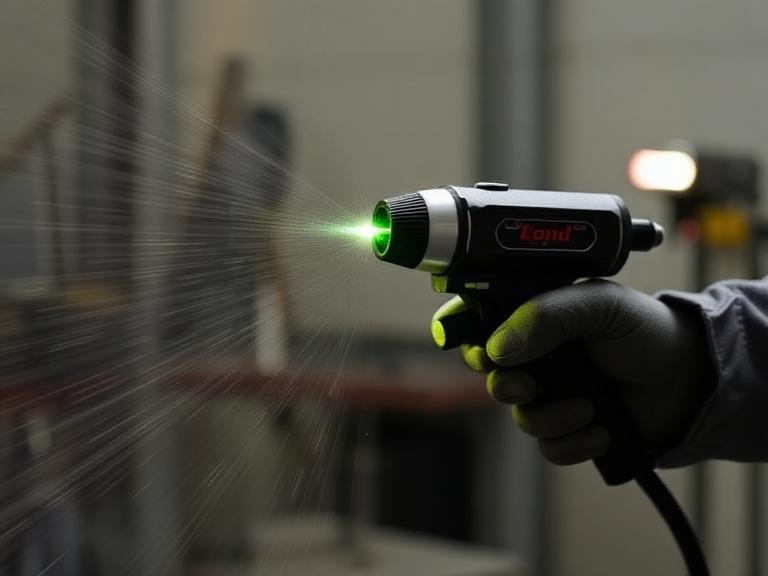
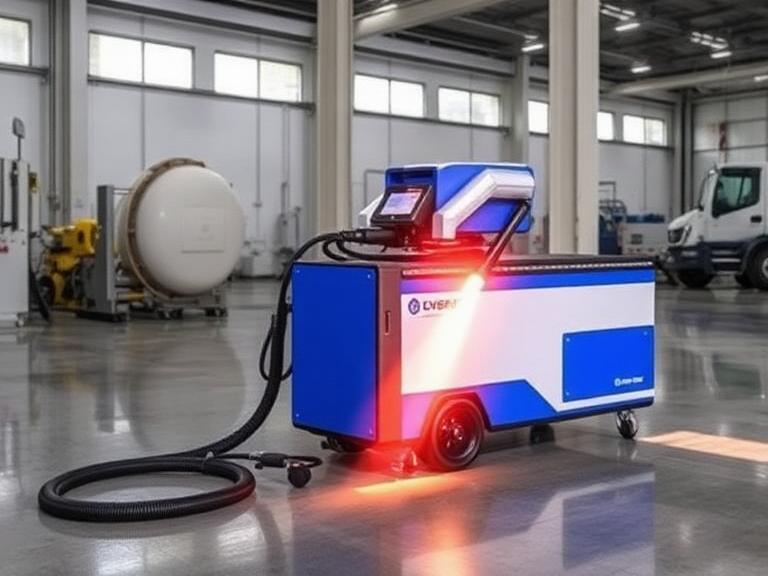
Die industrielle Reinigungsbranche hat im letzten Jahrzehnt einen gewaltigen Paradigmenwechsel erlebt. Herkömmliche Verfahren wie das abrasive Sandstrahlen, chemische Lösungsmittelbäder und das Trockeneisstrahlen werden aufgrund ihrer enormen Umweltbelastung, der hohen Verbrauchsmaterialkosten und der Gefahr von Substratbeschädigungen rasch ausgemustert. An ihre Stelle ist die Laserabtragungstechnologie getreten, die sich als der definitive Standard für die Oberflächenvorbereitung, Rostentfernung und das Abtragen von Beschichtungen etabliert hat. Folglich lautet die häufigste Frage, die wir von Facility-Managern, Führungskräften aus der Fertigung und Einkaufsleitern erhalten: Wie viel kostet eine Laserreinigungskanone auf dem heutigen Markt?
Verfasst von Superschneller Laser Technology Co., Ltd.
Mit Hauptsitz in Shenzhen sind wir der erste inländische Hersteller, der sich ausschließlich auf die Forschung und Entwicklung, die Produktion sowie den Vertrieb von Laserreinigungsgeräten konzentriert. Dank unseres engagierten hauseigenen Forschungs- und Entwicklungsteams und unserer hochmodernen Produktionsstätte nehmen wir eine führende Position im globalen Bereich der Laserreinigung ein.
Aus unserer Erfahrung als Pioniere der Branche wissen wir: Um die Frage zu beantworten, wie viel eine Laserreinigungs-Pistole kostet, muss man sich eingehend mit den spezifischen technologischen Architekturen befassen, die diese Maschinen auszeichnen. Im Jahr 2026 ist der Preis kein einheitlicher Wert mehr. Sie hängt stark von der Art der Laserquelle (Dauerstrich- oder gepulster Laser), der Ausgangsleistung, dem Grad der integrierten Automatisierung und der spezifischen industriellen Anwendung ab, für die die Anlage konzipiert ist. Ein leichtes Handgerät zur punktuellen Rostentfernung stellt eine ganz andere Investition dar als eine vollautomatisierte Roboterzelle, die für die Sanierung von Bauteilen in der Luft- und Raumfahrt entwickelt wurde.
In diesem maßgeblichen Leitfaden werden wir die Preisstrukturen der modernen Laserabtragungstechnologie unter die Lupe nehmen. Wir werden die zentralen Variablen untersuchen, die die Investitionskosten beeinflussen, die genauen Kostenbereiche für verschiedene Maschinentypen aufzeigen und darlegen, warum das Verständnis der Gesamtbetriebskosten (Total Cost of Ownership, TCO) weitaus entscheidender ist, als lediglich zu fragen, wie viel eine Laserreinigungskanone im Anschaffungspreis kostet. Wir empfehlen allen industriellen Einkäufern, diese Faktoren gründlich zu prüfen, um eine optimale Kapitalrendite (ROI) und betriebliche Effizienz sicherzustellen.
Inhaltsübersicht
- 1. Die technologische Landschaft der Laserreinigung im Jahr 2026
- 2. Wesentliche Faktoren, die die Preisgestaltung beeinflussen: Wie viel kostet eine Laser-Reinigungspistole?
- 3. Preisaufschlüsselung nach Maschinentyp und Anwendungsbereich
- 4. Gesamtbetriebskosten (TCO) im Vergleich zu den anfänglichen Investitionskosten
- 5. Übersichtstabelle: Durchschnittspreismatrix für Laser-Reinigungspistolen für das Jahr 2026
- 6. Häufig gestellte Fragen (FAQs)
- 7. Referenzen der Industrie
1. Die technologische Landschaft der Laserreinigung im Jahr 2026
Um genau zu verstehen, wie viel eine Laserreinigungskanone kostet, muss man zunächst die Weiterentwicklung der Technologie bis zum Jahr 2026 berücksichtigen. Frühe Versionen von Faserlaser-Reinigungsgeräten waren unerschwinglich teuer, wodurch ihr Einsatz streng auf margenstarke Sektoren wie die Luft- und Raumfahrt sowie die militärische Instandhaltung beschränkt war. Heute haben sich die Einstiegshürden dank bedeutender Fortschritte in der Glasfaserfertigung und der lokalen Diodenproduktion drastisch gesenkt, was den Zugang für mittelständische Fertigungsbetriebe, Kfz-Restaurierungswerkstätten und Wartungsteams für Schwermaschinen erleichtert.
Bei Super Fast Laser hat unser engagiertes Forschungs- und Entwicklungsteam jahrelang daran gearbeitet, die Strahlführungssysteme so zu optimieren, dass die Verunreinigungen die Energie maximal absorbieren, während sie vom darunterliegenden Substrat reflektiert wird. Diese selektive Photothermolyse gewährleistet, dass Rost, Farbe, Öl und Oxide verdampft werden, ohne die metallurgischen Eigenschaften des Grundmetalls zu verändern. Wenn Kunden uns fragen, wie viel eine Laserreinigungs-Pistole kostet, betonen wir, dass sie ein präzises optisches Instrument erwerben, das eine beschädigungsfreie Substratreinigung ermöglicht – und nicht bloß eine leistungsstarke Taschenlampe.
2. Wesentliche Faktoren, die die Preisgestaltung beeinflussen: Wie viel kostet eine Laser-Reinigungspistole?
Die Anschaffungskosten für ein Laserreinigungssystem sind nicht willkürlich festgelegt. Sie spiegeln direkt die internen Komponenten und den technischen Aufwand wider, der erforderlich ist, um konzentrierte photonische Energie sicher abzugeben. Um zu ermitteln, wie viel eine Laserreinigungskanone für Ihre spezifischen Anforderungen kostet, müssen wir drei wesentliche technische Kriterien bewerten.
2.1 Dauerstrich- (CW) und gepulste Laserquellen
Das wichtigste Preisunterscheidungsmerkmal auf dem Markt für Laserreinigung ist die Art der verwendeten Laserquelle. Dauerstrichlaser (CW-Laser) senden einen ununterbrochenen Lichtstrahl aus. Sie entfernen besonders schnell dicke Rost- und Zunder-Schichten von schweren Stahlplatten. Da der interne Aufbau eines CW-Lasers weniger komplex ist, sind sie deutlich kostengünstiger. Allerdings führen CW-Laser enorme Wärmemengen in das Substrat ein, was bei dünnen oder empfindlichen Materialien zu Mikroschmelzstellen, Verformungen oder metallurgischen Veränderungen führen kann.
Im Gegensatz dazu geben gepulste Laser Energie in unglaublich kurzen Impulsen mit hoher Spitzenleistung ab (gemessen in Nanosekunden). Dadurch kann die Verunreinigung die Energie absorbieren und verdampfen, bevor die Wärme auf das darunterliegende Metall übertragen wird. Dieser Vorgang wird als “kalte Ablation” bezeichnet. Nach unserer Erfahrung ist ein gepulster Laser bei der Reinigung von Spritzgussformen, historischen Artefakten oder dünnen Aluminiumkomponenten für die Luft- und Raumfahrt absolut unerlässlich. Da die Erzeugung stabiler Nanosekundenimpulse hochentwickelte Elektronik und hochwertige optische Komponenten erfordert, sind gepulste Lasersysteme naturgemäß teurer. Bei der Berechnung der Kosten für eine Laserreinigungskanone bestimmt die Wahl zwischen CW- und gepulster Technologie unmittelbar Ihre Preisklasse.
2.2 Ausgangsleistung und Wattzahl
Die zweite wichtige Variable ist die Leistung der Laserquelle. Die Leistung bestimmt die Bearbeitungsgeschwindigkeit. Eine 100-W-Maschine entfernt denselben Rost wie eine 1000-W-Maschine, benötigt dafür jedoch exponentiell mehr Zeit. Gepulste Systeme mit geringer Leistung (50 W bis 200 W) eignen sich ideal für die Präzisionsreinigung von Formen und die schonende Schweißnahtvorbereitung. Hochleistungs-CW-Systeme (1000 W bis 3000 W) kommen in Werften und im schweren Stahlbau zum Einsatz.
Wir empfehlen Ihnen, Ihren benötigten Durchsatz sorgfältig zu berechnen. Der Kauf eines 3000-W-Systems für gelegentliche Punktreinigungen ist eine massive Fehlallokation von Kapital, genauso wie der Kauf eines 100-W-Systems zum Entfernen von Schiffsfarbe vom Rumpf zu lähmenden betrieblichen Engpässen führen wird. Mit steigender Leistung steigen auch die Kosten für die internen Dioden, Glasfaserkabel und Wärmemanagementsysteme, was den Endpreis einer Laserreinigungskanone in die Höhe treibt.
2.3 Verarbeitungsqualität, Optik und Kühlsysteme
Ein Laser ist nur so effektiv wie die Linsen, die ihn bündeln. Hochwertige Fokussierlinsen, Galvanometerspiegel (die den Strahl hin und her schwenken, um das Reinigungsmuster zu erzeugen) und Schutzscheiben sind entscheidend für die Aufrechterhaltung der Strahlintegrität. Minderwertige Optiken verschlechtern sich unter hohen thermischen Belastungen, was zu einem Verlust der Reinigungsleistung und möglicherweise zu einem katastrophalen Ausfall der Laserpistole selbst führt.
Darüber hinaus ist die Kühlung von entscheidender Bedeutung. Während Systeme mit geringer Leistung luftgekühlt werden können, benötigt jede Maschine in Industriequalität mit einer Leistung von über 200 W einen robusten Zweikreis-Wasserkühler, um die optimale Betriebstemperatur der Laserquelle und der optischen Kanone aufrechtzuerhalten. Bei Super Fast Laser stellt unser Produktionswerk sicher, dass jedes Gerät mit Kältemaschinen in Industriequalität und hochwertiger Optik ausgestattet ist, wodurch eine Lebensdauer der Laserquelle von 100.000 Stunden garantiert wird. Bei der Bewertung des Preises einer Laserreinigungskanone von Billiganbietern liegen die versteckten Kosten oft in einer unzureichenden Kühlung und einem raschen Verschleiß der Optik.
3. Preisaufschlüsselung nach Maschinentyp und Anwendungsbereich
Um eine konkrete Antwort auf die Frage zu geben, wie viel eine Laserreinigungskanone im Jahr 2026 kostet, müssen wir uns die spezifischen Konfigurationen ansehen, die für verschiedene Industriezweige entwickelt wurden. Super Fast Laser bietet ein umfassendes Portfolio, das genau auf die jeweiligen betrieblichen Anforderungen zugeschnitten ist.
3.1 Handgeführte Laserreinigungssysteme

Für Anwendungen, bei denen Mobilität, Flexibilität und die Fähigkeit zur Reinigung komplexer Geometrien im laufenden Betrieb gefragt sind, ist die Handgeführte Laser-Reinigungsmaschine ist der Industriestandard. Diese Geräte verfügen über ein kompaktes Gehäuse, ein flexibles Glasfaserkabel (in der Regel 10 bis 15 Meter lang) und eine ergonomische Optikpistole.
Im Jahr 2026 kostet ein hochwertiges tragbares CW-Laserreinigungsgerät (mit einer Leistung von 1000 W bis 2000 W) in der Regel zwischen $5.000 und $12.000, was es zu einer unglaublich erschwinglichen Alternative zum herkömmlichen Sandstrahlen macht. Bei anspruchsvollen Anwendungen, die ein handgeführtes gepulstes Laserreinigungsgerät (im Leistungsbereich von 100 W bis 300 W) erfordern, treibt die technische Komplexität den Preis auf $15.000 bis $35.000. Diese Handgeräte sind der häufigste Einstiegspunkt, wenn Facility-Manager fragen, wie viel eine Laserreinigungs-Pistole kostet.
3.2 Automatische 6-Achsen-Laserreinigungsmaschine für Formen
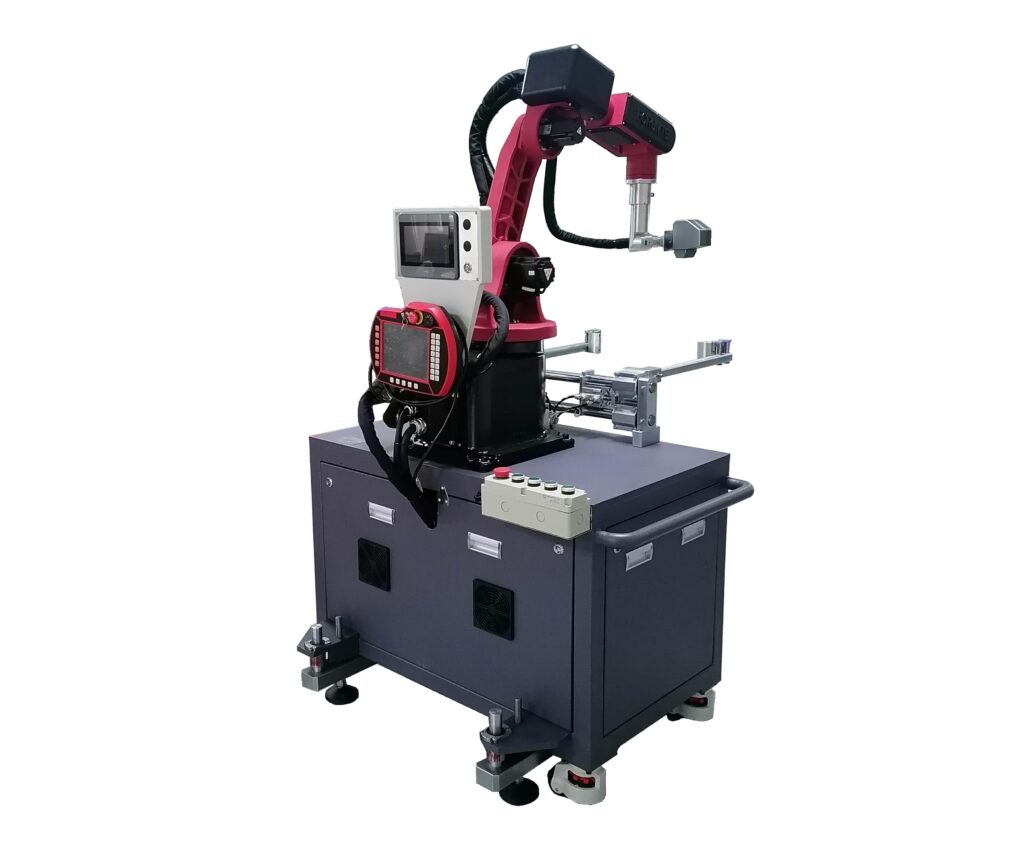
Die Reifenindustrie, die Kunststoffextrusionsindustrie und die Druckgussindustrie sind auf makellose Formen angewiesen. Die manuelle Reinigung mit Trockeneis oder Chemikalien ist zeitaufwendig und birgt die Gefahr menschlicher Fehler. Nach unserer Erfahrung ist der Einsatz von Robotik die optimale Lösung. Die 6-achsige automatische Laser-Reinigungsmaschine für Formen kombiniert eine hochpräzise gepulste Laserquelle mit einem Roboterarm und gewährleistet so einen vollkommen gleichmäßigen Reinigungsdurchgang, bei dem die Toleranzen der Form im Mikrometerbereich erhalten bleiben.
Da diese Systeme eine komplexe Software-Integration, Sicherheitsgehäuse, Roboterprogrammierung und 3D-Konturabtastsensoren erfordern, sind die Kosten deutlich höher. Je nach Größe der Roboterzelle und der Laserleistung liegen die Kosten für diese automatisierten Lösungen zwischen $60.000 und über $150.000. Zwar sind die anfänglichen Investitionskosten hoch, doch führt der Wegfall des Verschleißes an den Formen zu einer schnellen Amortisation.
3.3 Laserreinigungsanlagen für Bremsbeläge von Automatikgetrieben
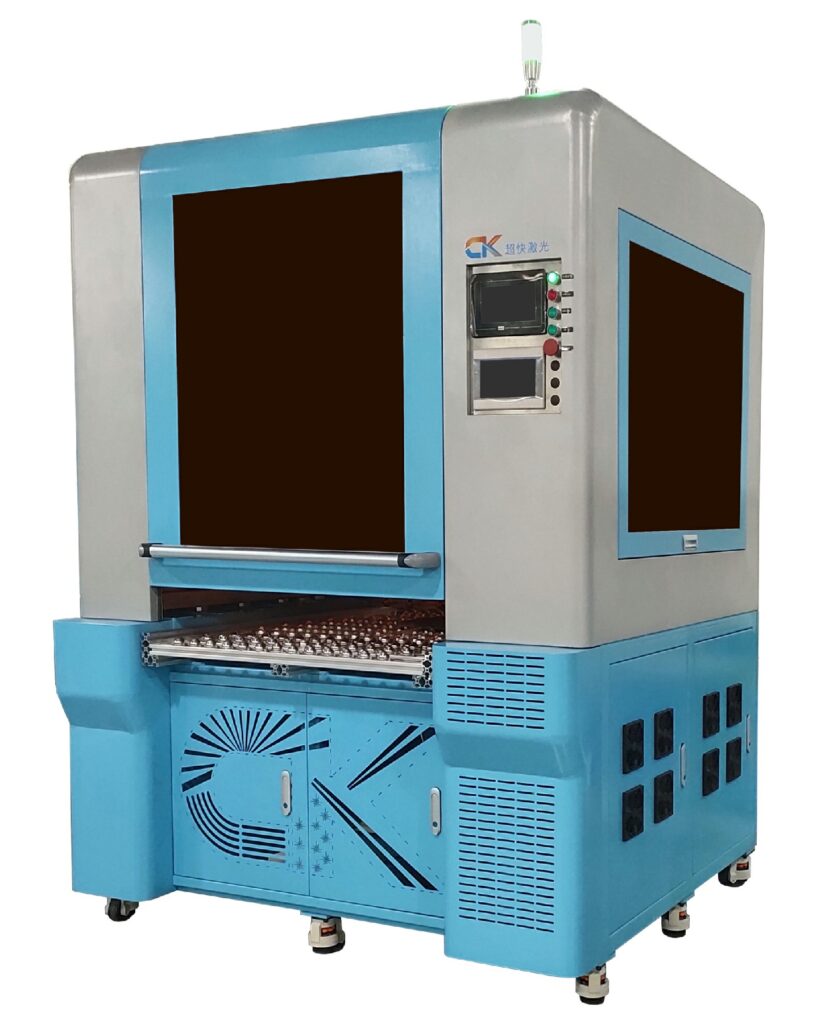
In der Großserienfertigung der Automobilindustrie erfordern bestimmte Bauteile spezielle Inline-Lösungen. Die Automatikgetriebe Bremsbeläge Laser-Reinigungsgeräte ist eine Spezialanlage, die dazu dient, Bindemittel, Oxide und Oberflächenverunreinigungen von Bremsbelagträgerplatten vor dem Aufbringen des Reibmaterials zu entfernen. Dies gewährleistet maximale Haftung und verhindert einen katastrophalen Bremsausfall.
Diese Anlagen werden direkt in bestehende Fördersysteme integriert. Da sie in einer Umgebung mit hohem Durchsatz im Dauerbetrieb arbeiten, erfordern sie robuste CW-Laser und maßgeschneiderte optische Abtastköpfe. Wenn Automobilingenieure fragen, wie viel eine Laserreinigungskanone für die Inline-Integration kostet, liegen die Kosten für diese spezialisierten schlüsselfertigen Systeme in der Regel zwischen $40.000 und $85.000, abhängig von der erforderlichen Fördergeschwindigkeit und dem Automatisierungsgrad.
3.4 Automatische, maßgeschneiderte Lösungen
Keine zwei Produktionsanlagen sind identisch. Oftmals können Standardgeräte von der Stange die räumlichen Einschränkungen oder spezifischen metallurgischen Herausforderungen einer einzigartigen Produktionslinie nicht bewältigen. Super Fast Laser zeichnet sich durch die Bereitstellung automatisierter, maßgeschneiderter Lösungen aus. Unser Forschungs- und Entwicklungsteam arbeitet direkt mit den Ingenieuren unserer Kunden zusammen, um maßgeschneiderte optische Ausgabeköpfe zu entwickeln, Bildverarbeitungssysteme zur Qualitätskontrolle zu integrieren und komplexe SPSen (speicherprogrammierbare Steuerungen) zu programmieren.
Bei maßgeschneiderten technischen Lösungen erfordert die Beantwortung der Frage, wie viel eine Laserreinigungskanone kostet, eine umfassende Standortbegutachtung. Maßgefertigte automatisierte Portalbahnen, spezielle Gehäuse für den Einsatz in gefährlichen Umgebungen und die Synchronisation mehrerer Laser können die Projektkosten von $100.000 in den Bereich von mehreren Millionen Dollar treiben – insbesondere bei groß angelegten Anwendungen in der Luft- und Raumfahrt oder bei der Dekontamination im Nuklearbereich.
4. Gesamtbetriebskosten (TCO) im Vergleich zu den anfänglichen Investitionskosten
Ein fataler Fehler in der industriellen Beschaffung ist die übermäßige Fixierung auf den ursprünglichen Listenpreis. Bei der Beurteilung der Kosten einer Laserreinigungskanone müssen Sie die Gesamtbetriebskosten (TCO) berechnen. Herkömmliche Sandstrahlgeräte sind zwar günstig in der Anschaffung, verursachen jedoch exorbitante Betriebskosten. Man muss ständig Strahlmittel nachkaufen, für die Entsorgung von gefährlichem Sekundärabfall (dem kontaminierten Sand) aufkommen, große Luftkompressoren warten und die Verpflichtungen zur Einhaltung von Umweltvorschriften in Kauf nehmen.
Ein Laserreinigungssystem kehrt dieses Wirtschaftsmodell um. Die Anfangsinvestition ist zwar höher, doch die Betriebskosten liegen praktisch bei null. Es gibt keine Verbrauchsmaterialien. Die einzigen Anforderungen sind Strom für den Betrieb des Kühlaggregats und der Laserdioden sowie der gelegentliche Austausch der kostengünstigen optischen Schutzlinsen. Da es sich bei der Laserreinigung zudem um ein trockenes, berührungsloses Verfahren handelt, fallen keine Sekundärabfälle an, die entsorgt werden müssen, und es ist weder eine Abdeckung noch eine Demontage benachbarter Maschinen erforderlich.
Wir empfehlen die Durchführung einer gründlichen ROI-Analyse. Nach unserer Erfahrung amortisiert sich die Investition in ein handgeführtes Laserreinigungsgerät für Betriebe, die von chemischer Abbeizung oder Sandstrahlen auf dieses Verfahren umsteigen, in der Regel innerhalb von 8 bis 14 Monaten allein durch Einsparungen bei Verbrauchsmaterialien und Gebühren für die Entsorgung von Sondermüll. Sobald sich das Gerät amortisiert hat, schlagen sich die betrieblichen Einsparungen direkt als reiner Gewinn nieder.
5. Übersichtstabelle: Durchschnittspreismatrix für Laser-Reinigungspistolen für das Jahr 2026
Um den Beschaffungsteams eine übersichtliche und leicht überfliegbare Orientierungshilfe zu bieten, haben wir die durchschnittlichen Marktpreise für das Jahr 2026 auf der Grundlage der Maschinenarchitektur und des Verwendungszwecks zusammengestellt.
| Maschinentyp und Technologie | Laserquelle | Durchschnittlicher Leistungsbereich | Geschätzte Preisspanne für 2026 (USD) | Primäre industrielle Anwendung |
|---|---|---|---|---|
| Handgeführtes Laserreinigungsgerät (CW) | Kontinuierliche Welle | 1000W - 3000W | $5,000 – $18,000 | Entfernung von starkem Rost, Wartungsarbeiten in der Werft, Abbeizen von Baustahl. |
| Handgeführtes Laserreinigungsgerät (gepulst) | Gepulst (Nanosekunde) | 50W - 500W | $15,000 – $45,000 | Präzisionsreinigung von Formen, Restaurierung historischer Objekte, Verbundwerkstoffe für die Luft- und Raumfahrt. |
| 6-achsige automatische Laser-Reinigungsmaschine für Formen | Puls- und Dauerstrich-Hybrid | 200W - 1000W | $60,000 – $150,000+ | Automatische Reinigung von Reifenformen, Wartung von Druckgussformen. |
| Automatikgetriebe Bremsbeläge Laser-Reinigungsgeräte | Kontinuierliche Welle | 1500 W – 2000 W | $40,000 – $85,000 | Inline-Vorbereitung von Automobilkomponenten und Entfernung von Oxidschichten. |
| Automatische maßgeschneiderte Lösung | Variabel | Variabel | $100,000 – $500,000+ | Maßgeschneiderte Dekontaminationslösungen für den Nuklearbereich, kundenspezifische Portalkrane für die Luft- und Raumfahrt, spezialisierte Fertigungslinien. |
6. Häufig gestellte Fragen (FAQs)
Warum gibt es einen so großen Preisunterschied zwischen CW- und gepulsten Laserreinigern?
Der Preisunterschied liegt in der internen Elektronik und der optischen Technik begründet. Ein Dauerstrichlaser (CW-Laser) sendet einen konstanten Lichtstrahl aus, dessen Konstruktion relativ einfach ist. Ein gepulster Laser muss enorme Energiemengen aufbauen und diese in Nanosekundenbruchteilen freisetzen, was eine hochentwickelte Q-Switch- oder MOPA-Architektur (Master Oscillator Power Amplifier) erfordert. Wenn Sie fragen, wie viel eine Laserreinigungskanone kostet, bezahlen Sie für die fortschrittliche Technik, die erforderlich ist, um eine kalte Ablation ohne Beschädigung des Substrats zu erreichen.
Benötigt eine Laser-Reinigungspistole teure Verbrauchsmaterialien?
Nein. Im Gegensatz zum Sandstrahlen oder zu chemischen Bädern ist die Laserreinigung ein berührungsloses Verfahren, bei dem keine Verbrauchsmaterialien anfallen. Die einzigen wiederkehrenden Kosten sind der Stromverbrauch und der gelegentliche Austausch der Schutzabdeckung an der Vorderseite der Pistole (die in der Regel weniger als $10 pro Stück kostet). Gerade weil keine Verbrauchsmaterialien anfallen, amortisieren sich diese Maschinen so schnell.
Kann ich ein 2000-W-CW-Handlaser-Reinigungsgerät zur Reinigung empfindlicher Spritzgussformen verwenden?
Wir raten dringend davon ab. Ein 2000-W-CW-Laser führt eine enorme Menge an kontinuierlicher Wärmeenergie in den Zielbereich ein. Bei der Anwendung auf einer Präzisionsspritzgussform kann die Wärmeeinflusszone (HAZ) zu Mikroverformungen führen, wodurch die Toleranzen der Form effektiv zunichte gemacht werden. Für empfindliche Formen ist ein gepulster Laser mit geringerer Leistung unbedingt erforderlich.
Wie unterstützt Super Fast Laser seine automatisierten Systeme nach der Installation?
Als erster inländischer Hersteller, der sich ausschließlich auf diese Technologie konzentriert, bieten unsere Forschungs-, Entwicklungs- und Ingenieurteams umfassenden weltweiten Support. Von der Installation der automatischen 6-Achsen-Laserreinigungsmaschine für Formen bis hin zur Programmierung der SPS für eine maßgeschneiderte Automatisierungslösung stellen wir sicher, dass unsere Kunden direkten Zugang zu technischen Fehlerbehebungs- und vorbeugenden Wartungsprotokollen auf Werksniveau haben.
7. Referenzen der Industrie
Um ein tieferes Verständnis der physikalischen Grundlagen der Laserablation, der Umweltvorschriften und der Arbeitsschutzvorschriften im Zusammenhang mit dem industriellen Lasereinsatz zu erlangen, empfehlen wir, sich an die folgenden maßgeblichen Stellen zu wenden:
- Institute of Electrical and Electronics Engineers (IEEE) – Forschung im Bereich Photonik und Laserablation
- US-Umweltschutzbehörde (EPA) – Leitlinien zur Reduzierung von gefährlichen Abfällen bei der industriellen Reinigung
- Behörde für Arbeitssicherheit und Gesundheitsschutz (OSHA) – Richtlinien zu Gefahren durch Laser
- Laser Institute of America (LIA) – Normen für Lasersicherheit und -anwendungen in der Industrie