- Ziva@CKlasersz.com
- WeChat:86-13138536413
- 400-168-9906
- 0755 27084852




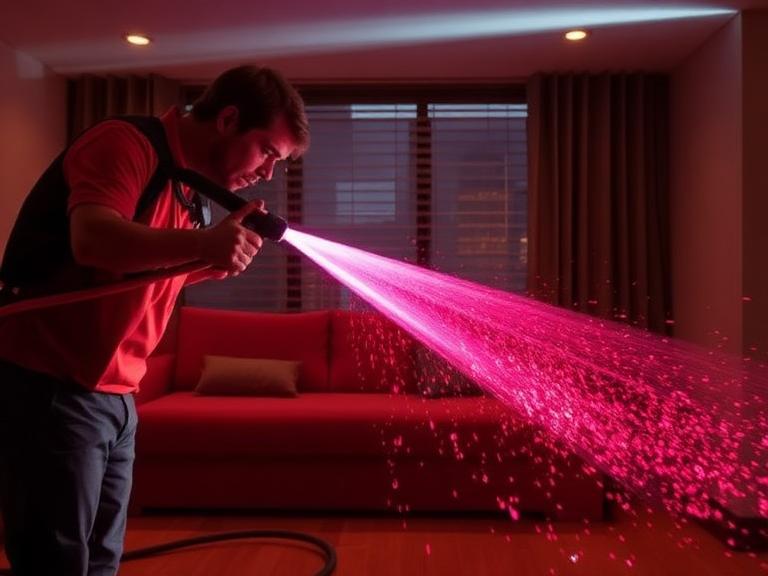
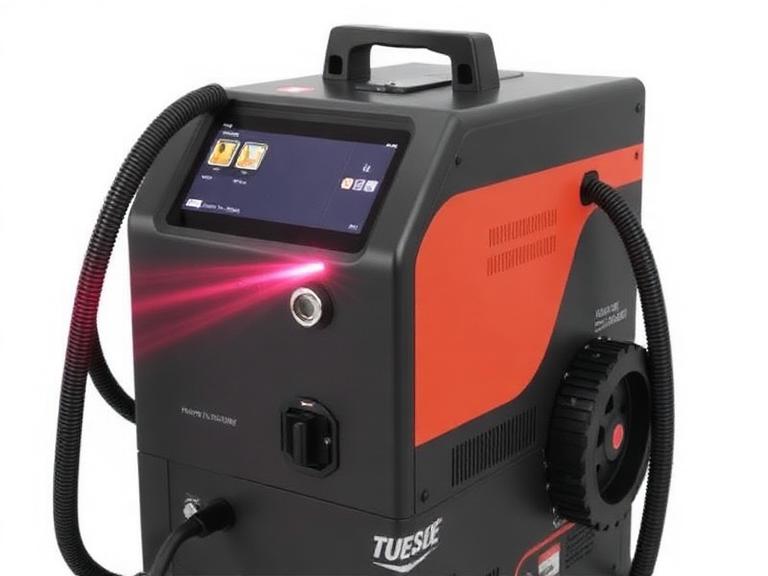
In the industrial surface treatment sector, the shift from traditional abrasive methods to photonic solutions is accelerating. For decades, sandblasting and chemical solvents were the gold standards. However, environmental regulations and the need for precision have pushed laser technology to the forefront. A frequent question we encounter from facility managers and manufacturing engineers is: What can laser cleaners remove? The answer goes far beyond simple rust removal. Laser cleaning technology has matured into a versatile tool capable of stripping complex contaminants without damaging the substrate.
From our experience at Super Fast Laser Technology Co.Ltd., headquartered in Shenzhen, the capabilities of modern laser systems are often underestimated. As the first domestic manufacturer focusing on the R&D and production of laser cleaning machines, we have observed a massive expansion in application scenarios. Whether it is removing microns-thick oxidation from aerospace components or stripping heavy grease from automotive molds, the laser is becoming the universal solvent of the 21st century. This article provides a definitive, expert analysis of the materials and contaminants that laser ablation can effectively remove.
Inhaltsübersicht
- 1. Rust and Metal Oxides: The Primary Application
- 2. Paint and Industrial Coatings Removal
- 3. Oil, Grease, and Hydrocarbon Residues
- 4. Industrial Mold Contaminants (Rubber and Tire)
- 5. Pre-Weld and Post-Weld Treatment
- 6. Automation vs. Manual: Choosing the Right Tool
- 7. What Lasers Cannot Remove (Limitations)
- 8. Summary Comparison Table
- 9. Frequently Asked Questions
- 10. Referenzen
1. Rust and Metal Oxides: The Primary Application
When asking what can laser cleaners remove, the most immediate and common answer is rust. However, in a professional context, we must distinguish between different levels of oxidation. Laser cleaning uses the principle of ablation, where the contaminant absorbs the laser energy and vaporizes, while the reflective metal substrate remains cool and unaffected.
Surface Rust vs. Deep Scale
For light surface rust (flash rust), a Handgeführte Laser-Reinigungsmaschine is exceptionally efficient. It can clear large surface areas in minutes, leaving a bare metal finish ready for coating. For deep scale or heavy corrosion found in maritime or heavy industrial environments, pulsed fiber lasers are required. These lasers deliver high-peak power pulses that create a plasma burst, shattering the oxide layer.
We recommend laser cleaning over sandblasting for rust removal specifically because it preserves the geometry of the part. In sandblasting, the abrasive media removes base metal along with the rust, which is unacceptable for precision components. Laser cleaning removes only the oxide.
2. Paint and Industrial Coatings Removal
Paint stripping is perhaps the most chemically hazardous process in industrial maintenance. Laser cleaning offers a dry, chemical-free alternative. But what can laser cleaners remove in terms of paint? The answer ranges from delicate historic varnishes to heavy-duty marine epoxy.
Selective Layer Removal
One of the unique advantages we have engineered into our systems at Super Fast Laser Technology Co.,Ltd. is selective stripping. By adjusting the pulse frequency and power, operators can remove the top coat of paint while leaving the primer intact. This is critical in the aerospace industry, where the primer protects the composite or aluminum skin. Chemical strippers are binary—they remove everything or nothing. Lasers offer depth control.
This capability extends to:
- Powder Coating: Removing thick, baked-on powder coats from hooks and fixtures.
- E-Coating: Stripping electrophoretic deposition from rejected parts for reworking.
- Phosphate Layers: Cleaning surfaces prior to bonding.
3. Oil, Grease, and Hydrocarbon Residues
In the automotive and machining sectors, removing oil and grease is a daily necessity. Traditional methods involve solvent baths, which create hazardous waste. Laser cleaning vaporizes organic hydrocarbons instantly.
The Brake Pad Application
A specific application where we have established a leading position is in the cleaning of brake pads and transmission components. Our Automatikgetriebe Bremsbeläge Laser-Reinigungsgeräte is designed to remove the glazing, oil residues, and manufacturing byproducts from friction materials. This ensures optimal friction coefficients and safety performance.
When asking what can laser cleaners remove regarding oils, it is important to note that thick, pooling grease should be wiped manually first. The laser is best suited for the thin films and stubborn residues that solvents miss. It provides a “chemically clean” surface ideal for bonding or welding.
4. Industrial Mold Contaminants (Rubber and Tire)
Mold cleaning is a critical bottleneck in manufacturing. Molds for tires, rubber seals, and injection plastics accumulate release agents and product residue over time. This fouling alters the dimensions of the final product and ruins the surface finish.
Non-Contact Mold Cleaning
Traditional mold cleaning involves dry ice blasting or manual scrubbing, which is abrasive and wears down the fine textures of the mold. Laser cleaning is non-contact. It vaporizes the rubber and release agents without touching the steel mold.
From our experience, automation is key here. Using a 6-achsige automatische Laser-Reinigungsmaschine für Formen, manufacturers can clean complex 3D geometries without removing the mold from the press. This drastically reduces downtime (from hours to minutes) and extends the life of the mold. The laser can remove:
- Vulcanized rubber residue.
- Silicone release agents.
- Plastic gas venting residue.
- Carbon deposits.
Expert Insight: We have found that for tire molds, pulsed lasers are superior to continuous wave (CW) lasers. The short pulses prevent heat accumulation in the mold, ensuring that the metal temper is not altered during the cleaning process.
5. Pre-Weld and Post-Weld Treatment
Welding requires pristine surfaces. Any hydrogen, oil, or oxide present in the weld zone will cause porosity and failure. What can laser cleaners remove to assist in welding? Everything that compromises the weld integrity.
Pre-Weld Preparation
Lasers effectively remove shop primer, hydration, and organic contaminants from the weld joint. This is particularly vital for aluminum welding, where the oxide layer has a higher melting point than the base metal and must be removed to prevent inclusions.
Post-Weld Cleaning
After welding, the heat-affected zone (HAZ) often shows discoloration (thermal tint) and slag. Laser cleaning removes this discoloration, restoring the corrosion resistance of stainless steel without the need for pickling pastes (hydrofluoric acid), which are extremely hazardous to workers.
6. Automation vs. Manual: Choosing the Right Tool
Verstehen what can laser cleaners remove also requires understanding the delivery method. At Super Fast Laser Technology Co.,Ltd., we pursue product specialization through two distinct paths.
Handheld Solutions
Our Handgeführte Laser-Reinigungsmaschine is designed for mobility and versatility. It is ideal for field maintenance, repair shops, and cleaning large, irregular structures like bridges or statues. It allows the operator to visually identify contaminants and remove them in real-time.
Automated Solutions
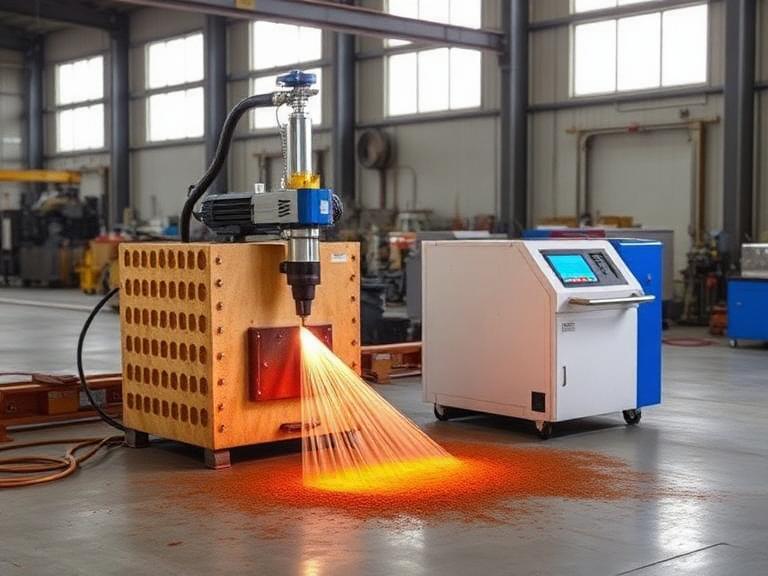
For high-volume manufacturing, manual cleaning is inconsistent. Our Automatische maßgeschneiderte Lösung systems integrate lasers with robotic arms. This ensures that every part is cleaned to the exact same standard. Automation is essential for applications like battery cell cleaning, wire stripping, and assembly line degreasing.
7. What Lasers Cannot Remove (Limitations)
To maintain professional integrity, we must also address the limitations. While lasers are powerful, they are not magic.
- Thick Biological Matter: Lasers will burn biological matter (like heavy marine growth or thick mold), creating smoke and char rather than clean vaporization. It is better to pressure wash thick biomass first.
- Certain Plastics: If the substrate is plastic and the contaminant is also plastic (e.g., paint on plastic), it is difficult to find a laser parameter that removes one without melting the other. Absorption rates must differ significantly.
- Reflective Contaminants: Highly reflective contaminants (like certain polished metals or mirrors) may reflect the laser energy rather than absorbing it, leading to inefficiency.
8. Summary Comparison Table
The following table summarizes what can laser cleaners remove versus traditional methods, highlighting the efficiency gains.
| Contaminant | Laser Cleaning Efficiency | Traditional Method | Laser Advantage |
|---|---|---|---|
| Rust / Oxides | Hoch | Sandblasting / Acid | No substrate loss, no waste media. |
| Paint / Varnish | High (Selective) | Chemical Strippers | Selective layer removal, chemical-free. |
| Oil / Grease | High (Thin films) | Solvents | Residue-free, ideal for bonding prep. |
| Rubber Residue | Very High | Dry Ice / Manual | Non-abrasive to molds, lower cost. |
| Weld Discoloration | Hoch | Pickling Paste | Restores passivation instantly, safe. |
| Soot / Carbon | Hoch | Scrubbing | Restores stone/brick without water damage. |
9. Frequently Asked Questions
Can laser cleaning remove graffiti?
Yes, laser cleaning is excellent for removing graffiti from stone, brick, and concrete. It removes the paint without forcing pigments deeper into the porous surface, which often happens with pressure washing or chemical solvents.
Will the laser damage the metal underneath the rust?
No, if the parameters are set correctly. This is the main advantage of laser cleaning. The metal substrate reflects the laser beam, while the rust absorbs it. Once the rust is gone, the laser beam reflects off the bare metal, making the process self-limiting to a degree.
What can laser cleaners remove from wood?
Lasers can remove varnish, paint, and soot from wood. However, wood is combustible. The parameters must be carefully controlled to ablate the coating without charring the wood fibers beneath. It is commonly used in heritage restoration.
Does Super Fast Laser Technology Co.,Ltd. offer custom solutions?
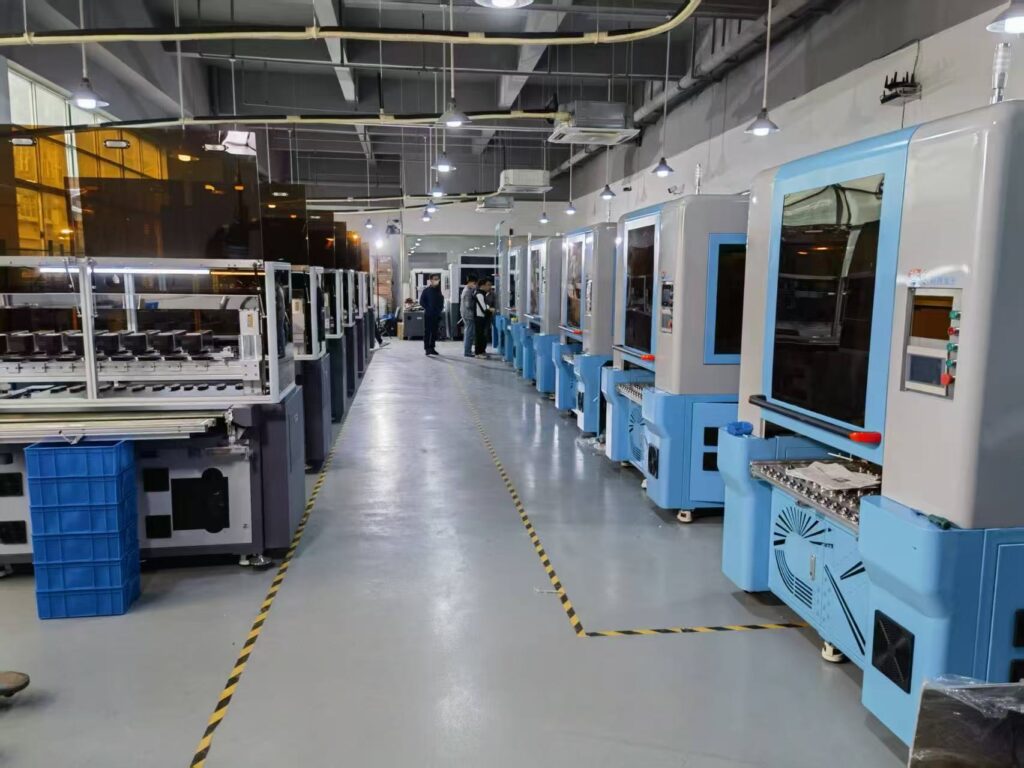
Yes. We provide a full set of laser cleaning solutions. Beyond standard machines, we offer Automatische maßgeschneiderte Lösung packages where we tailor the laser source, automation, and software to the specific contaminant and production line of the client.
10. Referenzen
- Laser Institute of America (LIA). “Laser Safety Standards and cleaning applications.”
- ISO 14644-1: Cleanrooms and associated controlled environments.