- Ziva@CKlasersz.com
- WeChat:86-13138536413
- 400-168-9906
- 0755 27084852





Introduction: The Evolution of Industrial Surface Preparation
For decades, heavy industries, automotive manufacturers, and aerospace engineers have relied on highly abrasive and chemically toxic methods to prepare surfaces, remove contaminants, and maintain critical equipment. Sandblasting, dry ice blasting, and harsh chemical baths were the undisputed standards. However, as global manufacturing shifts toward environmentally sustainable, high-precision, and cost-effective operations, a revolutionary technology has taken center stage.
Inhaltsübersicht
- Introduction: The Evolution of Industrial Surface Preparation
- The Scientific Principles: How Does a Laser Cleaner Do Its Job?
- Industrial Applications: Exactly What Does a Laser Cleaner Do?
- Super Fast Laser: Pioneering the Future of Optical Cleaning
- Our Core Product Lineup and Custom Solutions
- The Economic and Environmental Benefits of Laser Ablation
- Summary Table: Comparing Surface Cleaning Technologies
- Häufig gestellte Fragen (FAQs)
- Industry References
From our experience at Superschneller Laser, understanding what a laser cleaner do requires a shift in how we perceive material removal. We are no longer relying on kinetic impact or corrosive chemical reactions. Instead, we are harnessing the power of concentrated photonics. In this comprehensive, authoritative guide, we will break down the science of laser ablation, explore diverse industrial applications, and demonstrate why investing in this technology is the most practical decision for modern production lines. By the time you finish reading, you will have a masterful understanding of exactly what the work of a laser cleaner do encompasses and how it can drastically optimize your operational workflow.
The Scientific Principles: How Does a Laser Cleaner Do Its Job?
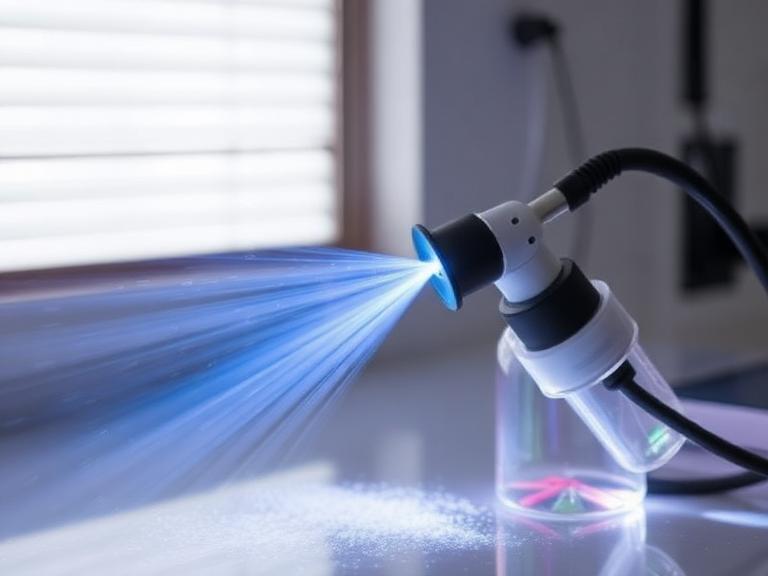
To fully grasp what a laser cleaner do, we must examine the physics of laser ablation. Unlike mechanical scraping or sandblasting, a laser cleaning machine utilizes high-intensity pulses of light targeted at a specific surface. When these nanosecond or picosecond laser pulses interact with a contaminant layer—such as rust, paint, oil, or oxides—two primary scientific phenomena occur: photothermal and photomechanical ablation.
The contaminant layer absorbs the intense laser energy rapidly. This rapid absorption causes the target material to heat up to plasma temperatures almost instantaneously, converting the solid rust or paint into a gas. This vaporization process is incredibly fast. Simultaneously, the underlying base material (often steel, aluminum, or copper) is highly reflective to the specific wavelength of the laser. Because the substrate reflects the light rather than absorbing it, it remains completely untouched and undamaged. We recommend this technology precisely because of this self-limiting property. When operators ask us what a laser cleaner do to the base metal, we confidently reply: absolutely nothing. It is a strictly non-destructive testing and cleaning methodology.
Industrial Applications: Exactly What Does a Laser Cleaner Do?
The versatility of photonics is staggering. The scope of what a laser cleaner do extends across nearly every major manufacturing sector. From microscopic semiconductor wafer preparation to massive shipbuilding maintenance, the applications are continuously expanding. Let us examine the most common and impactful uses.
Rust and Oxidation Removal
Oxidation is the eternal enemy of metallurgy. Traditional rust removal involves hours of manual grinding or the use of hazardous phosphoric acids. So, what does a laser cleaner do when faced with severe oxidation? It obliterates it instantly. By tuning the laser parameters, operators can strip heavy marine rust down to bare white metal in a single pass. This is crucial for structural integrity inspections and component restoration, ensuring that metal parts are returned to their original manufactured state without losing any microscopic thickness.
Precision Paint and Coating Stripping
In aerospace and automotive industries, removing paint layer by layer without damaging the sensitive substrates (like carbon fiber or thin-gauge aerospace aluminum) is exceptionally difficult. A laser cleaner do this with unmatched precision. We can program automated systems to remove the clear coat, the color layer, and the primer independently. This selective stripping eliminates the need for toxic chemical masking agents and heavily reduces hazardous waste disposal costs.
Injection Mold Cleaning and Maintenance
Tire manufacturers, plastic injection molding facilities, and food processing plants rely on complex molds that accumulate release agents, rubber residues, and carbon deposits over time. Traditionally, cleaning these molds required taking them offline, cooling them down, and subjecting them to abrasive media that eventually wore down the mold tolerances. When utilizing optical technology, what a laser cleaner do is clean the molds in-situ while they are still hot. This drastically reduces machine downtime and infinitely prolongs the life of the expensive molds.
Pre and Post-Weld Treatment
Weld quality is directly dependent on surface purity. Any oil, moisture, or oxide present before welding will introduce porosity and weaken the joint. Pre-weld laser cleaning removes all contaminants, ensuring a flawless metallurgical bond. Post-weld, what does a laser cleaner do? It removes the heat-tint (discoloration) and welding slag, leaving a visually pristine and structurally sound final product, completely ready for coating or painting without secondary mechanical brushing.
Super Fast Laser: Pioneering the Future of Optical Cleaning
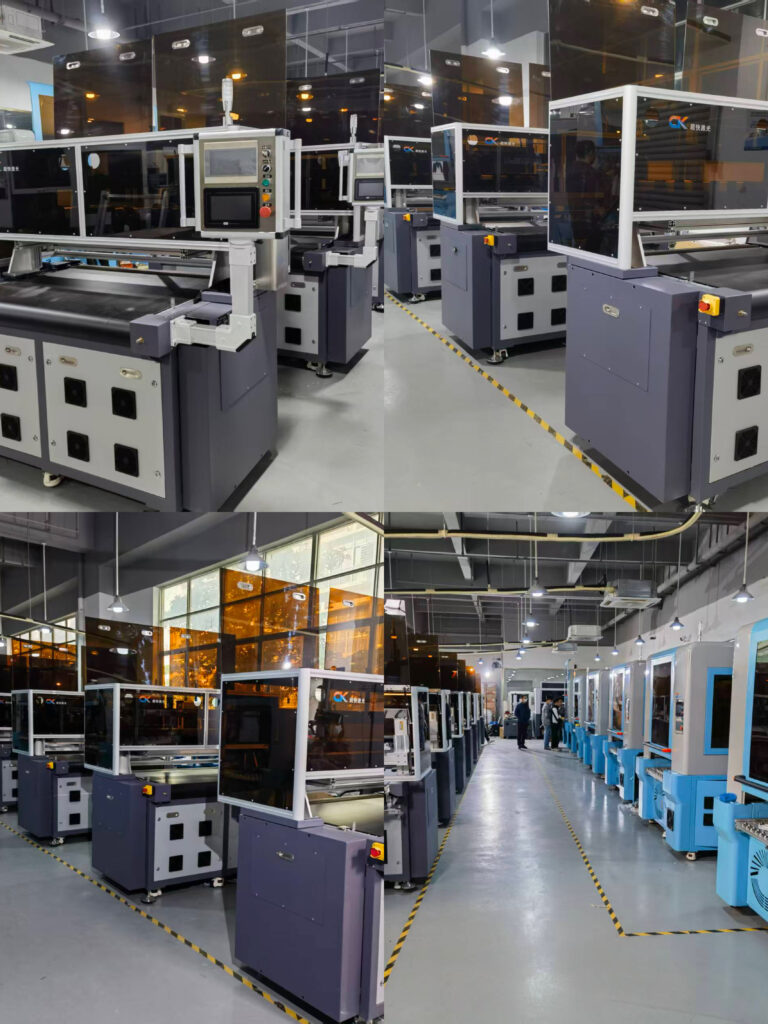
Understanding the vast capabilities of this technology requires partnering with a manufacturer that possesses deep engineering expertise. Super Fast Laser Technology Co.., headquartered in Shenzhen, is currently the first domestic manufacturer who focuses on the R&D, production, and sales of laser cleaning machines. It has its own R&D team and production factory; it is in a leading position in the laser cleaning field.
The company focuses on high-tech laser application fields, with the primary purpose of pursuing product specialization, providing professional laser cleaning, automatic equipment, software, and a full set of laser cleaning solutions to strive toward industrial modernization. From our experience, true innovation comes from controlling the entire manufacturing process, from software algorithms to the physical assembly of the optical lenses.
Our Core Product Lineup and Custom Solutions
To demonstrate practically what a laser cleaner do across different industrial requirements, we have developed a robust, specialized product catalog designed to handle everything from manual restoration to fully integrated factory automation. We recommend analyzing your specific throughput requirements before selecting a system.
Handgeführte Laser-Reinigungsmaschine
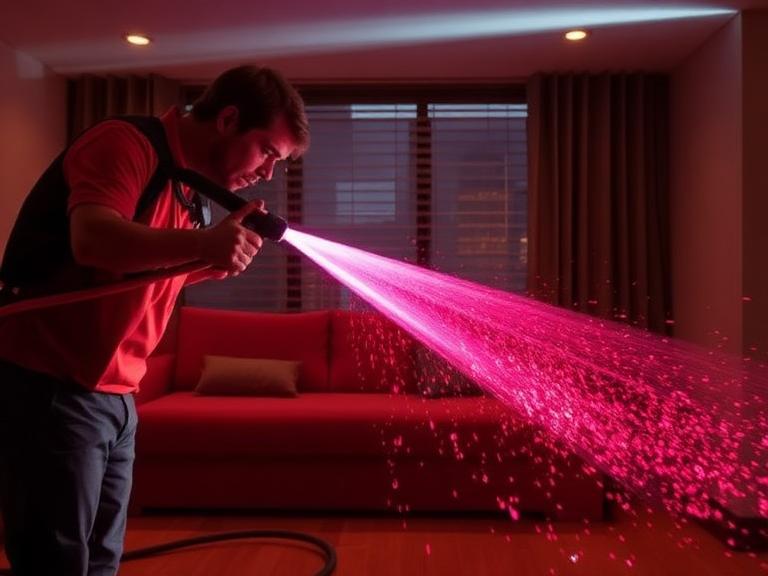
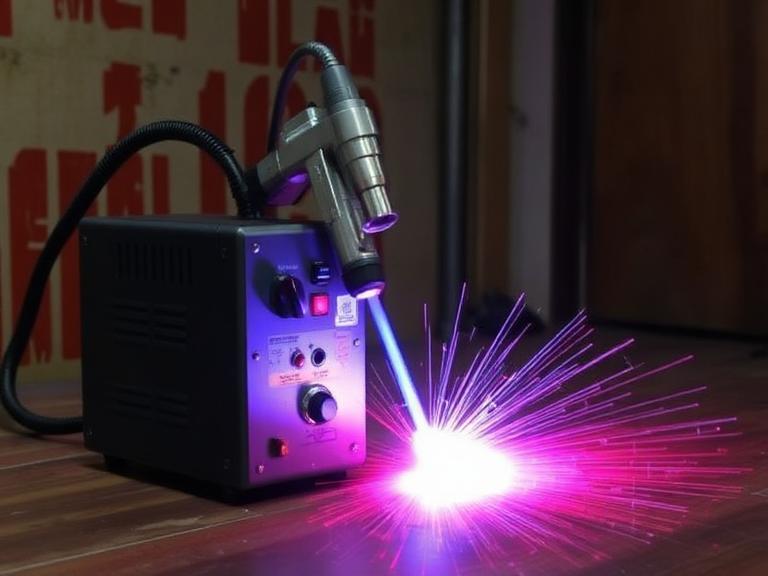
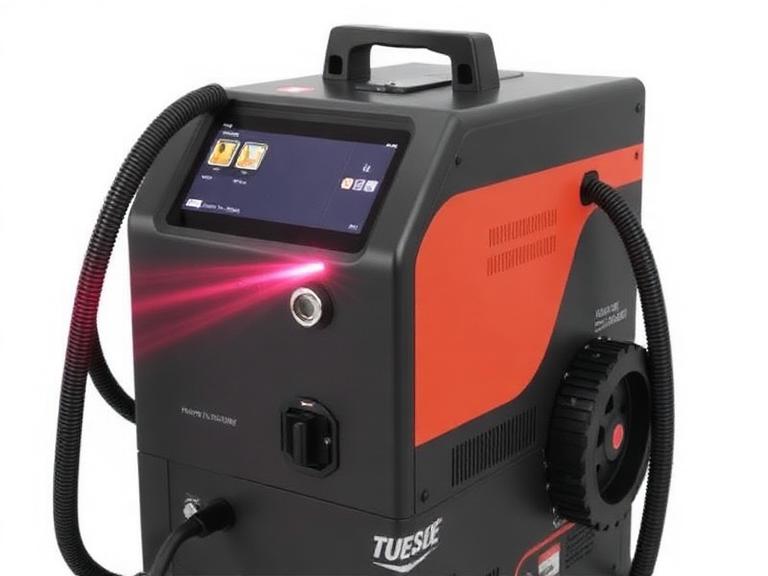
Designed for supreme mobility and operator comfort, our Handheld Laser Cleaning Machine is the ultimate tool for complex geometries and large-scale infrastructure. Whether you are restoring a historical bridge, cleaning aircraft fuselage, or removing graffiti, this ergonomic system allows operators to manipulate the laser beam exactly where it is needed. It proves that what a laser cleaner do manually can outpace traditional sandblasting in both speed and safety.
6-achsige automatische Laser-Reinigungsmaschine für Formen
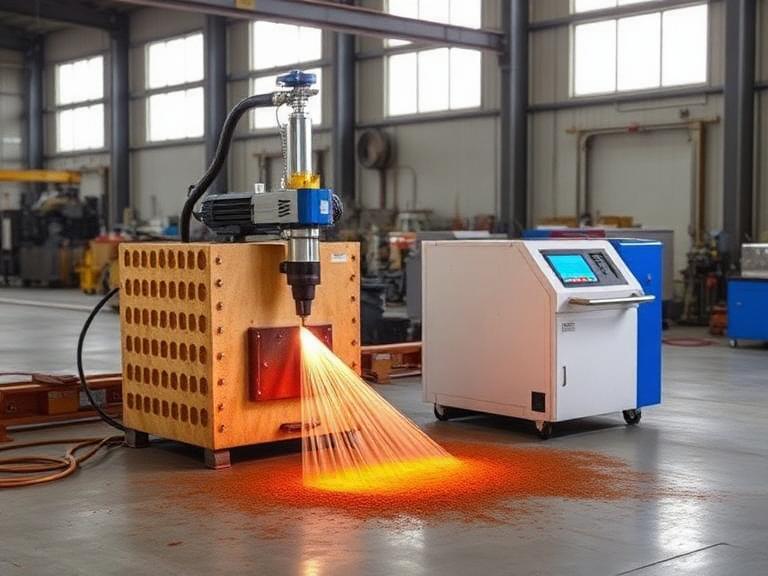
For high-volume manufacturing facilities, human operation is sometimes inefficient. Our 6 Axis automatic Mold Laser Cleaning Machine utilizes advanced robotic arms to execute perfectly repeatable cleaning paths. If you are wondering what does a laser cleaner do in an automated setting, it guarantees absolute consistency. The 6-axis robot navigates complex tire molds or injection molds, removing micron-level residues without ever touching or wearing down the steel surfaces.
Automatikgetriebe Bremsbeläge Laser-Reinigungsgeräte
The automotive sector demands absolute precision. Friction materials must be perfectly bonded to their steel backing plates. Our Automatic Transmission Brake pads Laser Cleaning Equipment is engineered specifically for this crucial task. By cleaning the backing plates via continuous laser ablation, we ensure maximum adhesion strength for the friction material, directly contributing to vehicular safety and performance.
Automatische maßgeschneiderte Lösung
We recognize that no two assembly lines are identical. Therefore, we offer a comprehensive Automatic Customized Solution. From our experience, the most significant ROI comes from seamlessly integrating optical cleaning into your existing conveyor systems. Our engineering team works directly with your facility managers to design custom optical enclosures, specific focal lengths, and proprietary software interfaces to ensure the system does exactly what you need it to do.
The Economic and Environmental Benefits of Laser Ablation
Beyond the technical prowess of what a laser cleaner do, the financial and environmental implications are what truly drive industry adoption. Traditional methods require endless consumables—sand, glass beads, chemical solvents, and dry ice. These consumables not only cost money to purchase but also incur massive disposal fees, especially when mixed with hazardous paints or heavy metals.
Laser technology, conversely, requires zero consumables. The only inputs are standard industrial electricity and a small amount of assist gas (if required). Furthermore, laser cleaning is inherently safe for the environment. The vaporized contaminants are immediately captured by integrated localized exhaust ventilation (fume extraction) systems, preventing any secondary pollution to the workspace or the atmosphere. From an economic standpoint, we recommend calculating the total cost of ownership over a five-year period. While the initial capital expenditure for a high-power laser is higher than a sandblasting pot, the elimination of media costs, hazardous waste fees, and massive reductions in labor hours usually result in a return on investment within 12 to 18 months.
Summary Table: Comparing Surface Cleaning Technologies
To visually summarize what a laser cleaner do compared to legacy systems, we have compiled the following technical matrix.
| Reinigungsmethode | Substrate Damage Risk | Consumables Required | Auswirkungen auf die Umwelt | Operating Cost (Long Term) | Automation Compatibility |
|---|---|---|---|---|---|
| Laser Cleaning (Super Fast Laser) | None (Non-destructive) | Keine (nur Elektrizität) | Eco-Friendly (No secondary waste) | Sehr niedrig | Extremely High (6-Axis Robotics) |
| Sandstrahlen | High (Abrasive wear) | Sand, Glass, Garnet | High (Dust and contaminated media) | High (Media & Disposal) | Moderate |
| Chemical Bath Stripping | Mäßig (Korrosionsrisiko) | Toxic Solvents, Acids | Severe (Hazardous chemical disposal) | High (Chemicals & Safety Gear) | Niedrig |
| Trockeneis-Strahlen | Niedrig | Dry Ice Pellets | Moderate (CO2 emissions) | High (Continuous ice purchase) | Moderate |
Häufig gestellte Fragen (FAQs)
Exactly what does a laser cleaner do to thick rust?
A laser cleaner utilizes high-energy pulses of light to rapidly heat the rust layer, causing it to vaporize into a gas (sublimation) and detach from the base metal via photomechanical shockwaves. It strips the rust entirely without grinding away any of the underlying healthy steel.
Is the process safe for the operators?
Yes. While you must wear specific laser safety glasses rated for the exact wavelength of the machine (typically 1064nm), the process is remarkably safe. It eliminates the respiratory hazards of airborne sand silica and the contact hazards of caustic chemical acids.
Can a laser cleaner do work on delicate materials like wood or historical artifacts?
Absolutely. By lowering the power and adjusting the pulse frequency, we recommend using precise low-power laser systems for heritage conservation. It can remove soot from delicate stone, varnish from antique wood, or oxidation from historical coins without altering the original artifact.
How do I know which Super Fast Laser machine is right for my facility?
It depends entirely on your specific application and production volume. For general maintenance and varied locations, we recommend the Handheld Laser Cleaning Machine. For continuous, high-volume production line work, our Automatic Customized Solution or the 6 Axis automatic Mold Laser Cleaning Machine will provide the necessary throughput.
Industry References
Our expertise is grounded in continuous scientific research and adherence to global manufacturing standards. For further reading on the physics and industrial adoption of this technology, we recommend consulting the following authoritative sources: