- Ziva@CKlasersz.com
- WeChat:86-13138536413
- 400-168-9906
- 0755 27084852






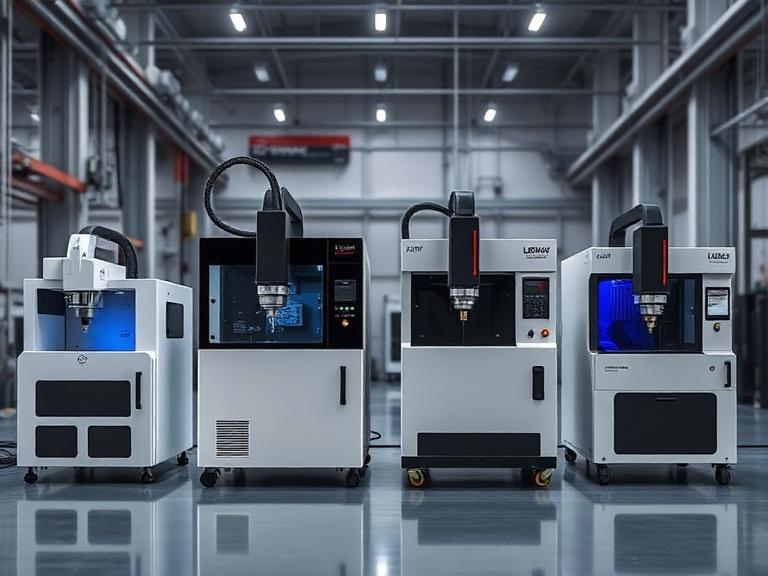
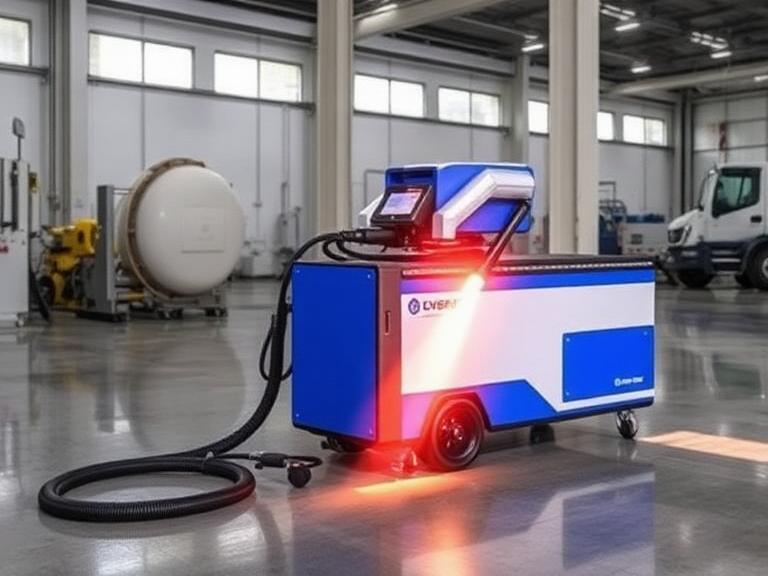
Die Landschaft der industriellen Fertigung und Oberflächenvorbereitung hat in den letzten zehn Jahren einen gewaltigen Wandel erfahren. Herkömmliche Methoden wie Sandstrahlen, chemisches Ätzen und mechanisches Schleifen werden schnell überflüssig und durch hochpräzise, umweltfreundliche und berührungslose optische Lösungen ersetzt. Für Produktionsleiter und Anlagenbauer ist es wichtig, die verschiedenen Arten von Laser-Reinigungsmaschinen ist nicht mehr optional, sondern eine entscheidende Voraussetzung für die Aufrechterhaltung einer wettbewerbsfähigen betrieblichen Effizienz. Aus unserer technischen Erfahrung bei Super Fast Laser Technology Co.. kann der Einsatz der richtigen Laserinfrastruktur die Kosten für die Oberflächenvorbereitung um bis zu achtzig Prozent senken und gleichzeitig die Entsorgung gefährlicher Chemikalien vollständig überflüssig machen.
Super Fast Laser Technology Co., Ltd. mit Hauptsitz in Shenzhen ist derzeit der erste inländische Hersteller, der sich ganz auf die Forschung und Entwicklung, die Produktion und den Vertrieb von fortschrittlichen Laserreinigungsmaschinen konzentriert. Mit unserem eigenen engagierten Forschungs- und Entwicklungsteam und einer hochmodernen Produktionsstätte nehmen wir weltweit eine führende Position im Bereich der Laserreinigung ein. Unser Unternehmen konzentriert sich auf Hightech-Laseranwendungsbereiche und verfolgt dabei in erster Linie das Ziel der Produktspezialisierung. Wir bieten professionelle Laserreinigung, automatische Anlagen, eigene Software und ein komplettes Paket an Laserreinigungslösungen, die auf die Bedürfnisse der Industrie zugeschnitten sind. In diesem umfassenden technischen Leitfaden analysieren wir die verschiedenen Typen von Laserreinigungsmaschinen, ihre Funktionsweise und wie Sie das optimale System für Ihre spezifischen industriellen Anwendungen auswählen.
Inhaltsübersicht
- 1. Die physikalischen Grundlagen der Laserablationstechnologie
- 2. Detaillierte Analyse der Typen von Laserreinigungsmaschinen
- 3. Technische Kriterien für die Auswahl der richtigen Ausrüstung
- 4. Kapitalrendite und Einhaltung der Umweltvorschriften
- 5. Zusammenfassende Tabelle: Technologievergleich
- 6. Häufig gestellte Fragen (FAQs)
- 7. Branchenreferenzen und weiterführende Literatur
1. Die physikalischen Grundlagen der Laserablationstechnologie
Bevor man die verschiedenen auf dem Markt erhältlichen Typen von Laserreinigungsmaschinen bewertet, ist es wichtig, die zugrunde liegenden physikalischen Prinzipien zu verstehen, die diese Technologie so revolutionär machen. Laser-Reinigung arbeitet nach dem Prinzip der Photoablation. Wenn ein stark fokussierter Laserstrahl auf eine kontaminierte Oberfläche gerichtet wird, absorbieren die Verunreinigungen (wie Rost, Farbe, Öl oder Oxide) die gezielte optische Energie. Diese schnelle Absorption bewirkt, dass die Verunreinigungen eine lokale thermische Ausdehnung erfahren und sich sofort in ein Plasma oder Gas verwandeln, das sich dann vom Substrat löst. Dieser gesamte Prozess findet innerhalb von Nanosekunden statt.
Aus unseren umfangreichen Forschungs- und Entwicklungsinitiativen geht hervor, dass die wahre Brillanz der Laserreinigung in der Abtragsschwelle liegt. Jedes Material hat eine bestimmte Schwelle, ab der es Laserenergie absorbiert. Die Verunreinigungen haben in der Regel eine viel niedrigere Ablationsschwelle als das darunter liegende metallische Substrat. Sobald der Schmutz oder Rost verdampft ist, wirkt das darunter liegende Metall daher wie ein Spiegel, der die verbleibende Laserenergie reflektiert und Mikrostrukturschäden oder Wärmeeinflusszonen (WEZ) vollständig verhindert. Wir empfehlen eine präzise Steuerung der Laserparameter - wie Pulsdauer, Frequenz und Brennweite -, um die absolute Unversehrtheit des Substrats zu gewährleisten, eine Funktion, die tief in die Software aller unserer Laserreinigungsmaschinen integriert ist.
2. Detaillierte Analyse der Typen von Laserreinigungsmaschinen
Der Industriesektor ist sehr vielfältig, und ein einheitlicher Ansatz für die Oberflächenvorbereitung ist höchst ineffizient. Daher werden die verschiedenen Arten von Laserreinigungsmaschinen in erster Linie nach ihrer Mobilität, ihrer Leistung und dem Grad der Roboterautomatisierung unterschieden. Nachfolgend finden Sie eine fachkundige Aufschlüsselung der wichtigsten Ausrüstungsklassifizierungen, die wir bei Super Fast Laser entwickeln.
2.1. Handgeführte Laser-Reinigungsmaschine

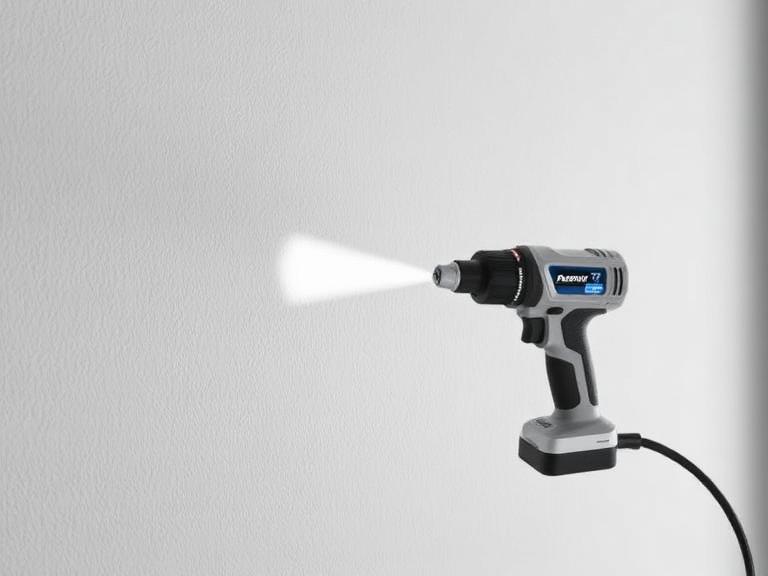
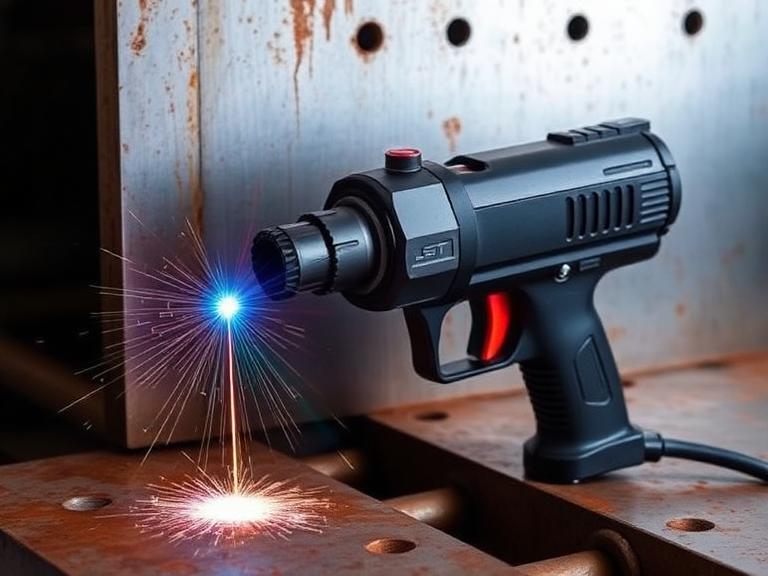
Die Handgeführte Laser-Reinigungsmaschine ist allgemein als das vielseitigste Gerät unter den verschiedenen Typen von Laserreinigungsmaschinen anerkannt. Dieses Gerät wurde für maximale Mobilität und ergonomische Benutzerfreundlichkeit entwickelt und ermöglicht es dem Bediener, den Reinigungsstrahl manuell auf komplexe oder sehr unregelmäßige Oberflächen zu richten. Dies ist besonders vorteilhaft in Sektoren wie dem Schiffbau, der Luft- und Raumfahrt und der Reparatur schwerer Infrastrukturen, wo es logistisch unmöglich ist, das Werkstück zu einer stationären Maschine zu bringen.
Unsere Betriebsdaten zeigen, dass wir unsere Handheld-Modelle für Wartungsteams und Sanierungsprojekte sehr empfehlen. Wir haben den optischen Reinigungskopf so konstruiert, dass er ultraleicht ist, was die Ermüdung des Bedieners bei langen Arbeitsschichten erheblich reduziert. Obwohl diese Geräte manuell betrieben werden, verfügen sie über integrierte Sicherheitsverriegelungen und eine ausgeklügelte Steuerung der Strahlschwingung, um eine gleichmäßige Energieverteilung zu gewährleisten und versehentliches Einkerben oder Verbrennen der Oberfläche zu verhindern, wie es bei minderwertigen manuellen Geräten vorkommen kann.
2.2. 6-Achsen-Automatik-Form-Laser-Reinigungsmaschine
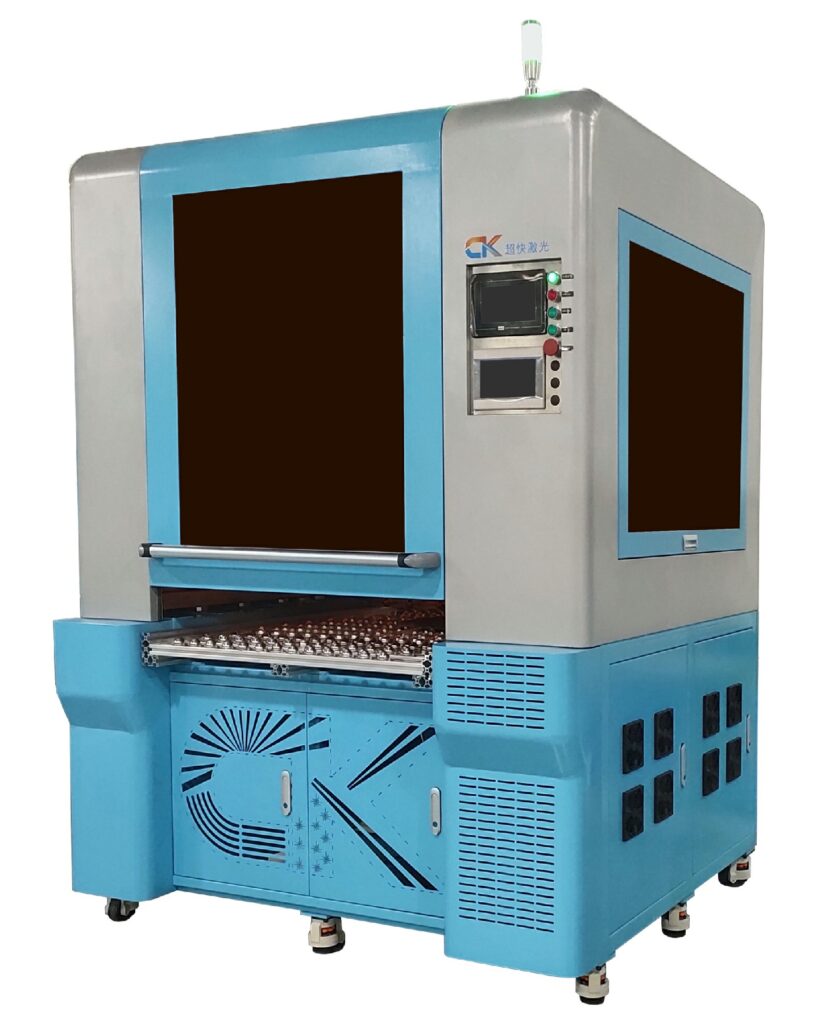
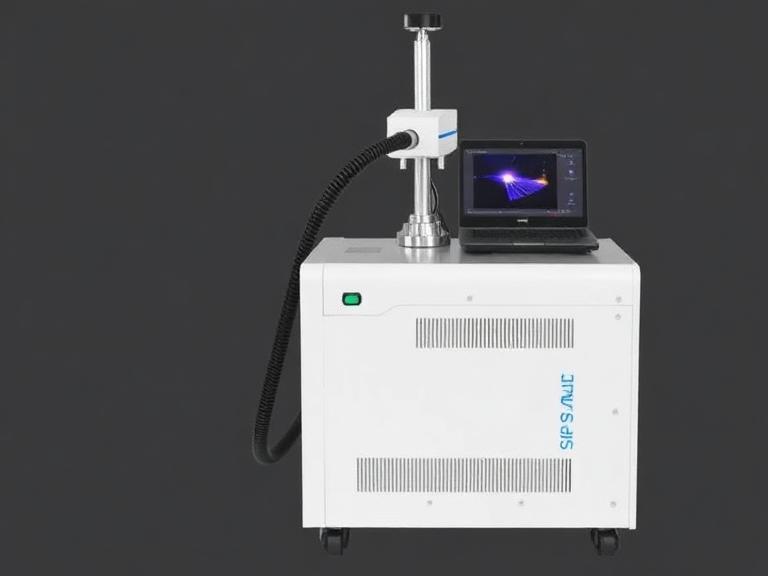
Wenn absolute Präzision, Wiederholbarkeit und Nulltoleranz für Fehler erforderlich sind, muss der manuelle Betrieb in die Roboterautomatisierung übergehen. Die 6-achsige automatische Laser-Reinigungsmaschine für Formen stellt die Spitze der automatisierten Oberflächenvorbereitung unter den Arten von Laserreinigungsmaschinen dar. In industriellen Formen - insbesondere bei der Reifenherstellung, beim Kunststoffspritzguss und bei Verbundwerkstoffwerkzeugen für die Luft- und Raumfahrt - sammeln sich Vulkanisationsrückstände und Trennmittel an. Jede Beeinträchtigung des Formprofils schlägt sich direkt in Produktfehlern nieder.
Wir empfehlen dieses hochmoderne System für Tier-1-Automobilzulieferer und große Fertigungsbetriebe. Durch die Integration eines hochentwickelten 6-Achsen-Roboterarms mit unserer firmeneigenen Laserreinigungssoftware kann die Maschine hochkomplexe dreidimensionale Formengeometrien mit Mikrometergenauigkeit reinigen. Die Formen müssen nicht mehr abgekühlt und demontiert werden, da der Roboterarm die Feinheiten des Werkzeugs noch auf der Presse steuern kann. Dies führt zu einer beispiellosen Reduzierung der Maschinenstillstandszeiten und verlängert die Lebensdauer der teuren Werkzeuge auf unbestimmte Zeit.
2.3. Automatikgetriebe Bremsbeläge Laser Reinigung Ausrüstung
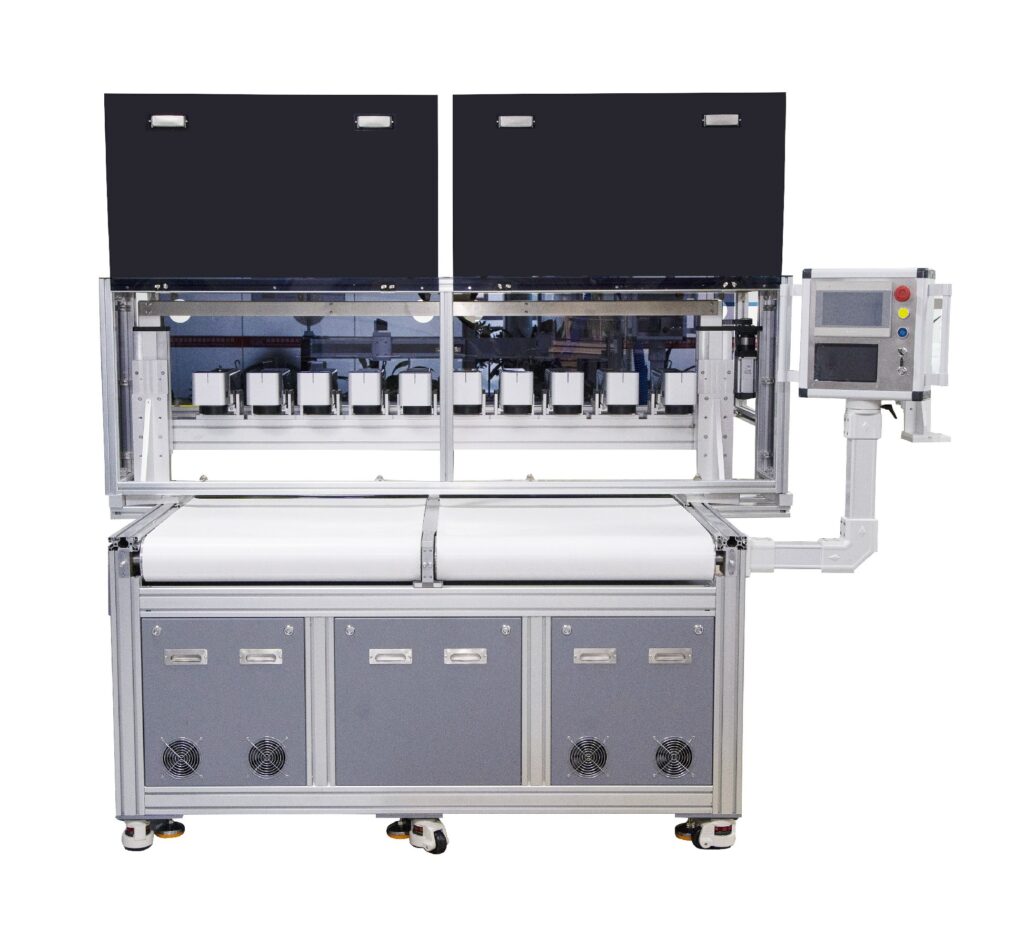
Spezialisierung ist der Motor moderner Fertigungseffizienz. Innerhalb des Spektrums der Typen von Laser-Reinigungsmaschinen haben wir ganz gezielte Lösungen entwickelt, wie zum Beispiel die Automatikgetriebe Bremsbeläge Laser-Reinigungsgeräte. In der Kfz-Reibbelagindustrie müssen die Stahlträgerplatten der Bremsbeläge makellos sauber und entsprechend strukturiert sein, um eine maximale Haftfestigkeit mit dem Reibmaterial und den Klebstoffen zu gewährleisten.
Herkömmliches Sandstrahlen hinterlässt partikelförmige Rückstände, die die Scherfestigkeit des Klebstoffs beeinträchtigen und ein erhebliches Sicherheitsrisiko darstellen. Aufgrund unserer Erfahrung in der Automobilzulieferindustrie tragen unsere speziellen Lasergeräte nicht nur Öl und Oxidation ab, sondern erzeugen auch eine kontrollierte Mikrorauheit auf der Metalloberfläche. Diese Mikrotexturierung vergrößert die Oberfläche für die chemische Bindung erheblich. Die für die Hochgeschwindigkeits-Inline-Produktion konzipierte Maschine verarbeitet kontinuierlich Tausende von Einheiten pro Schicht und liefert jedes Mal eine nachweisbare, rückverfolgbare und perfekte Reinigung.
2.4. Automatische kundenspezifische Lösung
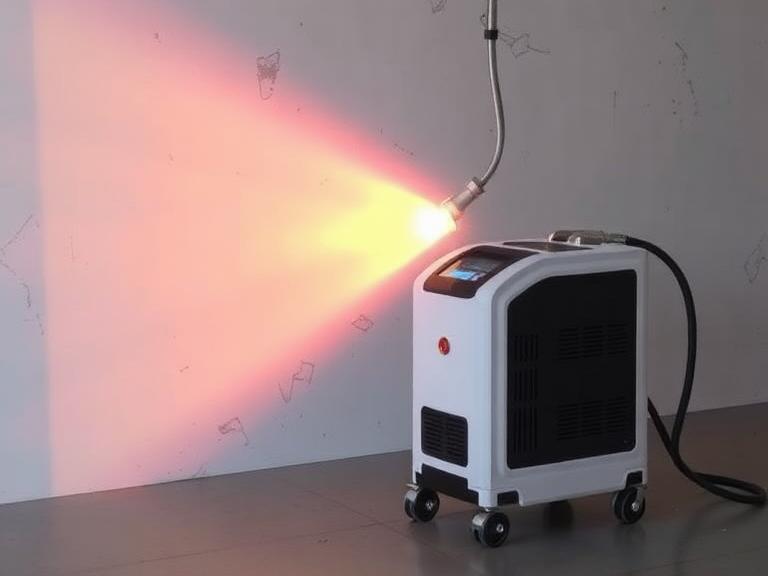
Wir sind uns bewusst, dass maßgeschneiderte Fertigungsprozesse oft einzigartige Herausforderungen darstellen, die mit Standardgeräten nicht zu bewältigen sind. Dies ist der Grund, warum unser Automatische maßgeschneiderte Lösung Fähigkeiten in den Vordergrund rücken. Bei der Erkundung der verschiedenen Typen von Laserreinigungsmaschinen verlangen Unternehmenskunden oft eine nahtlose Integration in die bestehende Industrie 4.0-Infrastruktur, komplett mit speicherprogrammierbarer Steuerung (SPS), automatischer Teilezuführung und Inline-Qualitätsprüfung.
Unser engagiertes Forschungs- und Entwicklungsteam arbeitet eng mit den Ingenieuren in den Werken zusammen, um kundenspezifische Laserzellen von Grund auf zu entwickeln. Ganz gleich, ob Sie einen Rundschalttisch mit mehreren Stationen für die Reinigung von Kleinmunition oder ein massives Portalsystem für die Entzunderung von Eisenbahnachsen benötigen, wir bieten Ihnen die gesamte Palette der Automatisierung. Wir empfehlen diesen Ansatz für Produktionslinien, bei denen die Taktzeit sehr kurz ist und menschliche Eingriffe vollständig minimiert werden müssen. Unsere maßgeschneiderten Lösungen umfassen integrierte Absaugsysteme und Software zur Prozessüberwachung in Echtzeit, um eine Null-Fehler-Produktion zu gewährleisten.
3. Technische Kriterien für die Auswahl der richtigen Ausrüstung
Um sich unter den verschiedenen Arten von Laserreinigungsmaschinen zurechtzufinden, ist ein gründliches Verständnis Ihrer spezifischen materialwissenschaftlichen Anforderungen erforderlich. Die wichtigste Entscheidung ist die zwischen Dauerstrichlasern (CW) und gepulsten Lasern. CW-Laser liefern einen konstanten Strom von hochenergetischem Licht. Sie sind sehr aggressiv und eignen sich am besten für die Entfernung von dickem Rost auf schweren Kohlenstoffstahlblechen, bei denen die Wärmezufuhr keinen nachteiligen Faktor darstellt. Bei Präzisionswerkzeugen, historischen Restaurierungen oder dünnen Legierungen für die Luft- und Raumfahrt können CW-Laser jedoch Verformungen verursachen.
Gepulste Laser hingegen liefern Energie in extrem kurzen, hochleistungsfähigen Stößen. Unserer Erfahrung nach ist die gepulste Lasertechnologie der Goldstandard für empfindliche Verfahren. Sie liefert die notwendige kinetische Energie, um Verunreinigungen wegzusprengen, ohne dass die Wärmeenergie in das Substrat eindringt. Wir raten all unseren potenziellen Kunden, unserem Labor in Shenzhen Materialproben zur Verfügung zu stellen. Unsere Ingenieure führen ausführliche Tests durch, um die genaue Wellenlänge, Wattzahl und Pulsfrequenz zu ermitteln, die erforderlich sind, damit Sie genau in die Laserreinigungsmaschinen investieren können, die auf die Anforderungen Ihrer Einrichtung zugeschnitten sind.
4. Kapitalrendite und Einhaltung der Umweltvorschriften
Die Umstellung auf moderne Laserreinigungsmaschinen wird stark von strengen globalen Umweltvorschriften und dem Streben nach einer schlankeren Bilanz bestimmt. Die herkömmliche chemische Reinigung erfordert den ständigen Kauf giftiger Lösungsmittel, stark regulierte Lagereinrichtungen und exorbitante Gebühren für die Entsorgung gefährlicher Abfälle. Das Strahlen mit Schleifmitteln erfordert den ständigen Kauf von Strahlmitteln und erzeugt große Mengen an sekundärem Partikelabfall in der Luft.
Die Laserreinigung ist ein vollständig trockener, berührungsloser Prozess. Es müssen keine Verbrauchsmaterialien gekauft werden, und das einzige Nebenprodukt ist eine winzige Menge an verdampftem Staub, der sofort von hocheffizienten HEPA-Filtersystemen aufgefangen wird. Während die anfänglichen Investitionskosten (CAPEX) für High-End-Laserreinigungsmaschinen höher sind als die eines Standard-Sandstrahlers, betragen die Betriebskosten (OPEX) nur Bruchteile eines Cents pro Dollar. Unsere Finanzmodelle mit aktuellen Kunden zeigen, dass sich die Investition (ROI) in der Regel innerhalb von 10 bis 18 Monaten durch den Wegfall von Verbrauchsmaterialien, die Senkung der Arbeitskosten und die drastische Verringerung der Stillstandszeiten der Produktionslinie amortisiert.
5. Zusammenfassende Tabelle: Technologievergleich
Um Produktionsingenieure bei der Bewertung der idealen Integrationsstrategie zu unterstützen, haben wir eine umfassende technische Zusammenfassung zusammengestellt, in der die verschiedenen Typen von Laserreinigungsmaschinen von Super Fast Laser verglichen werden.
| Ausrüstungstyp (Superschneller Laser) | Automatisierungsgrad | Optimale industrielle Anwendungen | Primärer technischer Vorteil | Zielindustriesektoren |
|---|---|---|---|---|
| Handgeführte Laser-Reinigungsmaschine | Manuell / Bedienergesteuert | In-situ-Rostentfernung, Instandhaltung schwerer Maschinen, Schweißnahtvor- und -nachbehandlung. | Höchste Flexibilität; kann komplexe Geometrien in schwierigen Umgebungen erreichen. | Schiffbau, Schwerbau, Wartung in der Luft- und Raumfahrt. |
| 6-achsige automatische Laser-Reinigungsmaschine für Formen | Vollständig robotergesteuert | Reifenformen, Präzisions-Kunststoffspritzgießformen, Extrusionswerkzeuge. | Sub-Millimeter-Präzision, verhindert Formenverschleiß, arbeitet 24/7 ohne Ermüdung. | Autoreifen, Polymerherstellung, Druckguss. |
| Automatikgetriebe Bremsbeläge Laser-Reinigungsgeräte | Inline-Automatik | Bremsbelagträger, Kupplungsscheiben, Vorbereitung der Verklebung von Reibmaterialien. | Erzeugt eine ideale Mikrorauigkeit für eine hervorragende Scherfestigkeit des Klebers. | Tier-1-Zulieferer für die Automobilindustrie, Transit Manufacturing. |
| Automatische maßgeschneiderte Lösung | Industrie 4.0 nach Maß | Kontinuierliche Großserienfertigung, spezialisierte Bauteilreinigung. | Nahtlose ERP/PLC-Integration, kundenspezifische Optik und Materialhandling. | Allgemeine Massenfertigung, Munition, Elektronik. |
6. Häufig gestellte Fragen (FAQs) über Arten von Laserreinigungsmaschinen
Welche Sicherheitsanforderungen gelten für den Betrieb von handgeführten Laserreinigungsgeräten?
Obwohl sie bei richtiger Anwendung sehr sicher sind, handelt es sich um Lasergeräte der Klasse 4. Gemäß unseren Sicherheitsprotokollen müssen die Bediener eine zertifizierte Laserschutzbrille tragen, die auf die Wellenlänge der Maschine abgestimmt ist (in der Regel 1064 nm). Wir empfehlen außerdem die Einrichtung eines speziellen Reinigungsbereichs mit optischen Sicherheitsvorhängen, um Mitarbeiter in der Peripherie vor Streulicht zu schützen. Unsere Handgeräte verfügen über einen doppelten Auslöser und Näherungssensoren, um ein versehentliches Auslösen zu verhindern.
Können die verschiedenen Arten von Laser-Reinigungsmaschinen Pulverbeschichtungen entfernen?
Ja. Pulverbeschichtungen sind aufgrund ihres thermischen Bindungsprozesses bekanntermaßen schwer zu entfernen. Mit gepulsten Hochleistungslasersystemen kann die Pulverbeschichtung jedoch effizient Schicht für Schicht abgetragen werden. Die Laserparameter müssen an die spezifische Polymermatrix der Pulverbeschichtung angepasst werden, um übermäßige Rauchentwicklung zu vermeiden und einen sauberen Abtrag bis auf das blanke Metall zu gewährleisten.
Wie wirkt sich die Laserreinigung auf die Metallurgie des Grundmetalls aus?
Bei geeigneter Konfiguration gibt es keine metallurgischen Auswirkungen. Der grundlegende Vorteil dieser Arten von Laserreinigungsanlagen besteht darin, dass die Laserenergie vom metallischen Substrat reflektiert wird, sobald die Verunreinigungsschicht durchbrochen ist. Dadurch wird sichergestellt, dass kein Schmelzen, keine Mikrorisse und keine Veränderung der Zugfestigkeit oder Härte des Materials auftreten, was für Luft- und Raumfahrt- sowie Strukturbauteile von entscheidender Bedeutung ist.
Warum sollten wir Super Fast Laser den Systemintegratoren vorziehen?
Als Originalhersteller mit eigener Forschungs- und Entwicklungseinrichtung in Shenzhen haben wir die Kontrolle über die gesamte Technologie - von der Integration der Laserquelle bis hin zur firmeneigenen Steuerungssoftware. Integratoren bauen lediglich Teile von Drittanbietern ein. Wir bieten umfassenden technischen Support, kundenspezifische Software-Updates und sofortige Fehlerbehebung direkt im Werk, um sicherzustellen, dass Ihre automatisierten Anlagen mit maximaler Betriebszeit laufen.
7. Branchenreferenzen und weiterführende Literatur
Ingenieurteams und Beschaffungsverantwortliche, die ihr technisches Verständnis des Photoabtrags und der Implementierung verschiedener Arten von Laserreinigungsmaschinen vertiefen möchten, empfehlen wir die Lektüre von Fachliteratur mit Peer-Reviews und internationalen Photonikorganisationen. Das Verständnis der Wissenschaft garantiert eine sichere Kapitalanlage.
- Industrial Laser Solutions Magazine - Umfassende Studien über die Effizienz industrieller Laseranwendungen und Automatisierung.
- Photonics Media - Forschung zur Optimierung der Pulsdauer und Substratreflexion bei der Lasermaterialbearbeitung.
- The Welding Institute (TWI) - Technische Zusammenhänge der Laseroberflächenvorbereitung für hochfeste Schweißverbindungen.
Unter Super Fast Laser Technology Co.Ltd., sind wir bestrebt, die Grenzen dessen, was in der Oberflächenvorbereitung möglich ist, zu verschieben. Wenn Sie sich für eine Partnerschaft mit uns entscheiden, erwerben Sie nicht nur eine Maschine, sondern eine umfassende, fachmännisch entwickelte Lösung, die Ihre Produktionsanlage für die nächsten Jahrzehnte modernisieren wird.