- Ziva@CKlasersz.com
- WeChat:86-13138536413
- 400-168-9906
- 0755 27084852






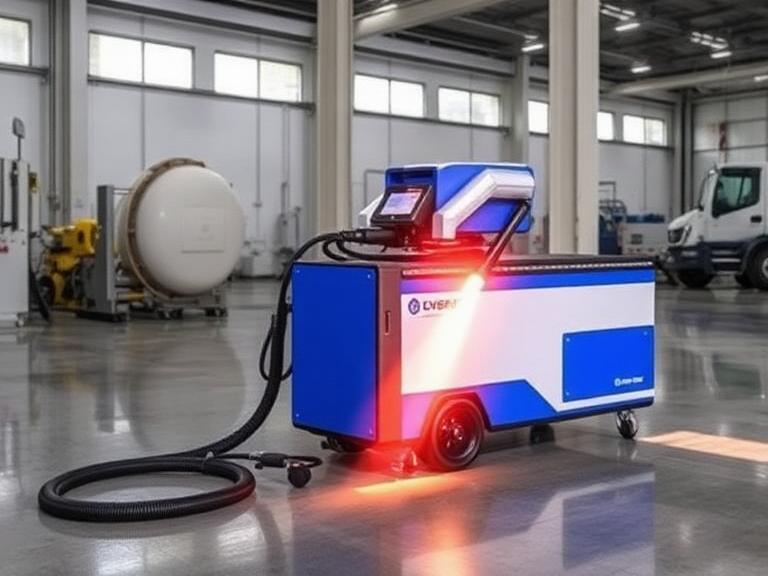
Moderne industrielle Instandhaltung, Oberflächenvorbereitung und Präzisionsrestaurierung erfordern fortschrittliche Dekontaminationsmethoden, die auf zerstörerische chemische Reinigung und abrasives Strahlen verzichten. Herkömmliche Entlackungsverfahren wie Sandstrahlen oder Säurewaschzyklen beeinträchtigen häufig die Toleranzen des Untergrunds, verziehen empfindliche Metallstrukturen und erzeugen gefährliche chemische Entsorgungsabfälle. Um diesen Schwachstellen entgegenzuwirken, setzen Ingenieurteams auf berührungslose thermische Ablationstechnologien. Das genaue Verständnis darüber, welche Materialien und Verunreinigungen durch Laserreinigung effektiv beseitigt werden können, ermöglicht es Produktionsleitern, Fertigungsabläufe zu optimieren, wertvolle Werkzeugkonfigurationen zu schützen und die Umweltbelastung zu verringern.
Unter Superschneller Laser (Shenzhen Super Fast Laser Technology Co., Ltd.) mit Hauptsitz in Shenzhen sind wir der erste inländische Hersteller, der sich ausschließlich auf die Forschung und Entwicklung, die Produktion sowie den Vertrieb von Laserreinigungsmaschinen konzentriert. Mit unserer eigenen Forschungsanlage und einer hochmodernen Produktionsstätte nehmen wir eine anerkannte Führungsposition in der globalen Laserreinigungsbranche ein. Unserer Erfahrung nach verlieren viele Produktionsbetriebe erheblich an Effizienz, wenn sie unterschiedliche Oberflächenverunreinigungen mit ungeeigneten chemischen Verfahren behandeln, obwohl ein einziges, automatisiertes Lasersystem die gesamte Bandbreite sauber bewältigen könnte. Dieser Leitfaden bietet eine technische Analyse der acht wichtigsten Materialien und Verunreinigungen, die durch Laserreinigung effektiv von Oberflächen entfernt werden können, und erläutert dabei die zugrunde liegende Ablationsphysik, die strukturellen Parameter sowie die praktischen Grenzen der industriellen Verarbeitung.
Inhaltsübersicht
- 1. Technischer Überblick: Schadstoffgruppen und Ablationsdynamik
- 2. Physik der Laserablation: Schwellenwertsteuerung und Materialwechselwirkung
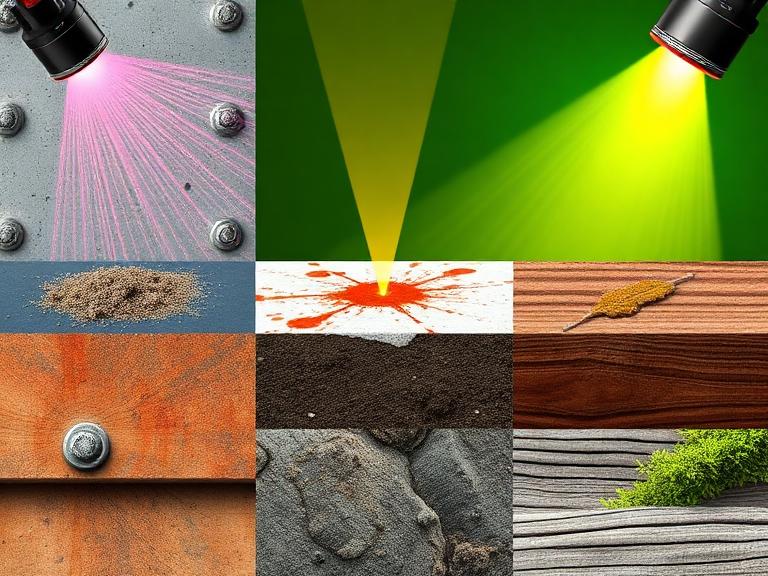
- 3. 8 Materialien und Verunreinigungen, die durch Laserreinigung wirksam entfernt werden können
- 4. Kommerzielle Integration: Maximierung der Anlagenproduktivität und der operativen Margen
- 5. Häufig gestellte Fragen (FAQs)
- 6. Referenzen aus Wissenschaft, Industrie und Sicherheitsbereich
1. Technischer Überblick: Schadstoffgruppen und Ablationsdynamik
Bevor automatisierte Abtragungsanlagen in Ihrer Fertigungshalle zum Einsatz kommen oder ein spezieller Reinigungsdienst vor Ort eingeführt wird, müssen die Ingenieurteams bestimmte Laserkonfigurationen im Hinblick auf die jeweiligen Verunreinigungsgruppen bewerten. Die folgende Übersichtstabelle zeigt, wie verschiedene Materialien und Verunreinigungen im Jahr 2026 sicher mit Laserreinigungssystemen behandelt werden können.
| Ziel: Oberflächenverunreinigung | Optimaler Lasertyp | Profil des Ablationsmechanismus | Thermisches Risiko des Substrats | Primäre industrielle Anwendung |
|---|---|---|---|---|
| Eisenoxide (starker Rost) | Hochleistungs-Impulsbetrieb / Dauerbetrieb | Schneller Thermoschock und Spaltung durch Plasmaausdehnung | Null (wenn die Strahlparameter korrekt eingestellt sind) | Sanierung von Stahlkonstruktionen in der Schwerindustrie |
| Industriepolymere und Lacke | Kurzpuls-Faserlaser | Schleifen zum Aufbrechen chemischer Bindungen und zur Verdampfung | Minimal bis gar nicht | Entlacken und selektives Nachbearbeiten von Karosserieteilen in der Luft- und Raumfahrt |
| Öle, Fette und Schmierstoffe | Gepulstes Faserlaser-Array | Plötzliche Temperaturanstiege, die zur Verdampfung von Flüssigkeiten führen | Null | Metallvorbereitung vor dem Schweißen und Wartung von Gussteilen |
| Kohlenstoffablagerungen und Schweißoxide | Präzisions-Pulslaser | Aufreißen der kristallinen Matrix durch Mikroplasma-Schock | Null | Automatisierte Reinigungs- und Prüfanlagen für die Nachbearbeitung nach dem Schweißen |
| Formtrennmittel | Glasfaser mit niedriger bis mittlerer Pulsdichte | Sofortige Ablösung der photoakustischen Beschichtung | Null | Reinigung von Reifenformen und Gummiverarbeitungswerkzeugen für die Automobilindustrie |
| Mikrobielle Biofilme und Algen | Gesteuerter gepulster Laser | Zelluläre Wasserdampfverdampfung und Schalenspaltung | Null | Wartung von Schiffsrümpfen und Restaurierung von Steinmonumenten |
| Wärmedämmschichten | Hochleistungs-Pulslaser | Gasausdehnung unter der Oberfläche und Abblättern der Beschichtung | Minimal | Reparatur von Streifenbildung am elektrischen Stator und an Rohrverbindungen |
| Gefährliche Beschichtungen auf Nuklearbasis | Vollautomatischer Fernlaser | Kontrollierte Schichtverdampfung mit Vakuumauffang | Null | Dekontamination von Anlagen für Kernenergie-Heißzellen |
2. Physik der Laserablation: Schwellenwertsteuerung und Materialwechselwirkung
Um die acht Materialien und Verunreinigungen, die für Laserreinigungsanwendungen in Frage kommen, erfolgreich einsetzen zu können, muss der Bediener die Prinzipien der selektiven optischen Ablation beherrschen. Der gesamte Prozess beruht auf einer zentralen physikalischen Größe: dem Unterschied in den Ablationsschwellenwerten zwischen der oberflächlichen Verunreinigungsschicht und dem darunterliegenden Basissubstrat. Jedes Material hat einen spezifischen Energiedichte-Schwellenwert, bei dessen Erreichen seine chemischen Atomverbindungen sofort zerbrechen oder verdampfen.
Nach unserer Erfahrung funktioniert die Hochleistungs-Laserreinigung dadurch, dass das Energieprofil des Strahls so angepasst wird, dass es deutlich über der Ablationsschwelle des zu entfernenden Rosts, der Farbe oder des Öls liegt, aber sicher unterhalb der Schadensschwelle des Grundmetalls, des Verbundwerkstoffs oder des Steinuntergrunds. Wenn ein hochfrequenter, kurzzeitiger Laserimpuls auf die Oberfläche trifft, absorbiert die dunkle Verunreinigungsschicht die konzentrierte Lichtenergie augenblicklich und verdampft oder dehnt sich durch eine photoakustische Schockwelle rasch aus. Das helle, stark reflektierende Grundmetall darunter reflektiert die verbleibende Laserenergie harmlos ab und bildet so eine automatische Sicherheitsbarriere, die eine Beschädigung oder Aushöhlung des Grundmetalls verhindert.
Aus unserer Erfahrung: Die variable Impulsdauer
Für die hochpräzise Werkzeugreinigung empfehlen wir den Einsatz von Kurzpuls-Faserlasern (Nanosekunden) anstelle von Dauerstrichsystemen. Zwar eignen sich Dauerstrichlaser zwar kostengünstig zum Entfernen von starkem Rost von Baustahlträgern, doch erzeugen sie erhebliche Wärme, die Präzisionsstanzwerkzeuge und Legierungen für die Luft- und Raumfahrt schnell verziehen oder deren Härtegrad verändern kann. Kurzpulsanlagen liefern Impulse mit hoher Spitzenleistung, die Beschichtungen sofort verdampfen, ohne Wärme auf das darunterliegende Bauteil zu übertragen.
3. 8 Materialien und Verunreinigungen, die durch Laserreinigung wirksam entfernt werden können
1. Eisenoxide und tiefgreifende Korrosionsablagerungen (Rost)
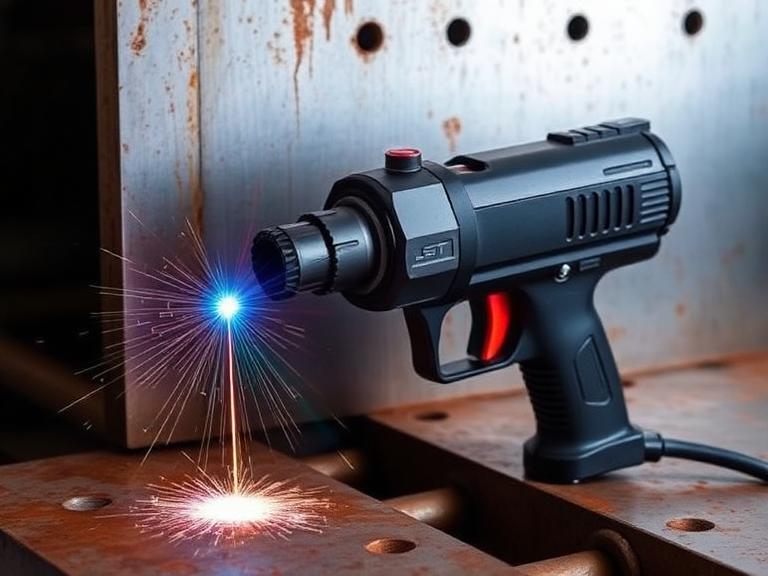
Die Entrostung ist weltweit die am häufigsten eingesetzte Anwendung für Laserstrukturierungsmaschinen. Durch jahrelange Witterungseinwirkung im Freien oxidieren Eisenlegierungen zu einer lockeren, voluminösen, kristallinen Korrosionsschicht. Gepulste Laserstrahlen zersetzen diese Oxidmatrix durch schnelle thermische Ausdehnung und lösen die Rostflocken sauber ab, sodass der glänzende, unbeeinträchtigte blanke Stahl darunter zum Vorschein kommt. Diese saubere Oberfläche bietet ein ideales Profil mit hoher Haftkraft für neue Schutzgrundierungen und Industriebeschichtungen.
2. Industrielle Polymere, Epoxidgrundierungen und Dekorfarben
Das Abtragen chemischer Lacke von Flugzeugkarosserien, Nahverkehrszügen und Automobilteilen erfordert üblicherweise große Mengen giftiger chemischer Lösungsmittel. Beim Laserabtrag werden die molekularen Vernetzungsketten in Polyurethan-, Acryl- und Epoxidbeschichtungen aufgebrochen, wodurch die feste Lackschicht in feinen Staub umgewandelt wird, der in ein Vakuumfiltersystem abgesaugt werden kann, wodurch Risiken beim Umgang mit Chemikalien vollständig vermieden werden.
3. Kohlenwasserstofföle, Schutzfette und synthetische Schmierstoffe
Bei der spanenden Bearbeitung und beim Stanzen von Schwermetallen werden die Teile mit rosthemmenden Schutzölen und Stanzschmiermitteln beschichtet, die vor dem Schweißen oder der Endlackierung vollständig entfernt werden müssen. Die hohe Spitzenleistung eines Laserstrahls erhitzt diese flüssigen Kohlenwasserstoffschichten augenblicklich, wodurch sie verdampfen und von der Oberfläche abfliegen, ohne einen dünnen, klebrigen Rückstand zu hinterlassen, wie er bei herkömmlichen wässrigen Reinigungssystemen üblich ist.
4. Rußablagerungen, Schlacke und Schweißrückstände
Beim Lichtbogenschweißen entstehen entlang der Schweißnaht dicke, verfärbte Oxidstreifen, Siliziumschlackeablagerungen und Rußpartikel, die Mikrorisse vor den Inspektionskameras verbergen können. Durch einen präzisen Laserstrahl entlang der Schweißnaht werden diese zähen Oxide und Kohlenstoffablagerungen mittels fokussierter Plasma-Schockwellen abgetragen, sodass automatisierte Inspektionssysteme die saubere Verbindungsstruktur genau beurteilen können.
5. Spezielle Formtrennmittel auf Polyurethan- und Gummibasis
Bei Reifenformen, Spritzgusskavitäten und Presswerkzeugen für Verbundwerkstoffe im Automobilbau sammeln sich über lange Produktionszyklen hinweg dicke Rückstände aus Wachs und Silikon-Trennmitteln an, was zu Oberflächenfehlern an den fertigen Bauteilen führt. Bei der herkömmlichen Reinigung muss die heiße Form aus der Anlage genommen und zum Sandstrahlen abgekühlt werden. Mit Lasersystemen können Techniker diese komplexen Formen reinigen, während sie sich noch vollständig erhitzt in der laufenden Presse befinden, wodurch Produktionsausfallzeiten drastisch reduziert werden.
6. Mikrobielle Biofilme, Algen und organischer Flechtenbewuchs
Fassaden aus Naturstein im Außenbereich, historische Denkmäler und Schiffsrumpfflächen sind einer ständigen organischen Verschmutzung ausgesetzt, darunter giftige Schimmelsporen und dichte Algenbeläge. Laserstrahlen bewirken, dass sich die Feuchtigkeit im Inneren dieser organischen Zellwände rasch ausdehnt, wodurch sich die Biofilmstruktur von empfindlichen Marmor-, Kalkstein- oder Kupferoberflächen löst, ohne dass dabei abrasive Kratzer entstehen oder chemische Auswaschungen auftreten.
7. Schützende Wärmedämmung und schwere gummierte Beschichtungen
Das Abtragen von zähen, dicken gummierten Beschichtungen und Harzisolierungen von industriellen Kupferstromschienen oder Rohrverbindungen ist eine langwierige, manuelle Arbeit, wenn Handmesser oder Drahtbürsten verwendet werden. Hochleistungs-Laserreinigungssysteme nutzen die thermische Ausdehnung unter der Oberfläche, um diese dicken Isoliermatten abzutragen. Dabei wird die Klebeschicht sauber durchtrennt, sodass sich der Gummi in gleichmäßigen, leicht zu handhabenden Abschnitten ablösen lässt.
8. Radioaktive Isotope und gefährliche nukleare Kontaminanten
In Kernkraftwerken und Hochsicherheits-Forschungskammern sind Werkzeuge gefährlichen radioaktiven Isotopen ausgesetzt, die entfernt werden müssen, bevor Wartungspersonal sie sicher handhaben kann. Durch Laserablation werden diese gefährlichen Oberflächenschichten in vollständig geschlossenen, robotergesteuerten Schutzkammern verdampft, wobei die radioaktiven Staubpartikel direkt in hocheffizienten HEPA-Filtersystemen aufgefangen werden, um die Sicherheit der Mitarbeiter zu maximieren.
4. Kommerzielle Integration: Maximierung der Anlagenproduktivität und der operativen Margen
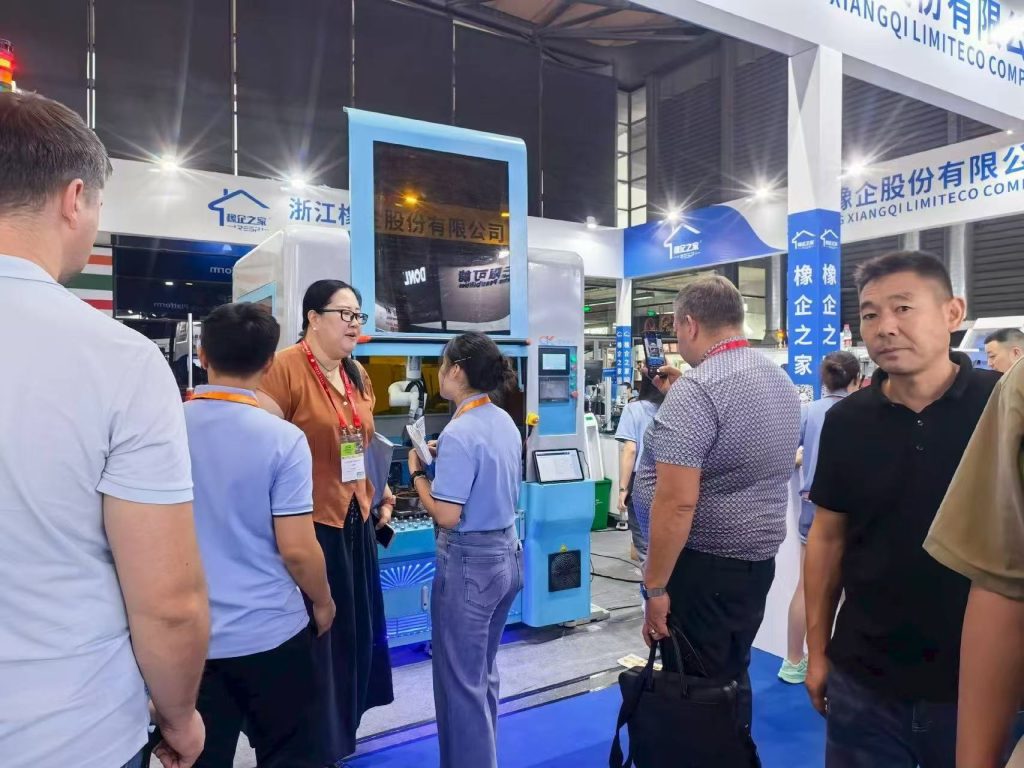
Investitionen in moderne Laserabtragungsanlagen helfen Unternehmen dabei, über die einfache Oberflächenreinigung hinauszugehen, und bieten einen strategischen Weg, um die Betriebskosten im Werk zu senken und beeindruckende Serviceumsätze zu erzielen.
Bewertung der wirtschaftlichen Tragfähigkeit und der Marktnachfrage
Für Unternehmer und industrielle Wartungsunternehmen, die diesen wachsenden Hightech-Markt erschließen möchten, können die finanziellen Erträge außergewöhnlich hoch sein. Die Auswertung aktueller Marktdaten über unsere Ist das Laserreinigungsgeschäft rentabel? Dieses Rahmenkonzept analysiert die niedrigen Betriebskosten und die kurzen Amortisationszeiten der Ausrüstung bei diesen Betrieben. Um ein äußerst wettbewerbsfähiges regionales Dienstleistungsunternehmen aufzubauen, lesen Sie unseren Fachbericht zum Thema Laser-Rostentfernung Geschäftsrentabilität In den Parametern wird detailliert beschrieben, wie die Vertragspreise für Kunden aus den Bereichen Hochbau und maritime Sanierung geschätzt werden.
| Anlageklasse „Laserreinigung“ | Primäres Ziel für die Betriebskonfiguration | Mobilitäts- und Gewichtsparameter | Link zu Ressourcen zum Thema „Superschnelle Laser“ |
|---|---|---|---|
| Handlasersysteme | Manuelle Hochgeschwindigkeits-Entrostungsanlagen und maßgeschneiderte Reparaturlinien | Ergonomische Taschenlampe; flexible Kabelführung | Die besten handgeführten Laserreiniger 2026 |
| Tragbare Laserreiniger | Bauwerkssanierung vor Ort und Fernwartung der Feldinfrastruktur | Kompaktes Fahrgestell; robuster Transportkoffer | beste tragbare Laserreiniger 2026 |
Beschaffung zertifizierter industrieller Lasermaschinen
Um langfristige Zuverlässigkeit und Sicherheit in Ihrer Produktion zu gewährleisten, ist es entscheidend, Ihre Hardware direkt von werkseitig zertifizierten Innovatoren zu beziehen. Die Bewertung der führenden Produktionsstätten in unserem globalen Hersteller von Laser-Reinigungsmaschinen Das Verzeichnis bietet Unternehmenskunden einen objektiven Überblick über bautechnische Normen, Sicherheitszertifizierungen und Netzwerke für technischen Support. Super Fast Laser unterstützt Ihre Betriebsabläufe mit einem erfahrenen Ingenieurteam und modernsten Produktionsanlagen und stellt so sicher, dass Ihre Anlage optimierte, zuverlässige Lösungen erhält, die genau auf Ihre individuellen industriellen Anforderungen zugeschnitten sind.
5. Häufig gestellte Fragen (FAQs)
Kann die Laserreinigung dünne darunterliegende Blechuntergründe beschädigen oder verziehen?
Bei der Verwendung eines präzise abgestimmten gepulsten Lasersystems besteht keinerlei Risiko, das darunterliegende Metallsubstrat zu beschädigen oder zu verziehen. Da die kurzen Nanosekunden-Impulse Oberflächenverunreinigungen nahezu augenblicklich verdampfen, hat die Wärmeenergie keine Zeit, in den Metallkern zu geleitet zu werden, wodurch das Substrat kühl bleibt und seine ursprüngliche Form sowie seine mechanischen Eigenschaften beibehält.
Welche Schutzausrüstung ist beim Betrieb eines handgeführten Laserreinigungssystems vorgeschrieben?
Das Bedienpersonal muss eine spezielle Laserschutzbrille tragen, die ausdrücklich dafür ausgelegt ist, genau die Wellenlänge des Laserstrahls abzuschirmen (bei Faserlasern in der Regel 1064 nm). Darüber hinaus sollte der Reinigungsbereich mit geeigneten Sicherheitsvorhängen abgegrenzt sein, und der Arbeitsbereich muss mit einer zuverlässigen Absauganlage ausgestattet sein, um verdampfte Staubpartikel sicher aufzufangen.
Kann eine Lasermaschine dicke, schwere Fett- und Schlammschichten effektiv entfernen?
Laser eignen sich hervorragend zum Verdampfen dünner bis mittelstarker Öl- und Fettschichten, doch extrem dicker, sich ansammelnder Schlamm kann den Laserstrahl daran hindern, das Substrat effizient zu erreichen. Für eine optimale Geschwindigkeit empfehlen wir, den stark angesammelten Schlamm zunächst mit einem einfachen Schaber zu entfernen, bevor das Lasersystem eingesetzt wird, um die verbleibenden Rückstände vollständig zu beseitigen und das blanke Metall vorzubereiten.
Worin besteht der wesentliche Unterschied zwischen gepulsten und Dauerstrich-Laserreinigern?
Gepulste Laser liefern in kurzen Nanosekundenintervallen Impulse mit hoher Spitzenleistung und eignen sich daher ideal zum Reinigen empfindlicher Werkzeuge, hochpräziser Formen und komplexer Legierungen, ohne dabei Wärme zu übertragen. Dauerstrichlaser senden einen ununterbrochenen Strahl aus und bieten eine hohe Energieabdeckung, die sich optimal eignet, um starken Rost und Lack schnell und wirtschaftlich von großen, dicken Baustahlträgern zu entfernen.
Entstehen bei der Laserreinigung sekundäre gefährliche Abfälle, die einer besonderen Entsorgung bedürfen?
Nein, bei der Laserreinigung fallen keinerlei gefährliche Sekundärabfälle an, sodass die Entsorgung von Sandstrahlmitteln oder die Verwendung von Neutralisationstanks für giftige Chemikalien vollständig entfällt. Das System verdampft Oberflächenbeschichtungen einfach zu feinen Staubpartikeln, die direkt in eine integrierte Vakuumfiltereinheit abgesaugt werden, wodurch ein sauberer Arbeitsbereich und leicht zu handhabende Trockenfilter zurückbleiben.
6. Referenzen aus Wissenschaft, Industrie und Sicherheitsbereich
Für offizielle Arbeitsschutzklassifizierungen, Richtlinien zur Laserstrahlung sowie aktuelle materialwissenschaftliche Forschungsergebnisse zu den Schwellenwerten für die Oberflächenabtragung wenden Sie sich bitte an folgende maßgebliche internationale Organisationen:
- Laser Institute of America (LIA). ANSI Z136.1 „Sicherer Umgang mit Lasern und fortgeschrittene Kennzahlen für Oberflächenbearbeitungsprozesse“.
- Internationale Organisation für Normung (ISO). ISO 11553 Sicherheit von Maschinen – Laserbearbeitungssysteme und Leitlinien zur Emissionsbegrenzung.
- Forschungszentrum für Laserablation und Materialbearbeitung. Vergleichende Analyse von photoakustischen thermischen Ablationskoeffizienten bei brechenden Metalloxiden.