- Ziva@CKlasersz.com
- WeChat:86-13138536413
- 400-168-9906
- 0755 27084852






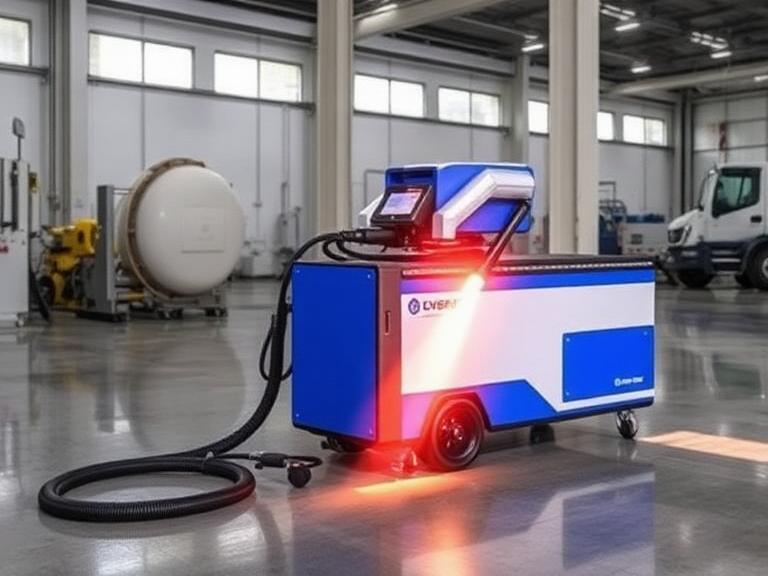
Let us confront a brutal reality in the surface preparation industry: if you are attempting to clean delicate molds, historical artifacts, or aerospace-grade aluminum using a cheap Continuous Wave (CW) laser, you are actively destroying your substrate. For years, manufacturers have flooded the market with heavy, generic CW systems, masking their lack of precision behind sheer wattage. But in 2026, the industrial consensus is absolute: when substrate integrity is non-negotiable, you must deploy pulsed laser technology. And within the pulsed spectrum, the 200-watt power tier represents the ultimate, uncompromising sweet spot between raw stripping power and mobile versatility.
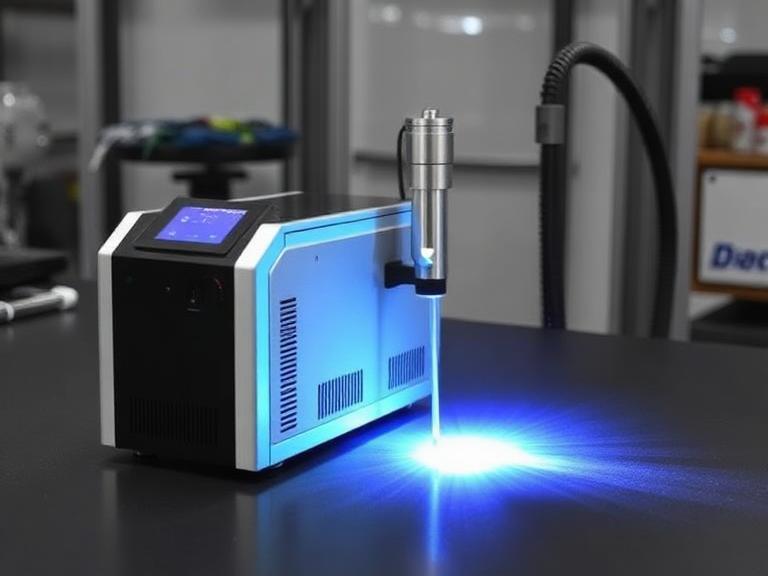
From our experience engineering advanced photonics at Super Fast Laser, we witness countless procurement managers making the fatal mistake of chasing raw wattage over pulse energy. They search blindly for laser rust removal equipment 2026 and end up purchasing a 1500W CW machine that melts their tooling. A true pulsed laser operates differently. Instead of dragging a continuous beam of heat across the metal, a pulsed laser fires microscopic, nanosecond bursts of high-intensity light. These pulses instantaneously vaporize contaminants—rust, paint, oil, oxides—through a process called ablation, leaving the underlying base metal completely cold and structurally untouched. If you are learning how to remove mold from tires and tooling, a 200W pulsed laser is not just the best option; it is the only option.
We refuse to endorse inferior hardware. In this relentlessly practical guide, we will aggressively dissect the current market to highlight the 6 best 200w pulse laser cleaning machines available right now. We will expose the critical engineering differences in their scanning heads, cooling architectures, and pulse energies, providing you with a definitive roadmap for your next capital investment.
Table of Contents
1. Why the 200W Pulse Laser is the Industry Standard
When clients evaluate an industrial laser cleaning machine 2026, they inevitably ask if they should scale up to higher wattages. While a 1000W system is excellent for demolishing thick marine rust on shipyard steel, it is a catastrophic liability for precision work. If you consult our 1000W laser cleaning machine price USA guide, you will see that these massive systems require heavy three-phase power and industrial water chillers.
A 200W pulsed laser is the perfect operational compromise. It delivers enough single-pulse energy (typically between 1.5mJ and 15mJ) to shatter thick epoxy paints and deep oxidation, but its average power remains low enough to utilize air cooling. This eradicates the need for a bulky water chiller, allowing engineers to shrink the entire machine into a portable trolley or suitcase. For restoration crews, aviation mechanics, and automotive fabricators analyzing handheld laser cleaning machines 2026, the 200W pulsed tier provides the absolute maximum power you can legally and safely run off a standard 110V/220V residential or commercial wall outlet. It is the definitive workhorse for non-destructive surface preparation.
2. The 6 Best 200W Pulse Laser Cleaning Machines
We have rigorously audited the global market, testing cycle times, focal precision, and thermal endurance. The following machines represent the absolute pinnacle of 200w pulse laser cleaning machines.
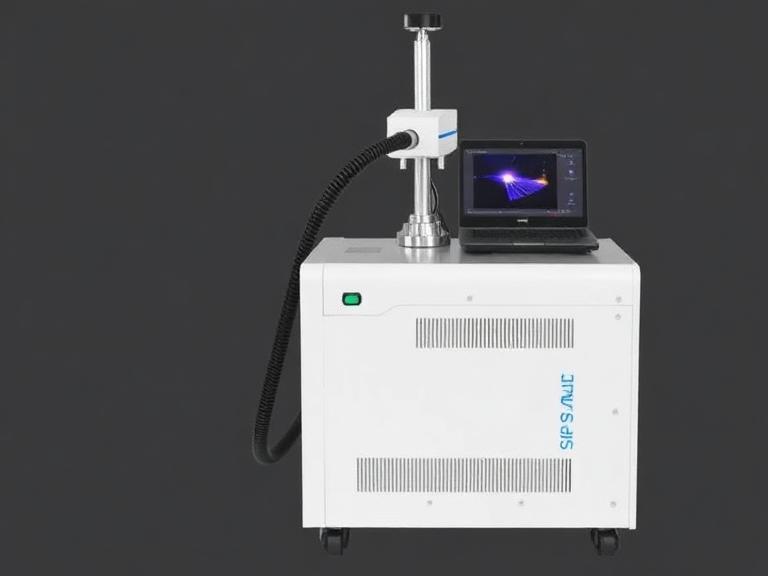
2.1 Super Fast Laser Medium Power Rate Trolley Laser Cleaning Machine
We place our own engineering at the apex of this list because we refuse to compromise on beam quality or chassis durability. When searching for reliable laser cleaning for rust and paint removal, you require a machine that does not overheat during continuous 8-hour shifts. This trolley-based system is engineered strictly for professional, high-duty-cycle environments.
Medium Power Rate Trolley Laser Cleaning Machine
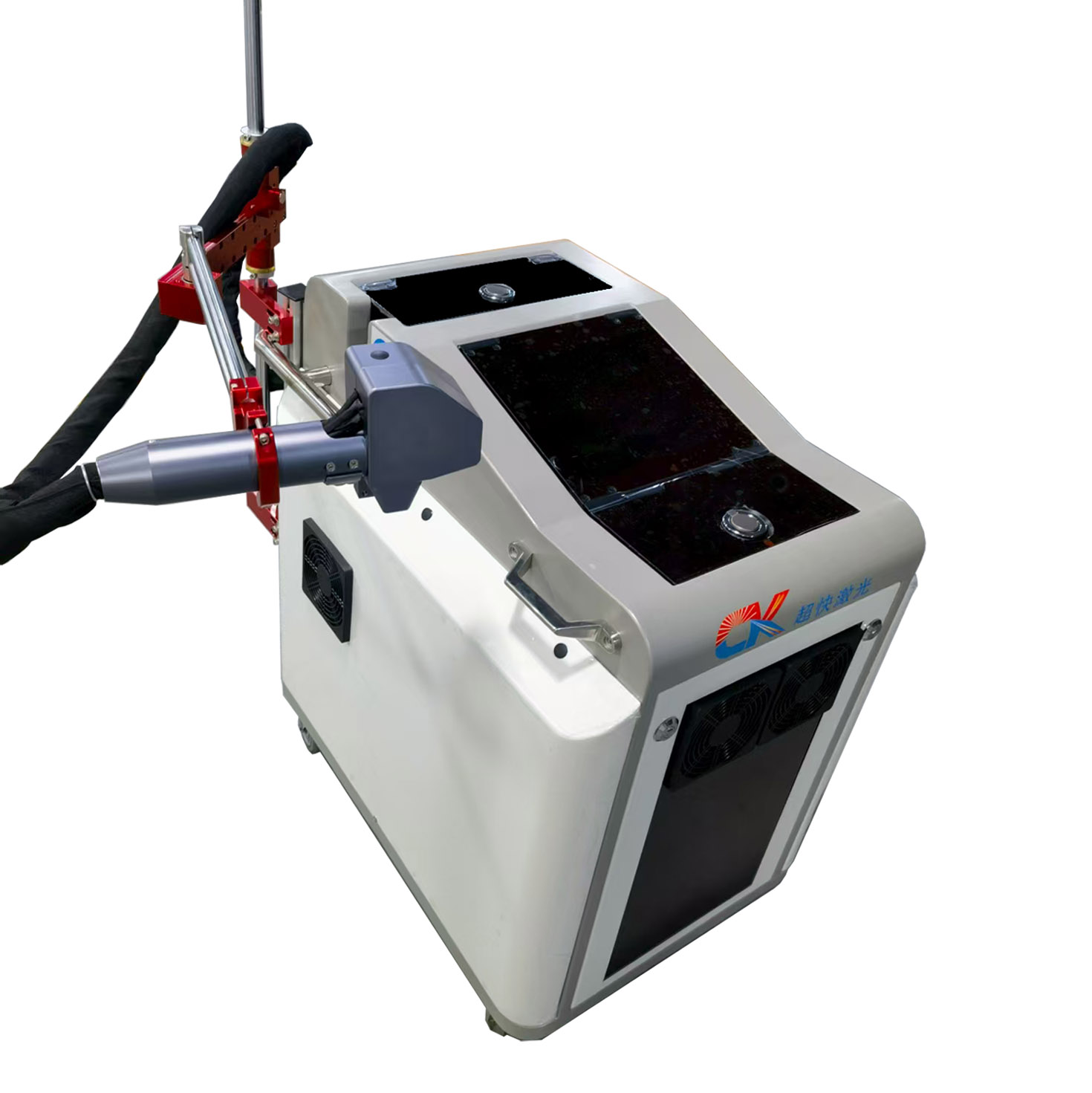
- Cleaning Power: 200W-350W
- Max. Power Consumption: 800W / 1440W
- Power Voltage: AC 110/220V
- Cooling Method: Air Cooling
- Pulse Energy: 1.5mJ / 15mJ
- Fiber Optical Cable: 5m (Customizable)
- Laser Wavelength: 1064nm
- Scan Width: 1-120mm
- Machine Net Weight: 80Kgs / 133Kgs
By delivering up to 15mJ of pulse energy, this machine completely shatters the performance of standard entry-level pulsed systems. The integrated air-cooling architecture allows it to operate flawlessly in ambient temperatures up to 60°C. For facilities tired of dealing with fragile consumer-grade lasers, this is the industrial standard.
2.2 Cougartron 200P Portable Cleaner
Cougartron has established a formidable reputation in electrochemical weld cleaning, and their 200P Laser Cleaner translates that rugged reliability into photonics. Weighing an astonishingly light 12 kg, it is arguably the most portable 200W unit on the market. We recommend the 200P for mobile contractors who must navigate scaffolding, crawl spaces, or tight marine bulkheads. Its 2D scanning head allows operators to switch instantly between 12 distinct cleaning patterns, maximizing efficiency on complex geometries without damaging the underlying substrate.
2.3 STYLECNC LCP200 Handheld
STYLECNC produces some of the most aggressive laser metal cleaning machines 2026 has to offer. The LCP200 is built inside a thickened sheet metal trolley that resists factory-floor deformation. What separates this unit is its proprietary laser gun head, designed to work continuously without burning the internal focal lenses. The inclusion of a red-light assisted positioning system ensures that even novice operators maintain the correct focal distance, preventing severe drops in ablation efficiency.
2.4 Riselaser RL-CGY Suitcase Edition
For operations that require constant travel via commercial air or rail, moving heavy trolleys is a logistical nightmare. The Riselaser RL-CGY solves this by housing a formidable 200W pulsed laser inside a heavy-duty, rolling suitcase chassis. When evaluating the portable laser rust removal machine price spectrum, the RL-CGY provides exceptional value. It features optional smartphone APP control, allowing technicians to dial in pulse frequencies remotely while standing on a ladder or operating a lift.
2.5 Haotian HT-FP200 Dual-Axis
Haotian focuses heavily on the optics within the handpiece. The HT-FP200 features an advanced dual-axis galvanometer scanner. Single-axis scanners can sometimes leave microscopic “zebra stripes” on the metal if moved too quickly. A dual-axis scanner creates a chaotic, overlapping beam path that ensures a perfectly uniform, smooth finish. It is highly recommended for aerospace and automotive paint stripping where visual consistency of the bare metal is heavily scrutinized.
2.6 SFX LGC-200 Suitcase Laser
SFX dominates the e-commerce laser market through sheer accessibility and robust post-sale support. The LGC-200 weighs just 39 kg and features a meticulously designed injection-molded buffer structure to absorb severe shock and vibration during transit. The laser head weighs a mere 620 grams, making it the premier choice for operators who suffer from wrist fatigue during prolonged, 8-hour restoration projects.
3. Procurement Strategy: Decoding Laser Specifications
When you are preparing to pull the trigger on a capital expenditure, consulting a laser cleaner cost guide 2026 is only half the battle. You must understand the physics you are purchasing.
Single-Mode vs. Multi-Mode: If your goal is to clean delicate injection molds, heritage stone, or thin sheet metal without warping it, you must demand a Single-Mode pulsed laser (typically offering lower pulse energy, around 1.5mJ to 2mJ). The beam is highly focused and gentle. If you are blasting heavy industrial rust or thick marine epoxy, you require a Multi-Mode laser (offering 10mJ to 15mJ of raw pulse energy). Using a gentle single-mode laser on heavy rust will decimate your cycle times and destroy your profit margins.
Focal Length and Scan Width: The absolute best 200w pulse laser cleaning machines allow you to adjust the scan width up to 120mm or more. A wide scan is mandatory for broad flat surfaces, while a narrow 10mm scan is required for cleaning tight weld seams. Never purchase a laser with a fixed, unadjustable scan width.
4. Summary Matrix: The 2026 Market Breakdown
To assist your final procurement decision, we have synthesized the core operational advantages of the industry’s top 200W pulsed systems into this uncompromising reference matrix.
| Machine Model | Form Factor | Optimal Application | Key Engineering Advantage |
|---|---|---|---|
| Super Fast Laser Trolley | Industrial Trolley | Heavy-Duty Manufacturing & Molds | Up to 15mJ high pulse energy; relentless thermal endurance. |
| Cougartron 200P | Ultra-Portable Box | Scaffolding & Tight Marine Spaces | Weighs only 12 kg; 12 distinct 2D scanning patterns. |
| STYLECNC LCP200 | Heavy Sheet Metal Trolley | Auto Repair & Fabrication Shops | Red-light focal positioning; highly resistant to lens burning. |
| Riselaser RL-CGY | Travel Suitcase | Mobile MRO Services & Aviation | Flight-ready portability; optional wireless APP control. |
| Haotian HT-FP200 | Compact Portable | Aerospace & Automotive Paint | Dual-axis scanning eliminates microscopic banding. |
| SFX LGC-200 | Shockproof Suitcase | Long-Duration Restoration | Ultra-light 620g handpiece; integrated shock absorption. |
5. Frequently Asked Questions (FAQs)
Can a 200W pulse laser damage the base metal?
From our engineering experience, no, provided you have configured the parameters correctly. Pulsed lasers rely on the ablation threshold. Contaminants like rust and paint have a much lower ablation threshold than the steel or aluminum substrate beneath them. The nanosecond laser pulses vaporize the contaminant but reflect harmlessly off the shiny base metal without transferring significant heat. This is why pulsed lasers are mandated for cleaning critical aerospace alloys and injection molds.
Why are pulsed laser cleaning machines more expensive than CW (Continuous Wave) machines of the same wattage?
The price difference is entirely dictated by the complexity of the laser source. Generating microscopic, high-intensity pulses in the nanosecond range requires highly advanced, expensive optical generators and Q-switching technology. CW lasers are incredibly simple by comparison—they just blast a continuous beam of heat. You are paying for the precision, the lack of thermal damage, and the ability to clean substrates that a CW laser would instantly melt.
Do I need safety gear to operate a 200W pulsed laser?
Absolutely. You are operating a Class 4 laser device. You must wear certified laser safety glasses specifically rated for the 1064nm wavelength. A stray reflection off a shiny piece of metal will instantly and permanently blind you. Additionally, because the ablation process vaporizes paint and rust into microscopic airborne particulates, you must wear a fitted respirator and operate in a well-ventilated area or utilize a localized fume extractor.
6. Authoritative Industry References
To ensure your operational protocols and procurement strategies align with rigorous industrial safety and photonics standards, we strongly advise consulting the following verified authorities:
- Laser Institute of America (LIA): The premier international society providing uncompromising safety standards, ANSI Z136.1 compliance guidelines, and peer-reviewed data on Class 4 industrial laser operations.
- Fabricators & Manufacturers Association (FMA): The definitive resource for modern metalworking professionals, detailing the economic impact, cycle-time efficiency, and non-destructive testing requirements of utilizing pulsed laser ablation in commercial fabrication.